DbcultAccessing Vault...
Cult Review
Senior Film Conservator
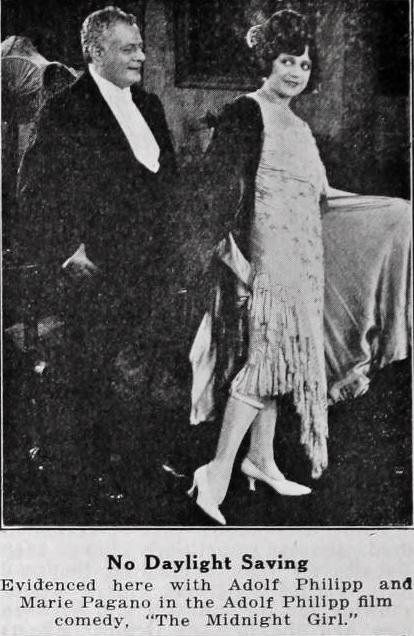
Stepping into the ephemeral world of Adolf Philipp's 'The Midnight Girl' is akin to sifting through a forgotten dream, one that flickers with the raw emotion and grand gestures characteristic of early 20th-century cinema. This silent-era gem, with its intricate tapestry of ambition, betrayal, and burgeoning romance, offers a fascinating glimpse into the moral quandaries and social stratifications prevalent during its time. It’s a narrative that, despite its age, resonates with a timeless quality, exploring the universal human struggle for dignity and acceptance amidst a society often quick to judge.
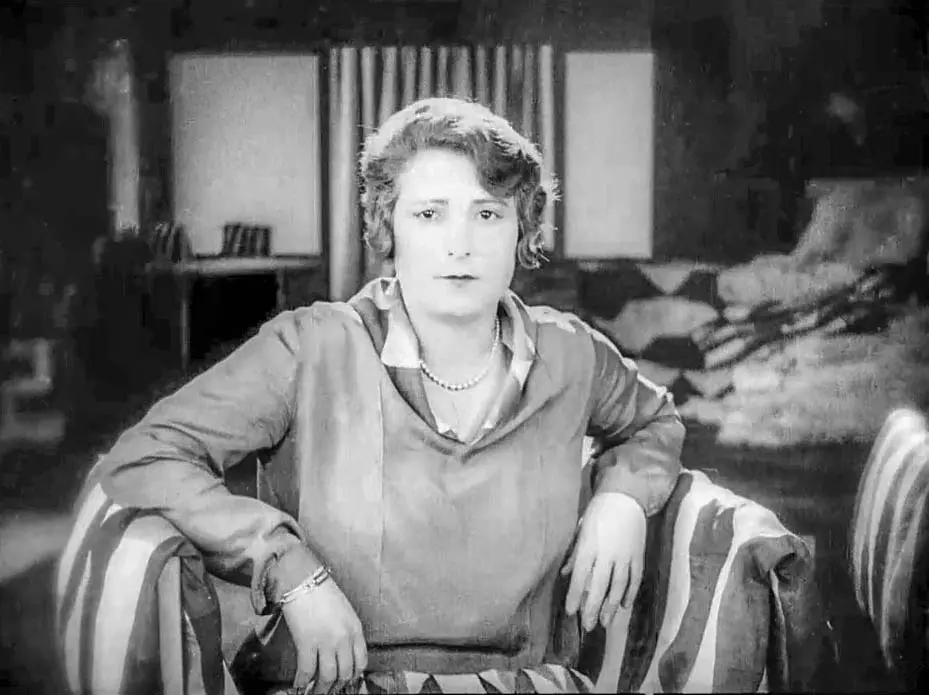
At its core, 'The Midnight Girl' is a profoundly human story, anchored by the compelling performance of Gladys MacClure as Elodie, the eponymous 'Midnight Girl.' MacClure, with her expressive eyes and graceful physicality, embodies the silent film archetype of the virtuous woman forced by circumstance into a world of ostentation and moral ambiguity. Her Elodie is not merely a dancer; she is a symbol of resilience, a testament to the human spirit's capacity to endure and even thrive under immense pressure. The film’s opening sequences establish her humble origins, swiftly contrasting them with the opulent, yet often predatory, environment of 'The Midnight Follies' cabaret. This stark juxtaposition immediately establishes a thematic tension that propels the narrative forward, forcing the audience to ponder the true cost of survival.
Adolf Philipp, not only the film's writer but also a pivotal presence on screen as the enigmatic Baron von Kessel, crafts a narrative that is both melodramatic and surprisingly nuanced. Von Kessel is no mere mustache-twirling villain; Philipp imbues him with a calculated charm that makes his manipulative tendencies all the more insidious. His Baron operates in the shadows, a puppet master pulling strings, and his interactions with Elodie reveal a complex power dynamic that is both enthralling and unsettling. This dual role undoubtedly gave Philipp a unique insight into the character's motivations, allowing him to sculpt a more fully realized antagonist than typically found in films of this period. His writing, even without spoken dialogue, manages to convey a rich inner world for his characters, a testament to his understanding of visual storytelling.
Joseph Marquis, as the conflicted industrialist Robert Thorne, provides a robust counterpoint to MacClure's vulnerability. Thorne is initially presented as a man of principle, yet one whose judgment is clouded by past hurts and societal expectations. Marquis skillfully portrays this internal conflict, conveying Robert's struggle to reconcile his burgeoning feelings for Elodie with his ingrained prejudices. His performance is a study in quiet intensity, a necessary balance to the more flamboyant expressions often demanded by silent film. The chemistry between MacClure and Marquis, though largely conveyed through longing glances and hesitant gestures, feels genuine, drawing the audience into their nascent romance. This emotional authenticity is crucial, preventing the narrative from devolving into mere spectacle.
Pauline de Palla, as the formidable Madame Dubois, injects a palpable sense of danger and intrigue. Her character is a force of nature, driven by a vendetta against von Kessel, but also by a complex personal history that slowly unravels throughout the film. De Palla’s performance is wonderfully theatrical, her expressions and gestures conveying a wealth of unspoken motives. She embodies the classic femme fatale trope, yet with an added layer of tragic depth, making her more than just a plot device. Her machinations serve not only to propel the story but also to expose the hidden vulnerabilities of the other characters, particularly Elodie and von Kessel himself.
The supporting ensemble, including Phil Sanford, Edward Elkas, Hal Peel, Emily Marceau, and Marie Pagano, each contribute to the film’s rich atmosphere. Their collective presence, whether as the denizens of the cabaret, the members of high society, or the agents of fate, adds layers of verisimilitude to the Parisian backdrop. Their nuanced reactions and subtle interactions create a believable world, enhancing the central drama and grounding the more melodramatic elements in a sense of reality. This collaborative effort in silent film acting, where every gesture and facial expression is magnified, is truly remarkable.
'The Midnight Girl' is more than just a tale of romance and intrigue; it is a potent commentary on the societal anxieties of its era. The stark divide between the working class and the wealthy elite, the precarious position of women in a patriarchal society, and the corrosive influence of scandal are all explored with remarkable depth. Elodie's journey from poverty to public scrutiny, and ultimately to a form of personal triumph, reflects a burgeoning awareness of individual agency, even within rigid social structures. The film implicitly critiques the hypocrisy of high society, which simultaneously condemns and consumes the very entertainment it deems immoral. This moral ambiguity is one of the film's strongest assets, inviting the audience to question conventional notions of virtue and vice.
The film’s exploration of reputation and redemption is particularly poignant. Elodie's identity as 'The Midnight Girl' is a double-edged sword; it grants her an escape from destitution but also subjects her to public judgment. The climax, set during a grand charity gala, brilliantly orchestrates the collision of these two worlds, where personal secrets threaten to unravel in a public spectacle. This dramatic tension, where a character's entire existence hangs precariously on the precipice of exposure, is a recurring motif in silent cinema, effectively heightening emotional stakes without needing dialogue. Films like The Hypocrites also grappled with societal judgment and moral facades, though 'The Midnight Girl' offers a more focused, character-driven exploration of these themes.
Adolf Philipp’s direction is marked by a clear understanding of the visual language of silent film. The cinematography, though perhaps not groundbreaking for its time, effectively uses lighting and composition to emphasize character emotions and thematic elements. The contrast between the shadowy backstages of the cabaret and the glittering, brightly lit performance areas is particularly effective, mirroring Elodie's dual existence. Close-ups are employed judiciously, allowing the audience to intimately connect with the characters' inner turmoil and fleeting moments of joy. The pacing, while deliberate, never feels sluggish, building tension effectively towards the dramatic confrontations.
The use of sets and costumes also plays a vital role in establishing the film’s atmosphere. The opulent designs of the cabaret and the elegant attire of high society serve as a visual shorthand for the world Elodie inhabits and aspires to, while her simpler garments in her private life underscore her true nature. This attention to detail in production design is crucial for silent films, where every visual cue must convey meaning. In this regard, 'The Midnight Girl' excels, creating a believable and immersive world for its audience. One might draw parallels to the lavish productions seen in When Rome Ruled or The Illustrious Prince, though 'The Midnight Girl' grounds its spectacle in a more intimate, character-focused narrative.
'The Midnight Girl' might not be as widely recognized as some of its contemporaries, but its enduring appeal lies in its sincere portrayal of human emotion and its astute social commentary. It stands as a testament to the power of silent cinema to transcend the absence of spoken dialogue, communicating complex ideas and profound feelings through the sheer artistry of performance and visual storytelling. The film's resolution, while offering a satisfying sense of closure, also leaves the viewer contemplating the lingering echoes of societal judgment and the fragility of reputation. It reminds us that appearances can be deceiving, and true character often lies hidden beneath layers of public perception.
For enthusiasts of early cinema, 'The Midnight Girl' offers a rich experience, showcasing the talents of a dedicated cast and a thoughtful writer-director. It serves as an excellent example of how silent films, far from being mere historical curiosities, were sophisticated works of art capable of exploring profound themes with grace and power. Its narrative shares thematic threads with other films of its era that delved into social mobility and personal struggle, such as Miss Dulcie from Dixie or The Stain, but 'The Midnight Girl' carves out its own distinct identity through its unique blend of romance, suspense, and social critique. The journey of Elodie, from the shadowy depths of a cabaret to the light of genuine affection, remains a compelling and deeply moving cinematic experience, proving that some stories, like some lights, simply refuse to be extinguished, continuing to glow brightly long after the midnight hour has passed.
The nuanced performances, particularly from Gladys MacClure and Joseph Marquis, prevent the narrative from becoming overtly simplistic. Their characters’ growth feels earned, their struggles palpable. Adolf Philipp’s vision, as both a writer and an actor, lends the film a cohesive quality, ensuring that the thematic elements are consistently woven through the performances and visual design. It’s a film that demands attention, rewarding the patient viewer with a deeply felt emotional journey. The echoes of its themes can be found in later cinematic works, underscoring its timeless relevance. Even today, the questions it poses about class, perception, and the nature of love continue to resonate, making 'The Midnight Girl' a valuable piece of cinematic heritage, worthy of rediscovery and thoughtful appreciation. Its quiet strength lies in its ability to articulate so much without uttering a single word, relying instead on the universal language of human experience and the powerful visual poetry of the moving image. It’s a film that truly captures the spirit of its age while speaking to future generations.
IMDb 6.1
1926
Community
Log in to comment.