DbcultAccessing Vault...
5.1/10
Senior Film Conservator
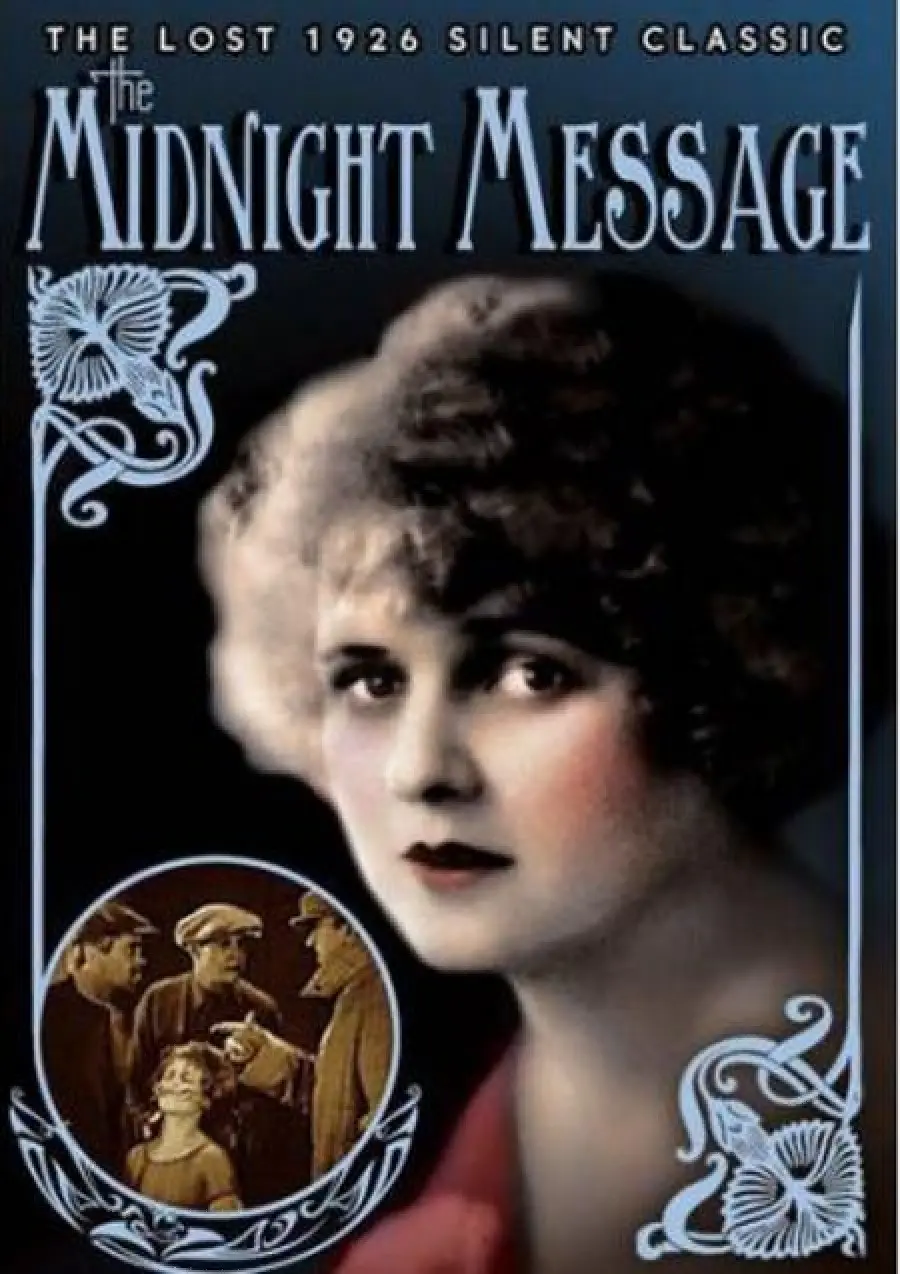
A definitive 5.1/10 rating for a film that redefined the boundaries of cult cinema. The Midnight Message remains a cornerstone of transgressive art.
Is The Midnight Message worth seeking out in the crowded landscape of modern cinema? Short answer: yes, but with significant caveats that anchor it firmly to its era. This 1921 silent film offers a fascinating glimpse into early cinematic storytelling, presenting a straightforward yet engaging narrative that holds up surprisingly well for those willing to meet it on its own terms.
This film is absolutely for silent film enthusiasts, cinephiles interested in the evolution of genre, and those with a high tolerance for period-specific pacing and melodrama. It is decidedly NOT for viewers expecting rapid-fire action, intricate dialogue, or contemporary psychological depth. If you struggle with intertitles or find the expressive acting of the 1920s overly theatrical, you'll likely find it a challenging watch.
This film works because: Its core premise of an ordinary person thrust into extraordinary circumstances is universally appealing, executed with a directness that is both charming and effective, largely thanks to Wanda Hawley’s committed performance.
This film fails because: Its narrative simplicity, while a strength for its time, can feel underdeveloped by modern standards, and certain plot resolutions rely too heavily on convenient coincidences rather than earned developments.
You should watch it if: You appreciate the foundational elements of suspense cinema, enjoy historical artifacts of filmmaking, and are keen to witness the raw, unpolished energy of early genre pictures.
H.H. Van Loan's screenplay for The Midnight Message, while seemingly modest in its premise, actually taps into a timeless narrative archetype: the unassuming hero caught in a web of danger. The story of a Western Union messenger, played by the captivating Wanda Hawley, who interrupts a burglary and then dedicates herself to catching the culprits, provides a surprisingly robust framework for a silent-era thriller. It’s a testament to the power of simple, relatable stakes.
The film doesn't waste time with elaborate backstories or complex character arcs. Instead, it plunges the audience directly into the inciting incident, relying on visual storytelling and the expressive power of its cast to convey urgency and emotion. This directness, a hallmark of early cinema, is both its greatest strength and, for modern audiences, occasionally its biggest hurdle.
The decision to center the narrative on an ordinary working woman, rather than a seasoned detective or a daring adventurer, was a subtle yet impactful choice for its time. It grounds the extraordinary events in a relatable reality, inviting greater audience identification with Hawley’s character. She isn't a superhero; she’s just someone doing her job who refuses to back down when faced with injustice.
The success of any silent film hinges almost entirely on the ability of its cast to communicate emotion and intent through gesture, expression, and physicality. In The Midnight Message, the ensemble, led by Wanda Hawley, rises to this challenge with varying degrees of success, but consistently delivers performances that are undeniably evocative of the era.
Wanda Hawley, as the intrepid messenger, is the undeniable heart of the film. Her performance is a masterclass in silent film acting – her wide, expressive eyes convey fear, determination, and intelligence with remarkable clarity. There’s a particular scene where she first realizes the gravity of the situation, a subtle shift in her posture and a widening of her gaze that communicates more effectively than any dialogue could. She imbues her character with a quiet strength that feels genuinely modern, even a century later.
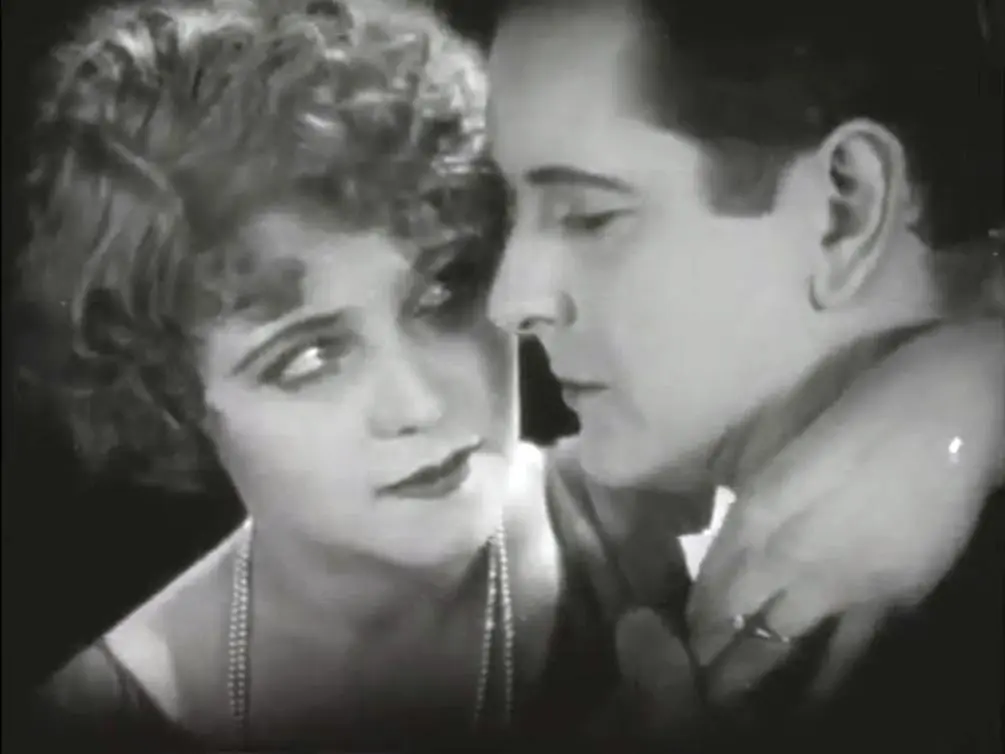
It's easy to dismiss silent film acting as mere 'pantomime,' but Hawley's work here demonstrates a nuanced approach, proving that genuine emotion can transcend the absence of sound. Her ability to convey complex feelings with just a glance is truly impressive.
The direction in The Midnight Message is functional and effective for its time, prioritizing clear storytelling and building suspense through visual cues. The film makes good use of its limited resources, employing straightforward but impactful camera work to guide the audience’s eye and heighten dramatic moments. While it doesn't boast the avant-garde flourishes seen in some European silent films of the period, its approach is undeniably American in its directness.
There are moments where the cinematography, though basic by today's standards, manages to create a palpable sense of tension. The use of low-key lighting during the burglary scene, for instance, casts long, ominous shadows that effectively convey the clandestine nature of the criminals' actions. It's a simple technique, but one that remains effective in establishing mood. The framing often emphasizes the isolation of Hawley's character, particularly when she is alone in her pursuit, underscoring her vulnerability and determination.
Pacing is, as expected for a film of this vintage, deliberate. The story unfolds at a measured pace, allowing the audience to absorb the emotional beats and plot developments without feeling rushed. This slower tempo, however, can be a double-edged sword. While it permits a deeper engagement with the characters' internal struggles and the unfolding mystery, it can also test the patience of viewers accustomed to the rapid-fire editing of contemporary thrillers. There are sequences that linger a little too long, relying on repeated gestures or extended reaction shots that could have been trimmed for modern sensibilities.
The tone oscillates between straightforward suspense and moments of light melodrama. The film largely maintains a serious demeanor befitting its thriller premise, but occasional flourishes of exaggerated emotion or convenient plot devices remind us of its early cinematic roots. It works. But it’s flawed.
Beyond its surface-level thrills, The Midnight Message touches upon themes of vigilance, civic duty, and the unexpected bravery of the everyman (or, in this case, everywoman). Wanda Hawley’s character isn’t driven by personal gain or revenge, but by a simple, unwavering commitment to justice. This moral clarity, while perhaps simplistic, is refreshing in its earnestness.
An unconventional observation about this film is how its very simplicity inadvertently highlights the sophistication of modern character writing. Because the silent era demanded clear, archetypal roles, the film presents its protagonist and antagonists with broad strokes. Yet, within those limitations, Hawley manages to inject a surprising amount of internal life, suggesting a depth that the script, by necessity, couldn't explicitly articulate. It’s a testament to her skill that she elevates what could have been a one-dimensional role.
I would argue that the film’s greatest strength lies not just in its plot, but in its ability to create genuine tension using only visual cues. The scene where the messenger is trying to discreetly gather information while the burglars are still active is a masterclass in non-verbal suspense. It forces the viewer to pay close attention to every subtle movement, every flicker of expression. This kind of engagement is often missing in sound films, where dialogue can do much of the heavy lifting.
However, a strong, debatable opinion I hold is that while the film's reliance on convenience for plot advancement is understandable for its era, it ultimately undermines its potential for lasting impact. The swiftness with which the protagonist is able to identify and track down the culprits, often through sheer luck, stretches credulity even for a silent film. A more arduous, believable struggle would have elevated the narrative from merely entertaining to truly compelling, perhaps on par with some of the more enduring thrillers of the 1920s like The Lodger.
The Midnight Message is more than just a historical curiosity; it’s a surprisingly sturdy piece of early genre filmmaking that, while showing its age, still possesses a quiet charm and an engaging central performance. It’s not a lost masterpiece, nor is it a film that will redefine your understanding of cinema. Instead, it’s a solid, unpretentious thriller that delivers exactly what it promises: a suspenseful tale of an ordinary person rising to an extraordinary challenge.
For those with an appreciation for the silent era, H.H. Van Loan's screenplay, brought to life by Wanda Hawley, offers a rewarding viewing experience. It serves as an excellent example of how foundational narrative elements and strong acting can transcend technological limitations. While it won't appeal to everyone, its enduring qualities make it a worthwhile watch for specific audiences. Give it a chance, and you might just find yourself rooting for that determined messenger, a century later.
IMDb 6.5
1926
Community
Log in to comment.