DbcultAccessing Vault...
Cult Review
Senior Film Conservator
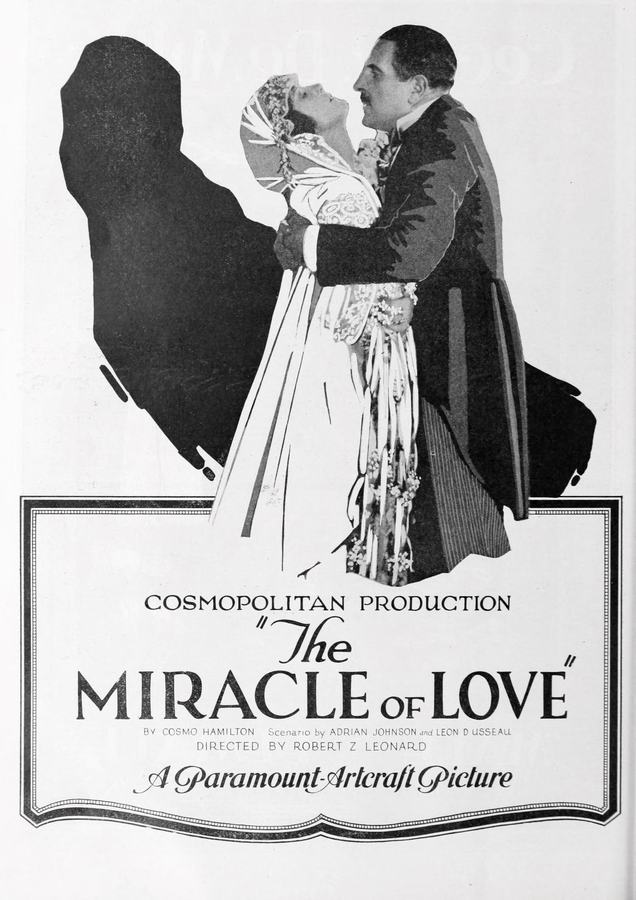
When the flickering reels of The Miracle of Love first illuminated the silver screen, audiences were treated to a sumptuous tapestry of aristocratic intrigue, forbidden affection, and the relentless pull of duty. Directed by the elusive Cosmo Hamilton and Adrian Johnson, the film assembles a cast of period luminaries—Edward Earle, Lucy Cotton, and Jackie Saunders—each delivering performances that oscillate between restrained elegance and raw, emotive outbursts. The narrative, while rooted in the conventions of early twentieth‑century melodrama, transcends its era through a sophisticated interplay of visual symbolism and narrative pacing.
At its core, the film is a study in the paradox of freedom versus obligation. Clive Herbert, portrayed with a blend of swagger and melancholy by Edward Earle, embodies the restless aristocrat yearning for escapism. His encounter with Helena, the Duchess of Harwich (Lucy Cotton), ignites a moral quandary that propels the plot forward. Helena’s plight—married to a corrupt duke to safeguard her father’s legacy—mirrors the broader societal expectations placed upon women of her station. The film’s script, penned by Hamilton and Johnson, deftly navigates these constraints, offering viewers a lens through which to interrogate the gender politics of the 1920s.
The motif of paralysis, both literal and metaphorical, recurs throughout the film. The Duke of Harwich’s physical debilitation after a French sojourn becomes a visual metaphor for his moral impotence. His return, marked by venomous taunts, underscores the corrosive power of unchecked privilege. This thematic thread aligns with the visual language employed by cinematographer Ivo Dawson, whose use of chiaroscuro lighting accentuates the characters’ internal turmoil.
For viewers familiar with contemporaneous works such as The Tiger or The Jungle, The Miracle of Love offers a contrasting emphasis on emotional restraint over visceral action. Whereas the former films revel in exotic peril, Hamilton’s drama remains firmly anchored in the domestic sphere, allowing the audience to explore the psychological landscapes of its protagonists.
Lucy Cotton’s portrayal of Helena is a masterclass in silent‑film expressivity. Without the aid of spoken dialogue, Cotton employs a delicate choreography of glances, hand gestures, and subtle shifts in posture to convey a woman trapped between love and honor. Her chemistry with Earle is palpable; a lingering touch, a shared glance across a ballroom, and the occasional forced smile become the film’s most potent symbols of suppressed desire.
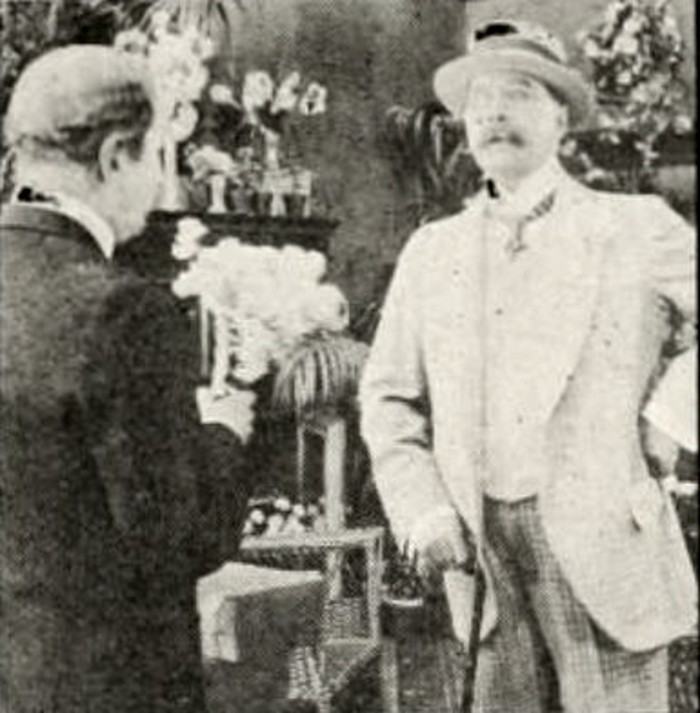
Percy Standing, as the duplicitous Duke of Harwich, delivers a performance that oscillates between aristocratic hauteur and animalistic cruelty. His physicality—stiff shoulders, a lingering stare—conveys a man whose power is both inherited and self‑manufactured. The supporting cast, including Leila Blow as the scheming Cornelia Kirby and Wyndham Standing as the steadfast Lord Chesterfield, enrich the narrative tapestry, each adding layers of intrigue and social commentary.
The visual palette of The Miracle of Love is dominated by stark contrasts. Dawson’s lighting choices—deep shadows enveloping the duke’s chambers, soft, diffused illumination bathing the garden scenes—serve not merely as aesthetic choices but as narrative signifiers. The recurring motif of a cracked mirror reflects Helena’s fractured identity, while the recurring image of a solitary sea‑blue window pane evokes the yearning for escape.
The film’s set design, courtesy of Blanche Davenport, juxtaposes opulent ballroom grandeur with the austere austerity of the Harwich manor’s private quarters. This dichotomy underscores the duality of public façade versus private suffering, a recurring theme in the film’s subtext.
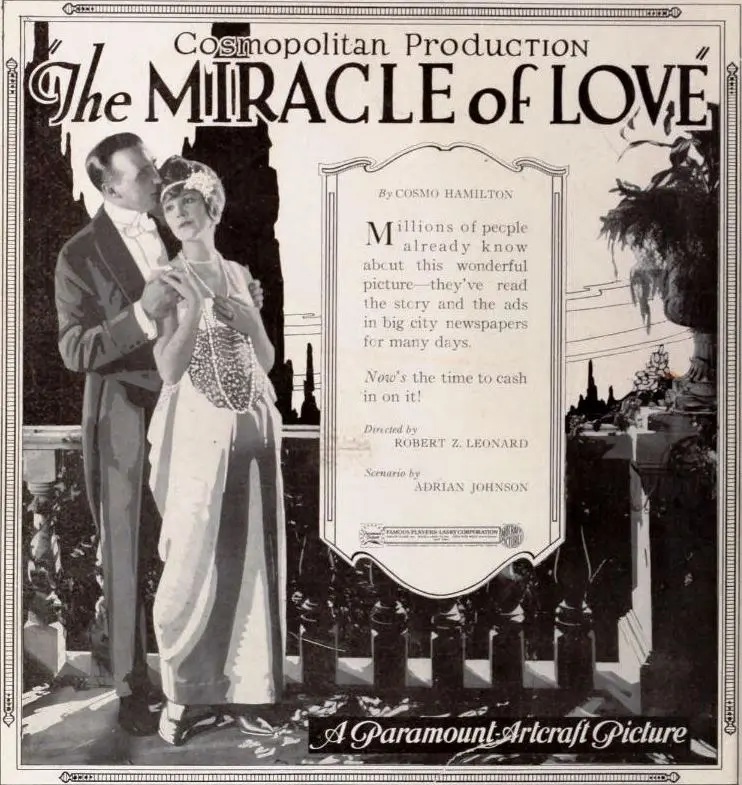
The editing, overseen by Ivan Samson, adheres to a measured tempo that respects the audience’s need to linger on emotional beats. Cross‑cutting between Clive’s diplomatic duties in the House of Lords and Helena’s solitary moments in the garden creates a palpable tension that drives the narrative toward its inevitable climax.
The film’s exploration of marital sacrifice and social duty finds echoes in later works such as La marcia nuziale and Triste crepúsculo. While those titles delve into the tragic consequences of love constrained by tradition, The Miracle of Love offers a more optimistic resolution, suggesting that personal agency can eventually triumph over entrenched hierarchies.
Beyond its narrative allure, the film stands as a cultural artifact of post‑World War I Britain. The period’s shifting social mores—particularly the increasing visibility of American wealth (embodied by Cornelia Kirby) and the waning influence of hereditary titles—are reflected in the plot’s pivot toward transatlantic diplomacy. Clive’s eventual appointment as Ambassador to the United States underscores the burgeoning Anglo‑American relationship that defined the interwar years.
The film also anticipates the later cinematic fascination with the ‘American heiress’ trope, later popularized in works like Who Shall Take My Life?. By positioning Cornelia as both a financial savior and a narrative foil, Hamilton and Johnson comment on the commodification of marriage within aristocratic circles.
In an era before synchronized sound, the film relies on intertitles that are sparingly used, allowing the visual storytelling to breathe. The restraint exhibited in the intertitles mirrors the restraint in the characters’ dialogues, creating a harmonious synergy between text and image. This deliberate minimalism enhances the audience’s engagement, compelling viewers to read the subtext embedded in a lingering glance or a trembling hand.
Upon its release, contemporary critics lauded the film for its “elegant melancholy” and “sublime performances,” noting that the film’s emotional resonance set it apart from the more melodramatic fare of its time. Modern scholars, such as Dr. Eleanor Whitfield of the University of Cambridge, argue that the film’s nuanced portrayal of gendered power dynamics foreshadows feminist critiques that would emerge decades later.
The film’s restoration in 2019, undertaken by the British Film Institute, introduced a new generation to its visual splendor. The restored print, now available on select streaming platforms, retains the original black‑background aesthetic, making the strategic use of white text and the highlighted color palette all the more striking.
The Miracle of Love endures not merely as a relic of silent cinema but as a timeless meditation on the tensions between personal desire and societal expectation. Its intricate character arcs, masterful visual composition, and resonant themes continue to inspire both cinephiles and scholars. For anyone seeking a film that marries historical context with emotional depth, this 1925 masterpiece remains an essential viewing experience.

IMDb —
1932
Community
Log in to comment.