DbcultAccessing Vault...
4.8/10
Senior Film Conservator
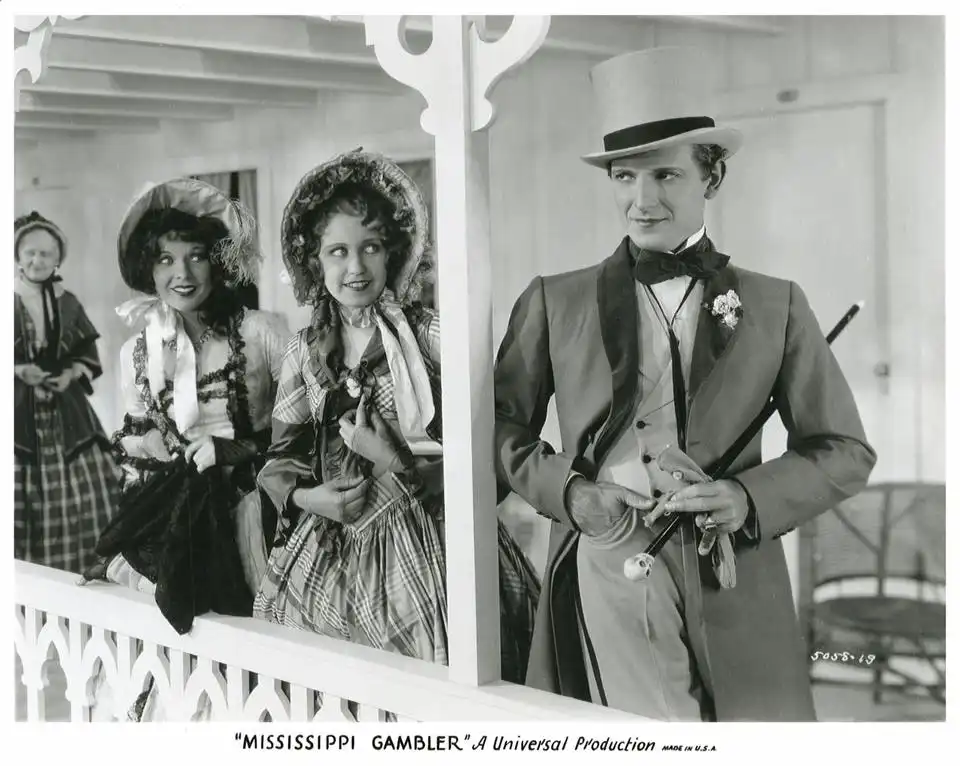
A definitive 4.8/10 rating for a film that redefined the boundaries of cult cinema. The Mississippi Gambler remains a cornerstone of transgressive art.
You should probably only watch this if you're a hardcore film nerd or you just really like looking at old riverboats. If you want a fast-paced thriller, you are going to be very, very bored.
It’s a 1929 "talkie" from Universal, which means the microphones were probably hidden in flower pots or something. Everyone talks like they’re afraid they won’t be heard, or like they’re reciting a grocery list.
Joan Bennett is in this, and she’s incredibly young here. She plays Lucy, the girl who catches the eye of the gambler, Jack Morgan.
Joseph Schildkraut plays Jack. He has these intense eyes that seem to belong in a much more dramatic movie. He moves with this weird, cat-like energy that doesn't always match the stiff scenery.
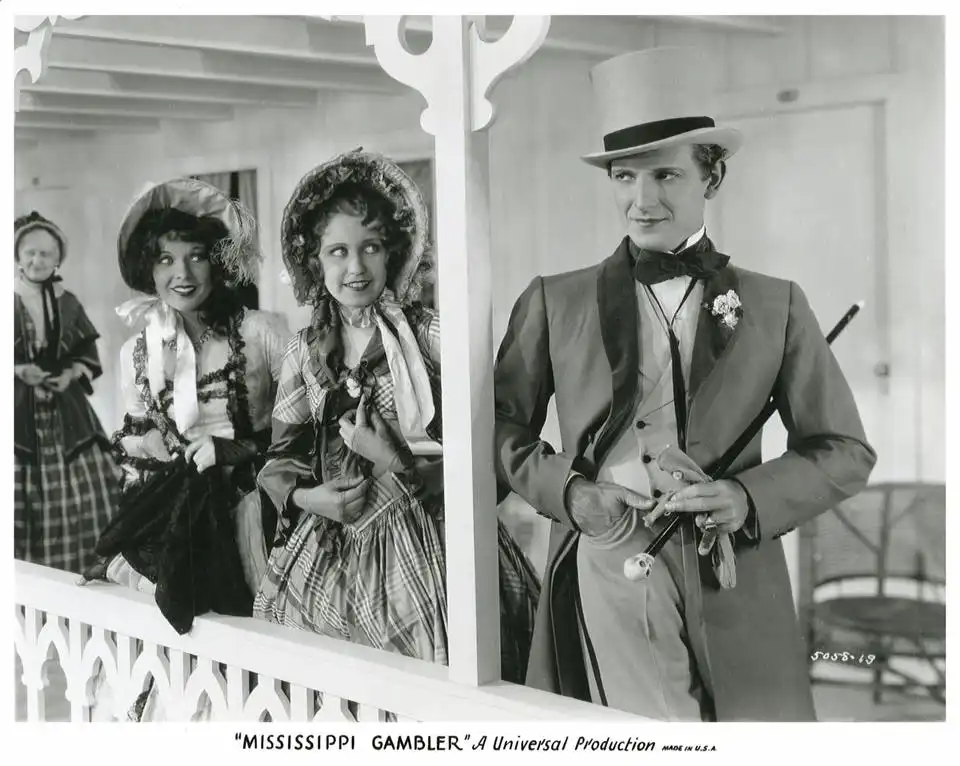
The whole thing takes place on a riverboat, but it’s the most stationary-feeling boat in history. You never really feel the water, just the wooden floorboards of a studio set.
There is a scene early on where they’re playing cards, and the sound of the chips clicking is almost louder than the dialogue. It’s a bit distracting once you notice it. Click. Click. Click.
I kept thinking about how much more movement there was in something like Robin Hood. Even though that was silent, it felt more alive than this.
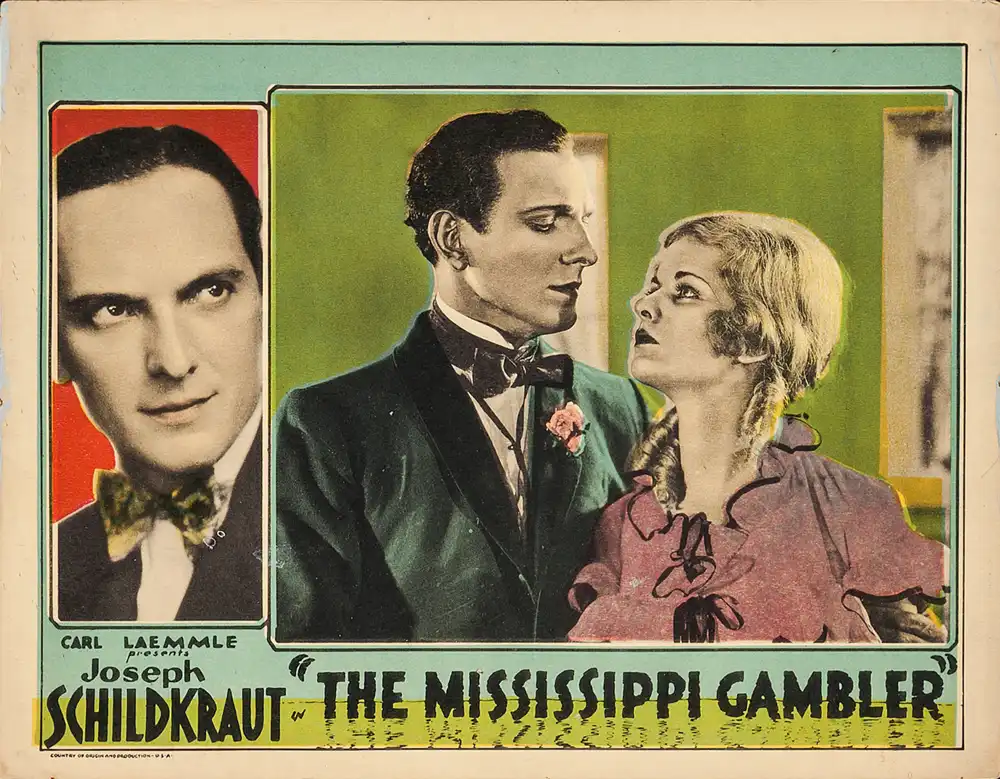
The plot is about Jack trying to be a "gentleman" gambler. He wins money from Lucy's father, then feels bad about it because he likes Lucy. It's a classic melodrama setup that feels a bit dusty now.
There is a lot of standing around in tuxedos. So many tuxedos. I wonder if the actors were sweating under those big studio lights.
One guy, Otis Harlan, plays a character named "Tiny." He provides some "comic relief" that mostly involves him looking confused. It didn't really make me laugh, but I appreciated the effort.
The pacing is... well, it's 1929 pacing. A conversation that should take thirty seconds takes three minutes because of the long pauses between lines. It’s like they’re waiting for the sound equipment to catch up.
I noticed a moment where a character walks toward a window and the audio suddenly gets muffled. It’s those little technical glitches that make these old movies fascinating to me.
It reminds me of Double Whoopee, which came out the same year but had so much more energy. This movie feels like it’s wearing a heavy coat it can’t take off.
The writing team for this was huge. Like, five or six people are credited. I don't know why you need that many writers for a story about a guy playing cards on a boat, but there you go.
There’s a bit of a subplot with a brother who has gambling debts. It’s pretty predictable. You know exactly where it’s going the moment he walks on screen looking nervous.
I did like the scene where Jack tries to return the money. There’s a flicker of real emotion in Schildkraut’s performance there. Just for a second, he stops being a "performer" and feels like a guy in a tough spot.
Is it a good movie? Not really. It’s more of a museum piece. It’s a snapshot of a studio trying to figure out how to make a movie you can hear.
If you've seen The Small Town Girl or other early dramas, you’ll recognize the vibe. It’s very polite and very staged.
The ending is exactly what you think it will be. No big twists here. Just a tidy resolution that feels a bit too easy given all the drama that came before.
I’ll probably forget most of the plot by next week, but I’ll remember the way the light hit the ripples in the water (which was probably just a tarp) during the deck scenes. 🌊
Ultimately, it's a bit of a slog, but a pretty one. Watch it if you're doing a deep dive into Universal's history, otherwise, you can probably let this boat sail on by.
IMDb 6.7
1930
Community
Log in to comment.