DbcultAccessing Vault...
6.9/10
Senior Film Conservator
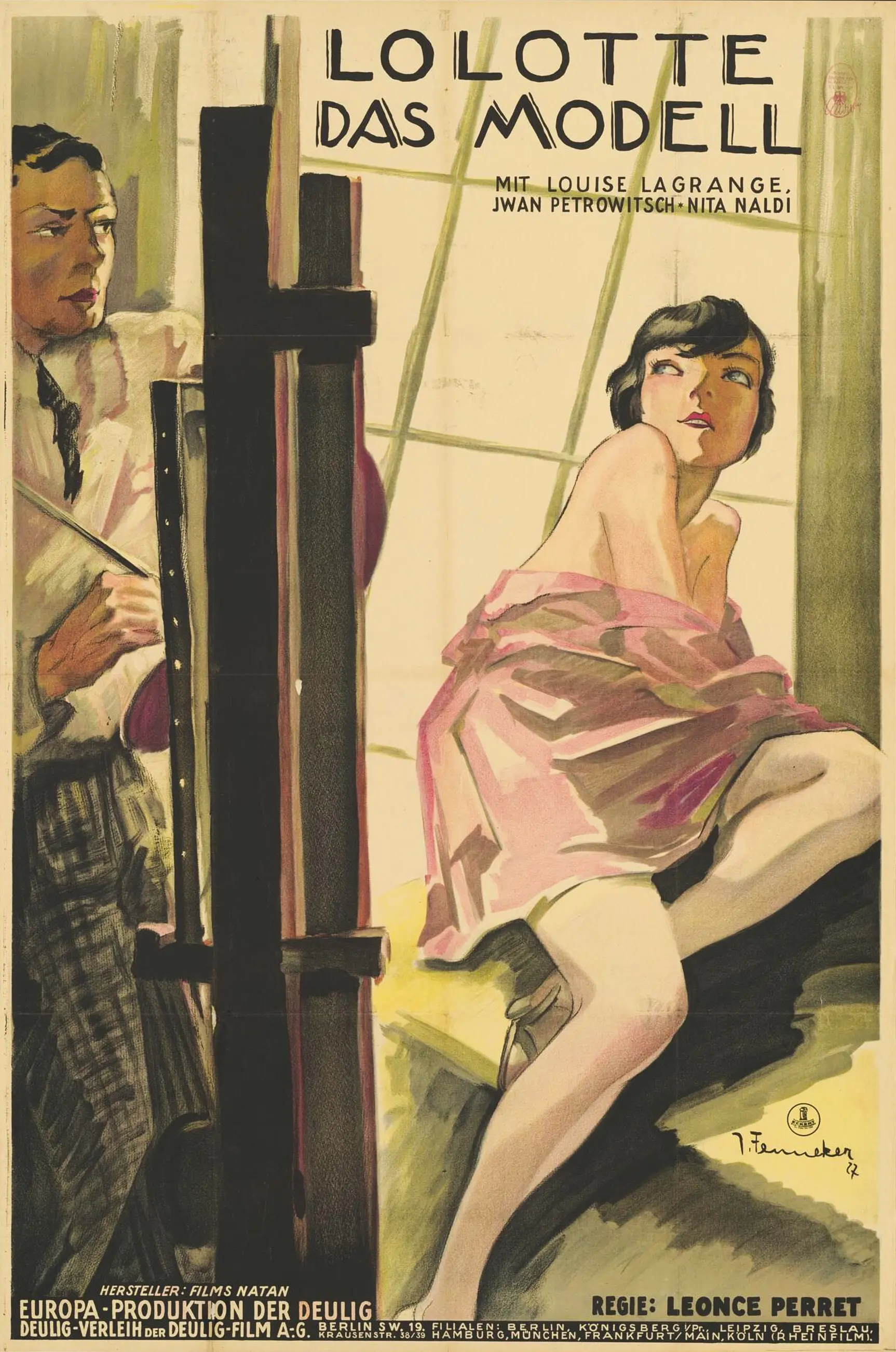
A definitive 6.9/10 rating for a film that redefined the boundaries of cult cinema. The Model from Montmartre remains a cornerstone of transgressive art.
Short answer: yes, but it’s not for everyone. 'The Model from Montmartre' is a compelling exploration of early 20th century Parisian life, but it demands patience and an appreciation for the subtleties of its narrative and characters.
Does it hold up today? Absolutely. Its themes of artistic passion, class differences, and the complexities of relationships are as relevant now as they were when it was filmed. However, the film's pacing and dialogue might test the patience of modern viewers, and its portrayal of women and societal norms might be challenging to some.
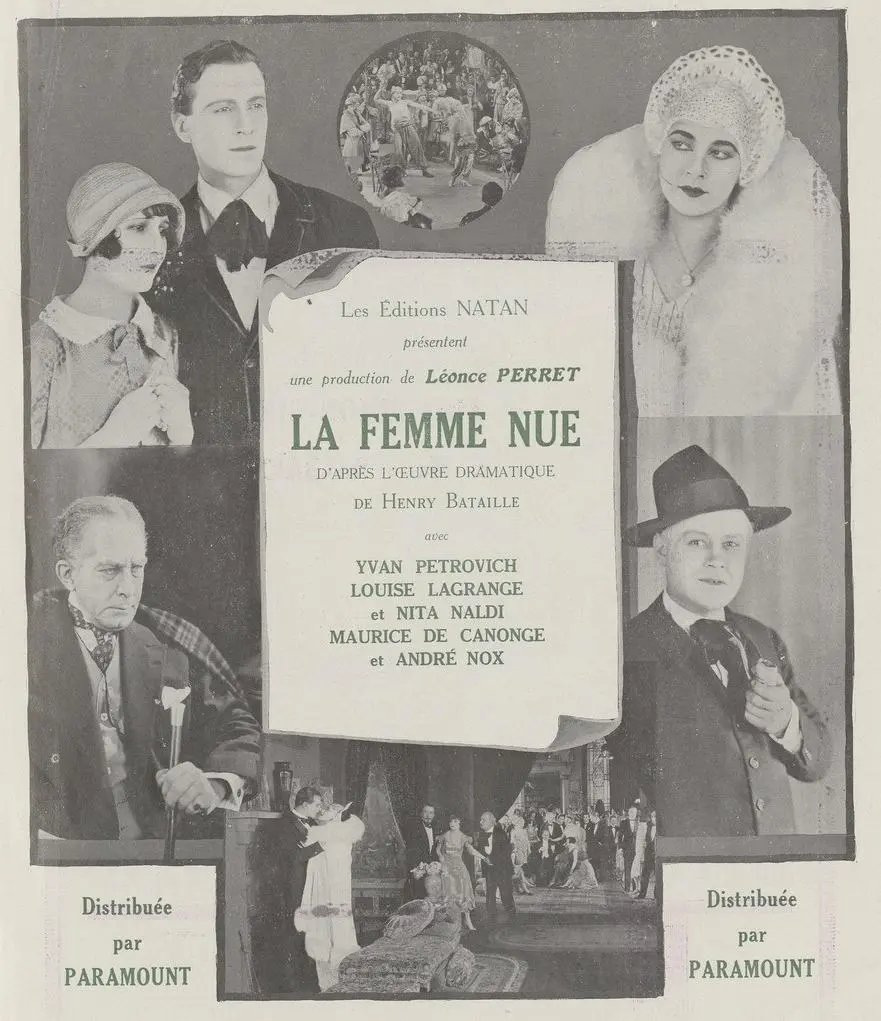
This film works because: It captures the essence of early 20th century Parisian society and the struggles of artists and models. The performances, particularly Maurice de Canonge as Rouchard and Clairette de Savoye as Lolette, are nuanced and compelling.
This film fails because: Its slow pacing and occasionally stilted dialogue can be off-putting to modern audiences. The film’s exploration of societal norms and gender roles feels outdated in some ways.
You should watch it if: You are interested in a nuanced exploration of early 20th century Parisian life, particularly the artistic community and the societal expectations placed upon women. If you appreciate subtle storytelling and strong character development, this film will not disappoint.
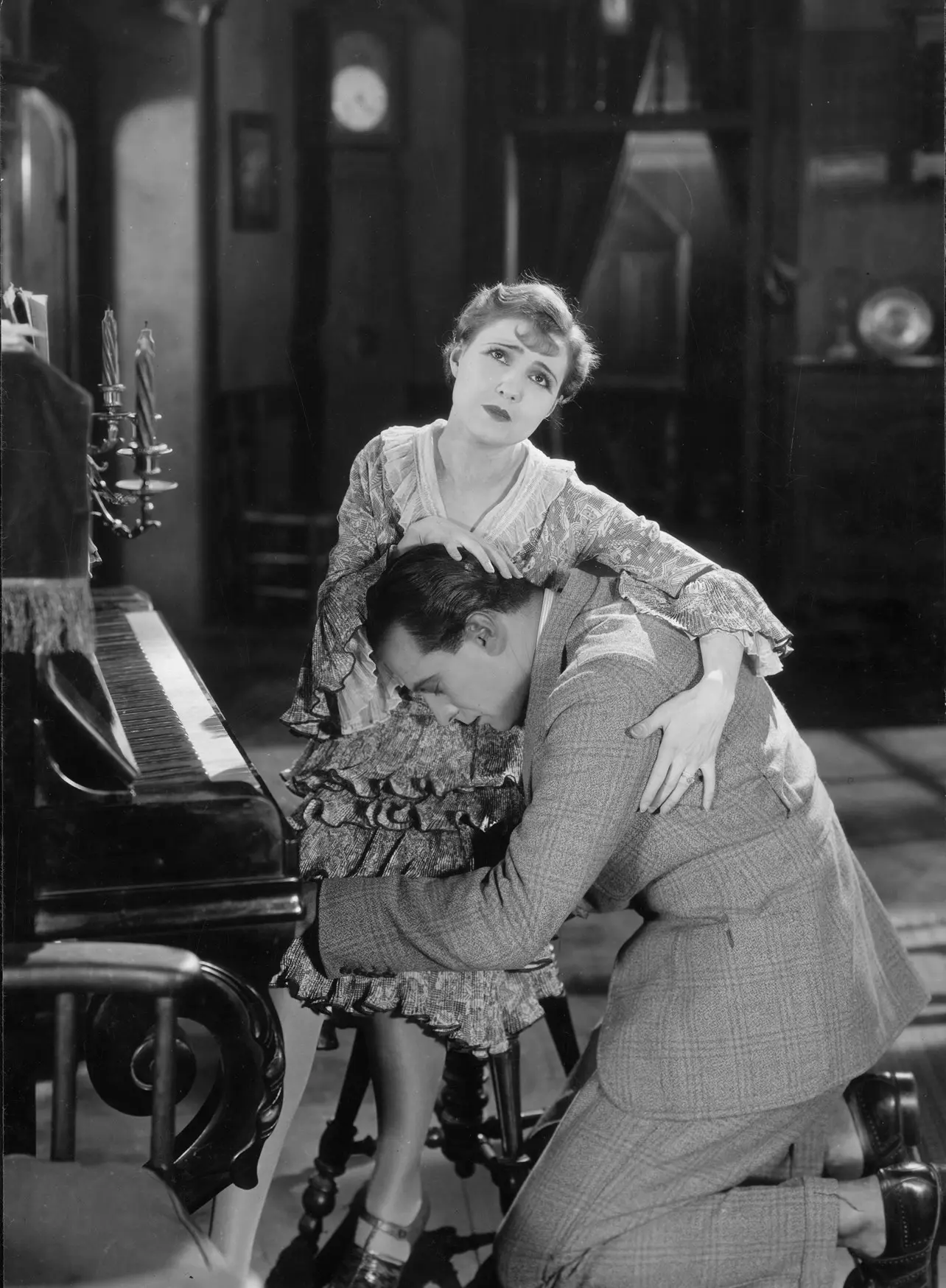
Maurice de Canonge and Clairette de Savoye deliver standout performances as Rouchard and Lolette, respectively. De Canonge brings a depth of emotion to his character, making Rouchard’s transformation from a possessive artist to a more understanding and supportive figure truly moving. De Savoye, in her role as Lolette, is both vulnerable and strong, capturing the complexity of her character’s desires and fears.
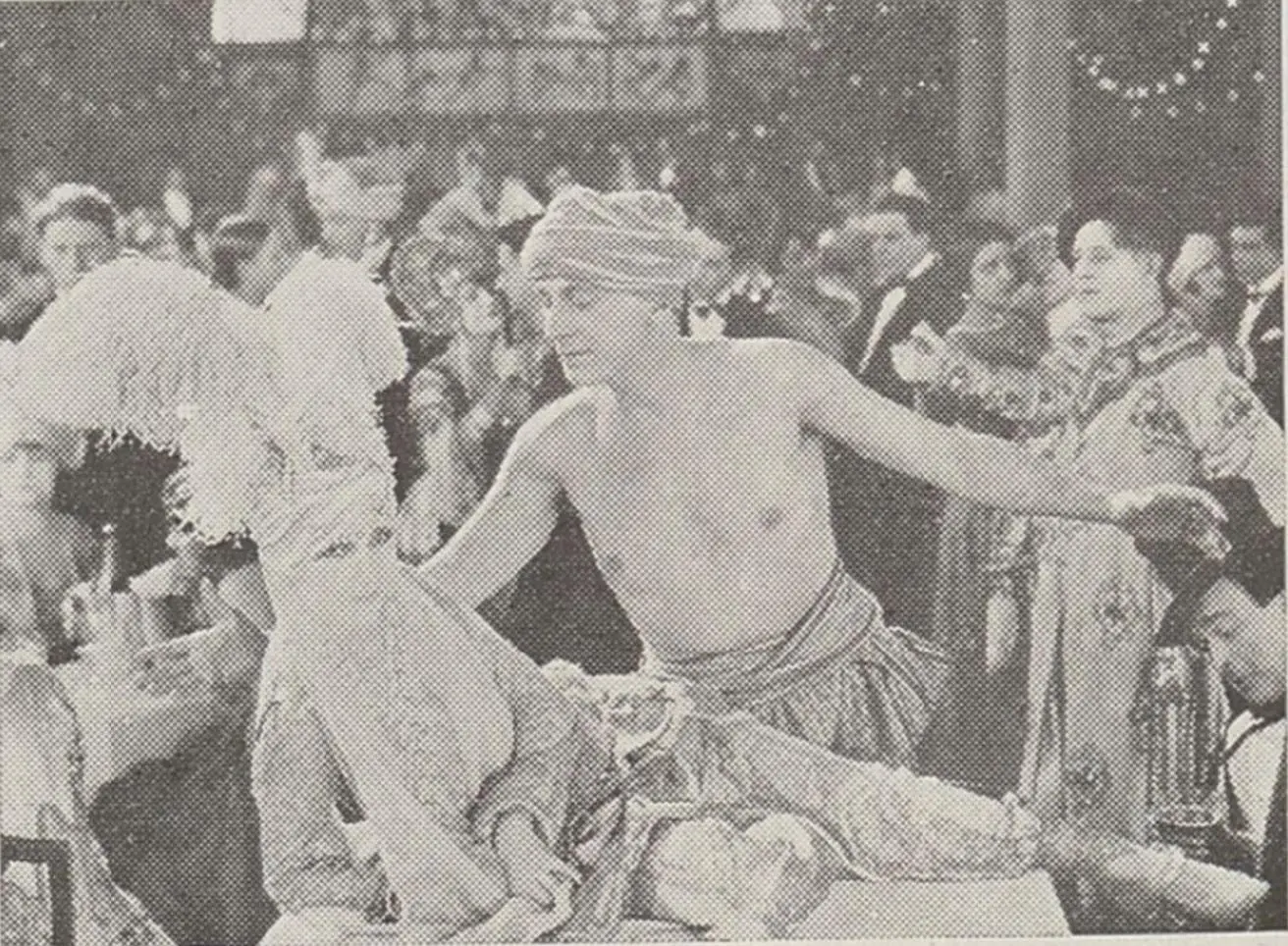
Director André Liabel does a commendable job in capturing the atmosphere of early 1900s Paris. The film’s cinematography, particularly the scenes set in Montmartre, are evocative and beautifully shot, providing a vivid backdrop for the story. However, the film’s pacing can be slow at times, which can make it a challenging watch for those accustomed to modern cinema’s brisk pace.
The pacing of 'The Model from Montmartre' is deliberate, with each scene carefully constructed to advance the narrative and develop the characters. This deliberate approach can be both a strength and a weakness. While it allows for rich character development and a deep exploration of the film’s themes, it can also feel slow to those accustomed to more fast-paced narratives. The dialogue, while often poetic and reflective of the time period, can feel stilted and archaic to modern ears.
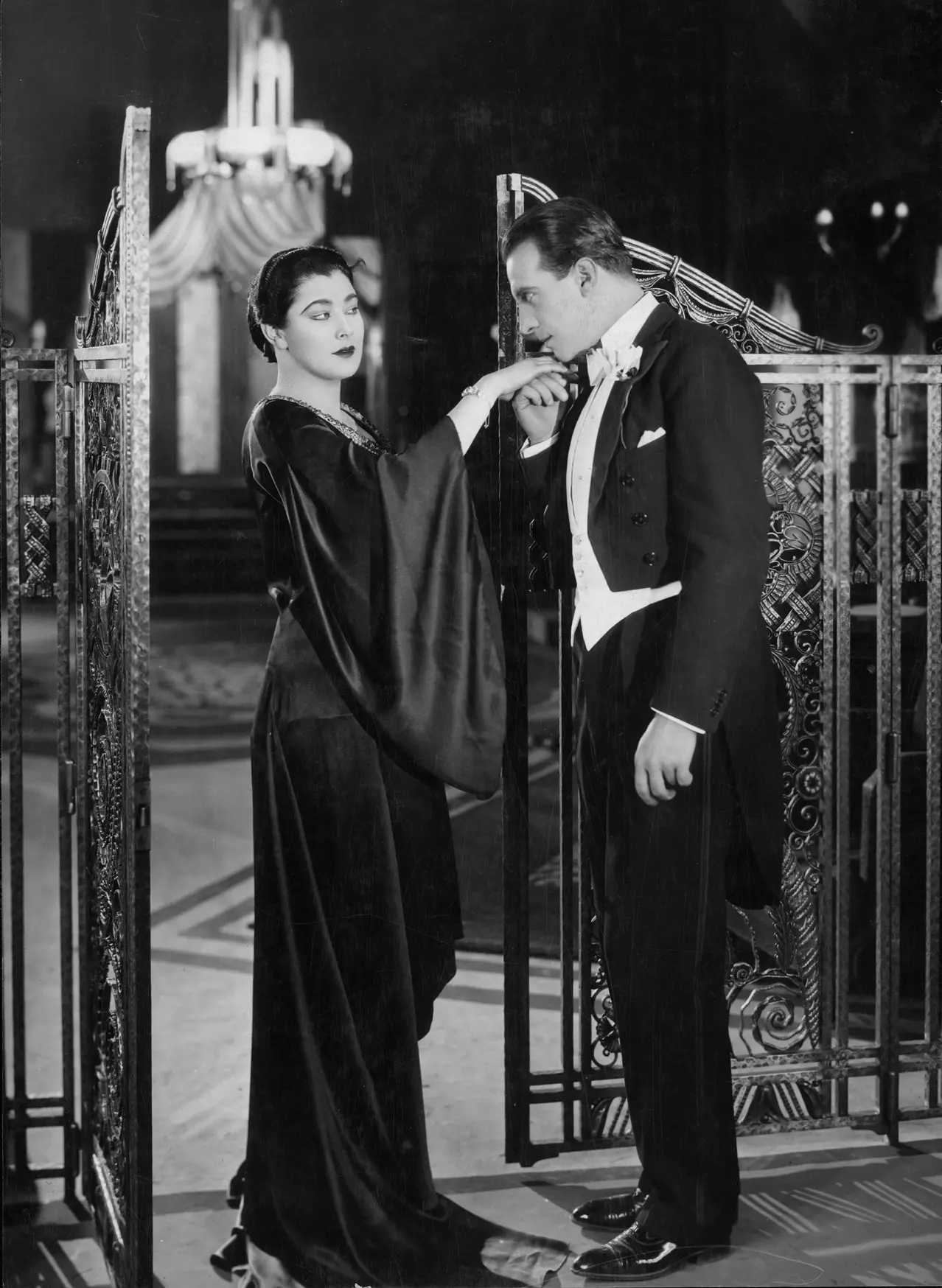
At its core, 'The Model from Montmartre' is a story about love, ambition, and the struggles of artists and models in a society that often undervalues their contributions. The film’s tone is often bittersweet, capturing the beauty and the pain of artistic passion and the societal expectations that come with it. The film’s exploration of class differences and the challenges faced by women in a patriarchal society adds depth to its narrative.
While 'The Model from Montmartre' stands on its own, it shares thematic similarities with films like 'Marriage Money' and 'Behind Two Guns', which also explore the complexities of relationships and the societal pressures that shape them. Its focus on the artistic community and the struggles of models and artists is reminiscent of films like 'The Branded Soul' and 'The Count of Monte Cristo', which also delve into the intricacies of early 20th century life.
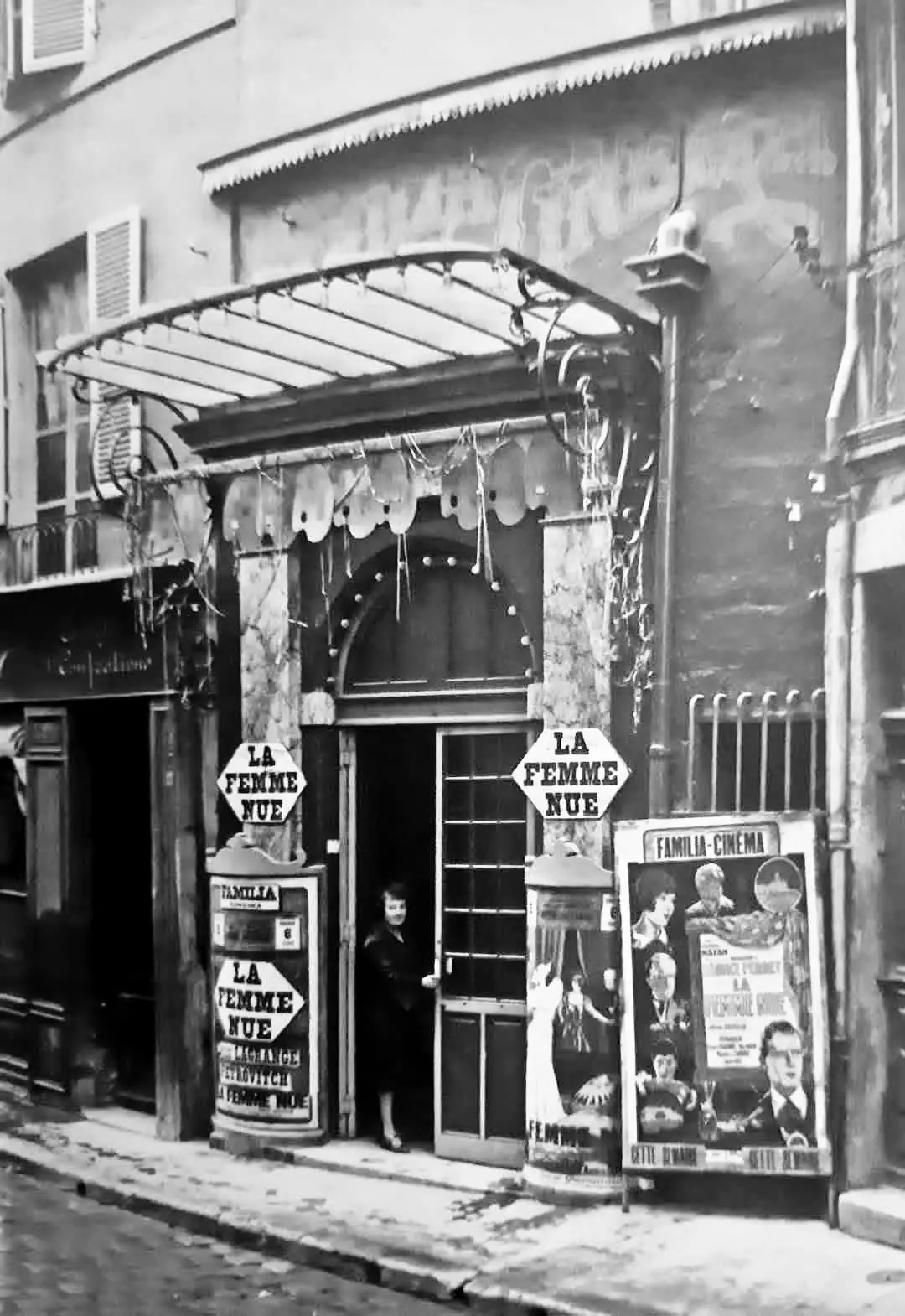
Yes, 'The Model from Montmartre' is worth watching if you’re interested in a nuanced exploration of early 20th century Parisian life and the struggles of artists and models. Its rich character development and beautiful cinematography make it a compelling watch, but its deliberate pacing and occasionally stilted dialogue might be a challenge for some.
While 'The Model from Montmartre' may not be everyone’s cup of tea, it is a valuable exploration of early 20th century Parisian life. Its rich character development and beautiful cinematography make it a compelling watch, but its deliberate pacing and occasionally stilted dialogue might be a challenge for some. If you’re willing to invest in a nuanced and bittersweet story, this film is definitely worth a watch.
IMDb 7.4
1920
Community
Log in to comment.