DbcultAccessing Vault...
5.6/10
Senior Film Conservator
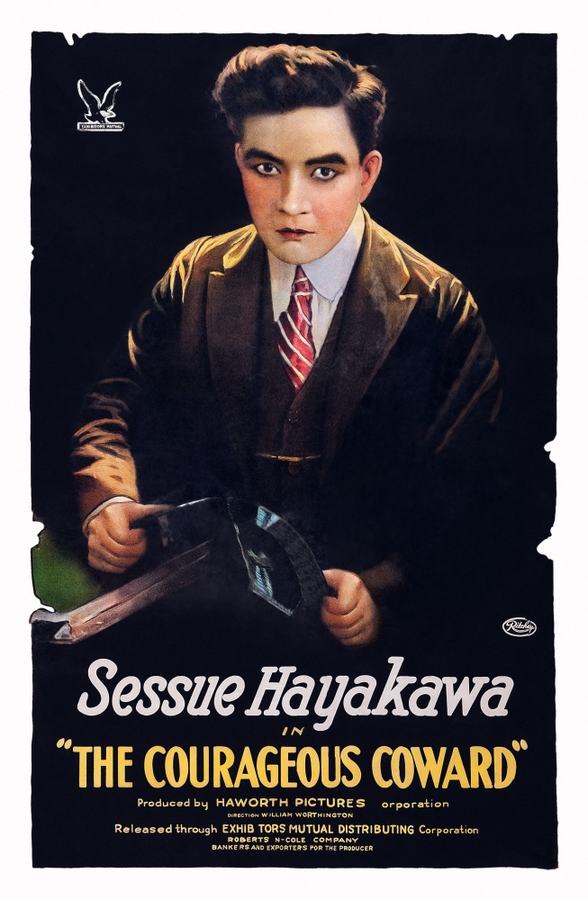
A definitive 5.6/10 rating for a film that redefined the boundaries of cult cinema. The Courageous Coward remains a cornerstone of transgressive art.
In the shimmering, often tumultuous landscape of early 20th-century cinema, certain films emerge not just as entertainment but as profound cultural artifacts, reflecting the anxieties and aspirations of their time. 'The Courageous Coward', a 1919 silent drama starring the iconic Tsuru Aoki and Toyo Fujita, stands as one such testament. Directed with a keen eye for emotional nuance and narrative complexity, this film transcends its era, offering a timeless exploration of love, identity, and the intricate dance between personal conviction and public perception. It’s a compelling piece that, even a century later, continues to resonate with its bold thematic choices and the captivating performances that bring its intricate story to life. Far from being a mere relic, it’s a vibrant, pulsing narrative that challenges assumptions and celebrates the quiet strength found in unexpected places.
At the heart of this poignant drama are characters grappling with the seismic shifts of cultural assimilation and personal desire. Suki Iota, portrayed with understated intensity by Toyo Fujita, is a Japanese-American law student, a man poised on the precipice of a promising career, yet deeply rooted in a sense of duty and affection. His love for Rei Oaki, his guardian's niece, is immediate and profound, a tender connection that forms the narrative's emotional anchor. Suki embodies the immigrant experience of striving for success in a new land while cherishing the traditions of his heritage. His internal conflicts are palpable, even in the silent medium, conveyed through subtle gestures and expressive eyes. He is a man of principle, but also of deep, sometimes conflicted, emotion.
Rei Oaki, brought to life with exquisite grace by Tsuru Aoki, is a character of remarkable transformation. Arriving from Japan with the pure intention of cultivating her singing voice, she is initially a paragon of traditional Japanese femininity. However, Suki’s departure for law school triggers a profound misinterpretation. Believing Suki desires an 'American girl', Rei embarks on a journey of self-reinvention, guided by Tom Kirby. Aoki's portrayal of Rei’s metamorphosis is masterful; she conveys the eagerness, the vulnerability, and ultimately, the misguided sincerity behind Rei’s efforts to conform. Her journey highlights the immense pressure faced by many during this era to either embrace or resist the cultural currents of their new home. This struggle for identity, particularly within a romantic context, echoes the themes found in films like The Mail Order Wife, where cultural expectations similarly shape personal destinies and relationships.
Tom Kirby, the son of the powerful Chinatown boss, is not merely a villain but a catalyst for much of the film’s central conflict. While his actions lead to misunderstanding and distress, his eventual confession adds a layer of complexity to his character, preventing him from being a one-dimensional antagonist. Francis McDonald imbues Tom with a certain charm, making his influence over Rei believable, yet also hinting at the underlying currents of desperation and perhaps even genuine affection that drive his choices. The film cleverly avoids simplistic binaries, presenting characters whose motivations, while sometimes flawed, are rooted in a very human desire for connection and self-preservation. It’s a testament to the writers, Frances Guihan and Thomas J. Geraghty, that such a nuanced portrayal of human nature could be etched onto the silent screen.
The narrative’s dramatic core truly ignites upon Suki's return. His dismay at Rei's transformation and the devastating misconception that she is Tom's girl sets the stage for a profound personal crisis. This emotional turmoil is swiftly overshadowed by his professional ascent to assistant district attorney, a position that thrusts him into a murder case fraught with peril. The city watches, holding its breath, as Suki receives anonymous death threats, intensifying the pressure on him to deliver justice. His steadfast prosecution, despite the grave danger, speaks volumes about his character – a man unwavering in his commitment to the law.
The turning point arrives when Tom, burdened by guilt, confesses to Suki privately. This moment presents Suki with an agonizing dilemma: uphold his professional duty, or protect the woman he loves, who is inextricably linked to Tom's confession. His decision to remove himself from the case, an act of profound personal sacrifice, is immediately and brutally misconstrued by the public. Labeled a 'coward' and a 'traitor to justice', Suki endures a torrent of public scorn and professional disgrace. His silence in the face of such vitriol is perhaps the most courageous act of all, a testament to his integrity and his unwavering commitment to Rei's well-being over his own reputation. This theme of personal sacrifice for a greater, unspoken good, and the subsequent public condemnation, finds intriguing parallels in other dramas of the era, where characters often face impossible choices under intense scrutiny, sometimes leading to tragic or heroic outcomes, not unlike the moral quandaries explored in The Firm of Girdlestone or even the more personal dilemmas in Her Soul's Inspiration.
Suki's silent suffering is ultimately vindicated by Tom's public confession. This act of atonement by Tom transforms Suki from pariah to hero, highlighting the fickle nature of public opinion and the enduring power of truth. The narrative then takes an unexpected yet deeply satisfying turn as Suki, now a celebrated figure, chooses to defend Tom. This decision underscores Suki’s inherent sense of justice and compassion, proving that his earlier actions were not born of fear, but of a deeper, more profound form of courage. It’s a powerful statement about second chances and the belief in redemption, even for those who have erred.
The film culminates in Rei’s heartfelt confession that her affections never truly lay with Tom, a revelation that clears the final cloud of misunderstanding between her and Suki. Their romance, tested by separation, cultural pressures, and public opprobrium, is rekindled, stronger and more authentic for having weathered the storm. The ending is not merely a happy resolution but a triumphant affirmation of enduring love and the triumph of genuine connection over superficial appearances.
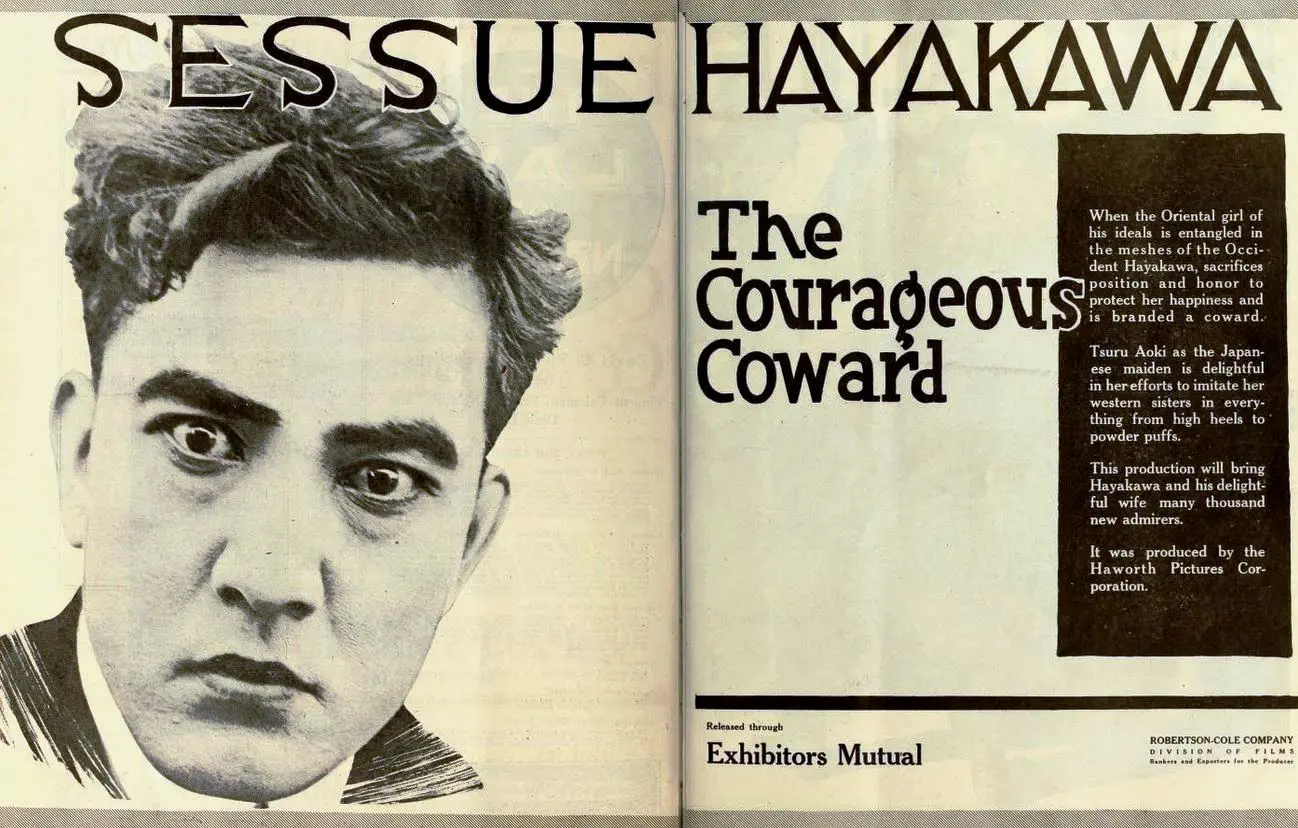
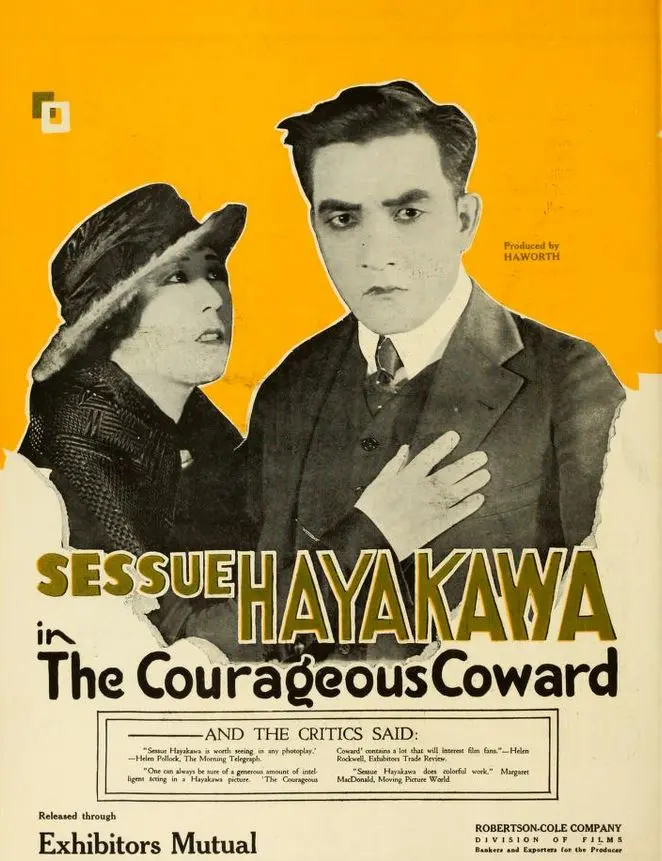
The performances in 'The Courageous Coward' are nothing short of remarkable, particularly from its lead actors. Tsuru Aoki, in particular, shines as Rei Oaki. Her ability to convey a vast spectrum of emotions – from naive innocence to determined transformation, from heartbreak to eventual joy – without uttering a single word, is a testament to her profound talent and the power of silent acting. Her expressive face and nuanced body language tell a story far richer than dialogue ever could. Her collaboration with Sessue Hayakawa (who, despite being listed in the cast, typically worked more closely with Aoki in other films and was a prominent figure of the era, though his specific role here isn't detailed, his influence on these productions was immense), created a dynamic that captivated audiences, making them one of the earliest and most beloved Asian-American screen couples.
Toyo Fujita, as Suki, provides a strong, grounding presence. His portrayal of a man torn between love, duty, and professional integrity is compelling. He masters the art of conveying deep thought and internal struggle through subtle facial expressions and gestures, making Suki's silent suffering and eventual vindication deeply moving. The chemistry between Aoki and Fujita is palpable, forming the emotional bedrock of the film. Their interactions, though wordless, speak volumes about the depth of their affection and the pain of their misunderstanding. The supporting cast, including Francis McDonald as Tom Kirby, also delivers solid performances, each contributing to the rich tapestry of the narrative.
The direction, likely overseen by the studio's visionaries given the era's production methods, demonstrates a sophisticated understanding of visual storytelling. The pacing allows for emotional beats to land effectively, building tension gradually and resolving it with satisfying emotional impact. Cinematography, while perhaps not groundbreaking by today's standards, effectively uses lighting and framing to highlight character emotions and narrative developments. The film's ability to maintain a compelling narrative over its runtime, relying solely on visual cues and intertitles, is a testament to the robust storytelling techniques of the silent era. This craft of visual narrative, where every gesture and expression carries immense weight, is a hallmark of the period, often seen in other intricate silent plots such as The Green Cloak or even the more lighthearted yet equally expressive The Traveling Salesman.
'The Courageous Coward' is more than just a romantic drama; it's a fascinating lens through which to view the early 20th-century immigrant experience, particularly for Japanese-Americans. The film boldly tackles themes of cultural identity, assimilation, and the often-painful process of navigating two distinct worlds. Rei’s attempt to 'Americanize' herself, driven by a desire to please Suki, speaks volumes about the societal pressures of the time. It highlights the delicate balance individuals had to strike between preserving their heritage and adapting to a new cultural landscape. Suki's initial disapproval of Rei's transformation is not necessarily a rejection of 'American' ways, but perhaps a longing for the authentic Rei he fell in love with, underscoring the complexities of intercultural relationships.
Furthermore, the film's exploration of justice, ethics, and public perception remains acutely relevant. Suki's decision to sacrifice his reputation to protect Rei, and his subsequent vindication, serves as a powerful reminder that true courage often lies not in conforming to societal expectations, but in adhering to one's own moral compass, even when it means facing scorn. This nuanced depiction of heroism, where silence and sacrifice are elevated above overt bravado, gives the film a depth that transcends typical melodrama. It’s a story about the quiet heroism of conviction, a theme that resonates deeply and makes the film a compelling study in human nature.
In conclusion, 'The Courageous Coward' is a remarkably insightful and emotionally potent film that deserves a wider audience. It's a testament to the enduring power of silent cinema to convey complex narratives and profound human emotions. The film’s strength lies in its ability to weave together a passionate romance with a gripping legal drama and a thoughtful exploration of cultural identity, all underpinned by exceptional performances from Tsuru Aoki and Toyo Fujita. It challenges the viewer to look beyond superficial judgments and recognize the multifaceted nature of courage, love, and justice.
For those interested in the history of cinema, the evolution of storytelling, or simply a compelling human drama, this film offers a rich and rewarding experience. It reminds us that sometimes, the greatest acts of bravery are not loud declarations, but quiet sacrifices made in the name of love and principle. It’s a silent film that speaks volumes, echoing through the decades with its timeless message of resilience and redemption. One can only hope that future generations will continue to discover and appreciate the profound artistry embedded within such cinematic treasures, ensuring that the courageous heart of this film continues to beat for years to come.
IMDb 8.3
1935
Community
Log in to comment.