DbcultAccessing Vault...
Cult Review
Senior Film Conservator
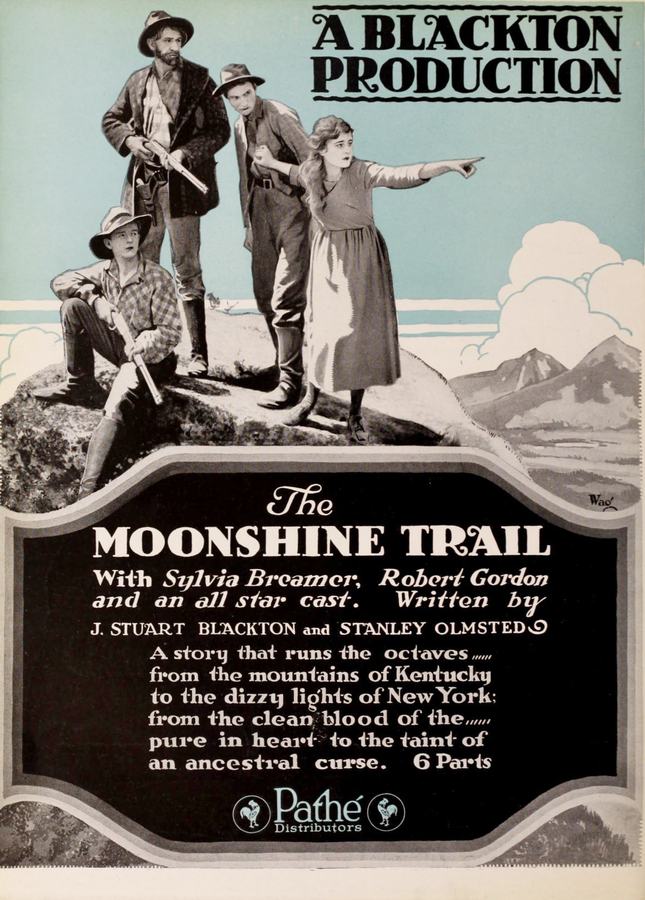
In the annals of early cinema, where flickering images first began to articulate the profound complexities of human experience, J. Stuart Blackton's 1914 drama, The Moonshine Trail, emerges as a captivating, if often overlooked, testament to the era's raw storytelling prowess. This isn't merely a period piece; it's a visceral narrative that plunges its protagonist, Cynthia, into an abyss of rural tragedy before thrusting her into the glittering, yet equally perilous, world of urban ambition. The film, penned by Stanley Olmstead and Blackton himself, masterfully navigates themes of loss, resilience, and the stark dichotomy between a life defined by ancestral feuds and one forged anew amidst the relentless churn of metropolitan commerce.
The opening act of The Moonshine Trail is drenched in a grim realism, depicting a life tethered to the rugged terrain and the clandestine economy of moonshine. Cynthia, portrayed with a remarkable depth of silent expressiveness by Julia Swayne Gordon, inhabits a world where family honor and survival are inextricably linked to illicit stills and age-old vendettas. The film doesn't shy away from depicting the brutal consequences of this existence; the violent demise of her father and two brothers isn't just a plot point, it's a cataclysmic event that rips the fabric of her reality. This initial tragedy, rendered with a stark, almost documentary-like intensity, establishes the emotional bedrock upon which Cynthia's subsequent journey will be built. It’s a powerful, if brief, glimpse into a life of hardship, echoing the societal struggles depicted in other films of the era, though perhaps with a more pronounced sense of intimate, personal devastation.
The transition from the desolate, blood-soaked hills to the bustling, indifferent avenues of New York City is executed with a visual and thematic abruptness that underscores Cynthia's profound dislocation. Accompanied by her grieving mother, she is a refugee from a forgotten war, cast adrift in a labyrinth of towering structures and ceaseless activity. This geographical shift isn't merely a change of scenery; it's a complete reorientation of her existence, a forced metamorphosis from mountain girl to urban survivor. The silent film medium, with its reliance on visual storytelling and intertitles, excels in portraying such stark contrasts, allowing the audience to feel the overwhelming scale of the city through Cynthia's wide, yet resolute, eyes.
Cynthia's entry into the world of high finance, specifically securing a position in the office of a wealthy stockbroker, marks a pivotal turning point. This is where the film truly explores the nascent themes of female agency and social mobility in early 20th-century America. She is no longer merely a victim; she is an active participant, albeit a vulnerable one, in the relentless pursuit of prosperity. The stockbroker, whose attraction to her becomes a central dramatic impetus, embodies the seductive power of wealth and influence. His character, likely portrayed with a blend of charm and underlying possessiveness, creates a fascinating dynamic, echoing the complex power struggles seen in dramas like Her Price, where social standing and personal desire often collide with perilous consequences.
Julia Swayne Gordon's performance as Cynthia is particularly noteworthy. Without the aid of spoken dialogue, her ability to convey the intricate emotional landscape – from the raw grief of her family's loss to the quiet determination of her urban survival, and later, the conflicted emotions stirred by the stockbroker's attentions – is a masterclass in silent film acting. Her gestures, facial expressions, and posture communicate volumes, allowing the audience to deeply empathize with her plight and cheer for her nascent triumphs. One can imagine her subtle shifts in demeanor as she navigates the unfamiliar social codes of the city, a testament to Gordon's nuanced craft. This kind of nuanced portrayal was crucial in an era where character development relied heavily on visual cues, a skill similarly championed in performances by contemporaries in films such as The Third Kiss.
The Moonshine Trail is not just a story of a young woman's journey; it's a profound exploration of several societal themes. The specter of vengeance, though perhaps not overtly pursued by Cynthia, hovers over her past, contrasting sharply with the forward-looking, opportunistic ethos of her new life. Does she seek retribution, or merely a complete severance from the brutal cycle that claimed her family? This moral ambiguity adds layers to her character, making her more than a simple heroine. Furthermore, the film offers a pointed commentary on class disparities, depicting the stark chasm between the impoverished rural existence and the gilded cages of New York's financial elite. Cynthia's ascent, however precarious, highlights the era's fascination with social mobility, a theme that resonates through other contemporary narratives like Big Tremaine, which similarly explores the challenges of navigating new social strata.
The question of identity is central to Cynthia's arc. Who is she now, detached from her roots? Is she defined by her past trauma, or by her present ambition? The stockbroker's attraction, while offering security, also threatens to define her solely through her relationship with a powerful man, rather than her own burgeoning strength. This struggle for self-definition is a powerful undercurrent, making The Moonshine Trail surprisingly modern in its psychological depth. It invites viewers to consider the sacrifices and compromises inherent in escaping one's origins, particularly for women in a society still largely dominated by patriarchal structures.
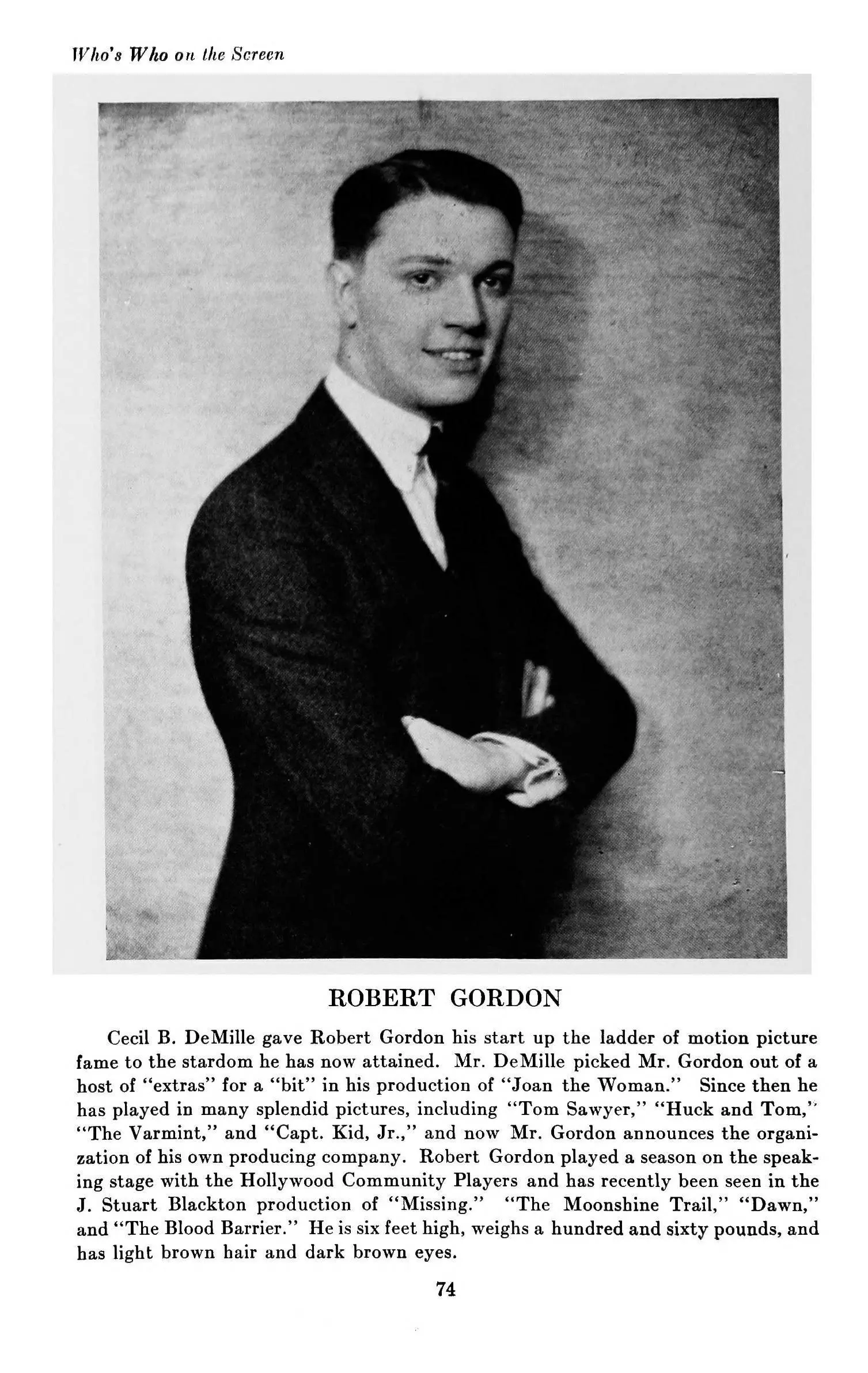
J. Stuart Blackton, a pioneer in early American cinema, directs with a keen eye for dramatic pacing and visual clarity. His experience, evident in earlier works like What Happened to Father, allows him to craft a narrative that, despite the technological limitations of 1914, remains engaging and emotionally resonant. He understood the power of staging and composition to convey meaning, utilizing the nascent language of film to tell a compelling story without relying on elaborate sets or special effects. The narrative unfolds with a directness characteristic of the era, yet it never sacrifices emotional impact.
The supporting cast, though often overshadowed by Gordon's central performance, contributes significantly to the film's texture. Frank Hilton, likely as the stockbroker, would have needed to embody both a compelling authority and a seductive danger, providing a strong foil for Cynthia. Actors like Slim Rube, Fanny Rice, Gus Alexander, Robert Gordon, Van Dyke Brooke, and Sylvia Breamer, among others including Robert Milasch, Jay Strong, Leo Delaney, Margaret Barry, Louis Dean, Charles Stuart Blackton, Violet Virginia Blackton, and Eddie Dunn, would have populated the world, lending authenticity to both the rugged rural scenes and the sophisticated urban environment. Their collective efforts, in the absence of spoken dialogue, relied on exaggerated yet precise body language and facial expressions, a hallmark of early silent film acting that, when done well, could be incredibly powerful. This ensemble work is reminiscent of the collaborative spirit often found in productions like Overalls, where every character, no matter how small, contributed to the overall social tapestry of the film.
The writing by Stanley Olmstead and J. Stuart Blackton is concise yet effective, using intertitles to propel the plot and reveal character motivations without excessive exposition. This economy of storytelling is a strength of silent cinema, demanding that every visual and textual cue carry significant weight. The screenplay deftly establishes the stakes early on and maintains a consistent dramatic tension as Cynthia navigates her new life. The contrast between the initial bloodshed and the more subtle, psychological dangers of the city is handled with a commendable balance, preventing the film from becoming a one-note revenge tale or a simplistic romance. Instead, it maintains a compelling complexity, demonstrating that early narrative films could grapple with nuanced human dilemmas, not unlike the moral quandaries presented in films such as Temptation.
Cinematically, The Moonshine Trail would have employed the prevailing techniques of its time – static camera shots, clear compositions, and editing focused on continuity. However, even within these constraints, Blackton likely used close-ups to emphasize emotional moments, particularly for Julia Swayne Gordon, and wider shots to establish the grandeur of New York or the isolation of the rural setting. The visual language of silent film was rapidly evolving, and Blackton, as an innovator, would have been at the forefront of experimenting with how best to convey atmosphere and character through purely visual means. The depiction of the city, for instance, would have been crucial in conveying both its promise and its potential for anonymity and danger, a recurring motif in urban dramas of the period, much like the sense of adventure and discovery in The Explorer, though with a distinct urban flavor here.
While The Moonshine Trail may not possess the widespread recognition of some of its more famous silent contemporaries, its importance lies in its sophisticated handling of profound human experiences. It showcases the burgeoning power of cinema to tell stories that transcend simple entertainment, delving into the psychological impact of trauma, the complexities of navigating new social landscapes, and the enduring human spirit's capacity for adaptation and resilience. For enthusiasts of silent film, it offers a fascinating glimpse into the formative years of cinematic narrative, demonstrating how early filmmakers grappled with weighty themes using the tools available to them. It stands as a testament to the talent of its cast and crew, particularly Julia Swayne Gordon, whose performance anchors the entire production with grace and conviction.
Comparing it to other films of the era, one can see how it fits into a broader tapestry of American storytelling. The journey from a confined, violent past to an open, uncertain future is a universal trope, but The Moonshine Trail imbues it with a distinct early 20th-century American flavor. It’s a compelling piece of cinematic history, offering a window into the social anxieties and aspirations of a rapidly changing nation. Its narrative of a strong woman forging her path after immense personal loss is particularly resonant, and it serves as a valuable reminder of the diverse stories that emerged from the silent film era. Just as The Call of the North explored themes of rugged individualism and survival in a different setting, The Moonshine Trail offers a parallel narrative of personal fortitude against the backdrop of societal upheaval.
Ultimately, The Moonshine Trail is a film that rewards careful viewing. It’s a testament to the power of non-verbal communication, the art of suggestion, and the enduring appeal of a well-told story. It reminds us that even in cinema's infancy, artists were crafting narratives of immense emotional depth and social relevance, narratives that continue to resonate with audiences who appreciate the profound artistry of the silent screen. Its exploration of moral gray areas, the seductive nature of power, and the sheer will to survive makes it a compelling watch, inviting a deeper appreciation for the foundational works of American cinema, much like the intrigue found in Die Stimme des Toten or the dramatic flair of La Tosca. The journey of Cynthia, from the depths of despair to the precipice of a new life, remains a powerful narrative, cementing The Moonshine Trail as a significant, albeit understated, entry in the canon of early American film.
IMDb 5.5
1924
Community
Log in to comment.