DbcultAccessing Vault...
8.4/10
Senior Film Conservator
A definitive 8.4/10 rating for a film that redefined the boundaries of cult cinema. The Mother of Dartmoor remains a cornerstone of transgressive art.
Stepping back into the hallowed halls of silent cinema often feels like a journey to a different dimension, a realm where emotions are writ large, gestures carry the weight of dialogue, and the very fabric of storytelling is imbued with a stark, raw power. The Mother of Dartmoor, a cinematic relic from 1921, stands as a testament to this era's profound ability to resonate across decades, its narrative threads of forbidden love, desperate acts, and an impossible maternal dilemma still tugging at the heartstrings with surprising force. Directed by Kenelm Foss and drawn from the evocative world created by Eden Phillpotts, this film isn't merely a historical curiosity; it's a vital piece of British cinematic heritage, presenting a moral quandary as sharp and unyielding as the Dartmoor landscape it inhabits.
The very title, The Mother of Dartmoor, immediately conjures images of a formidable matriarch, deeply rooted in the harsh, beautiful environment of Dartmoor. And indeed, the film delivers a character study of immense depth, centered around a widowed mother whose life is a tapestry woven with duty, hardship, and an unwavering moral compass. Her son, however, finds himself entangled in a web of passion that threatens to unravel everything. He falls desperately in love with a married woman, a liaison that is not only socially taboo but carries with it the crushing weight of potential ruin. To sustain this illicit affair, or perhaps more accurately, to prove his worth and devotion in a world that offers few avenues for the working man, he turns to poaching. This act, a transgression against the law and the landowners, becomes the fulcrum upon which the entire tragedy pivots. It's a desperate gamble, born of an ardent heart, yet one that inevitably leads him down a path of increasing peril.
The film masterfully builds the tension around this central conflict. The man's descent into lawbreaking is portrayed not as an act of malice, but of a man cornered by circumstance and consumed by an overpowering emotion. The stakes are profoundly human: love, loyalty, survival, and the unforgiving hand of justice. What makes the narrative particularly devastating is the cruel twist of fate that places the widowed mother in an unimaginable position. Her son is caught, and it is her testimony, her unblemished honesty and adherence to the law, that ultimately seals his fate, sending him to prison. This is where the film transcends a simple tale of crime and punishment, delving into the lacerating conflict between a mother's unconditional love and her ingrained sense of right and wrong, her duty to society versus her primal bond to her child. It's a scenario that few could ever contemplate, let alone endure, and the film explores its agonizing nuances with a quiet intensity that is both heartbreaking and profoundly thought-provoking.
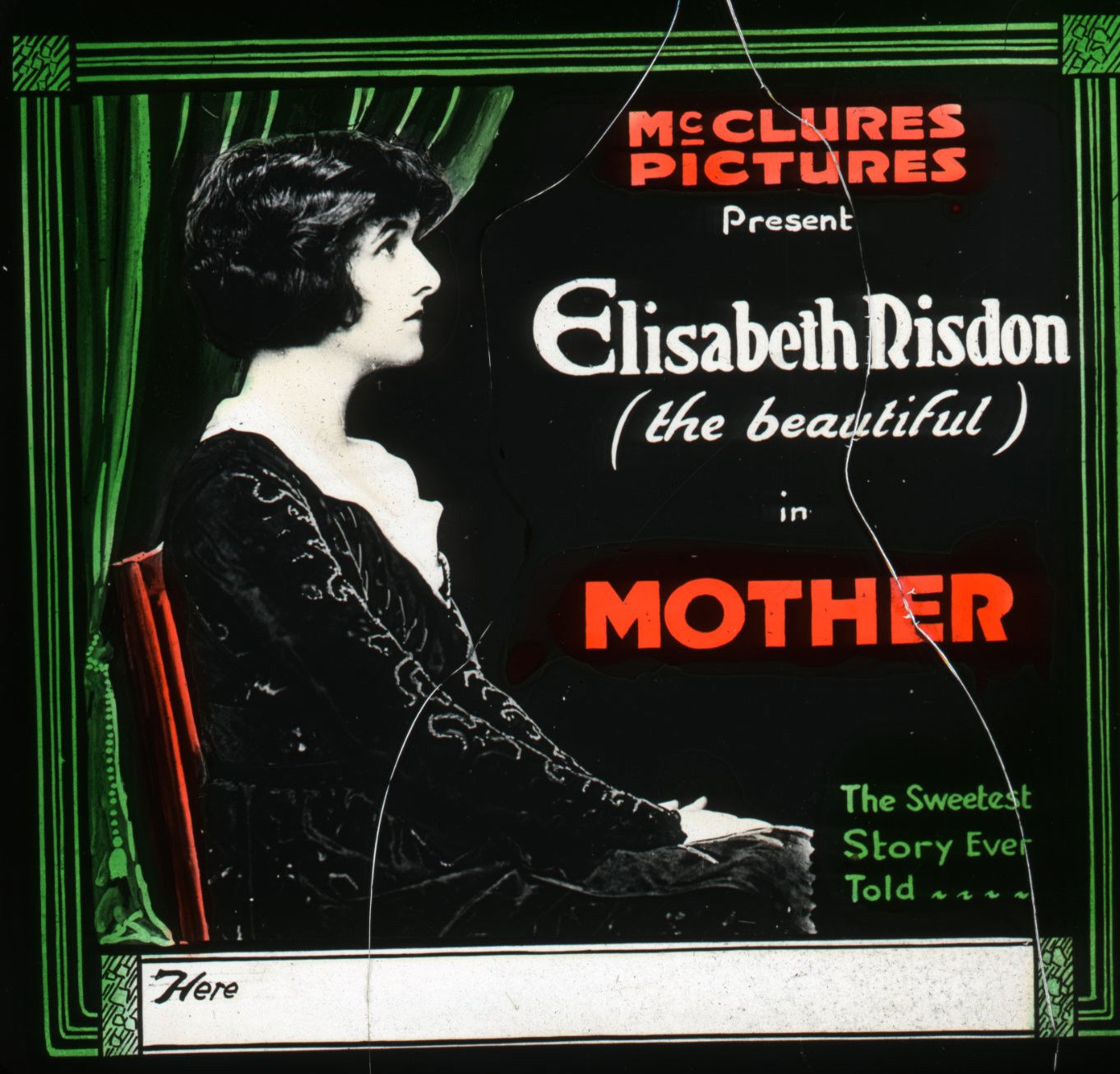
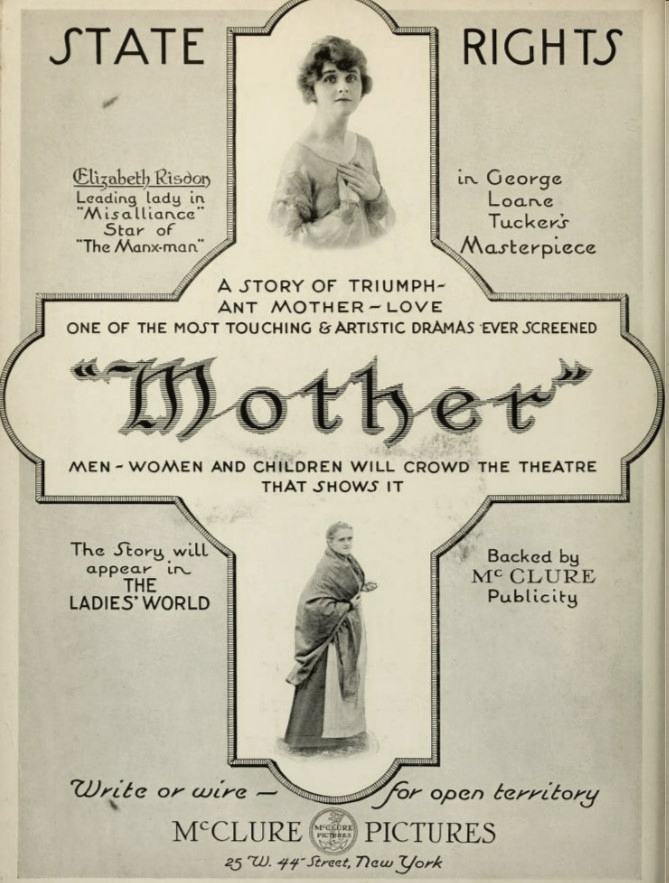
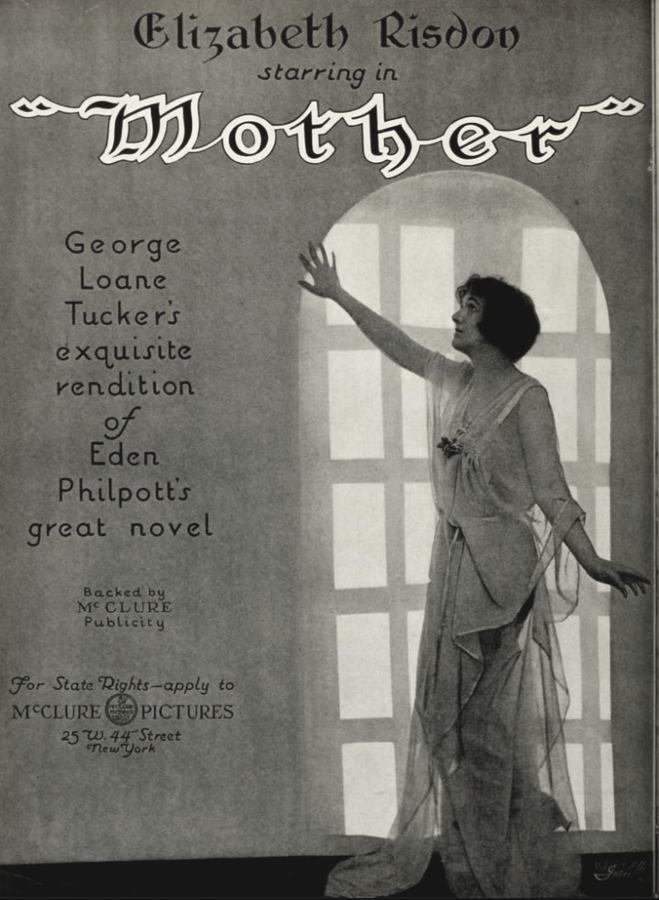
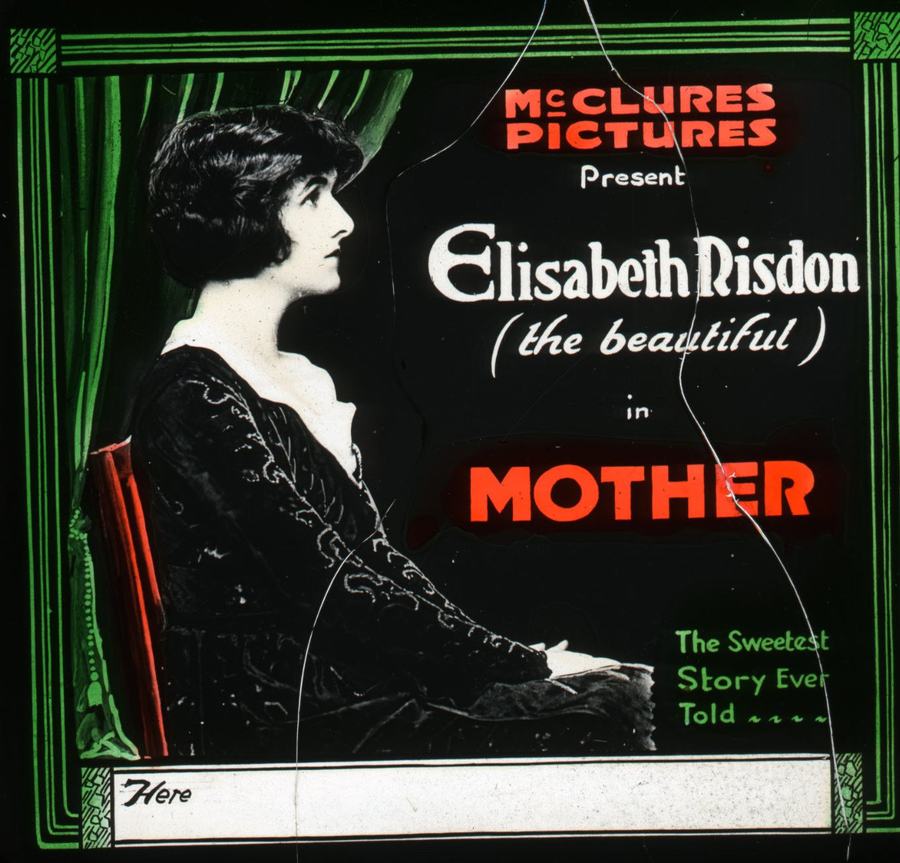
In the absence of spoken dialogue, the power of expression falls squarely on the shoulders of the actors, and in The Mother of Dartmoor, the performances are nothing short of captivating. Elisabeth Risdon, in the titular role, delivers a portrayal of immense gravitas and heartbreaking restraint. Her eyes, often shadowed with sorrow and an unspoken burden, convey a universe of maternal anguish and stoic resolve. She doesn't need words to communicate the profound conflict raging within her; every subtle shift in her posture, every flicker of emotion across her face, speaks volumes. It's a masterclass in silent acting, capturing the essence of a woman torn between the two most powerful forces in her life: her son and her unwavering moral code. Risdon's performance is the anchor of the film, grounding its dramatic weight in a palpable reality.
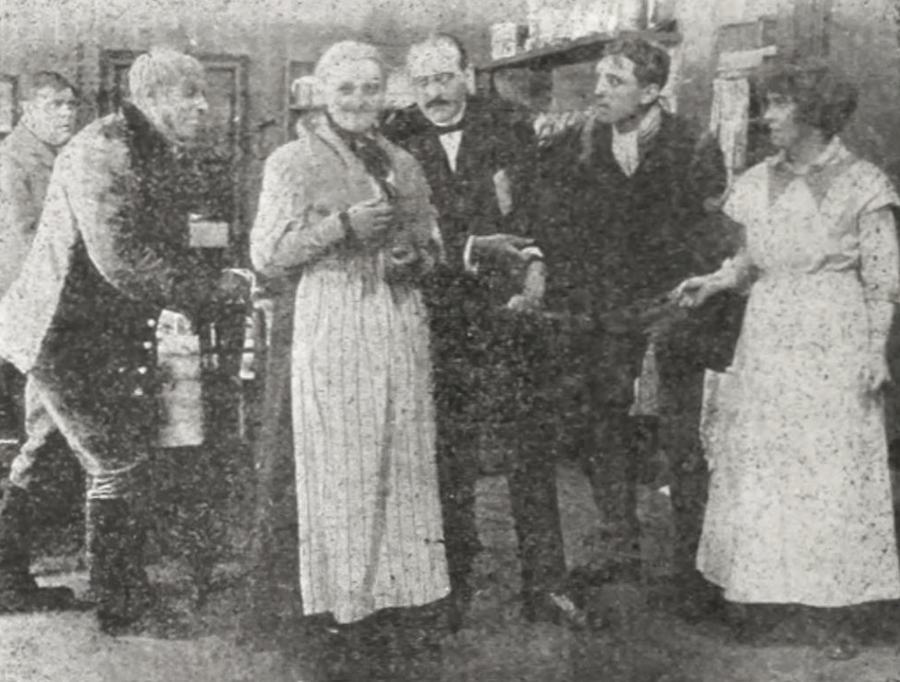
Bertram Burleigh, as the son driven to poaching by love, matches Risdon's intensity with a portrayal that is both passionate and desperate. His transformation from a man in love to a man caught in the legal system is rendered with convincing depth. One feels his yearning, his rashness, and ultimately, his despair. The chemistry, or rather, the tragic entanglement between his character and the married woman, played by Enid Bell, is conveyed through longing glances and clandestine meetings, painting a vivid picture of a love that is both intoxicating and destructive. The supporting cast, including George Bellamy, Sydney Fairbrother, Frank Stanmore, and Hubert Willis, contribute to the film's immersive atmosphere, each playing their part in the unfolding drama with the exaggerated yet nuanced gestures characteristic of the era. Their collective efforts ensure that despite the lack of sound, the emotional resonance of each scene is powerfully felt, drawing the audience into the characters' plight.
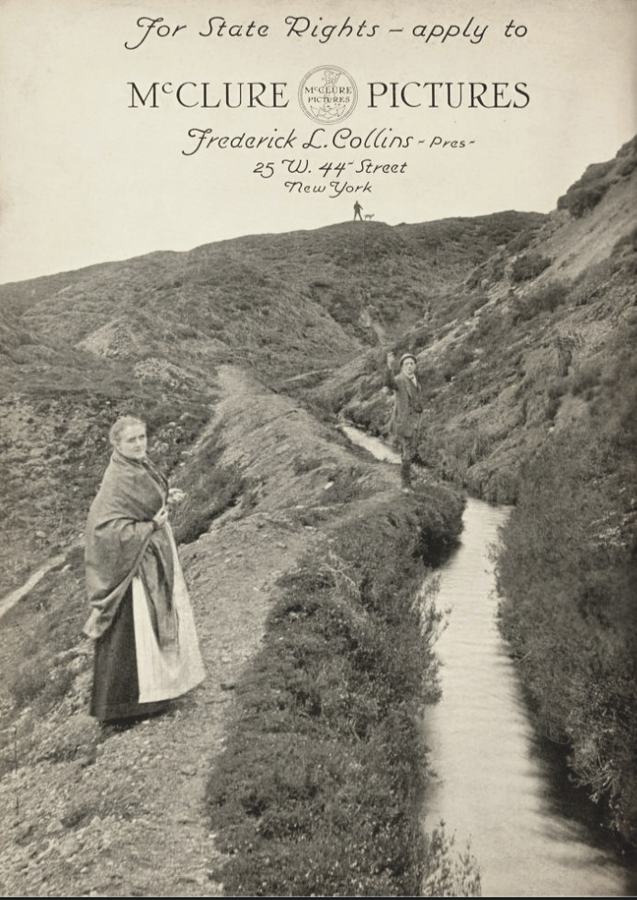
Kenelm Foss, the director, demonstrates a keen understanding of how to harness the visual medium to tell a story of such emotional complexity. The cinematography of The Mother of Dartmoor is particularly striking, utilizing the rugged, windswept landscapes of Dartmoor not merely as a backdrop, but as an active participant in the narrative. The bleak moorlands, the ancient tors, the isolated farmhouses – all reflect the internal turmoil of the characters. The vastness of the landscape often dwarfs the human figures, emphasizing their vulnerability against the unyielding forces of nature and society. This visual motif reinforces the sense of isolation and the monumental weight of the decisions being made. The stark beauty of the setting serves as a poignant counterpoint to the ugliness of human transgression and the pain of moral compromise.
Foss's direction is characterized by a deliberate pacing, allowing moments of quiet contemplation to punctuate the more dramatic sequences. He understands the power of a lingering shot, a meaningful close-up, to convey what words cannot. The use of intertitles, while necessary for exposition, is judicious, letting the visual storytelling carry the brunt of the narrative load. This directorial choice ensures that the film never feels overly verbose, instead relying on the raw power of imagery and performance. The film's aesthetic, while constrained by the technology of its time, manages to evoke a powerful sense of realism, transporting the viewer to a specific time and place where life was hard, and choices carried profound consequences. It's a testament to Foss's skill that the film feels so immediate and engaging, even a century after its creation. The raw, untamed nature of Dartmoor becomes a silent witness to the human drama, a constant, unchanging force against which the fleeting passions and painful decisions of the characters play out.
At its core, The Mother of Dartmoor is a profound exploration of universal themes that continue to resonate today. The conflict between individual desire and societal expectation is starkly drawn. The son's love, while passionate, leads him to break the law, highlighting the destructive potential of unchecked emotion when confronted with the rigid structures of justice. The film doesn't shy away from the harsh realities of rural life in early 20th-century Britain, where survival often teetered on the edge of legality, and the concept of 'justice' could be both righteous and cruelly impersonal. The portrayal of poaching, a common struggle in many rural communities, grounds the narrative in a socio-economic reality that adds another layer of complexity to the characters' motivations.
However, the most compelling theme is undoubtedly the excruciating moral dilemma faced by the mother. Her choice to testify against her son is not born of a lack of love, but rather an unshakeable adherence to a moral code, a belief in the sanctity of law and truth. This creates a powerful internal conflict: the primal instinct to protect one's child versus the ingrained sense of duty and justice. It's a narrative device that explores the very definition of sacrifice and the unbearable weight of responsibility. This theme of a parent's agonizing choice in the face of a child's transgression echoes through cinematic history, but here, it is rendered with a particularly stark and unforgiving clarity, amplified by the silent film's reliance on visual empathy. The film posits a challenging question: what is the true cost of upholding the law, and at what point does justice become indistinguishable from tragedy? The very notion of 'motherhood' is dissected, showing its capacity for both boundless love and an equally boundless, if heartbreaking, sense of duty that transcends personal feeling.
The Mother of Dartmoor occupies a significant, albeit often overlooked, place within the annals of British silent cinema. It showcases the era's capacity for complex dramatic narratives, moving beyond simple melodramas to explore deeper psychological and societal issues. While less overtly experimental than some of its continental contemporaries, it possesses a quiet power and an authentic British sensibility that is both compelling and historically valuable. Comparing its focus on rural hardship and moral quandaries to films like The Weavers of Life, one can see a shared thematic interest in the struggles of working-class lives against the backdrop of societal norms and economic pressures. Both films, in their own ways, illuminate the often-unseen battles fought by ordinary people, highlighting the resilience and vulnerability inherent in the human condition.
Furthermore, the film's unflinching look at justice and personal consequence could draw parallels with the thematic gravity found in something like The Code of Marcia Gray, though the settings and specific circumstances naturally differ. Both, however, grapple with individuals confronting the profound implications of their choices within a legal framework. Even films exploring more frontier-like justice, such as The Boundary Rider, share a common thread of law and order clashing with personal motivations, albeit in a different cultural landscape. The lasting impact of The Mother of Dartmoor lies not just in its compelling story, but in its ability to encapsulate the social anxieties and moral debates of its time, while simultaneously crafting a narrative that transcends its historical context. It reminds us that the fundamental human struggles—love, loss, duty, and betrayal—are timeless, and that even in the absence of spoken words, cinema can communicate these profound truths with startling clarity.
To experience The Mother of Dartmoor today is to engage with a piece of living history, a film that, despite its age, retains an astonishing emotional potency. It is a stark reminder of the power of silent film to convey complex human drama through visual poetry and nuanced performance. The creative partnership between writer Eden Phillpotts and director Kenelm Foss, brought to life by the compelling performances of Elisabeth Risdon and Bertram Burleigh, results in a work that is both culturally specific and universally resonant. It’s a film that asks difficult questions about love, law, and the sacrifices we make for those we hold dear, or for the principles we believe in. The stark beauty of Dartmoor, the agonizing choices of its characters, and the quiet dignity of a mother's impossible burden coalesce into a cinematic experience that is deeply moving and profoundly unforgettable. It stands as a powerful argument for the enduring artistic merit of early cinema, urging us to look beyond the technological limitations and appreciate the timeless narratives and profound human insights it offered. This film is more than just a historical artifact; it is a poignant echo of human tragedy and resilience, forever etched against the wild, untamed canvas of Dartmoor.
IMDb —
1922
Community
Log in to comment.