DbcultAccessing Vault...
Cult Review
Senior Film Conservator
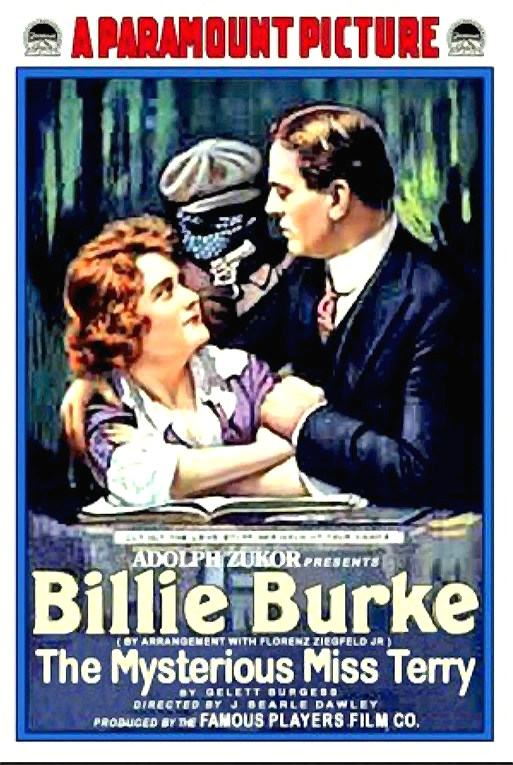
Stepping back into the hallowed halls of early cinema, one often encounters narratives that, despite their age, resonate with an astonishing contemporary relevance. The Mysterious Miss Terry, a delightful silent film from 1914, is a prime example of such enduring charm and thematic depth. Directed by J. Searle Dawley and penned by Gelett Burgess, this picture isn't merely a relic; it's a vibrant, witty exploration of identity, social class, and the elusive quest for genuine affection, all brought to life by the incandescent Billie Burke. It’s a testament to the power of visual storytelling, proving that even without spoken dialogue, a film can convey profound human truths with grace and humor.
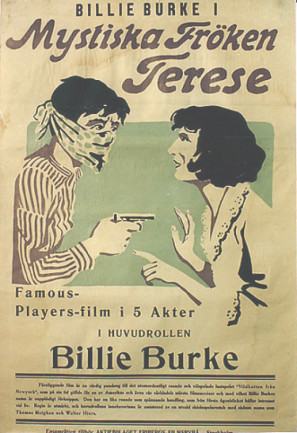
The premise itself is an ingenious setup for social commentary wrapped in a romantic comedy. Our protagonist, Helen Wentworth, is a woman trapped by the very opulence meant to define her. The idle rich, she discovers, are often just that – idle, and profoundly bored. Her solution? A radical act of self-reinvention. Helen orchestrates a theatrical 'robbery' of her own family home, not out of malice, but as a deliberate shedding of her gilded cage. She adopts the persona of 'Miss Terry,' a woman of seemingly modest means, thereby casting off the shackles of her inherited status to seek a more authentic existence. This audacious move immediately establishes her as a character of formidable agency and playful subversion, a woman who refuses to be defined by her birthright alone.
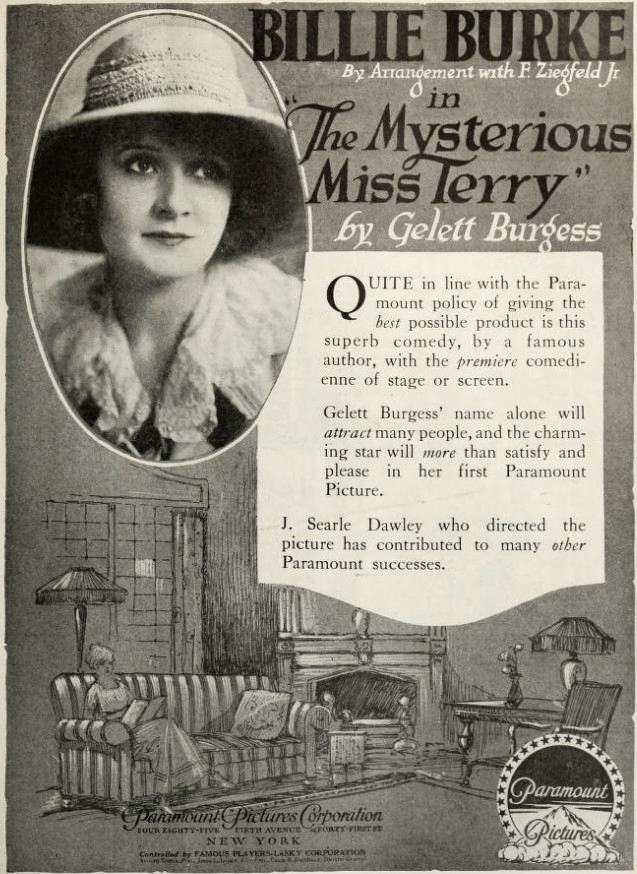
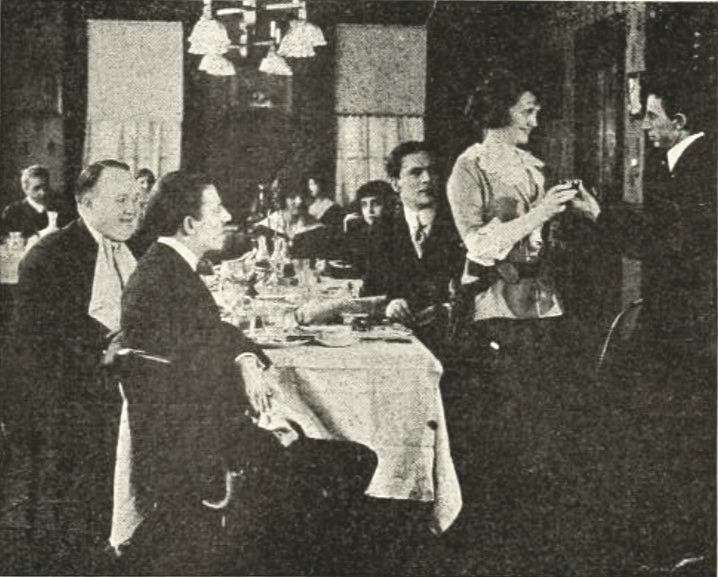
The boardinghouse becomes her stage, a microcosm of society far removed from the lavish ballrooms she once frequented. Here, among the quotidian rhythms of everyday life, Miss Terry finds her proving ground. It’s a brilliant narrative device, allowing the film to contrast the superficiality of high society with the raw, unvarnished interactions of ordinary people striving to make their way. She encounters three bachelors, each representing a different facet of conventional masculinity and societal ambition: Freddie Bollen, the pragmatic hardware clerk; John Quig, the somewhat more conventional ribbon clerk; and Gordon True, the earnest, struggling young author. Miss Terry, with a glint in her eye and a mischievous spirit, embarks on a delightful, often humorous, examination of their characters, seeking to discern true worth beyond material prospects or social graces.
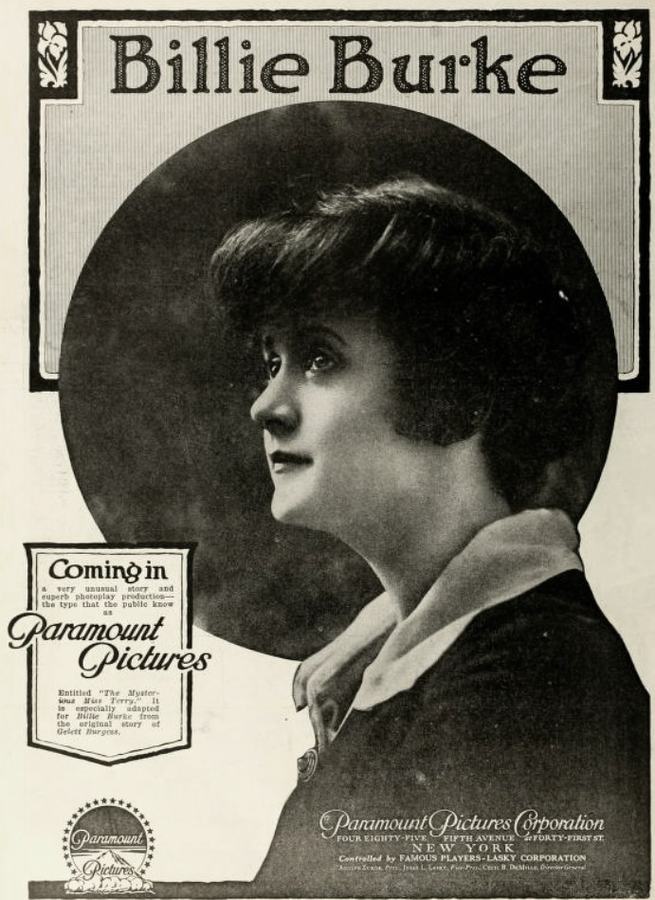
The casting of Billie Burke as Helen Wentworth/Miss Terry is nothing short of inspired. Burke, even in this relatively early stage of her career, possessed an undeniable charisma and a natural effervescence that transcends the silent medium. Her ability to convey a complex range of emotions – from playful flirtation to genuine introspection, from mischievous cunning to heartfelt sincerity – without the benefit of spoken words is truly remarkable. She uses her expressive eyes, her elegant posture, and her subtle gestures to paint a vivid portrait of a woman who is both sophisticated and down-to-earth, a socialite yearning for substance. Her performance is the beating heart of the film, anchoring its more whimsical elements with a palpable sense of human longing.
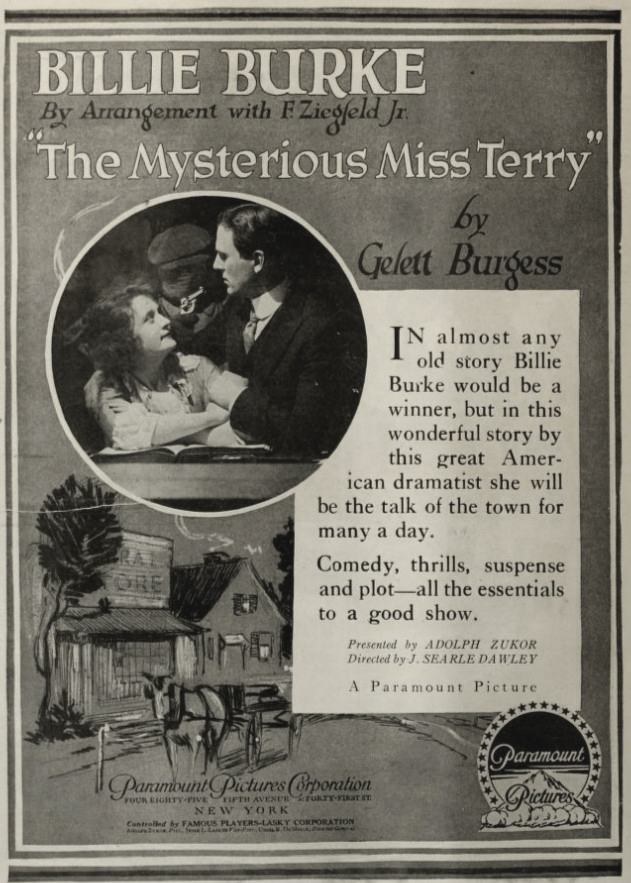
As Miss Terry navigates her new surroundings, she engages in a series of subtle tests, observing how each man responds to her, not as the wealthy Helen Wentworth, but as a woman of uncertain means. Freddie Bollen, played by Walter Hiers, offers a dependable, if somewhat unimaginative, practicality. John Quig, portrayed by Gerald Oliver Smith, embodies a certain conventional charm, perhaps more concerned with appearances. But it is Gordon True, brought to life by Thomas Meighan, who captures her discerning eye. True’s earnestness, his intellectual ambition, and his genuine appreciation for character over social standing set him apart. He sees beyond the surface, connecting with Miss Terry on a deeper, more authentic level. His struggle as an author, far from being a deterrent, becomes an asset, signaling a man driven by passion and integrity rather than inherited wealth or social climbing.
The narrative builds towards the inevitable, yet still satisfying, revelation. When Miss Terry finally sheds her elaborate masquerade and reveals herself to be the wealthy Helen Wentworth, the dramatic tension is palpable. How will True react to this deception? Will he feel betrayed, or will he understand the profound reason behind her elaborate charade? The film’s resolution is a testament to the sincerity of True’s love. He accepts her, not for her wealth, but for the woman he came to know and admire at the boardinghouse. Their union, sealed not by social convention but by genuine affection, becomes a powerful affirmation of the film's central thesis: true love transcends artificial boundaries. The subsequent publication of True's book, aided by Helen's resources, symbolizes the harmonious merging of their worlds – her wealth now serving a purpose beyond mere indulgence, his talent finally given the platform it deserves.
Thematic explorations within The Mysterious Miss Terry are surprisingly rich and multifaceted for a film of its era. At its core, it's a profound meditation on identity. Helen Wentworth isn't just faking poverty; she's actively exploring different facets of herself, questioning whether her true self is defined by her birthright or by the choices she makes and the experiences she seeks out. The film suggests that perhaps one can be more authentically oneself when stripped of the privileges and expectations that come with status. This theme of identity performance, of playing a role to uncover a deeper truth, resonates strongly even today in an age of curated online personas.
Furthermore, the film offers a subtle yet incisive critique of social class. The ennui of the idle rich is presented as a kind of gilded prison, prompting Helen to seek meaning in the world of the less privileged. It's not a condemnation of wealth itself, but rather a questioning of the values and priorities it can engender. By immersing herself in a different stratum of society, Helen discovers that genuine connection, hard work, and intellectual pursuits offer a far more satisfying existence than endless leisure. This mirrors a sentiment found in other films of the period that explored societal divides and the search for meaning beyond material gain.
The concept of female agency is another compelling aspect. Helen Wentworth is not a damsel in distress; she is an architect of her own destiny. She initiates the entire charade, she tests her suitors, and she ultimately chooses her partner based on her own careful observations and desires. This portrayal of a woman actively shaping her life, rather than passively waiting for a suitor or succumbing to societal pressures, was remarkably progressive for 1914. It speaks to a nascent feminism in early cinema, where strong female characters were beginning to challenge traditional roles, albeit often within the confines of romantic narratives.
J. Searle Dawley’s direction is commendable, especially considering the technical limitations of early silent film. He maintains a brisk pace, ensuring the narrative never drags, and utilizes intertitles effectively to convey dialogue and crucial plot points without disrupting the visual flow. The cinematography, while simple by modern standards, is clear and allows Billie Burke’s expressive face to dominate the screen. The film’s production design, particularly the contrast between Helen’s opulent home and the humble boardinghouse, visually reinforces the thematic divide between her two lives.
The screenplay by Gelett Burgess, a writer known for his witty and often whimsical style, is sharp and intelligent. The dialogue, though conveyed through intertitles, sparkles with a subtle humor and an understanding of human nature. Burgess crafts a story that is not only entertaining but also thought-provoking, avoiding simplistic tropes in favor of a more nuanced exploration of character and motivation. His collaboration with Dawley creates a cohesive vision that feels both charmingly old-fashioned and remarkably sophisticated.
Comparing The Mysterious Miss Terry to other films of its period, one can see it fits comfortably within a genre of romantic comedies that often used mistaken identity or social maneuvering as a plot device to explore deeper themes. While specific plot comparisons to films like A Modern Magdalen or The Bitter Truth would require a deeper dive into their specific narratives, it shares a common thread with many early 20th-century stories that delighted in exploring the fluidity of social roles and the human heart's capacity for genuine connection regardless of external circumstances. It stands as a charming precursor to later screwball comedies, showcasing a similar blend of wit, romance, and social observation.
In conclusion, The Mysterious Miss Terry is far more than just a historical curiosity. It is a vibrant, engaging film that continues to captivate with its clever premise, its delightful performances – particularly Billie Burke’s radiant portrayal – and its enduring themes. It reminds us that authenticity is a commodity worth seeking, that love can blossom in the most unexpected places, and that sometimes, to truly find oneself, one must first lose oneself in a carefully constructed deception. For silent film enthusiasts and newcomers alike, this picture offers a refreshing glimpse into the ingenuity and emotional resonance of early cinema, proving that a well-told story, even without a single spoken word, can echo across the decades with surprising clarity and warmth. It’s a compelling argument for revisiting the silent era, where narrative invention and visual artistry often compensate for the absence of sound with a unique and potent charm.
IMDb 6.8
1928
Community
Log in to comment.