DbcultAccessing Vault...
6/10
Senior Film Conservator
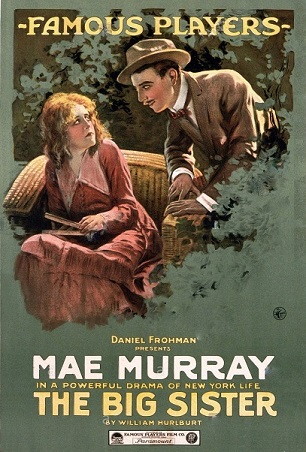
A definitive 6/10 rating for a film that redefined the boundaries of cult cinema. The Big Sister remains a cornerstone of transgressive art.
There's a raw, visceral power to the silent films of yesteryear, a unique ability to convey profound human emotion through gesture, expression, and the sheer force of narrative. Among these cinematic relics, 'The Big Sister' emerges as a poignant testament to sacrifice, resilience, and the relentless pursuit of happiness against insurmountable odds. This 1916 drama, penned by William Hurlbut and Harvey F. Thew, and brought to vivid life by a cast led by the magnetic Mae Murray, plunges us into the grimy depths of urban poverty, only to lift us towards the tantalizing prospect of redemption, before snatching it away with the cruel hand of fate and societal prejudice. It's a journey fraught with peril, where every glimmer of hope is shadowed by the looming threat of past transgressions and present malevolence. The film, in its stark portrayal of a young woman's struggle, speaks volumes about the societal constraints and moral quandaries prevalent in its era, yet its core themes remain startlingly relevant even in our contemporary landscape. It reminds us that the human spirit, when pushed to its limits, can display an astonishing capacity for both enduring hardship and extending unconditional love. The narrative, while steeped in the melodramatic conventions of its time, skillfully navigates the treacherous waters of social class, personal integrity, and the enduring power of familial bonds, making it a compelling watch for anyone interested in the foundational narratives of early cinema.
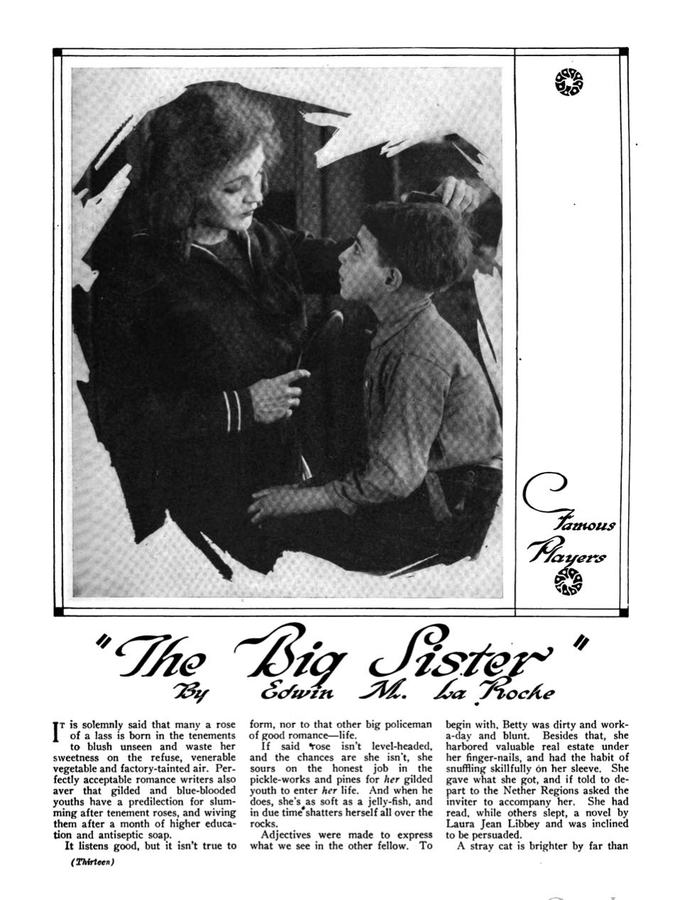
At the pulsating heart of this narrative stands Betty, portrayed with an affecting blend of vulnerability and fierce determination by Mae Murray. From the outset, Betty's life is painted in shades of grey, a stark existence in the squalid slums where survival is a daily battle and hope a fleeting luxury. Her primary anchor, her unwavering purpose, is her younger brother, Jimmy. Their bond is the sole beacon in a world seemingly designed to crush them. The initial injustice that befalls their family – the wrongful imprisonment of their father on trumped-up charges orchestrated by the nefarious 'Nifty' Mendez – serves as the catalyst for Betty's arduous journey. Mendez isn't merely an antagonist; he's a personification of the systemic malevolence that preys on the vulnerable, his sinister machinations driven by a desire to exploit Betty for his own nefarious ends. This early plot point immediately establishes the film's thematic bedrock: the stark contrast between innocence and corruption, and the relentless struggle of the individual against an oppressive, often invisible, societal machinery. Betty's decision to flee the city with Jimmy isn't just an act of desperation; it's a testament to her indomitable spirit, a refusal to succumb to the predetermined fate laid out for her by Mendez and the unforgiving environment of the slums. Her flight symbolizes a yearning for agency, a desperate reach for a life unmarred by the shadows of her past. In this regard, one might draw parallels to the protagonist's desperate flight from past entanglements in Sins of the Parents, where societal judgment and moral burdens likewise propel characters into new, uncertain futures.
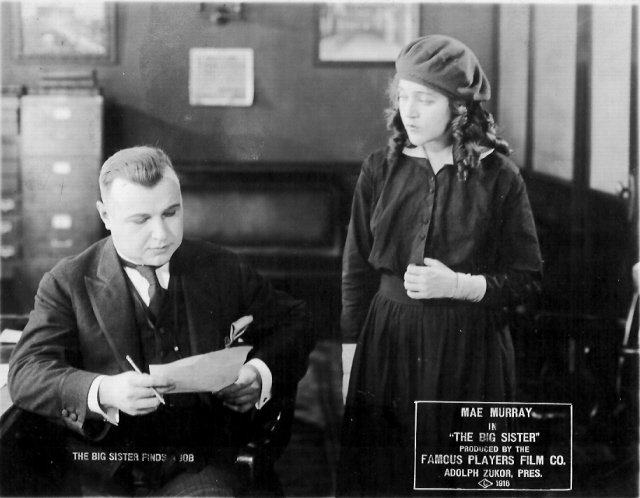
The narrative's pivotal turning point arrives with a sudden, jarring incident: Jimmy's unfortunate encounter with Rodney Channing's motor car. While the injury is not severe, it necessitates a period of recuperation within the lavish confines of Channing's home. This accidental intrusion into a world of privilege and comfort provides Betty with a stark contrast to her previous existence. The gilded cages of the wealthy, once an abstract concept, become her temporary reality. It is here, amidst this unexpected sanctuary, that a tender romance blossoms between Betty and Rodney. Their connection transcends the rigid boundaries of social class, growing organically from shared concern and nascent admiration. For Betty, Rodney represents not just love, but a tangible escape from the poverty and despair that have defined her life. His affection offers a promise of stability, security, and a future untainted by the specter of Mendez. This period of burgeoning happiness is portrayed with a delicate touch, emphasizing the transformative power of love and the almost fairytale-like quality of Betty's newfound circumstances. She finds herself in a position that, just weeks prior, would have seemed utterly inconceivable, a testament to the unpredictable twists of fate. This sudden elevation into a world of comfort and affection, only to be threatened by past shadows, is a recurring trope in melodramas, echoing the dramatic shifts in fortune seen in films like The Iron Strain, where characters frequently navigate the chasm between their humble origins and newfound, often precarious, prosperity. The film masterfully builds this sense of fragile contentment, making the subsequent fall all the more impactful.
Just as Betty begins to truly embrace her happiness, the past, like a malevolent specter, reasserts its claim. A seemingly innocuous newspaper announcement, coupled with the relentless machinations of 'Nifty' Mendez, shatters her fragile peace. Mendez, having tracked her down, re-enters her life with a vengeance, his presence a dark cloud threatening to extinguish the light she has found. The crux of his blackmail lies in the revelation of her father's unjust imprisonment – a truth Betty desperately fears will alienate Rodney and unravel her new life. The fear of societal judgment, of being perceived as 'tainted' by her family's unfortunate circumstances, paralyzes her. This internal conflict is exquisitely rendered, highlighting the immense pressure placed upon women in that era to maintain an unblemished reputation, especially when aspiring to higher social circles. In a heart-wrenching act of self-sacrifice, Betty surrenders the pearl necklace Rodney had gifted her – a symbol of their love and her newfound status – to Mendez, a desperate attempt to buy his silence and protect Rodney from her perceived shame. She then makes the agonizing decision to abandon the wonderful home and the man she loves, choosing to bear her burden in solitude rather than risk tainting him with her past. This profound act of self-effacement, driven by a misguided sense of protection and the pervasive social stigma of the time, resonates deeply. It's a testament to the emotional complexities that silent film, through powerful performances, could convey without uttering a single word. Her departure, however, is not an act of weakness, but a profound demonstration of love and a tragically flawed understanding of true partnership. The weight of her secret, much like the hidden truths in Should a Woman Tell?, becomes an unbearable burden, forcing her into an impossible choice.
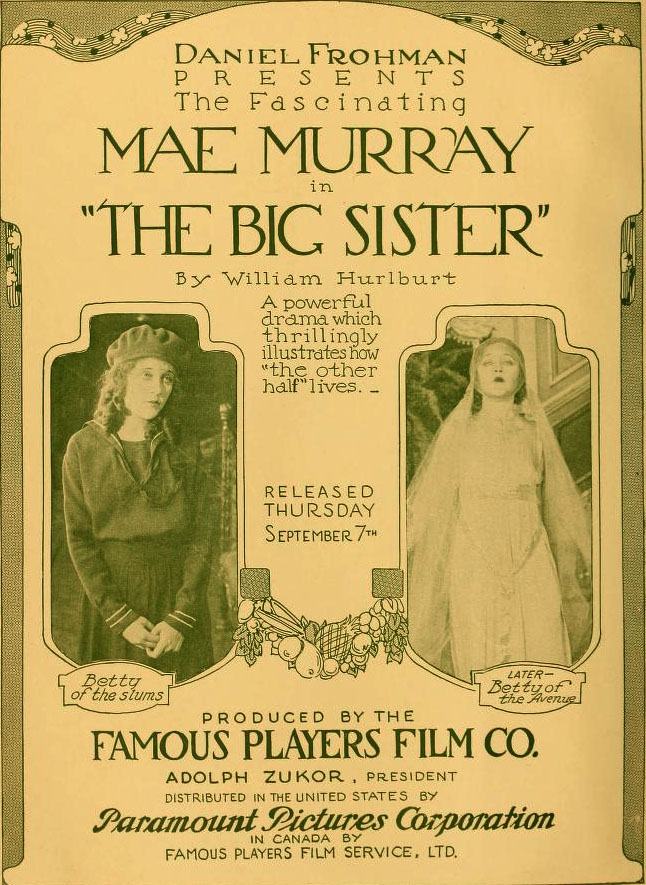
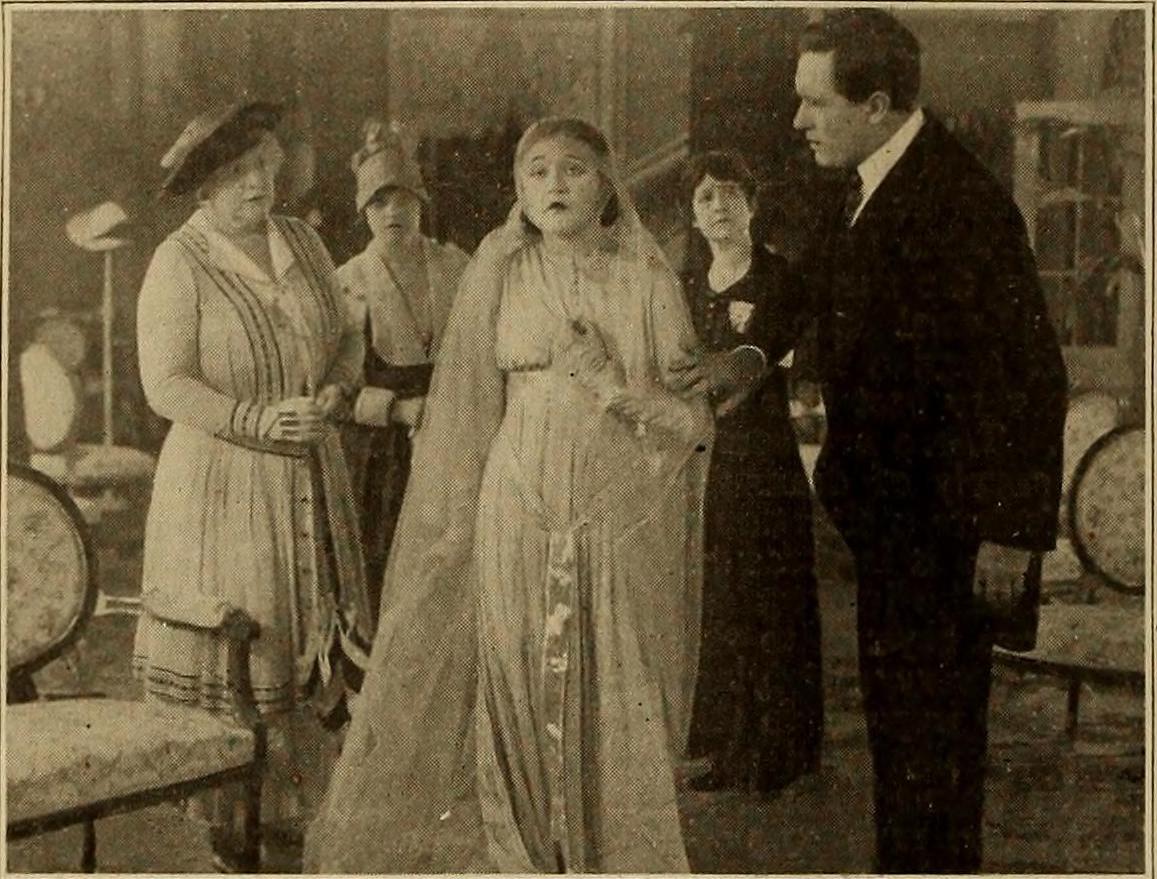
As days turn into weeks, the narrative masterfully sets the stage for its climactic resolution. Rodney, heartbroken and bewildered by Betty's sudden disappearance, is left to grapple with her inexplicable abandonment. Meanwhile, life, as it always does, continues its inexorable march. Preparations for his cousin's wedding are underway, necessitating a visit to a modiste's shop in search of the perfect bridal gown. It is here, in a wonderfully orchestrated stroke of dramatic irony, that fate intervenes once more. Rodney, accompanying the bride-to-be, steps into the shop, only to find Betty, not as his lost love, but as the model gracefully displaying the very wedding gown his cousin intends to wear. This moment of recognition is charged with unspoken emotion, a powerful tableau of longing, regret, and the sudden, overwhelming surge of understanding. The contrast between Betty's elegant, professional demeanor as a model and her inner turmoil, her past struggles, and her enduring love for Rodney, creates a deeply moving scene. It is in this unexpected reunion that the truth begins to unravel, where the layers of sacrifice and misunderstanding are peeled back. The visual poetry of this scene, a silent film's strength, would have been particularly impactful, relying on the actors' nuanced expressions to convey the weight of their shared history and the hope for a future rekindled. This kind of dramatic reveal, where characters are brought together by an improbable twist of fate, is a hallmark of the era's storytelling, often used to resolve complex emotional entanglements, much like the climactic confrontations found in The Ring and the Man, where crucial truths are unveiled under unexpected circumstances.
Mae Murray, in the titular role of Betty, delivers a performance that transcends the limitations of the silent screen, imbuing her character with a depth and emotional resonance that captivates. Her expressive eyes and graceful movements convey Betty's journey from gritty determination to tender romance, and then to heart-wrenching sacrifice, with remarkable conviction. Murray, known for her vivacious screen presence and often dubbed 'The Girl with the Bee-Stung Lips,' proves her dramatic chops here, navigating the character's complex emotional landscape with an authenticity that makes Betty's plight profoundly empathetic. Her portrayal of a woman caught between her past and her yearning for a brighter future is a masterclass in non-verbal communication, a testament to the power of pure acting. Joseph Gleason as Rodney Channing provides a compelling counterpoint, embodying the earnest, well-meaning suitor whose world is turned upside down by Betty's sudden departure. His confusion and eventual understanding are portrayed with a quiet dignity, making his character a sympathetic figure rather than merely a plot device. Armand Cortes as 'Nifty' Mendez, while perhaps a more archetypal villain of the era, nonetheless projects a suitably menacing presence, ensuring that his malevolence feels like a genuine threat. The supporting cast, though perhaps less prominent, contributes effectively to the overall fabric of the narrative, grounding the melodrama in a sense of lived reality. The chemistry between Murray and Gleason is palpable, making their romance feel genuine and their separation all the more tragic. This kind of robust character work, even in the absence of dialogue, is what elevates films like The Big Sister above mere melodrama, positioning them as powerful commentaries on the human condition. Murray's ability to command the screen, much like other leading ladies of the era in films such as The Yankee Girl, underscores the burgeoning star system and the profound impact a single performer could have on an audience.
Beyond its engaging plot and strong performances, 'The Big Sister' resonates with several timeless themes. The most prominent is undoubtedly the theme of sacrifice, particularly as it pertains to women. Betty's willingness to give up her happiness for the perceived protection of her loved ones speaks volumes about the societal expectations and pressures placed upon women during the early 20th century. Her fear of social stigma, of being 'unworthy' due to her father's criminal record, highlights the rigid class structures and moralistic judgments prevalent in society. The film also delves into the stark realities of class disparity, contrasting the abject poverty of the slums with the opulent world of the Channing estate. This visual and thematic juxtaposition serves to underscore the vast chasm between the 'haves' and the 'have-nots,' and the seemingly insurmountable barriers that separated them. The underlying message, however, is one of hope: that love and genuine connection can, at least temporarily, transcend these artificial divisions. The film's exploration of justice, or rather, injustice, through the wrongful imprisonment of Betty's father, also adds a layer of social commentary, questioning the fairness of the legal system and the ease with which the vulnerable can be exploited. In its portrayal of enduring hardship and the search for redemption, it shares thematic commonalities with films like Souls Enchained, which similarly explore characters grappling with societal constraints and personal demons. Furthermore, the film's melodramatic twists and turns, while characteristic of the era, are executed with a sincerity that prevents them from descending into mere theatricality. Instead, they serve to heighten the emotional stakes and keep the audience invested in Betty's tumultuous journey. The film, in its quiet way, reflects a period of significant social change, where traditional values clashed with burgeoning modern sensibilities, and where the power of individual agency was slowly beginning to assert itself against established norms. Its legacy lies not just in its entertainment value, but in its capacity to offer a window into the moral and social fabric of its time, while still touching upon universal human experiences.
In conclusion, 'The Big Sister' stands as a compelling example of early cinema's capacity for intricate storytelling and profound emotional impact. It is a narrative that, despite its century-old vintage, retains a surprising freshness, largely due to its potent themes and the compelling performance of Mae Murray. The film’s journey from the grim realities of the slums to the opulent world of high society, punctuated by moments of tender romance and crushing heartbreak, speaks to the universal human experience of striving for a better life. The plot’s intricate dance of fate, malice, and serendipity ensures that the audience remains captivated, eagerly anticipating each twist and turn. It reminds us that appearances can be deceiving, that love can blossom in the most unexpected places, and that true character is often forged in the crucible of adversity. The eventual reunion in the modiste's shop, while overtly dramatic, offers a satisfying resolution that underscores the enduring power of truth and genuine affection. For those keen to explore the rich tapestry of silent film, or for anyone who appreciates a story of unwavering human spirit, this film offers a deeply rewarding experience. It's more than just a historical artifact; it's a vibrant, emotionally charged drama that continues to resonate, demonstrating that the struggles and triumphs of the human heart are truly timeless. Its exploration of moral quandaries and societal pressures positions it as a significant work, much like the introspective narrative of Hypocrisy, where characters are forced to confront the stark realities of their choices and the judgments of society. The film’s ability to convey such complex emotions without spoken dialogue is a testament to the artistry of its creators and the enduring power of visual storytelling.

IMDb 6.4
1931
Community
Log in to comment.