DbcultAccessing Vault...
5.5/10
Senior Film Conservator
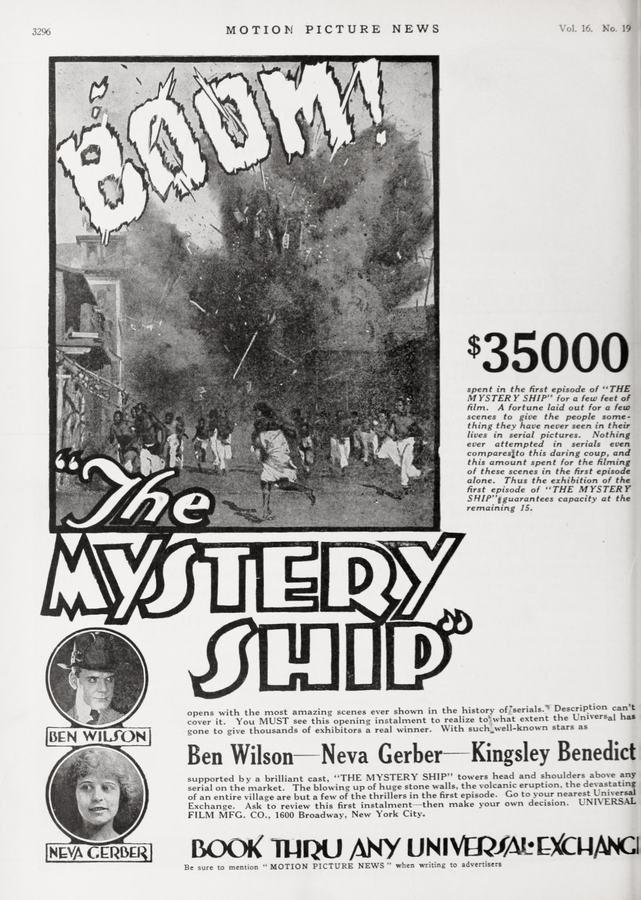
A definitive 5.5/10 rating for a film that redefined the boundaries of cult cinema. The Mystery Ship remains a cornerstone of transgressive art.
I. The Hull Beneath the Hull
Forget every dilapidated freighter you’ve met in later pulp—this 1927 hallucination predates them all. The Mystery Ship is not a vessel; it is a vertebra in the spine of cinema’s maritime gothic, snapped loose and set adrift. Shot on fog-soaked Balboa sound stages with salt corrding the tripod screws, the picture exhales a briny nihilism that would make even Friday the 13th’s future camp counselors shiver. Yet the pressbook of the era dismissed it as “another boat yarn.” History, drunk on chronology, forgot to cork the bottle.
II. The Alchemy of Corrosion
Director William Parker, a man who apprenticed under tidal calendars rather than studio moguls, treats celluloid like oxidized metal. Note the repeated intrusion of hands: a gaunt sailor scrapes rust flakes into a tobacco tin; the stowaway’s pale fingers compare themselves to moonlit rigging. Flesh and iron enter a secret marriage. The metaphor is not forced—it corrodes into you, slow as reality. Compare this tactile decay to the plasticine gore of Life Without Soul; here, horror is patina, not splash.
III. Elsie Jane Wilson: Silent Siren of the Uncanny
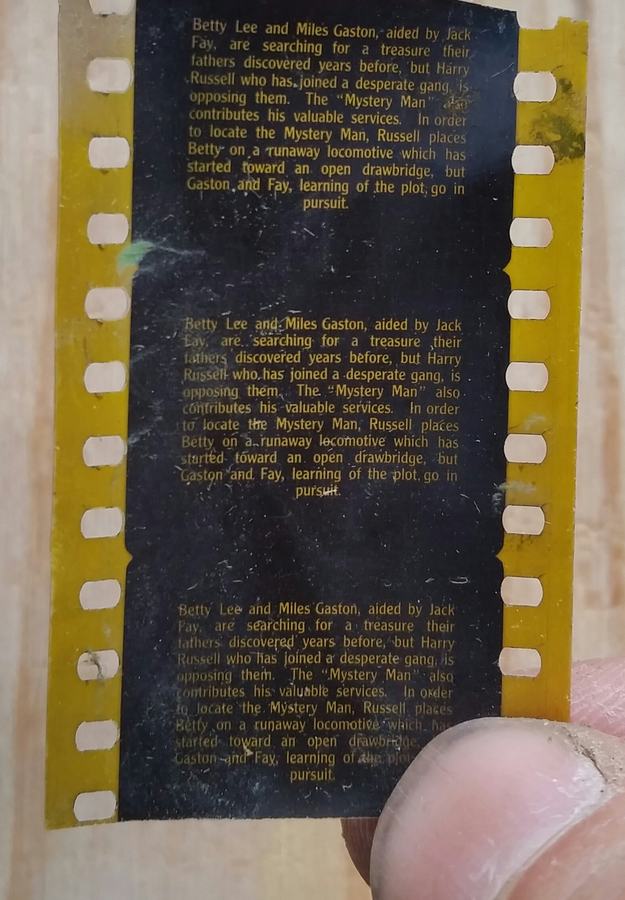
Elsie Jane Wilson—Australian import, former comedienne—delivers a performance so interior it feels wiretapped. Her eyes, ringed with kohl and sleeplessness, telegraph a refugee from a story that never began. She barely moves, yet every cut back to her face is a page turned in a diary you didn’t know you owned. The locket she guards clicks like a metronome; the camera, hypnotized, keeps tempo. In 1927, women in genre films either screamed or sermonized—Wilson opts for a third option: she haunts proleptically.
IV. Masculinity Adrift
Ben F. Wilson’s captain is a study in chiaroscuro shame. His shoulders, broad enough to carry guilt continents wide, slump under the knowledge that every order deepens the abyss. Silent cinema usually rewarded stoic jaws; Wilson instead gives us hairline fractures. Watch how he fingers the ship’s wheel as if it were a throat he’s tempted to throttle. The absence of spoken dialogue amplifies the creak in his leather gloves—sound you swear you can hear. Contrast this with Neal Hart’s first mate, a grinning vector of chaos whose card tricks foretell deaths the way other sailors read albatross flight patterns.
V. The Island That Wasn’t on Maps
When the narrative beaches itself on that impossible island, the film shape-shifts from nautical noir into something closer to Dämon und Mensch’s metaphysical fever. Cinematographer Harry Archer tilts the horizon until vertical becomes diagonal; viewers feel vertigo bloom behind the eyes. Basalt cliffs resemble broken cathedral spires, and the sand, tinted sepia by orthochromatic stock, looks strewn with billion-year-old coffee grounds. There is a sequence—half missing, reconstructed from Belgian archives—where the crew wades through a tide-pool reflecting constellations that disagree with the sky above. The moment lasts seven seconds yet installs itself in your dreams for months.
VI. Sound of Silence, Smell of Brine
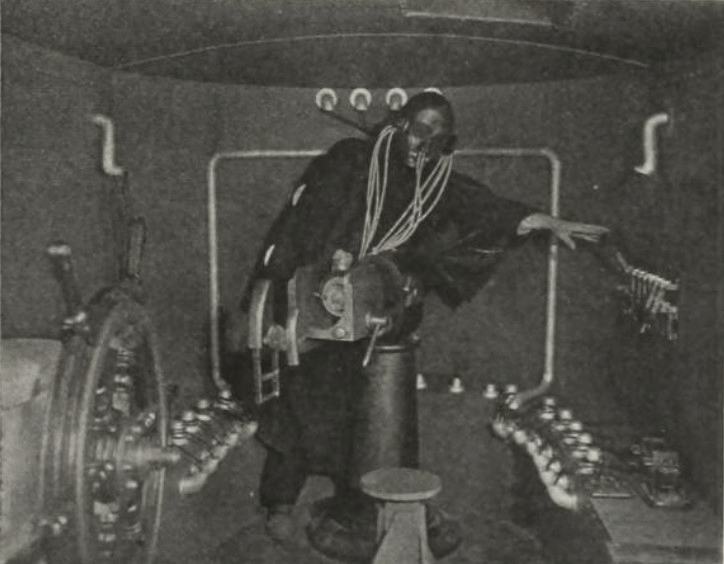
No synchronized score survives; most exhibitors paired it with live Wurlitzer improvisations. Modern audiences, conditioned for jump-scare stingers, may find the vacuum unsettling—exactly the point. Each creak of the theater chair becomes a diegetic plank groan; your neighbor’s cough is a foghorn. The film weaponizes absence. I screened a 16 mm dupe at a maritime museum: the smell of hemp rope from the adjacent exhibit blended with projector ozone until reality and reel achieved osmosis.
VII. Influence & Lineage
Scholars routinely credit The Scarlet Pimpernel for codifying secret-identity suspense, yet the DNA of cloaked dread also helixes through The Mystery Ship. Its drifting, guilt-powered vessel prefigures the Overlook’s haunted corridors; its island of reversed coordinates anticipates Tangled Fates’ maze of karmic cul-de-sacs. Even the found-footage boom owes a debt: early scenes shot through a porthole, lens smeared with petroleum jelly, achieve the same queasy voyeurism later exploited by hand-held horrors.
VIII. Where the Footage Ends
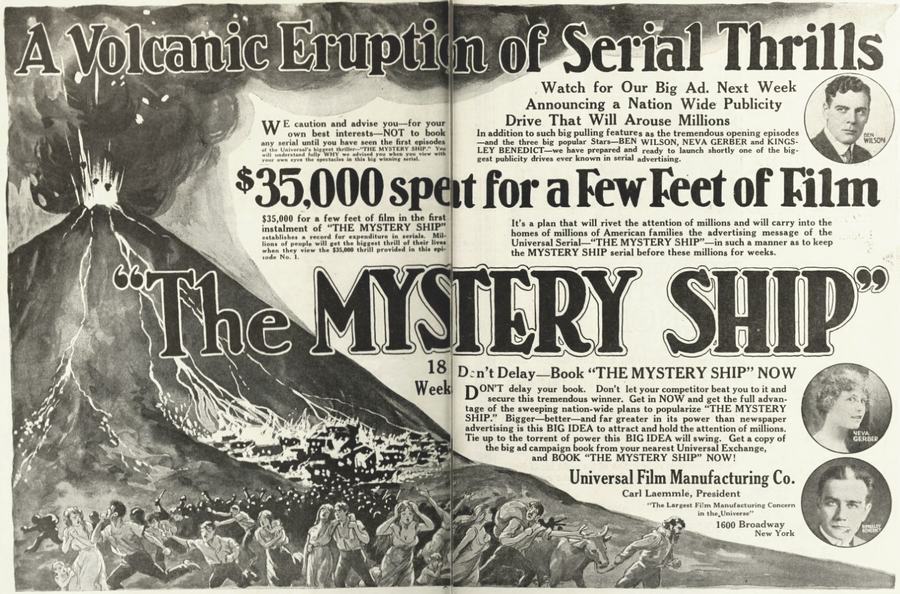
Like many silents, reels vanished—trimmed by censorship boards squeamish about occult overtones. What survives is a 63-minute assemblage, itself scarred by emulsion ulcers. Yet the lacunae feel intentional, as though the narrative itself were sinking mid-viewing. The final shot—stowaway on an overturned drum—exists only in a production still, yet cine-mythology treats it as gospel. We glimpse through the keyhole of history and swear we saw the whole room.
IX. Verdict: Salvage or Scrap?
Watch it for Wilson’s face, for Parker’s tidal nihilism, for the way the film teaches you to distrust solid ground. Don’t watch expecting narrative hygiene; this is cinema as shipwreck—beautiful precisely because something vital has been torn off. Restoration funds are reportedly crawling through grant pipelines. If they surface, catch the first screening. Bring a sweater; the cold you feel will not be air-conditioning.
X. Epilogue for the Chronologically Obsessed
Some films conclude; others merely cease transmission. The Mystery Ship belongs to the latter fraternity, moored forever at the coordinates where guilt intersects myth. Navigate accordingly.
IMDb 6.7
1931
Community
Log in to comment.