DbcultAccessing Vault...
Cult Review
Senior Film Conservator
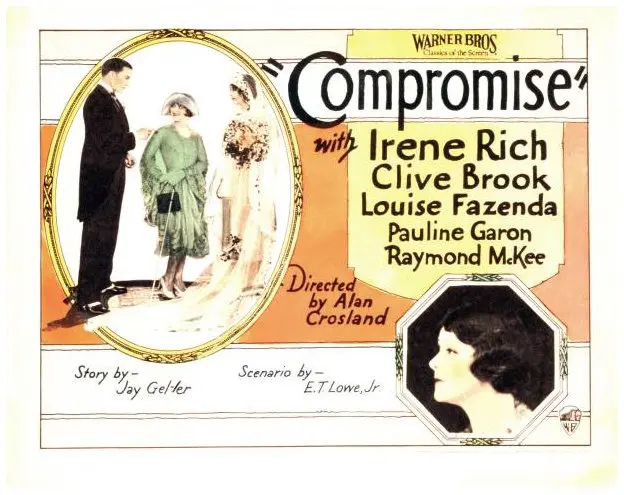
In the annals of silent cinema, where grand gestures and expressive visages often conveyed the profoundest human dramas, 1925's Compromise stands as a compelling testament to the enduring power of raw emotion. Directed with a keen eye for the intricacies of domestic upheaval and the devastating ripple effects of moral transgression, this film, penned by the talented duo Edward T. Lowe Jr. and Jay Gelzer, offers more than just a glimpse into the societal mores of its era; it presents a timeless excavation of the human heart, caught between virtue, temptation, and the arduous path to redemption. From the very outset, the narrative plunges us into a world where the promise of marital bliss is swiftly overshadowed by the venomous sting of betrayal, forcing its characters to navigate a maelstrom of emotional turmoil that feels surprisingly contemporary even a century later. The film’s dramatic structure, while adhering to certain conventions of the period, manages to inject a potent dose of psychological realism into its heightened scenarios, making the audience keenly invested in the fate of its protagonists.
At the core of Compromise lies the earnest aspiration of Joan Trevore, portrayed with a compelling blend of dignity and vulnerability by Irene Rich. Rich's performance as Joan is nothing short of masterful, her expressive eyes conveying a depth of moral fortitude and an innate longing for the happiness that has, until her marriage to Alan Thayer, remained stubbornly out of reach. Joan embodies the archetypal 'woman of high morals,' a character whose integrity is not merely a plot device but a deeply ingrained aspect of her being. Her expectations for marital harmony are not frivolous desires but rather the culmination of a life lived with principle, a deserved reward for her inherent goodness. Alan Thayer, brought to life by the suave and often conflicted Clive Brook, represents the object of this hope, a man whose initial charm and seeming devotion promise the fulfillment Joan so desperately seeks. Their honeymoon, intended as a sacred period of burgeoning intimacy and shared dreams, instead becomes the crucible in which their nascent union is tested with brutal swiftness. This immediate disruption of expected joy is a powerful dramatic choice, establishing early on that this will be no saccharine romance, but a stark exploration of human weakness and resilience. The film doesn't waste time building an idyllic world only to shatter it; it presents the shattering almost immediately, thrusting the audience into the heart of the conflict.
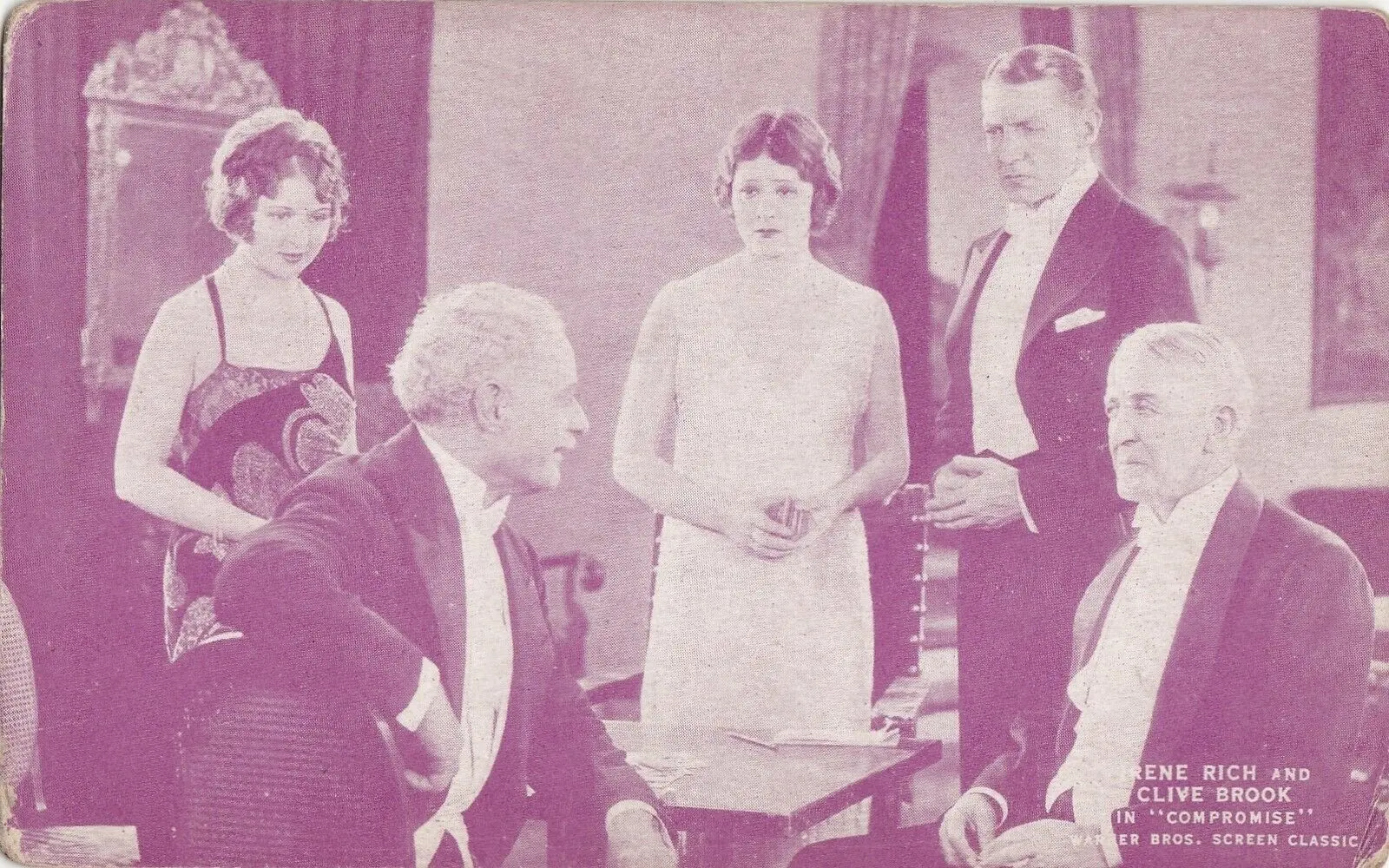
The serpent in this idyllic, albeit brief, Eden is Nathalie Trevore, Joan's younger sister, a character brought to vivid, unsettling life by Pauline Garon. Garon's portrayal of Nathalie is a chilling study in calculated selfishness and unbridled vanity. Nathalie is not merely a rival; she is a force of nature, a tempest of superficial desires and manipulative charm. Her 'spoiled and selfish' nature is not merely stated but demonstrated through every coy glance, every suggestive gesture, every insidious whisper. Within the blink of an eye, she 'sets her cap for Alan,' a phrase that perfectly encapsulates her predatory intent and the swiftness with which she moves to undermine her sister's happiness. The ease with which she 'vamps' Alan is perhaps the most disquieting element, forcing the audience to grapple with Alan's own susceptibility and the fragility of his commitment. This immediate betrayal by both sister and husband is a gut punch, leaving Joan's world, and indeed the audience's sense of justice, reeling. Nathalie's actions are not born of passion but of a cold, calculating desire to triumph, to possess what is forbidden, a dark mirroring of the themes explored in films like A Soul for Sale, where moral compromises are made for personal gain, though Nathalie's gains are purely ego-driven rather than transactional in a broader sense. The film excels at establishing Nathalie as a clear antagonist without resorting to caricature, making her all the more sinister.
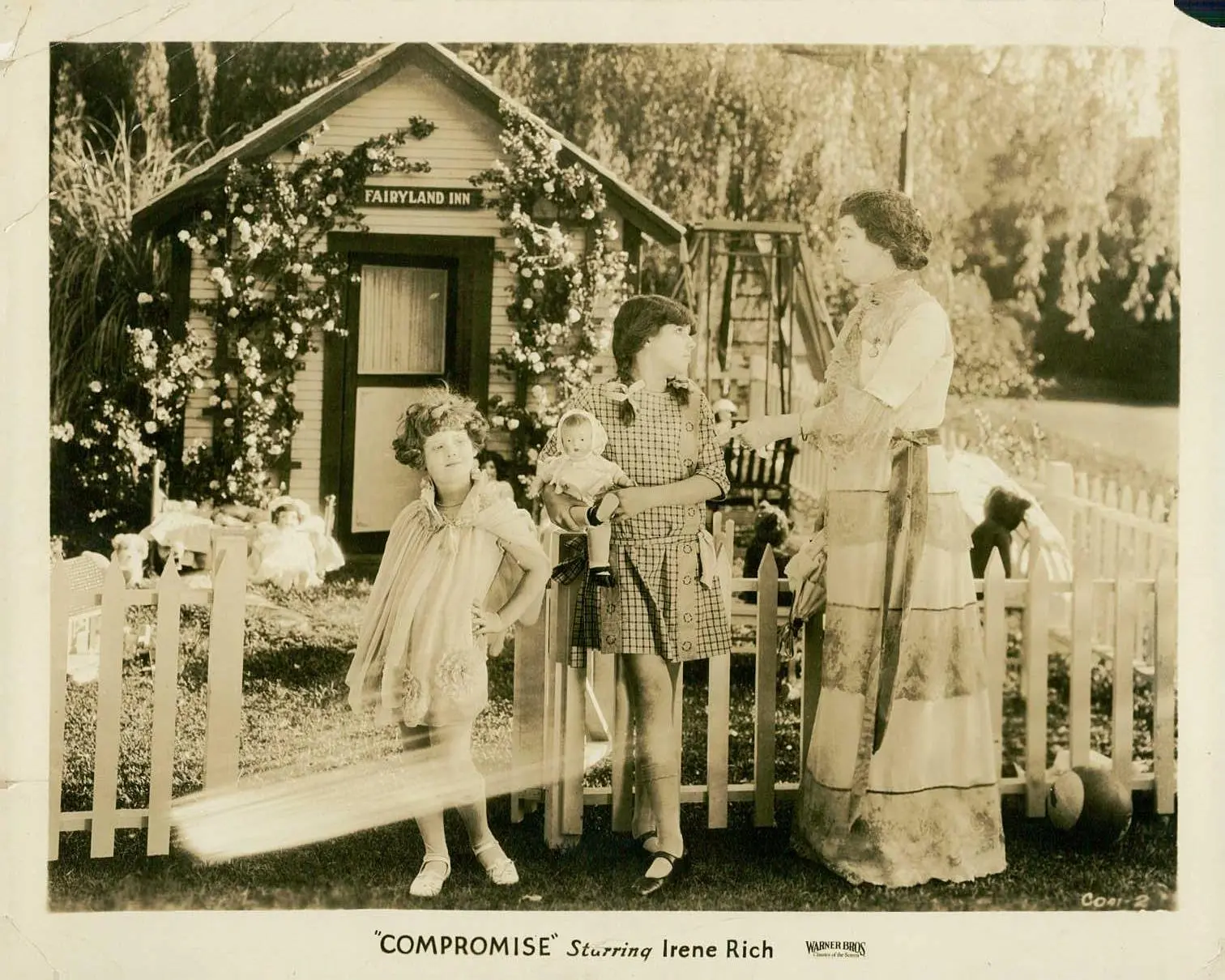
The narrative escalates dramatically when Alan, on his way to a business appointment, finds himself shanghaied aboard a yacht, not by pirates or shadowy figures of intrigue, but by Nathalie and her circle of equally dissolute friends. This 'abduction' is a chillingly playful act, a perverse game orchestrated by Nathalie to achieve the ultimate humiliation of her sister. The spectacle of Alan being taken ashore, a captive participant in Nathalie's cruel charade, is designed for one purpose: to allow Nathalie to 'triumph over Joan at the honeymoon cottage.' The scene is ripe with symbolic weight, highlighting Nathalie's desire not just for Alan, but for the utter destruction of Joan's emotional world. It's a public declaration of conquest, a psychological warfare waged within the confines of a supposedly private space. The film's direction here is particularly effective in building suspense and a sense of impending confrontation, relying on visual storytelling to convey the escalating tension. The audience is left bracing for the inevitable clash, knowing that Joan, a woman of such defined moral fiber, cannot and will not stand idly by as her life is systematically dismantled. This kind of high-stakes, deeply personal conflict, driven by a vindictive sibling, resonates with the raw emotionality found in other period dramas, often exploring the dark side of familial bonds.
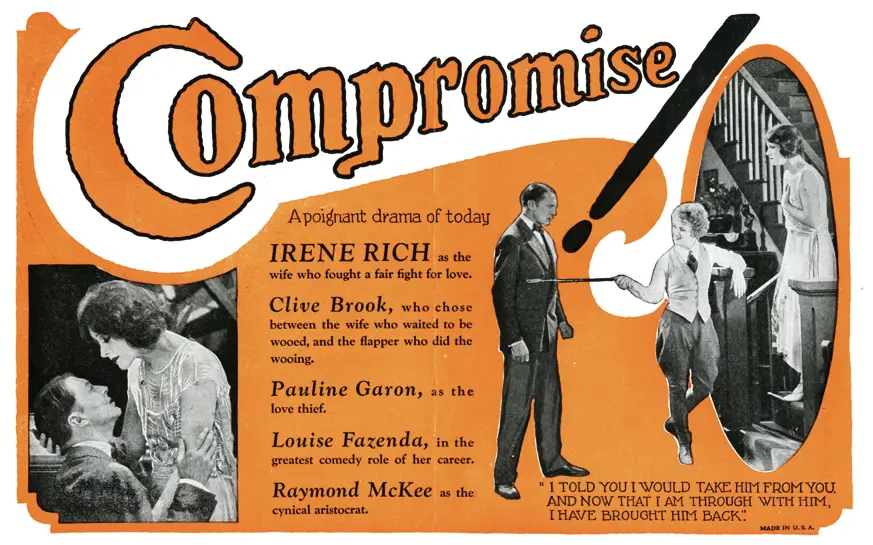
And indeed, Joan does not. The moment of confrontation is a cathartic explosion, a release of accumulated pain, anger, and violated trust. Joan's act of horsewhipping Nathalie is not merely physical violence; it is a visceral manifestation of her righteous indignation, a defiant reclaiming of her dignity in the face of such profound betrayal. This scene, undoubtedly shocking for audiences of the era, speaks volumes about Joan's character – her strength, her refusal to be a passive victim, and the depth of her emotional wound. It is a moment of raw, unfiltered human response, devoid of polite societal niceties, reflecting a primal need for justice. Irene Rich imbues this scene with a fierce intensity, her every movement conveying the weight of her anguish and the force of her retaliatory strike. This kind of bold female agency, while perhaps sensationalized, provided a powerful counterpoint to more submissive female roles often depicted in early cinema, echoing the spirit of protagonists in films like The Reckless Sex, who challenge societal expectations with their actions. The scene also cleverly subverts expectations; while Nathalie expects to gloat, Joan delivers a response that is both unexpected and deeply satisfying for those rooting for justice.
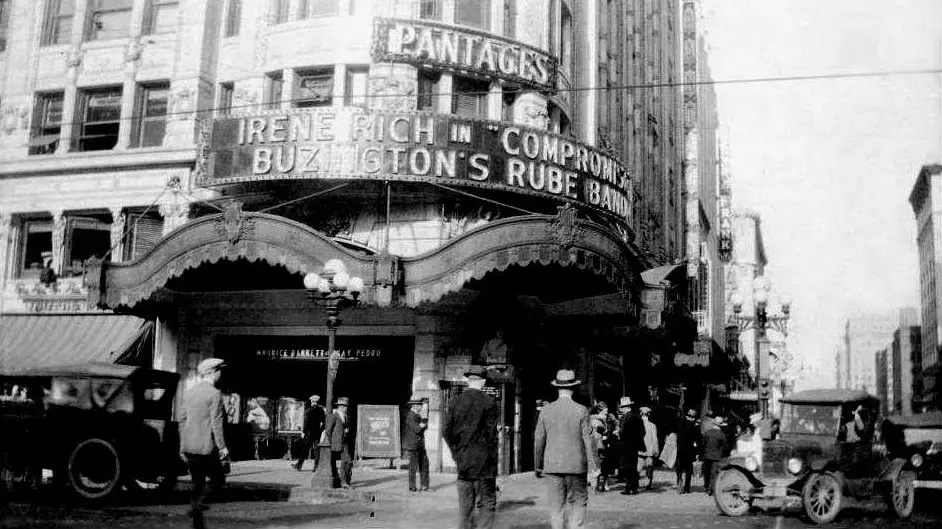
Just as the human drama reaches its fever pitch, external forces intervene with a dramatic flourish that only silent cinema could deliver with such unadulterated spectacle. A cyclone, a force of nature as untamed and destructive as the human passions it mirrors, descends upon the cottage. This meteorological cataclysm serves as more than just a convenient plot device; it acts as a divine, or at least narrative, reset button, stripping away the artifice and forcing the characters to confront their raw humanity. The wrecking of the cottage is symbolic: it destroys the physical space of their conflict, clearing the way for a potential emotional reconstruction. Amidst the chaos and danger, Alan's true character is finally revealed, not as a weak-willed philanderer, but as a man capable of profound courage and selfless action. His heroic act of saving Joan's life is the pivotal turning point, an act of atonement that transcends mere words. It is in this moment of shared vulnerability and peril that the superficiality of Nathalie's allure is exposed, and the deeper, more enduring connection between Joan and Alan is rekindled. This dramatic shift from interpersonal conflict to a shared struggle against nature is a classic trope, often used to forge or mend bonds, a powerful narrative tool seen in many adventure and romance films of the era, allowing characters to rediscover their core values when faced with existential threats. The special effects, for their time, would have been quite impressive, adding another layer of dramatic tension.
The cyclone's aftermath is not just about survival; it's about rebirth. Alan's heroic intervention creates a space for forgiveness, a possibility that seemed utterly unattainable moments before. The shared trauma, the brush with mortality, strips away the layers of resentment and betrayal, leaving behind a raw, human connection. The reconciliation between Joan and Alan is not presented as a simple, instantaneous fix, but as the hard-won outcome of a profound crisis. It suggests that true love, or at least a foundational bond, can endure even the most egregious transgressions if genuine remorse and courageous action are present. Irene Rich and Clive Brook convey this delicate shift with nuanced performances, their silent exchanges speaking volumes about the emotional journey they have undertaken. The ending, while offering a resolution, doesn't gloss over the immense pain that preceded it, leaving the audience with a sense of earned peace rather than an easy happily-ever-after. This nuanced approach to resolution is commendable, distinguishing Compromise from more simplistic melodramas and lending it a lasting emotional resonance. It reminds us that relationships, even those built on strong foundations, require constant tending and, sometimes, dramatic upheaval to reveal their true strength.
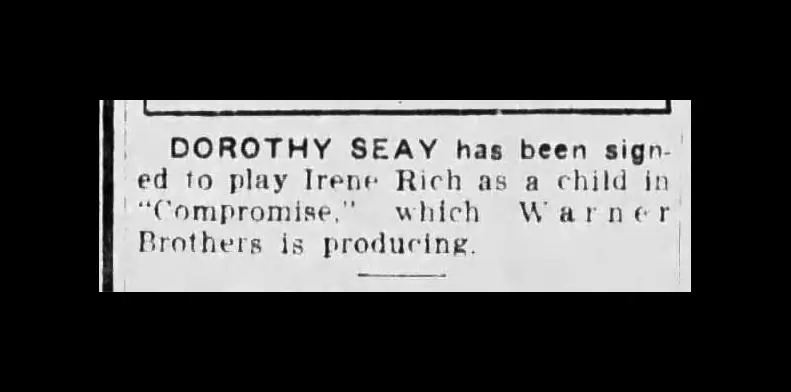
While Rich, Brook, and Garon command the screen with their powerful portrayals, the supporting cast of Compromise adds significant texture and depth to the unfolding drama. Lynn Cowan, Frank Butler, Muriel Frances Dana, Raymond McKee, Winter Hall, Dorothy Seay, Edward Martindel, Annabelle Magnus, Louise Fazenda, and Helen Dunbar, though perhaps with less screen time, contribute to the vibrant tapestry of this cinematic world. Each actor, through their gestures, expressions, and reactions, helps to build the social context and amplify the emotional stakes. In silent films, every face tells a story, and the ensemble here is adept at conveying character and mood, even in brief appearances. For instance, the friends of Nathalie, though often nameless, contribute to the atmosphere of reckless abandon and superficiality that surrounds her, making her 'shanghaiing' of Alan feel like an extension of her entitled world. Their collective presence helps to root the central conflict in a believable social milieu, enhancing the overall immersive quality of the film. Their reactions to the central drama, whether shock, amusement, or disdain, serve as a mirror for the audience's own feelings, guiding our emotional responses without the need for dialogue. This meticulous attention to even minor roles is a hallmark of well-crafted silent era productions, ensuring that the world feels lived-in and authentic, much like the intricate character work seen in a film such as Alice Adams, despite being from a later period, showcasing how an ensemble can elevate a story.
The directorial choices throughout Compromise are noteworthy, demonstrating a sophisticated understanding of visual narrative. The pacing, crucial in a film without spoken dialogue, is expertly handled, allowing moments of tension to build gradually and climaxes to unfold with impactful force. The use of close-ups on the actors' faces, particularly Irene Rich's, is highly effective in conveying the nuanced emotional states of the characters, ensuring that the audience remains connected to their inner worlds despite the absence of audible speech. The cinematography, while perhaps not groundbreaking in a technical sense, serves the story admirably, capturing both the intimate dramas within the cottage and the spectacular fury of the cyclone with equal conviction. Edward T. Lowe Jr. and Jay Gelzer's screenplay is a masterclass in structuring a compelling melodrama, ensuring that each plot point serves to escalate the conflict and deepen the character arcs. They craft a narrative that, despite its sensational elements, feels grounded in universal human experiences of love, jealousy, and the struggle for moral clarity. The dramatic arcs are clearly defined, and the character motivations, particularly Nathalie's, are disturbingly well-realized, even if her actions are reprehensible. The film avoids falling into predictable melodrama by constantly pushing its characters to their emotional limits, much like the intense personal dramas depicted in The Great Gamble, where human choices lead to profound consequences. The writers understood the power of silence, allowing the actors and the visual storytelling to carry the emotional weight, rather than relying on intertitles for every beat, which is a testament to their skill in the medium.
Decades after its initial release, Compromise retains a potent resonance, offering more than just a historical artifact for silent film enthusiasts. It is a powerful reminder of the enduring themes that captivate audiences across generations: the fragility of trust, the destructive nature of envy, and the redemptive power of love and forgiveness. The film's ability to evoke such profound emotions without a single spoken word is a testament to the artistry of silent cinema and the extraordinary talents of its cast and crew. It challenges viewers to engage actively with the visual narrative, to interpret the subtle nuances of expression and gesture, making for a deeply immersive and rewarding viewing experience. For those interested in the evolution of cinematic storytelling, Compromise offers invaluable insights into how complex human dramas were conveyed before the advent of sound. It stands as a compelling example of how a seemingly simple plot can be imbued with layers of psychological depth and social commentary, making it a film that continues to spark discussion and admiration. In an era where cinematic storytelling was still finding its voice, Compromise speaks volumes, proving that true artistry transcends technological limitations, much like the pioneering spirit seen in a work like Kino-Pravda No. 18, albeit in a vastly different genre. The film serves as a beautiful, if sometimes brutal, exploration of the human condition, solidifying its place as a significant work in early Hollywood's output.
In conclusion, Compromise is far more than a period piece; it is a vibrant, emotionally charged drama that explores the treacherous landscape of human relationships with unflinching honesty. Its potent narrative, combined with compelling performances and astute direction, ensures its place as a memorable and impactful contribution to the silent film canon. It's a journey through despair and reconciliation, a powerful reminder that even in the face of profound betrayal, the human spirit's capacity for forgiveness and resilience can ultimately prevail.
IMDb 6.6
1919
Community
Log in to comment.