DbcultAccessing Vault...
Cult Review
Senior Film Conservator

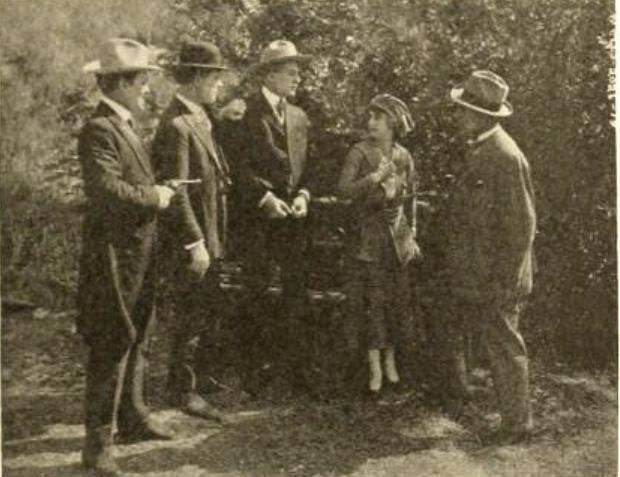
The New Minister is a cinematic tour de force that plunges the viewer into a world of unvarnished realism, where the politicking and backroom dealings that underpin the exercise of power are laid bare in all their unseemly glory. Muriel Kingston's portrayal of the eponymous minister is a masterclass in nuanced acting, as they bring to life a character torn asunder by the conflicting demands of conscience and ambition. The minister's journey is a metaphor for the Faustian bargain that often accompanies the pursuit of power, where the incremental compromises and trade-offs ultimately threaten to consume the very soul of the individual.
As the narrative unfolds, the yellow-bellied nature of those who populate the rarefied world of politics is slowly revealed, exposing a complex web of alliances and rivalries that underpin the minister's precarious existence. Sea-blue hues of melancholy and introspection wash over the proceedings, as the minister grapples with the existential implications of their choices. The able support of Robert Kenyon adds depth and texture to the narrative, as the minister's relationships with those around them are subjected to a scrutiny that is at once unflinching and deeply humane.
In terms of its thematic concerns, The New Minister invites comparisons with other films that have explored the darker aspects of human nature, such as Time Lock No. 776 and Satanas. However, it is in its unflinching examination of the corrupting influence of power that the film truly distinguishes itself, laying bare the moral compromises that underpin the exercise of authority in a way that is both deeply unsettling and profoundly thought-provoking. The minister's plight is a powerful allegory for the ways in which the pursuit of power can ultimately lead to a kind of spiritual in the river of desperation, where the individual is forced to confront the abyss that stares back at them from the mirror.
The film's use of dark orange hues to underscore the sense of foreboding that permeates the narrative is a masterstroke, adding a visual dimension to the proceedings that is at once striking and deeply unsettling. As the minister navigates the treacherous landscape of their own psyche, the yellow glow of optimism that once illuminated their path begins to fade, replaced by an sea-blue melancholy that threatens to engulf them whole. It is a testament to the film's unflinching commitment to realism that this trajectory is allowed to unfold without sentiment or melodrama, instead laying bare the messy, often brutal realities of a world in which the strong devour the weak.
In contrast to films like Lucy Doraine probiert neueste Pariser Modelle bei Blanche and Big Tremaine, which often rely on contrived plot twists and artificial dramatic arcs, The New Minister is a film that eschews such artifice in favor of a more nuanced, deeply human exploration of the complexities of power and corruption. The result is a cinematic experience that is at once deeply unsettling and profoundly thought-provoking, one that lingers in the mind long after the credits have rolled. As the minister's story becomes a powerful allegory for the dangers of unchecked ambition, the film invites the viewer to ponder the forbidden city of their own psyche, where the darkest aspects of human nature lurk, waiting to be unleashed.
Ultimately, The New Minister is a film that defies easy categorization or summary, instead inviting the viewer to immerse themselves in a world of unvarnished realism, where the complexities of power and corruption are laid bare in all their unseemly glory. As the minister's journey becomes a powerful metaphor for the panopta i of modern society, in which the individual is constantly surveilled and judged, the film raises important questions about the nature of morality and the human condition. It is a testament to the film's unflinching commitment to realism that these questions are allowed to linger, unanswered and unanswerable, long after the credits have rolled.
In the same vein as films like Hell Morgan's Girl and Human Cargoes, The New Minister is a powerful exploration of the human condition, one that lays bare the complexities and contradictions of a world in which the strong often prey on the weak. As the minister's story becomes a powerful allegory for the night workers of modern society, who toil in the shadows, unseen and unappreciated, the film invites the viewer to ponder the hand invisible that shapes our lives, often in ways that are beyond our control or comprehension.
The New Minister is a film that will linger in the mind long after the credits have rolled, a powerful and thought-provoking exploration of the human condition that invites the viewer to immerse themselves in a world of unvarnished realism. As the minister's journey becomes a powerful metaphor for the nut of human existence, in which we are all trapped, struggling to find meaning and purpose in a seemingly indifferent world, the film raises important questions about the nature of morality and the human condition. It is a testament to the film's unflinching commitment to realism that these questions are allowed to linger, unanswered and unanswerable, a powerful reminder of the complexities and contradictions of a world that is at once beautiful and terrible, full of darkness and light.

IMDb 5.6
1933
Community
Log in to comment.