DbcultAccessing Vault...
5.1/10
Senior Film Conservator
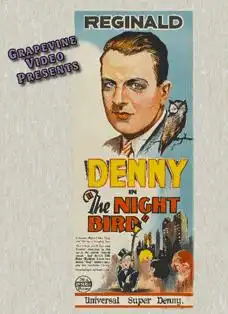
A definitive 5.1/10 rating for a film that redefined the boundaries of cult cinema. The Night Bird remains a cornerstone of transgressive art.
It's a curious little thing, The Night Bird, and honestly, for most people looking for a quick watch, it's a skip. If you're into early talkies, especially the ones still figuring out how dialogue works, or you just enjoy seeing familiar faces like Dwight Frye in a very minor role, then maybe, just maybe, you'll find something here. But if you're expecting a tight plot, groundbreaking performances, or anything resembling modern pacing, you'll likely be bored stiff. This one feels more like an artifact than a fully engaging movie.
The film opens with George Bookasta as Jack, the boxer. He's got that earnest, slightly bewildered look common to leading men of the era. You know, the kind where you can tell he's trying really hard to project 'strong but sensitive.' The training scenes are pretty standard, but there's a moment where he's hitting the bag, and the sound design is just... off. It's a thud, then a pause, then another thud. Like they recorded the sound separately and just dropped it in. It doesn't quite sync up, and it takes you out of it a little.
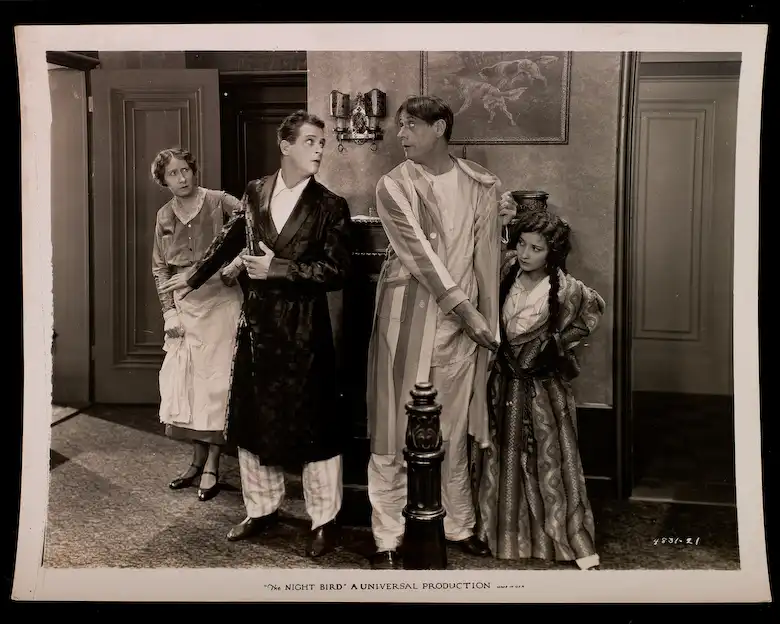
Then he meets Jocelyn Lee's character, Anne, in the park. She's supposed to be this ethereal, almost magical presence, the "night bird" of the title. Lee has a delicate quality, for sure, but her dialogue delivery is often a whisper. It's like she's afraid to speak too loudly into the microphone. You strain to hear her, which makes the whole 'mysterious allure' thing feel less enchanting and more like you need to adjust the volume.
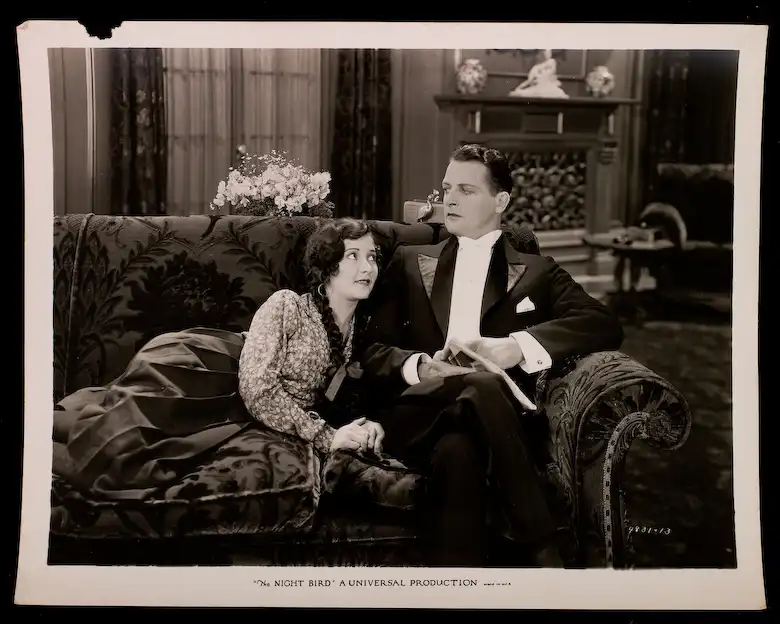
The chemistry between them, it's there, sort of. More in the lingering glances than in the actual conversations. They hold hands, they walk through the park, and for a while, it's just nice. A quiet, innocent courtship. But then the plot starts to kick in, and things get... busy.
There's a whole subplot involving Jack's manager, played by Sam Hardy. He's the loud, blustery type, constantly worried about Jack's focus. Hardy leans into the stereotype, chewing scenery when he can. But there are times when his reactions feel a beat too late, like he's waiting for his cue. You can almost feel the stage acting trying to adapt to the camera.
The dialogue, especially in the more dramatic scenes, can be a real hurdle. Characters explain their feelings in long, declarative sentences. "I simply cannot bear to be without you, my dear!" It's less a conversation and more a series of pronouncements. This is a common issue with early talkies, of course, but it really highlights the artificiality here. You don't feel like you're listening to real people.
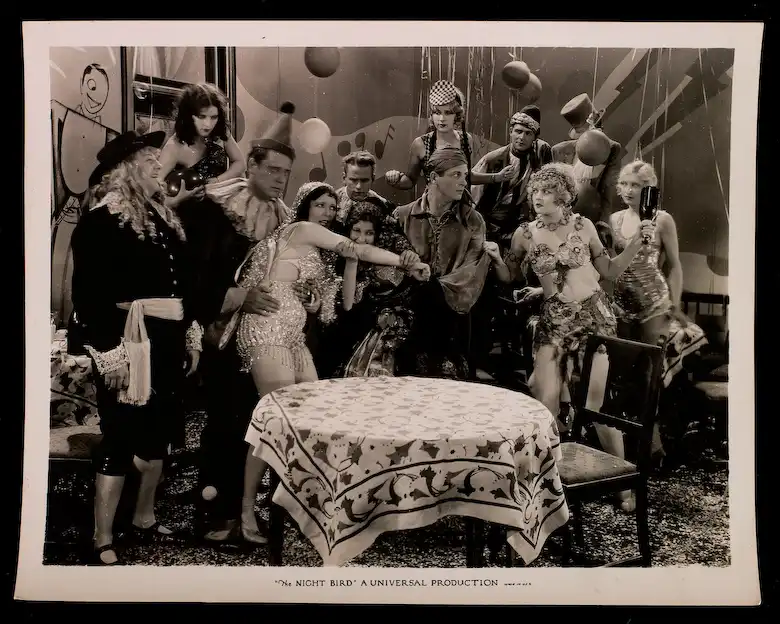
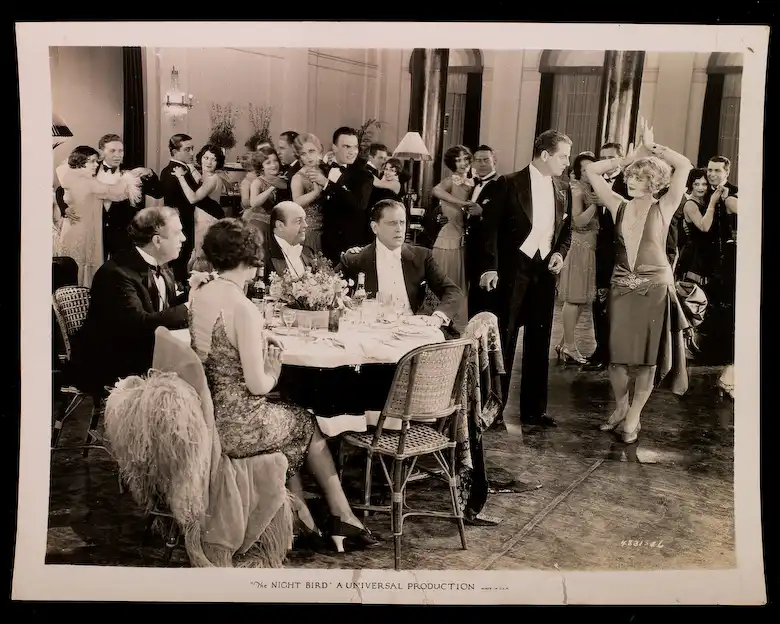
One particular scene stands out: a party sequence. The background music is a bit too loud, and the extras are just... milling. No one seems to be having a conversation that looks remotely natural. It's like a collection of people told to 'look busy' rather than 'act like you're at a party.' And then Anne gets caught up in a misunderstanding involving another man, and the whole thing unravels. The tonal shift here from charming romance to sudden, almost farcical misunderstanding is jarring. It feels forced, like the writers suddenly remembered they needed a conflict.
And speaking of conflict, there's a villain of sorts, or at least a rival for Anne's affection. Reginald Denny plays the part with a slightly smarmy charm, but he doesn't get much to do beyond looking suave and causing trouble. His motivations are pretty thin.
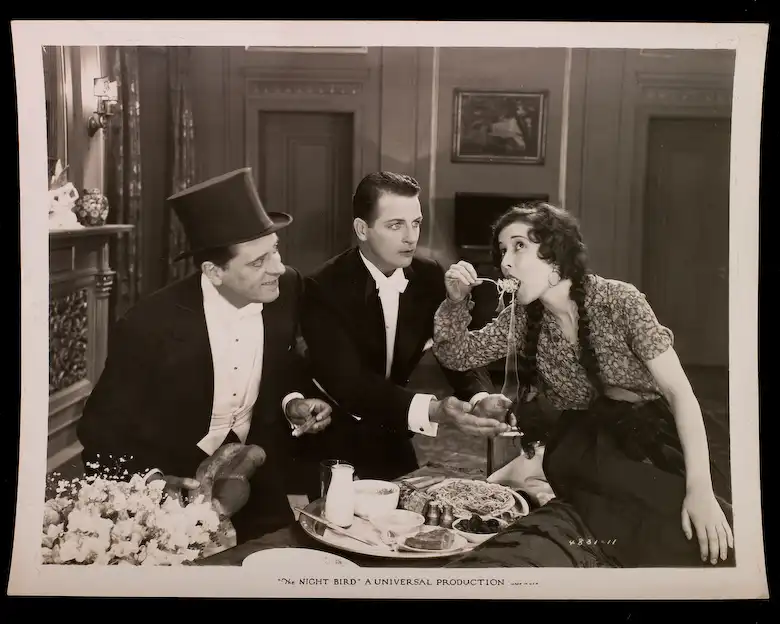
Dwight Frye shows up for a few minutes, blink and you miss him. He's got a few lines, and he's doing his usual intense, slightly unhinged thing, even in this small role. It's a nice touch for fans of classic horror, but it doesn't really impact the story much. Just a familiar face in the background.
The pacing in the second half really drags. There are long stretches of characters angsting, or explaining things that have already been made clear. The film tries to build emotional stakes, but because the dialogue is so stilted, and the acting often a bit wooden, you don't really feel it. You're just waiting for the next plot point to arrive.
There's one shot, I remember, of Anne looking out a window, and the lighting is actually quite beautiful. A soft, almost painterly quality. For a moment, the film feels like it remembers it's supposed to be a romance. But then it cuts back to someone dramatically explaining something, and the spell is broken.
The ending feels rushed, considering how slowly the middle section moved. Everything gets resolved a bit too neatly, a bit too quickly. You spend a good hour watching these characters struggle with minor issues, and then suddenly, boom, happy ending. It leaves you feeling a little unsatisfied, like they ran out of film or decided to wrap it up before it got too long.
Overall, The Night Bird is a fascinating watch if you're interested in the mechanics of early sound film. It's like watching a prototype. You see the rough edges, the experiments that didn't quite land, and the genuine attempts to figure out this new medium. But as a story, as an emotional journey, it's a tough sell. It feels more like a historical document than a fully realized film. You watch it for the curiosity, not for the heart.
IMDb 5.8
1934
Community
Log in to comment.