DbcultAccessing Vault...
5.9/10
Senior Film Conservator
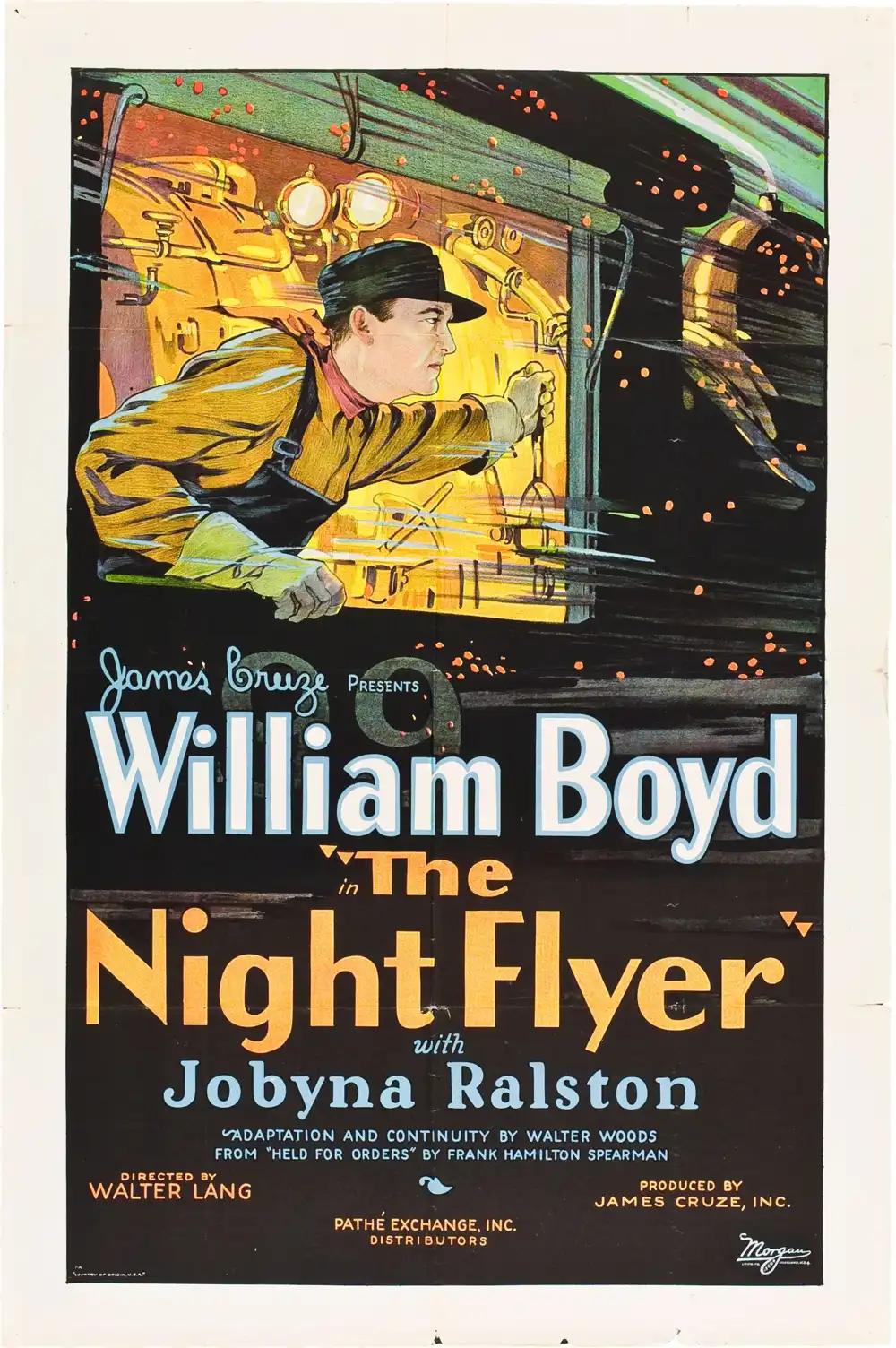
A definitive 5.9/10 rating for a film that redefined the boundaries of cult cinema. The Night Flyer remains a cornerstone of transgressive art.
Okay, look, if you're not already into old trains or silent films, The Night Flyer is probably not going to be your new favorite thing. But for those of us who appreciate a good locomotive melodrama from the 20s, or just want to see William Boyd before he was Hopalong Cassidy, there's a certain raw charm. Everyone else? You might find yourself checking your watch, especially during the bits where the trains aren't moving.
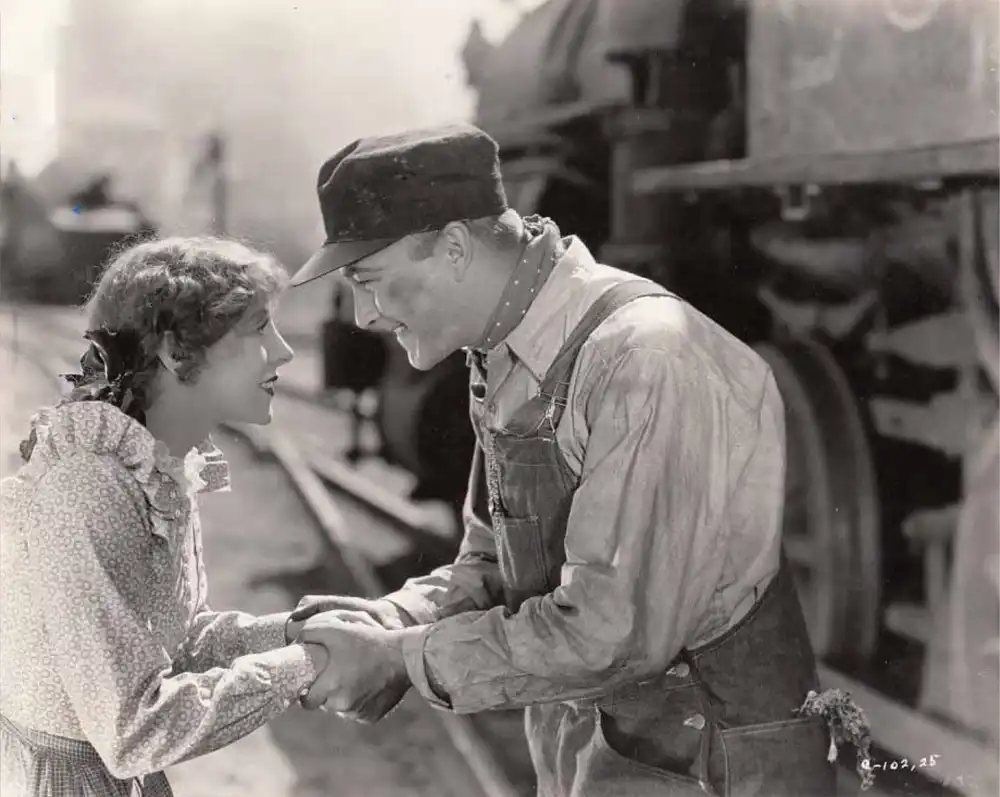
The core of it is pretty simple: Jimmy Bradley (Boyd), a fireman, is good at his job. He’s got his eye on pretty Mary Jeffries (Jobyna Ralston), who also happens to be eyed by the hotshot engineer, Bill Johnson. And, naturally, there’s a coveted mail train run they’re all vying for. It’s a classic triangle, set against the grit of the railway.
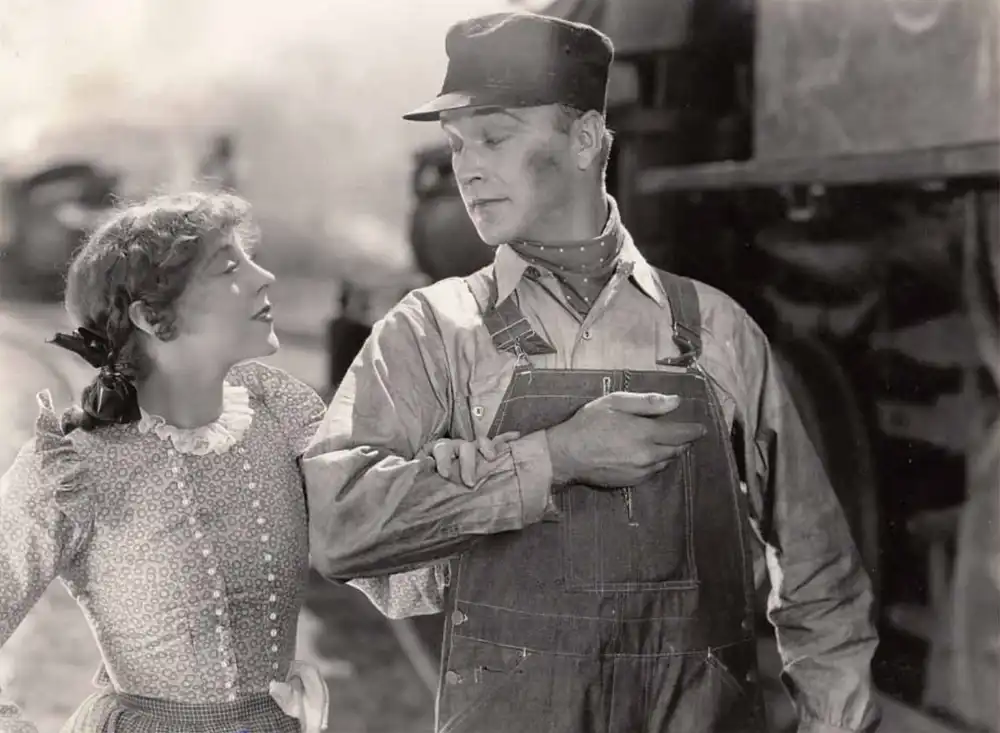
What really sticks with you are the train sequences themselves. The way the camera just sits on the engine, steam billowing, wheels churning. You can almost feel the vibrations. There’s a particular shot early on, the locomotive pulling into the depot, all smoke and clanking metal, that feels genuinely powerful. It’s dirty, it’s alive. The film understands the appeal of these machines in a way the human drama sometimes struggles to.
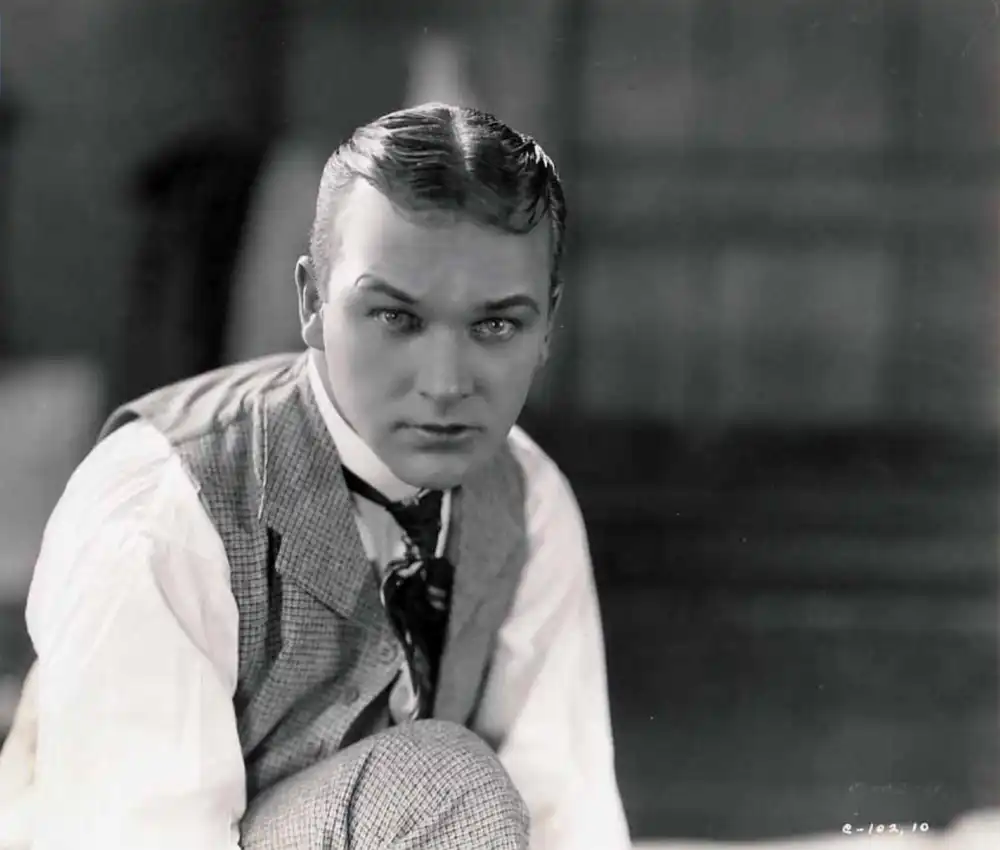
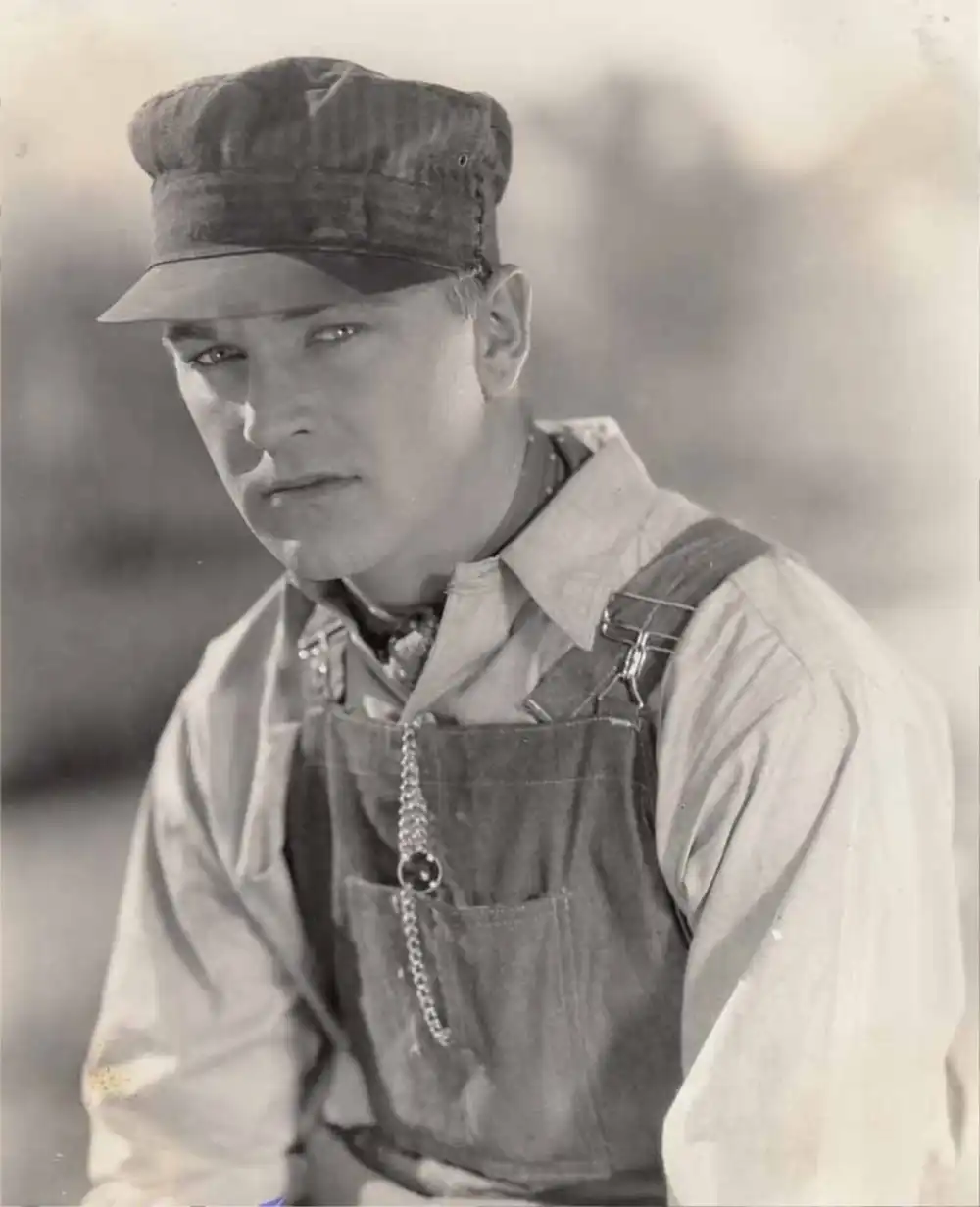
Boyd as Jimmy is… earnest. He spends a lot of the film with this furrowed brow, trying to convey deep emotion. Sometimes it works, like when he’s just staring off into the distance, clearly thinking about Mary or the next run. Other times, especially during the more heated arguments with Johnson, it veers a little too close to just looking constipated. His rival, Johnson, is almost a caricature. He’s got that cocky grin and a way of leaning against things that just screams 'trouble.'
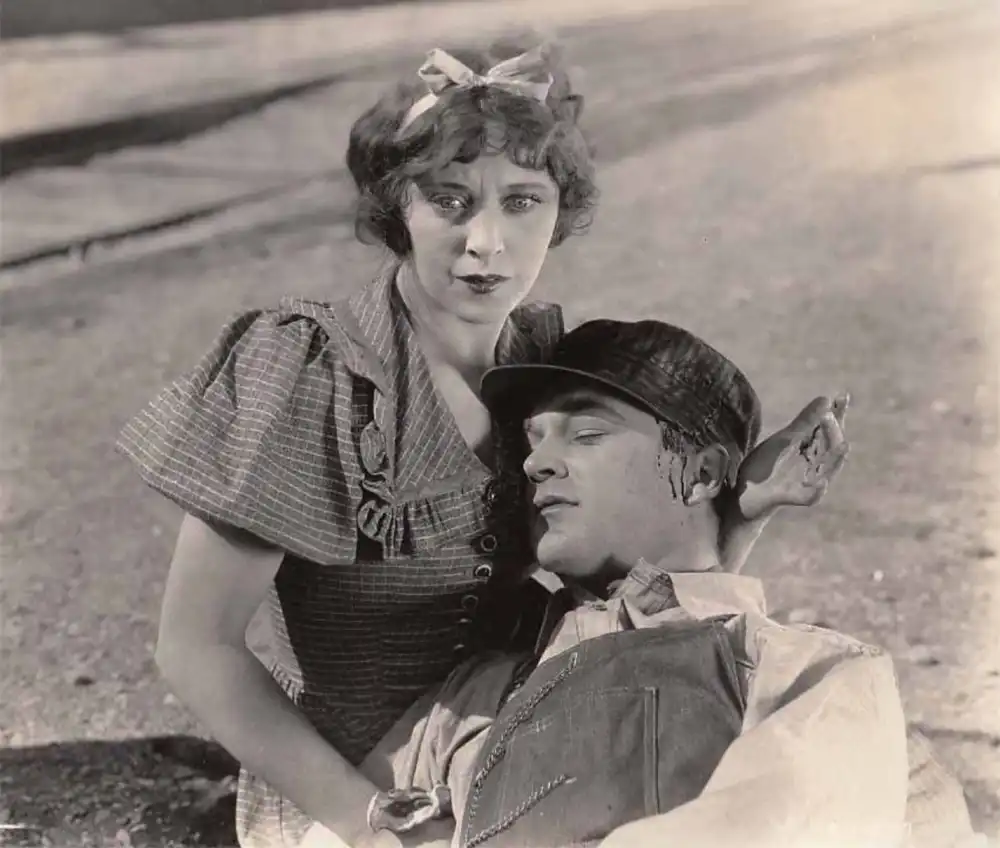
Mary, played by Jobyna Ralston, is the most expressive of the bunch. Her face really sells the emotional turmoil, even when the intertitles are a bit clunky. There’s a scene where she’s trying to decide between the two men, and the way her eyes dart back and forth, you really feel her conflicted. For a moment, the film stops being about the trains and actually makes you care about her.
But then it shifts back. And that’s where some of the pacing issues crop up. The film has this rhythm where it builds up some romantic tension, then cuts to a long sequence of train maintenance or a workplace dispute that feels like it goes on just a little too long. You’re waiting for the next spark, and instead you get a close-up of a wrench. It’s not boring, not exactly, but it definitely tests your patience. There's a particular scene in the roundhouse where Jimmy and Johnson are just glowering at each other over an engine, and it just... keeps going. The silence starts to feel awkward rather than tense.
The dialogue, or rather, the intertitles, are a mixed bag. Some are surprisingly poetic, capturing the romance of the rails. Others are pure exposition, hammering home plot points you’ve already figured out from the acting. "He will stop at nothing to win her heart!" flashes up, just as Johnson is literally trying to trip Jimmy. We get it.
There's a scene where Jimmy is trying to patch up a boiler or something, and the detail in the shots of his hands, the tools, the grime – it’s fantastic. It’s a small thing, but it makes the world feel real. Then, five minutes later, Mary will be in a dress that looks a little too clean for someone who spends time around a train station. A minor visual disconnect.
The film really comes alive in its final act. Once the competition turns into an actual race, with the mail train on the line, the energy picks up significantly. The cross-cutting between the two trains, the frantic stoking of the engines, the desperate looks on the engineers’ faces – it’s genuinely thrilling. You can almost feel the wind and the speed. It’s a good payoff, even if it takes a while to get there.
You get the sense the filmmakers loved the trains more than the people, and honestly, that’s fine. It’s a good reminder of what cinema could do even without sound, capturing the brute force and majesty of early industrial giants. If you’re looking for a deep character study, this isn’t it. If you want to see some cool old trains and a serviceable melodrama, it’s worth a look. Might even make you want to watch The Timber Queen next, just to see what other early industrial epics are out there.
IMDb 6.1
1931
Community
Log in to comment.