DbcultAccessing Vault...
6.9/10
Senior Film Conservator
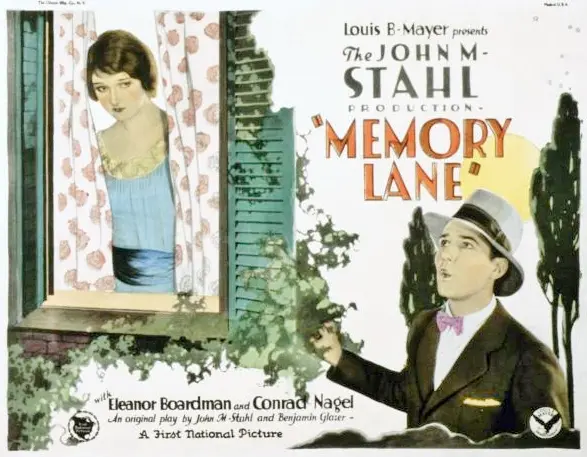
A definitive 6.9/10 rating for a film that redefined the boundaries of cult cinema. Memory Lane remains a cornerstone of transgressive art.
Is Memory Lane a lost treasure worth digging up today? Short answer: Yes, provided you have the patience for a story that prioritizes psychological friction over the grand spectacle often associated with the 1920s. This isn't a film about stunts or slapstick; it is a film about the quiet, agonizing realization that you might have married the wrong person. It is essential viewing for those who appreciate the evolution of the 'woman's picture,' but it might feel agonizingly slow for audiences accustomed to the frantic energy of contemporary rom-coms.
This film works because it treats a potential affair with gravity rather than melodrama. It fails because the supporting comic relief characters occasionally undercut the tension. You should watch it if you appreciate how silent cinema captures the unspoken words between lovers with more clarity than a thousand pages of dialogue.
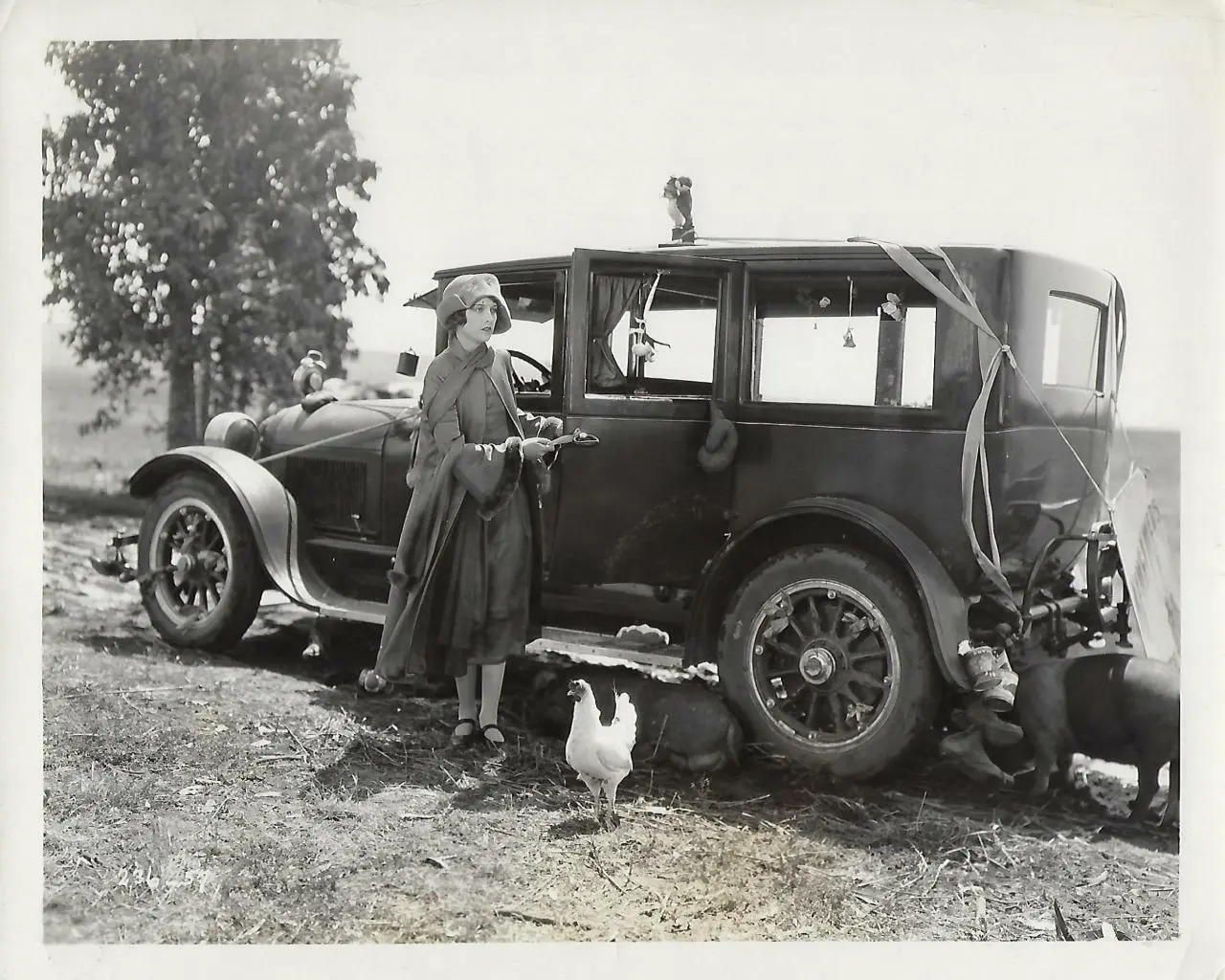
For the modern cinephile, the question of whether a silent film from 1926 remains relevant is always a matter of emotional resonance. Memory Lane succeeds because it taps into a universal fear: the regret of the path not taken. While films like The Perfect Flapper focused on the jazz-age exuberance of youth, Stahl’s work here is more interested in the morning after the party. It is a somber, beautifully lit exploration of domesticity as a cage. If you are looking for a film that challenges the notion of 'happily ever after,' this is a mandatory addition to your watchlist.
John M. Stahl was a master of the domestic interior. Long before he directed Technicolor melodramas, he was honing his craft in the silent era, and Memory Lane is a prime example of his 'less is more' philosophy. He doesn't rely on flashy title cards to tell us what Mary is feeling; he relies on the camera's proximity to Eleanor Boardman's face. In the scene where Mary prepares for her wedding, Stahl lingers on her reflection in the mirror. It is a long, static shot that forces the audience to sit with her discomfort. It’s uncomfortable. It’s brilliant.
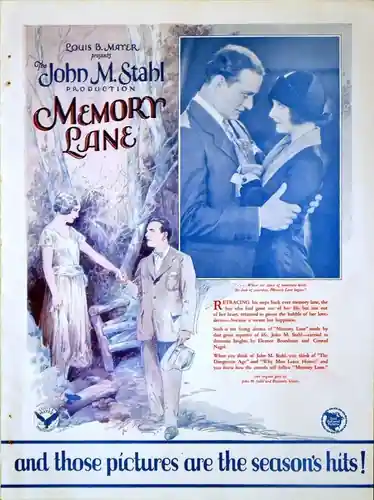
Compare this to the more theatrical approach in Lady Hamilton. Where that film goes for the rafters, Stahl goes for the jugular. He understands that a flickering candle or a shadow cast across a doorway can convey more than a grand monologue. His direction here is surgical, stripping away the artifice of the era to reveal the raw nerves of his characters. He avoids the pitfalls of the 'fallen woman' trope, instead presenting Mary as a victim of her own indecision rather than a moral failure.
Eleanor Boardman’s performance is the spine of the film. In an era where many actors were still relying on exaggerated stage gestures, Boardman is remarkably restrained. Her performance is all in the eyes. When Joe (William Haines) reappears, her reaction isn't a dramatic gasp or a faint; it’s a subtle tightening of the jaw and a distant look that suggests her mind has already left the room. It is a performance that feels modern, even a century later. She makes the audience feel the weight of her secret, turning the honeymoon suite into a psychological pressure cooker.
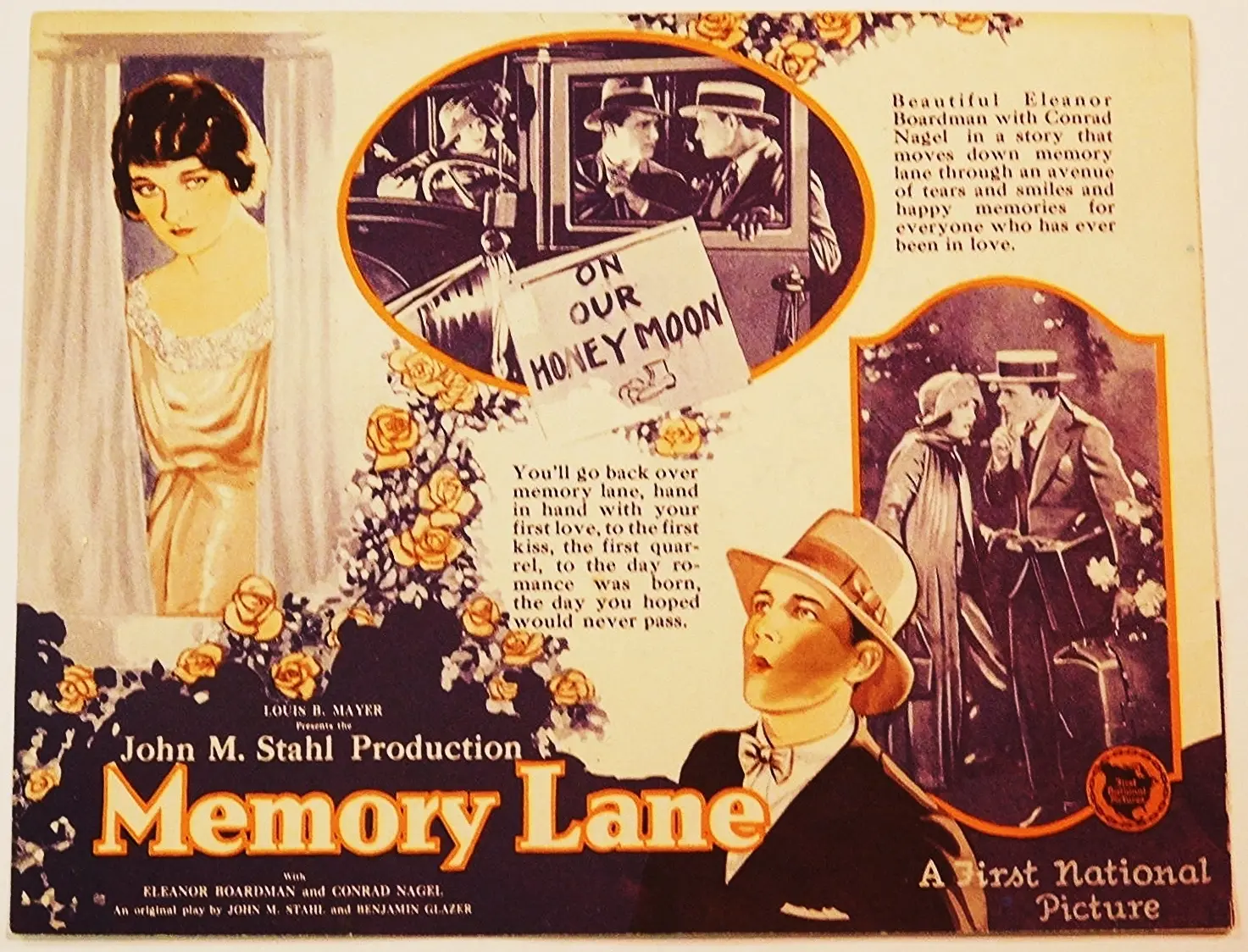
William Haines, usually known for his 'smart-aleck' persona in films like Percy, brings a surprising amount of depth to Joe. He isn't a villain trying to steal a bride; he’s a man who realized too late what he lost. The chemistry between Boardman and Haines is palpable, which makes the presence of Conrad Nagel’s Jimmie all the more tragic. Nagel plays the 'stuffed shirt' role with just enough humanity that you don't hate him, but you certainly don't root for him. He represents the safe choice, the boring choice, the choice that society demands. It’s a dynamic that works because it’s so damn relatable.
The central conflict of Memory Lane is a battle between passion and duty. When Jimmie discovers Joe has followed them on their honeymoon, the film shifts from a romance into something closer to a thriller. The confrontation is handled with a surprising amount of nuance. There are no fisticuffs; instead, there is a tense, quiet dialogue (via title cards) that feels like a deposition. Jimmie’s realization that his wife’s heart is elsewhere is played with a stoic heartbreak that is genuinely moving.
This thematic depth is what separates Memory Lane from other contemporary dramas like Miss Nobody. While other films might have resolved this with a convenient accident or a sudden change of heart, Stahl and writer Benjamin Glazer allow the characters to wallow in their choices. The film suggests that even if Mary stays with Jimmie, the ghost of Joe will always be there, sitting at the dinner table. It’s a cynical take for 1926, and that cynicism is exactly what gives the film its bite.
The cinematography in Memory Lane is deceptively simple. The lighting in the honeymoon sequences is particularly effective, using high-contrast shadows to mirror the fractured state of the marriage. There is a specific shot where Mary is caught between the two men, and the lighting splits her face in half—one side in light, the other in darkness. It’s a visual metaphor that might seem heavy-handed today, but in the context of 1920s visual storytelling, it is incredibly sophisticated.
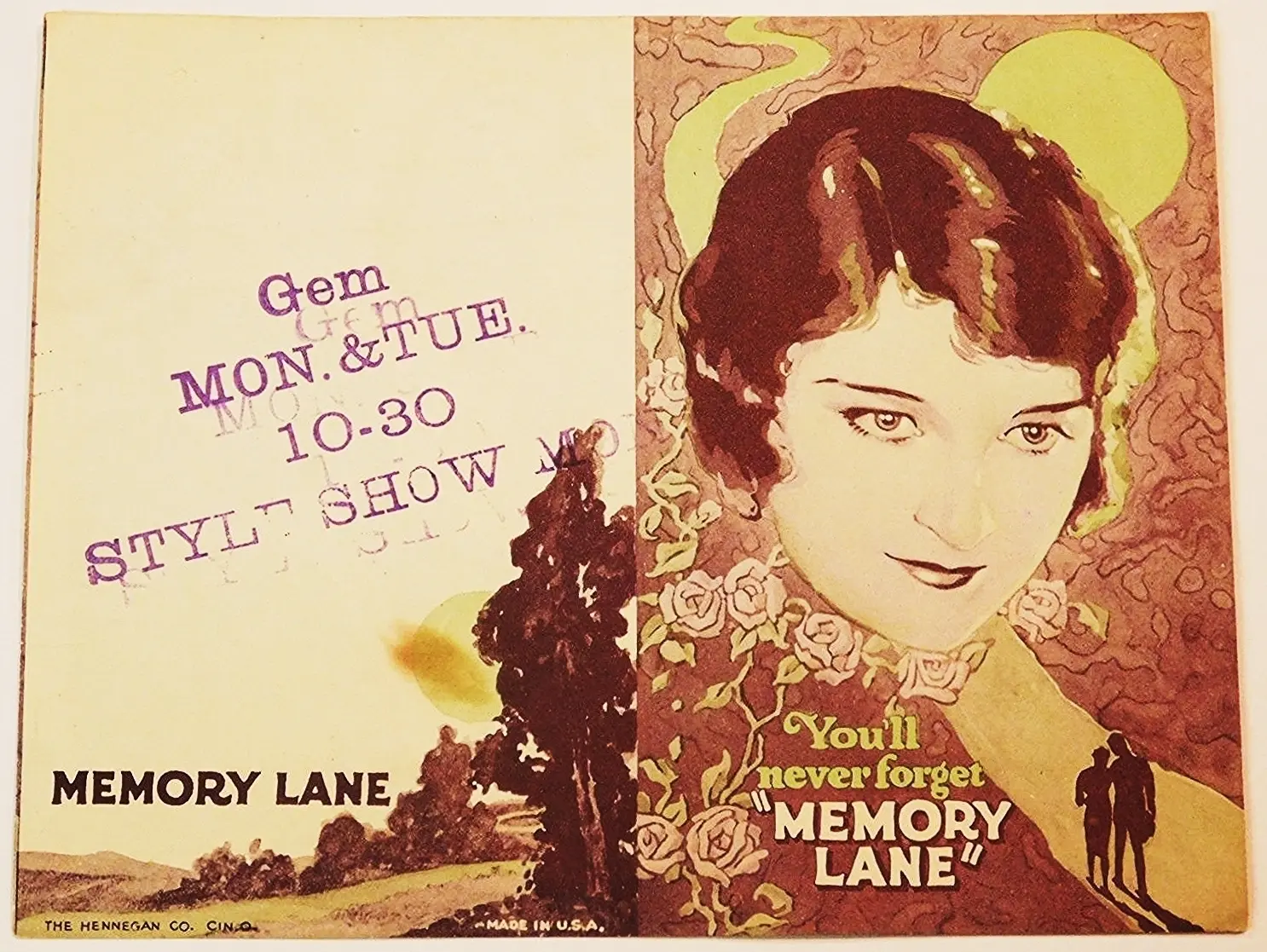
The pacing, however, is where some modern viewers might struggle. The first act takes its time setting up the wedding, and the middle section feels like it circles the same emotional beat for a few minutes too long. But this slow burn is intentional. Stahl wants you to feel the boredom and the routine that Mary is so desperate to escape. If the film moved any faster, we wouldn't feel the weight of her entrapment. It’s a bold choice that pays off in the final act, making the resolution feel earned rather than forced.
One of the most unconventional aspects of Memory Lane is its treatment of the 'other man.' Usually, in this era, the man who interrupts a marriage is portrayed as a cad. Here, Joe is genuinely sympathetic. The film almost seems to argue that Mary should have been with him, which was a radical stance for a mainstream 1920s production. It subtly critiques the social pressure on women to marry for security rather than love. This subversive undercurrent makes the film feel far more progressive than its peers, such as The High Horse.
Compared to Scandal, Memory Lane is more focused on the internal world of its protagonist. While Scandal deals with the external pressures of society, Memory Lane is about the internal pressure of the heart. It’s a more intimate, and ultimately more devastating, film. It lacks the grand scale of The Moonstone, but it makes up for it with emotional depth. It’s a quiet tragedy. It works. But it’s flawed.
Memory Lane is a triumph of silent era naturalism. It manages to take a simple premise—a wedding day regret—and turn it into a profound meditation on the human condition. While the comedic subplots involving characters played by Dot Farley or Grady Sutton feel like they belong in a different movie, the core triangle is handled with masterful grace. Eleanor Boardman proves why she was one of the era’s most capable dramatic actresses, and John M. Stahl proves that he was a director of unparalleled empathy. It’s not a masterpiece, but it is a vital piece of cinematic history that deserves to be remembered. If you have the chance to see a restored version, do not pass it up. It is a haunting reminder that the past is never truly dead; it’s just waiting for a honeymoon to reappear.
IMDb —
1917
Community
Log in to comment.