DbcultAccessing Vault...
7.7/10
Senior Film Conservator
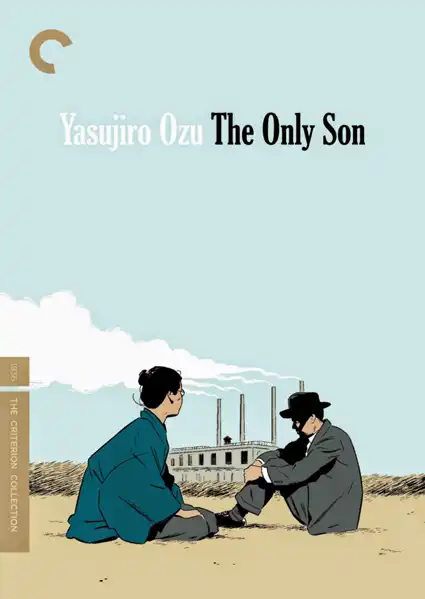
A definitive 7.7/10 rating for a film that redefined the boundaries of cult cinema. The Only Son remains a cornerstone of transgressive art.
You should absolutely watch The Only Son tonight if you like quiet stories that make your chest feel heavy. But please, skip it if you need explosions or characters who actually explain their feelings.
This is Yasujiro Ozu’s first sound film, and man, he really knew how to make silence feel incredibly loud. 😢
The story starts in 1923 with a poor widow working her fingers to the bone in a silk factory. She decides to send her only son to Tokyo so he can become a great man.
Fast forward to 1936, and she finally goes to visit him. She expects to find a big-shot businessman, but instead, he is just a poor night-school teacher living in a dusty, depressing suburb.
They live right next to a giant, smoking garbage incinerator. It is not exactly the grand Tokyo dream she worked so hard for.
If you are looking for a fun, energetic romp like Dance, Fools, Dance, this is definitely not it. It has none of the goofy, chaotic energy you find in comedies like Oh, My Nerves.
There is this one incredibly awkward scene where they go to a movie theater to watch a German film. The son falls asleep almost immediately, leaving his mother sitting alone in the dark, looking totally lost.
You can literally feel the distance growing between them in that dark room. It is a tiny detail, but it says more than a three-page speech ever could.
Another strange thing I noticed was the music. Sometimes a really cheerful, upbeat tune plays during a terribly sad conversation, which is super jarring but somehow works.
Maybe Ozu did that on purpose to show how life just keeps chugging along, even when your heart is breaking. Or maybe they just had a limited music budget back then, who knows!
Choko Iida is absolutely incredible as the mother. She has this tired, stooped posture that tells you her entire life story before she even opens her mouth.
And Chishu Ryu shows up as a retired teacher who now runs a fried-cutlet stand. He looks so young here, it actually took me a second to recognize him! 😮
Their conversations are full of long pauses where nobody says anything. In a modern Hollywood movie, someone would have started crying or screaming, but here, they just stare at the floor.
It feels so much more like real life because of that. Sometimes you are just too tired to make a big scene.
If you enjoyed the domestic sadness of Wedding Blues, this film will probably hit you in the exact same spot. But Ozu’s style is much more stripped-down and raw.
Yes, even if black-and-white films from the 1930s usually bore you. It is only about eighty minutes long, so it does not overstay its welcome.
Just be prepared to feel a little bit empty inside when the credits roll. It is a tough watch, but some movies are worth a little bit of heartbreak.
IMDb —
1919
Community
Log in to comment.