DbcultAccessing Vault...
Cult Review
Senior Film Conservator
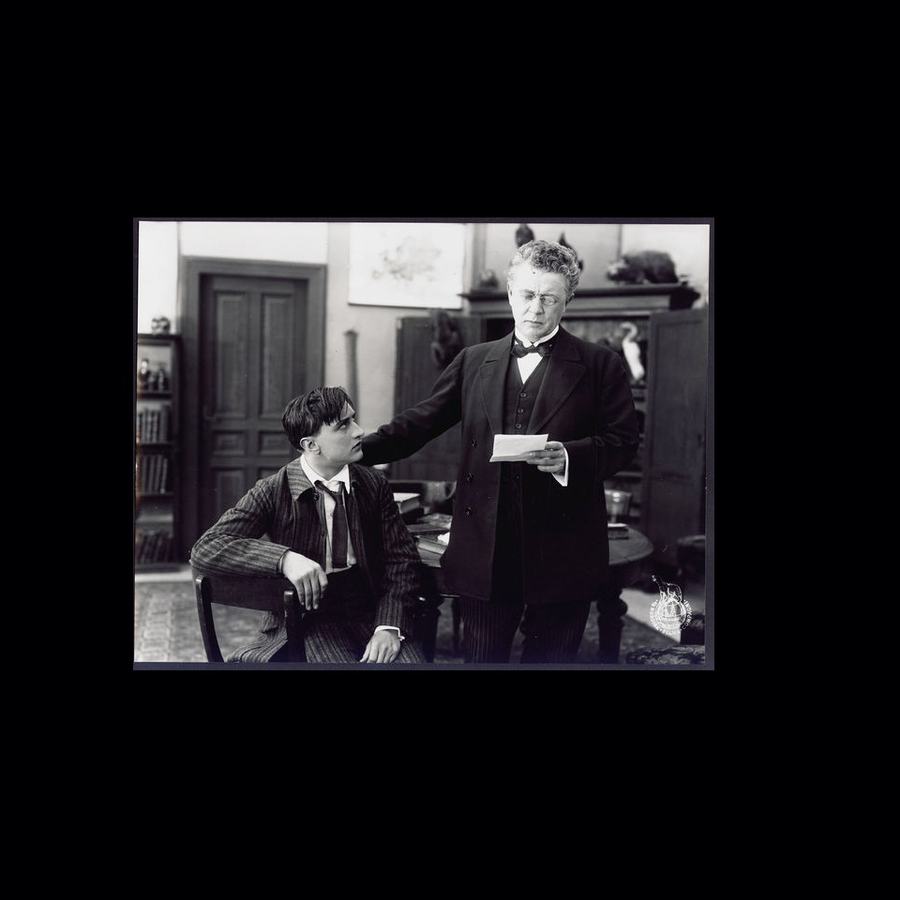
In the annals of early cinema, certain films, despite the passage of decades, continue to reverberate with an emotional potency that transcends their silent origins. Emmy Drachmann’s masterful creation, En Søns Kærlighed (A Son’s Love), stands as a monumental example, a cinematic tapestry woven with threads of profound sacrifice, societal critique, and an unwavering exploration of human resilience. This Danish melodrama, a veritable tour de force of its era, delves into the intricate psychological landscape of familial bonds, particularly the formidable strength of a son’s devotion, set against a backdrop of stark economic disparity and moral corruption.
At the narrative’s core is Erik, brought to life with an almost unbearable sincerity by Johannes Ring. Ring’s portrayal is a study in quiet fortitude, his every gesture and expression conveying the crushing weight of responsibility that rests upon his young shoulders. Erik’s life is an incessant struggle, defined by the precarious health of his beloved mother, played with heart-wrenching vulnerability by Maja Bjerre-Lind, and the relentless erosion of their family’s financial stability. Bjerre-Lind, a stalwart of the Danish stage and screen, imbues the ailing mother with a fragile dignity that makes her plight all the more sympathetic. Her very presence, though often frail, serves as the unwavering moral compass for Erik, dictating his every decision, every sacrifice.
Erik’s world, already fraught with hardship, gains a glimmer of hope and a surge of complexity through his unspoken affection for Clara, a character exquisitely rendered by Augusta Blad. Blad captures Clara’s spirited independence and her inherent goodness, even as she navigates the gilded cage of her privileged upbringing. Her father, the formidable industrialist, is personified by Arne Weel, whose performance drips with an almost palpable avarice and ruthless ambition. Weel masterfully crafts a villain who is not merely evil for evil’s sake, but a product of an unchecked capitalist system, a man whose moral compass has been irrevocably skewed by the pursuit of wealth and power. The stark contrast between Erik’s impoverished virtue and Weel’s opulent depravity forms a central ideological conflict that permeates every frame of the film.
The plot, meticulously crafted by Emmy Drachmann, builds with an inexorable momentum. When Erik’s mother’s condition deteriorates, necessitating an expensive operation, Erik is driven to desperate measures. He takes a position within Clara’s father’s sprawling industrial empire, hoping to earn the necessary funds. This decision, born of filial piety, thrusts him directly into the heart of a moral quagmire. He unearths a chilling reality: the industrialist’s prosperity is built upon the exploitation of his workers and a series of morally reprehensible business practices, including a nefarious scheme that threatens to devastate Erik’s own community, a community already teetering on the brink of economic collapse. This discovery places Erik in an agonizing dilemma: expose the corruption and jeopardize his mother’s treatment, or remain silent and become complicit in the suffering of his neighbors.
The narrative reaches its dramatic zenith when a critical document, detailing the industrialist’s illicit activities, mysteriously vanishes. In a cruel twist of fate, Erik becomes the primary suspect, framed not only for its theft but also for an act of industrial sabotage that conveniently coincides with the disappearance of the funds earmarked for his mother’s surgery. The implications are catastrophic. Clara, initially torn between her growing affection for Erik and the unwavering loyalty to her father, finds herself in an emotional maelstrom. The film brilliantly explores the agony of her internal conflict, as she grapples with the conflicting narratives presented to her, her heart urging one path, her societal conditioning another.
In a moment of profound, almost biblical, self-sacrifice, Erik makes a choice that defines the very essence of the film’s title. To shield his ailing mother from the scandal and the crushing emotional burden of his perceived guilt, he stoically accepts the blame, sacrificing his reputation, his freedom, and the nascent promise of a life with Clara. This act of self-abnegation is depicted with a raw, unflinching honesty that resonates deeply. It is a love so pure, so unyielding, that it willingly embraces ignominy to preserve the peace and well-being of another. This theme of profound personal sacrifice for a greater good, or for a loved one, echoes through other cinematic works of the era, such as the intense emotional turmoil seen in Leah Kleschna, where characters wrestle with moral compromises under duress.
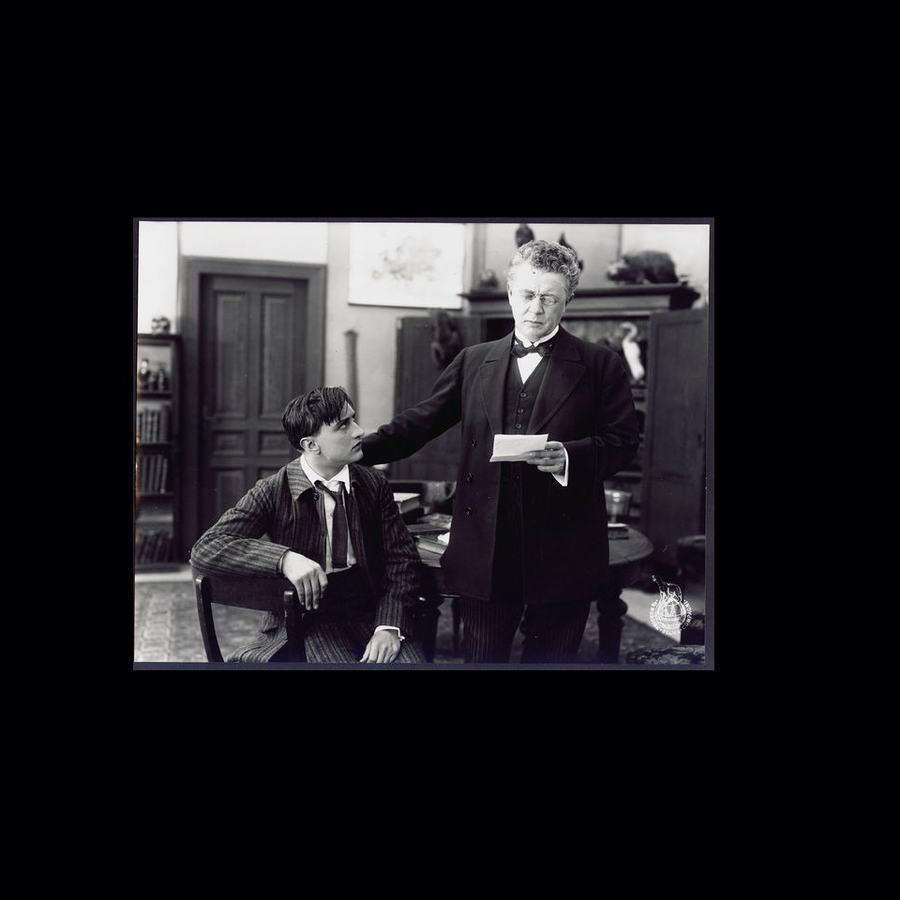
The supporting cast contributes significantly to the film’s rich texture. Anton de Verdier, as the astute and morally upright lawyer, provides a much-needed counterpoint to the pervasive corruption, becoming a beacon of hope for Erik’s eventual vindication. His measured performance lends credibility to the often-heightened emotions of melodrama. Axel Broe, perhaps as a loyal friend or a compassionate fellow worker, further grounds the narrative, representing the common man’s struggle and inherent decency. Bent Bereny and Stella Lind, in their respective roles (perhaps a foreman and a nurse, or other sympathetic figures), add further dimensions to the film's social panorama, illustrating the ripple effects of the industrialist's actions and the collective yearning for justice.
Emmy Drachmann’s screenplay is a masterclass in crafting a compelling, emotionally charged narrative. Her ability to weave intricate character motivations with a biting social commentary is truly remarkable. Drachmann understood the power of visual storytelling, allowing the actors’ expressions and the carefully staged tableaux to convey depths of emotion that words often fail to capture. The pacing, though deliberate by modern standards, allows the audience to fully immerse themselves in Erik’s plight, to feel the weight of his impossible choices. Her vision is one that champions integrity and compassion, even in the face of overwhelming adversity, a sentiment that resonates with the moral backbone found in films like The Patriot, albeit in a different context of duty.
Visually, En Søns Kærlighed employs the nascent cinematic techniques of its era with considerable skill. The cinematography, while lacking the kinetic dynamism of later periods, effectively uses chiaroscuro lighting to highlight emotional states and delineate character. The stark contrast between the opulent, often shadowy interiors of the industrialist’s mansion and the humble, yet sun-drenched, spaces inhabited by Erik and his mother visually reinforces the film’s central themes of class struggle and moral purity versus corruption. Close-ups, though used sparingly, are deployed with maximum impact, capturing the nuanced anguish on Ring’s face or the quiet desperation in Bjerre-Lind’s eyes. The staging of crowd scenes, particularly those depicting the exploited workers, conveys a powerful sense of collective suffering and simmering discontent, reminiscent of the social realism found in films like Children of Eve, which also explored the struggles of the working class.
The film’s thematic richness extends beyond filial love. It is a powerful indictment of unchecked industrialism and the systemic injustices it perpetrates. It explores the corrosive effects of greed on the human spirit and the profound moral courage required to resist such forces. The narrative deftly balances personal drama with broader social commentary, making it more than just a family melodrama; it's a reflection of the societal anxieties and ethical debates prevalent during its time. The desperate circumstances faced by Erik, driven to the edge by economic necessity, find parallels in the stark choices presented in films like The Devil's Needle, where characters are pushed to extreme measures to survive or protect loved ones.
The path to Erik’s vindication is fraught with tension and serves as the film’s gripping climax. Clara, her conscience stirred by Erik’s unwavering dignity and the lawyer’s persistent inquiries, begins to question her father’s narrative. Her journey of discovery, as she peels back the layers of deceit, is both a personal awakening and a pivotal plot device. It’s a testament to the power of truth, however buried, to eventually surface and challenge the most formidable of lies. The final confrontation, though silent, would have been amplified by the live musical accompaniment of the era, conveying the profound emotional release and the triumph of justice over corruption. This narrative arc, where truth slowly unravels a web of lies, carries a universal appeal, much like the slow-burn revelations in stories such as From Dusk to Dawn (though vastly different in genre and tone, the dramatic reveal is key).
In conclusion, En Søns Kærlighed is far more than a historical curiosity; it is a timeless exploration of human virtue, the trials of love, and the unyielding power of familial devotion. Emmy Drachmann’s insightful writing, combined with the compelling performances of Maja Bjerre-Lind, Johannes Ring, Augusta Blad, and Arne Weel, creates a cinematic experience that remains deeply affecting. The film’s ability to evoke such strong emotions without spoken dialogue is a testament to the artistry of its creators and the raw power of visual storytelling. It reminds us that some loves are so profound, so all-encompassing, that they demand the ultimate sacrifice, leaving an indelible mark on both the characters within the story and the audience who bears witness to their journey. This Danish gem deserves to be rediscovered, appreciated not just for its historical significance, but for its enduring message of hope, resilience, and the relentless pursuit of justice, even when the odds seem insurmountable. Its powerful narrative of personal sacrifice resonates with the struggles and triumphs seen in other classics, such as the dramatic stakes of Vendetta or the unwavering commitment of characters in Shannon of the Sixth, highlighting the universal appeal of stories centered on profound human dedication and moral courage.

IMDb —
1917
Community
Log in to comment.