DbcultAccessing Vault...
Cult Review
Senior Film Conservator
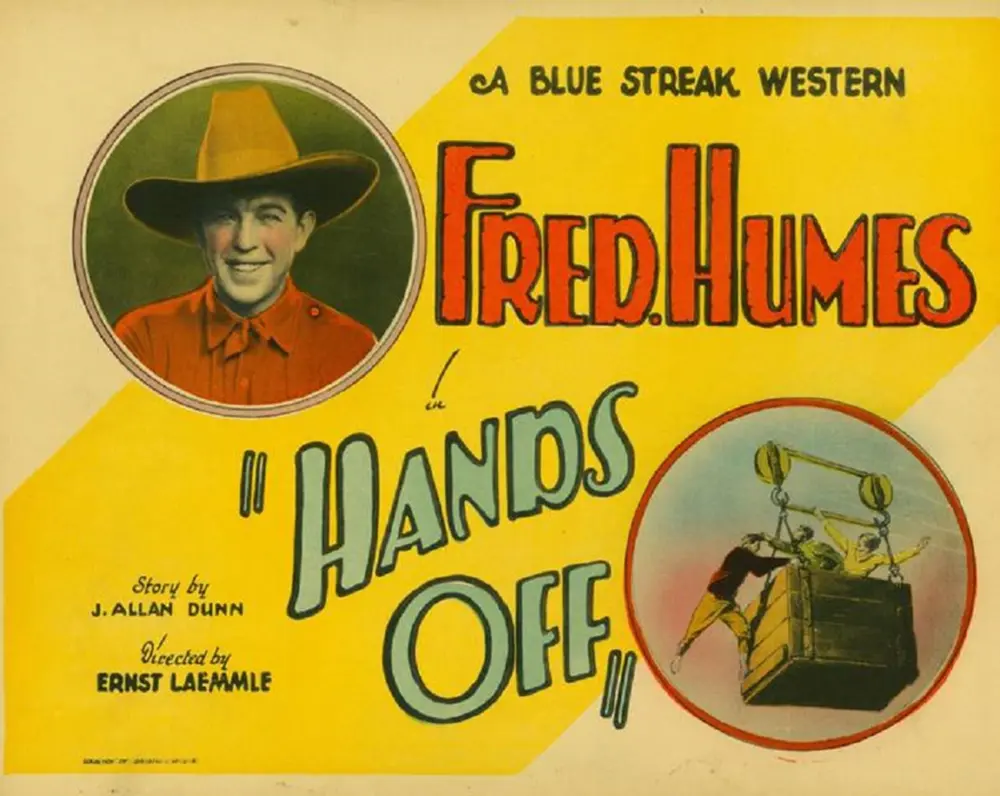
Is Hands Off (1927) a silent era classic worth your time? Short answer: yes, but only if you have an appetite for the unvarnished, blue-collar roots of the Western genre. This isn't a high-budget epic; it is a lean, character-driven story about the weight of a promise. It is specifically for those who enjoy the transition period of 1920s cinema where the tropes were still being forged in the dirt. It is absolutely not for viewers who find the slow, deliberate pacing of silent film to be a barrier to enjoyment.
1) This film works because it grounds its stakes in a personal moral code rather than just a quest for riches. 2) This film fails because the legalistic middle act slows the momentum to a crawl. 3) You should watch it if you want to see a protagonist who feels more like a vulnerable human being than an invincible gunslinger.
Fred Humes, playing the drifter Sandy Loom, brings a grounded energy to the role that distinguishes him from the more theatrical stars of the time. While films like The Midnight Guest explored different shades of mystery, Hands Off is content to let its grit speak for itself. The opening sequence, where Sandy finds Jim Perkins, is shot with a stark realism that highlights the isolation of the frontier. There is no grand music to swell—only the visual of a man passing his legacy to a stranger.
Fred Humes was often overshadowed by the likes of Tom Mix or Hoot Gibson, but in Hands Off, he displays a quiet intensity. He doesn't overact. His Sandy Loom is a man of few words (even for a silent film), letting his physical presence and the way he handles a shovel or a gun tell the story. Contrast this with the performance in South Sea Love, and you see a much more restrained approach to the 'man of action' archetype.
The supporting trio of Professor Hawley and 'Stills' Manners provides the necessary levity. While the 'comic relief sidekick' is a trope as old as the hills, Nelson McDowell and the rest of the crew manage to make it feel earned. They aren't just there for laughs; they are active participants in the defense of the claim. Their chemistry reminds one of the ensemble dynamics found in Sally in Our Alley, though adapted for the rugged Western setting.
Bruce Gordon’s portrayal of Simeon Coe is a masterclass in the 'land shark' archetype. He isn't a cartoonish villain; he is a bureaucrat with a cold heart. He uses the law as a weapon, which is a far more terrifying prospect than a simple outlaw. The scene where he stands before the judge, attempting to lie his way into Myra’s life, is genuinely unsettling. It highlights a recurring theme in 1927 cinema—the fear of institutional corruption, something also touched upon in Guilt.
Coe’s eventual demise in the mine shaft is poetic justice, but the film takes its time getting there. The tension builds through a series of escalations that involve the sheriff and the local legal system, making Sandy’s eventual arrest feel like a genuine obstacle rather than a plot convenience. It works. But it’s flawed in its execution during the second act.
The cinematography in Hands Off is functional yet evocative. Director Robert F. Hill uses the natural light of the California hills to create a sense of vastness and vulnerability. Unlike the more stylized approach seen in Dark Secrets, this film embraces the dust. You can almost feel the heat on the screen. The mine shaft climax is particularly well-staged, using shadows and tight framing to create a sense of claustrophobia that contrasts with the open plains of the earlier scenes.
The pacing, however, is where the film shows its age. There are sequences involving the filing of the claim that could have been trimmed. While necessary for the plot, they lack the visceral punch of the action sequences. It’s a common issue in B-Westerns of the era, where the narrative structure often mimics the repetitive nature of the work it depicts.
If you are a student of film history, Hands Off is a fascinating look at the late-silent Western. It doesn't rely on the high-octane stunts of Dick Turpin's Ride to York, choosing instead to focus on the interpersonal drama of a makeshift family. It’s a story about the transition from the lawless drifter life to a life of responsibility and community. For the average viewer, it might feel a bit thin, but for those who love the era, it’s a solid piece of filmmaking.
Pros:
Cons:
Hands Off (1927) is a sturdy, if unexceptional, example of the silent Western. It benefits from a strong moral core and a lead actor who understands the power of restraint. While it lacks the visual experimentation of Rhythmus 23 or the high drama of The Cost, it remains a compelling look at frontier justice. The ending, which prioritizes human connection over material wealth, is a refreshing subversion of the typical gold-rush narrative. It isn't a masterpiece, but it is a job well done. It’s a film that knows exactly what it is and doesn't try to be anything else. For a 1927 B-Western, that’s more than enough.
IMDb —
1916
Community
Log in to comment.