DbcultAccessing Vault...
7.2/10
Senior Film Conservator
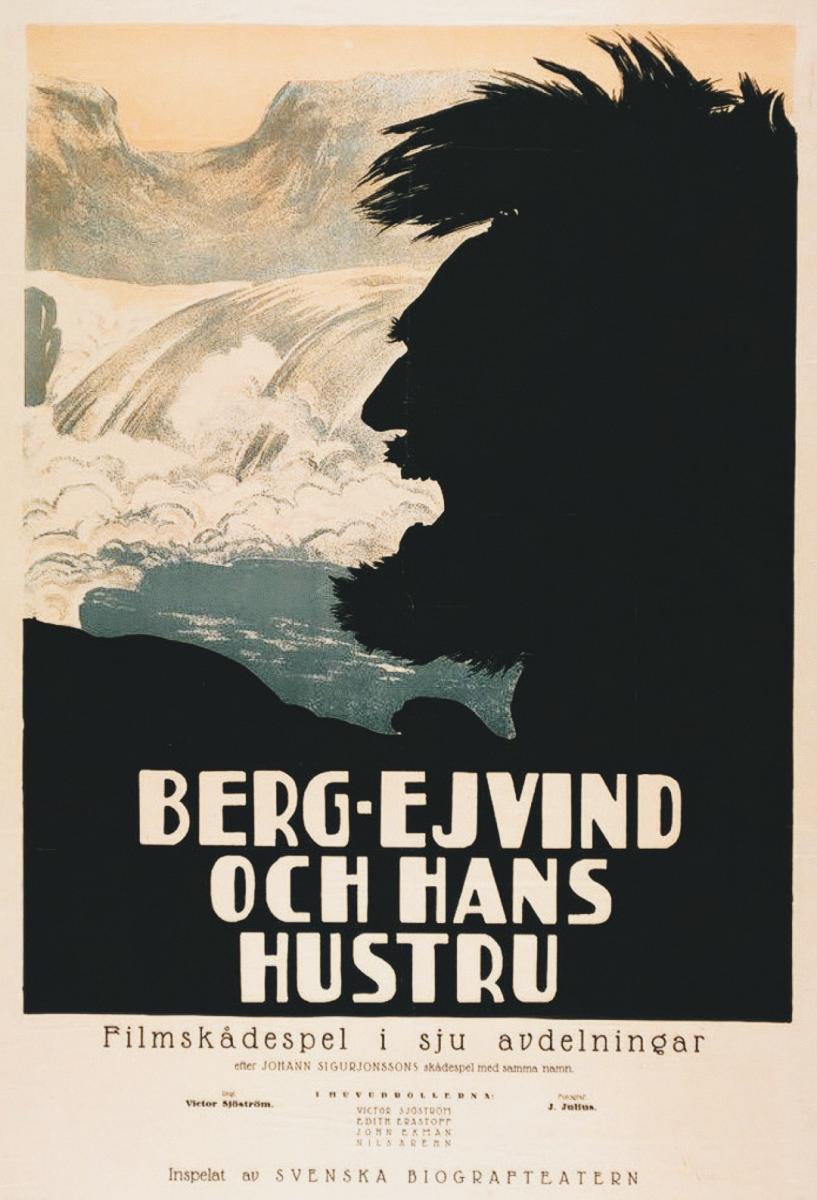
A definitive 7.2/10 rating for a film that redefined the boundaries of cult cinema. The Outlaw and His Wife remains a cornerstone of transgressive art.
In the annals of silent cinema, few films resonate with the raw, elemental power of Victor Sjöström’s 1918 Swedish masterpiece, The Outlaw and His Wife (original title: Berg-Ejvind och hans hustru). This is not merely a film; it is a primal scream against societal strictures, a testament to enduring love, and a visual poem etched onto the rugged canvas of the Icelandic wilderness. Based on Jóhann Sigurjónsson's play, adapted for the screen by Sam Ask and Sjöström himself, the narrative plunges us into an existential struggle where survival is a daily battle and the price of freedom is everything.
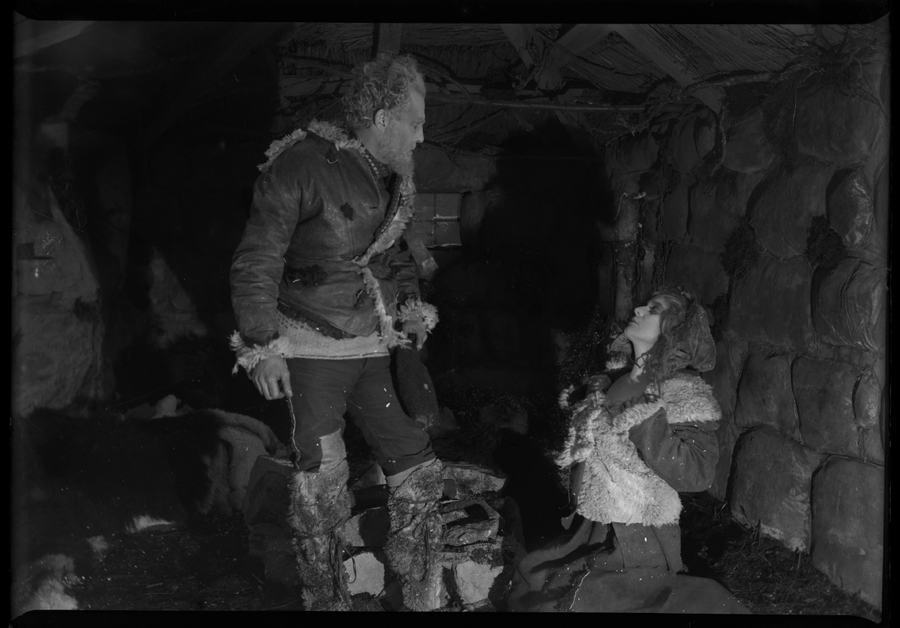
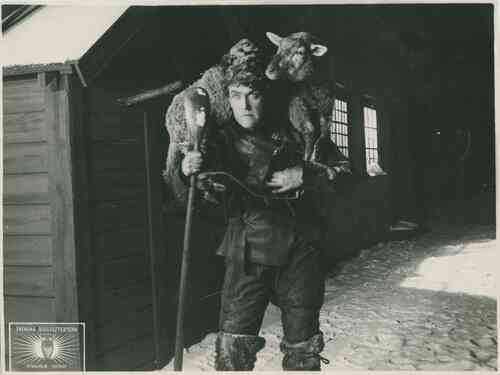
The story of Ejvind, portrayed with a visceral intensity by Sjöström himself, begins in the crucible of desperation. His family, teetering on the brink of starvation, compels him to seek aid from the affluent, unyielding local priest. The priest's cold refusal ignites a spark of rebellion in Ejvind, driving him to a desperate act: the theft of a sheep. This single transgression, born of necessity, irrevocably alters his destiny. Caught and imprisoned, Ejvind's subsequent escape transforms him from a struggling farmer into a hunted outlaw, a pariah in the eyes of the law, yet a symbol of resilience against an indifferent world. This initial transgression, a mere act of survival, sets in motion a cascade of events that explore the very definitions of justice and morality.
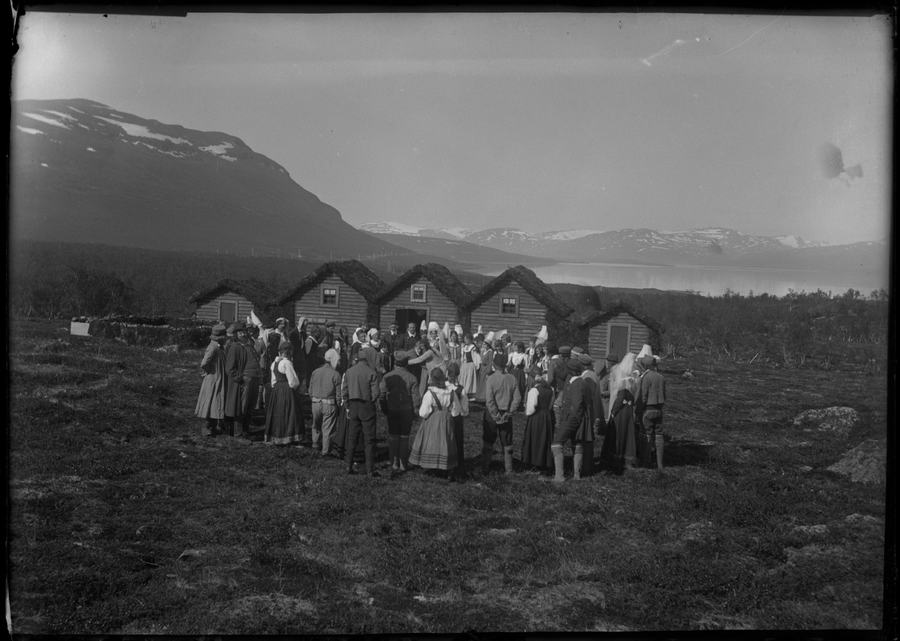
What elevates The Outlaw and His Wife beyond a simple tale of crime and punishment is its profound exploration of human connection amidst adversity. Ejvind’s flight from the law leads him to Bergliot, a strong-willed, independent woman (played with captivating grace by Hildur Carlberg) who sees beyond his outlaw status to the man beneath. Their bond forms the emotional core of the film, a defiant assertion of love and loyalty against a world that seeks to crush them. Their shared existence in the desolate mountains, a sanctuary and a prison simultaneously, becomes a crucible for their relationship, forging a bond that is both tender and fiercely resilient. This narrative arc, where love blossoms in the most inhospitable of circumstances, recalls the passionate, untamed spirit seen in films like Salomy Jane, where characters find their own moral code in the wild, far from the judgments of society.
Sjöström’s directorial vision is nothing short of breathtaking. He masterfully harnesses the epic scope of the Icelandic landscape, transforming it from a mere backdrop into an active character in the drama. The jagged peaks, the swirling snowstorms, the vast, empty plains – all reflect the internal turmoil and external pressures faced by Ejvind and Bergliot. The stark beauty and brutal indifference of nature mirror their own precarious existence, a constant reminder of their vulnerability yet also their strength. Each frame is meticulously composed, showcasing Sjöström’s nascent genius for visual storytelling, a trait that would later define his illustrious career. The use of natural light, the long shots emphasizing human insignificance against colossal nature, and the intimate close-ups revealing profound emotion are all hallmarks of a director far ahead of his time.
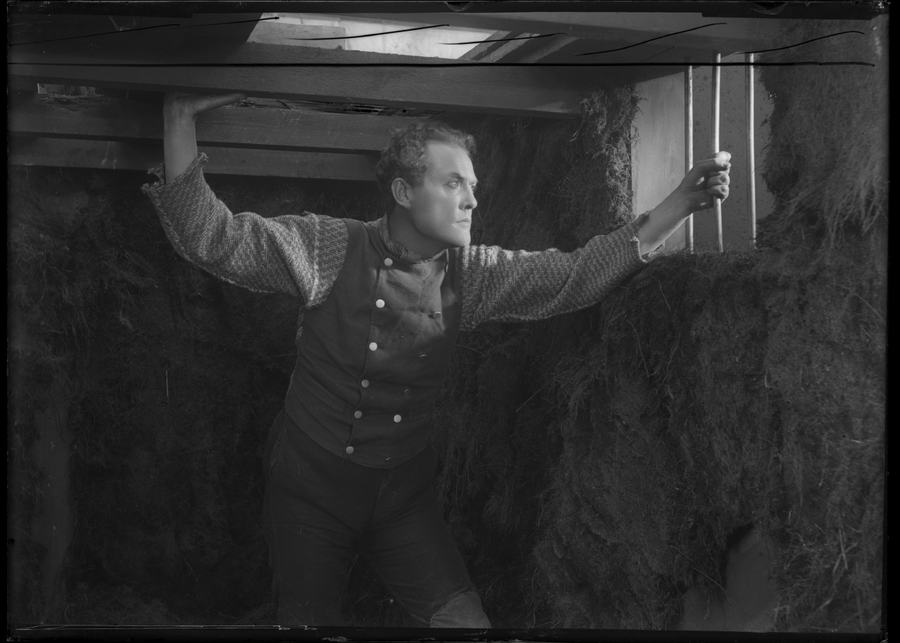
The performances, particularly from Sjöström and Carlberg, are extraordinary. Sjöström’s Ejvind is a study in quiet desperation and fierce determination. His eyes convey volumes – the hunger, the fear, the love, and finally, the exhaustion of a man perpetually on the run. Carlberg’s Bergliot is equally compelling, a woman of immense inner strength and unwavering loyalty, who chooses a life of hardship with the man she loves over societal comfort. Her transformation from a relatively settled woman to a resilient partner in outlawry is portrayed with a nuanced understanding of character rarely seen in early cinema. The chemistry between them is palpable, a silent dialogue of devotion that anchors the film's emotional weight. Supporting roles, though less prominent, add texture to the narrative. John Ekman as Arnes, the persistent pursuer, embodies the relentless hand of the law, while Olof Ås and Walerie Alexandrow-Höök contribute to the tapestry of the community Ejvind leaves behind.
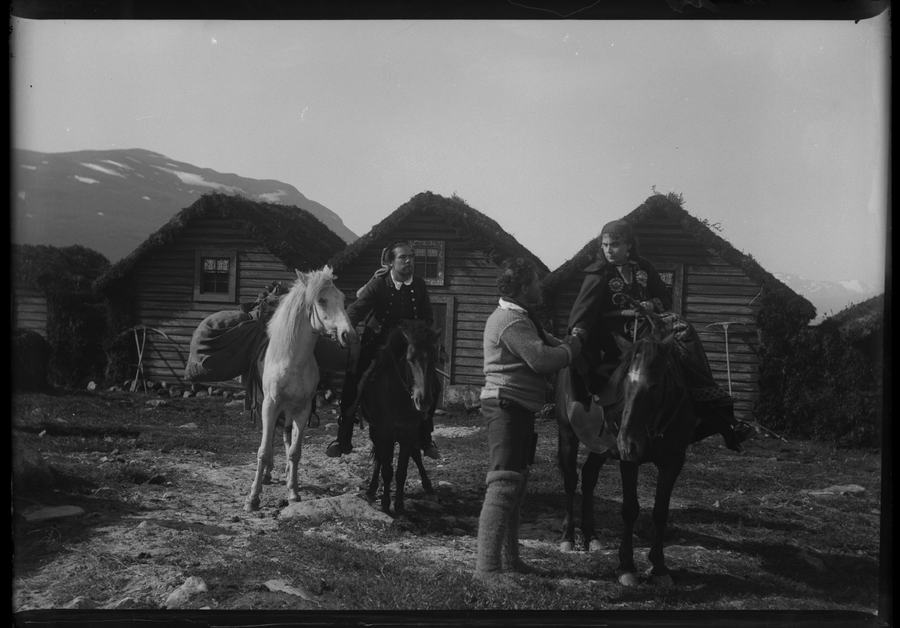
The challenges of filming in such remote and harsh conditions are evident in every frame, lending an authenticity that digital effects can only dream of replicating. The sheer physical commitment of the cast and crew imbues the film with an almost documentary-like realism, enhancing the dramatic tension and making the characters' struggles feel incredibly visceral. This dedication to capturing authentic environments can be seen in other contemporary films like Big Timber, where the harshness of nature is integral to the human drama.
Beyond its thrilling plot and stunning visuals, The Outlaw and His Wife grapples with profound philosophical questions. What constitutes justice when basic survival is at stake? Is the law always moral, or can it be an instrument of oppression? The film implicitly critiques the rigidity of societal norms and the hypocrisy of those who uphold them, particularly the priest who denies charity but demands restitution. It champions a more natural, instinctual form of justice, one rooted in empathy and the fundamental right to exist. This tension between societal law and personal morality is a timeless theme, explored in various forms across cinema, from the desperate choices in The Thousand-Dollar Husband to the pursuit of individual freedom in The Arab.
The film also delves into the psychology of isolation. As Ejvind and Bergliot retreat further into the wilderness, their world shrinks, intensifying their reliance on each other. The psychological toll of being hunted, of constant vigilance, slowly erodes their spirits. The beautiful but brutal landscape offers temporary solace but ultimately becomes a trap, a metaphor for the inescapable consequences of their choices. This psychological depth, a hallmark of Sjöström's later work, is remarkably present here, showcasing his early mastery of character-driven drama. The gradual descent into desperation, the moments of fleeting joy contrasted with overwhelming despair, are handled with a sensitivity that belies the film's silent nature.
The Outlaw and His Wife stands as a pivotal work in Swedish cinema, laying the groundwork for what would become known as the 'Golden Age' of Swedish silent film. Its influence on subsequent filmmakers, both within Sweden and internationally, cannot be overstated. Sjöström’s ability to imbue landscape with emotional resonance, to explore complex moral dilemmas, and to elicit powerful performances from his actors set a new standard for cinematic artistry. The film's poetic realism and its unflinching portrayal of human struggle paved the way for future masterpieces and established Sjöström as one of the world's first great auteurs. One can draw parallels to the way films like Life's Whirlpool explored the relentless pressures of existence, though perhaps with less of the epic scale and rugged individualism that defines Sjöström’s work here.
In an era when cinema was still finding its voice, Sjöström demonstrated its immense potential for dramatic depth and artistic expression. The film’s narrative structure, though linear, is punctuated by moments of intense emotional weight and breathtaking visual poetry. The pacing, deliberate and measured, allows the audience to fully immerse themselves in the characters' plight and the unforgiving grandeur of their surroundings. Even today, the film retains a striking modernity, its themes of social injustice, the pursuit of freedom, and the power of love remaining as relevant as ever. The pursuit of Ejvind, often by determined figures like Arnes (John Ekman), mirrors the relentless tension found in chase narratives like On Dangerous Ground, albeit with a starker, more existential dread.
To watch The Outlaw and His Wife today is to witness a profound piece of cinematic history, a work that transcends its silent origins to speak directly to the human condition. It is a stark reminder of the sacrifices made for love and freedom, and the enduring power of the human spirit in the face of insurmountable odds. The film doesn't offer easy answers; instead, it invites contemplation on the very nature of law, morality, and the boundaries of human endurance. It challenges the viewer to question whether the 'outlaw' is truly the villain, or merely a victim of circumstance and an unfeeling system. The compelling performances from Hildur Carlberg and Victor Sjöström himself, alongside the evocative cinematography, ensure its place as an indelible classic.
For anyone interested in the origins of cinematic storytelling, the development of visual language, or simply a powerful human drama, The Outlaw and His Wife is an essential viewing experience. Its raw beauty, emotional depth, and moral complexity continue to resonate, proving that some stories, told with enough conviction and artistry, are truly timeless. It stands as a monumental achievement, a film that captures the untamed heart of humanity against the backdrop of an equally untamed world. It's a journey into the soul, as much as it is a journey across a wild landscape, leaving an indelible mark on all who witness its stark, compelling beauty.
IMDb —
1924
Community
Log in to comment.