DbcultAccessing Vault...
Cult Review
Senior Film Conservator
Is High School Hero worth watching today? Short answer: yes, but with significant caveats. This film is a fascinating historical curio for classic cinema enthusiasts and those interested in the genesis of the teen drama genre, but it will likely test the patience of modern viewers accustomed to faster pacing and deeper character development.
It is a film best suited for the academic, the cinephile, or anyone with a deep appreciation for the foundational elements of American cinema. Conversely, those seeking a fast-paced, emotionally complex, or particularly profound narrative will find its charms limited. Its value lies less in its narrative prowess and more in its capacity as a historical artifact.
Let's cut to the chase for those wondering about immediate engagement:
High School Hero, a 1927 silent feature, unfurls a narrative that feels both quaintly familiar and surprisingly prescient. It centers on Pete (Nick Stuart) and Bill (John Darrow), two young men whose rivalry predates their high school years. Their competitive spirit, a constant undercurrent in their lives, finds a fresh catalyst in the arrival of Eleanor Barrett (Sally Phipps), the new girl whose charm instantly captures both their attentions.
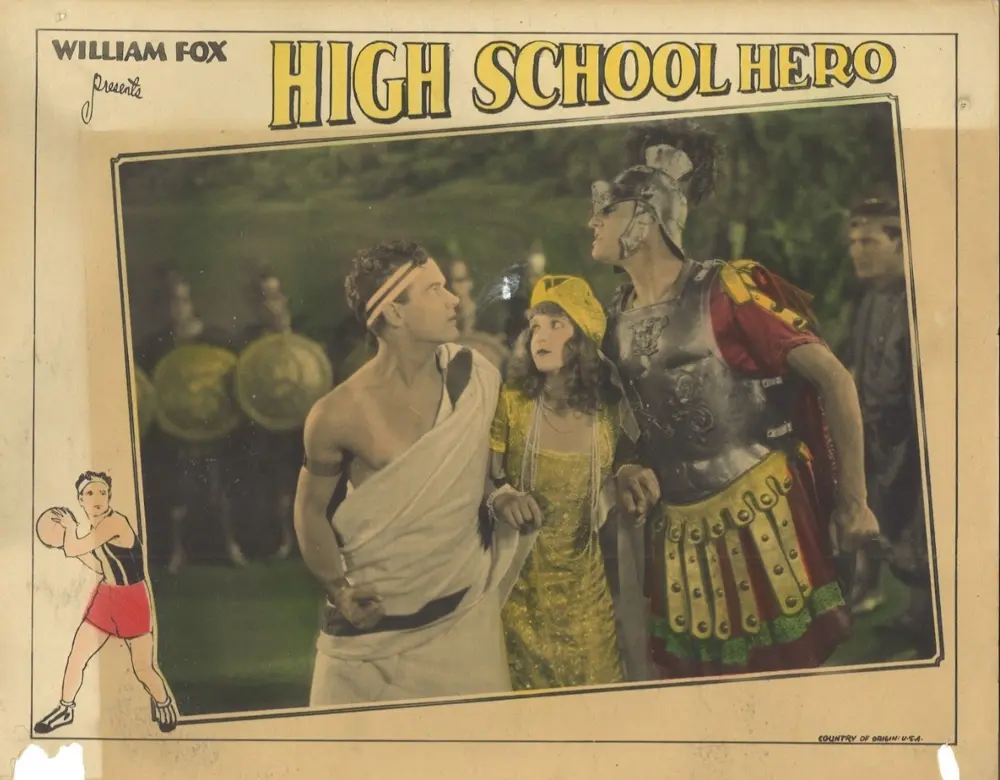
This romantic entanglement quickly bleeds into their academic and extracurricular lives. A particularly memorable, if chaotic, sequence involves the high school Latin class attempting a Roman tragedy, only for it to devolve into an uproarious comic farce. It’s a moment that perfectly encapsulates the film’s lighthearted tone, showcasing the boys’ individual personalities even amidst the theatrical mayhem.
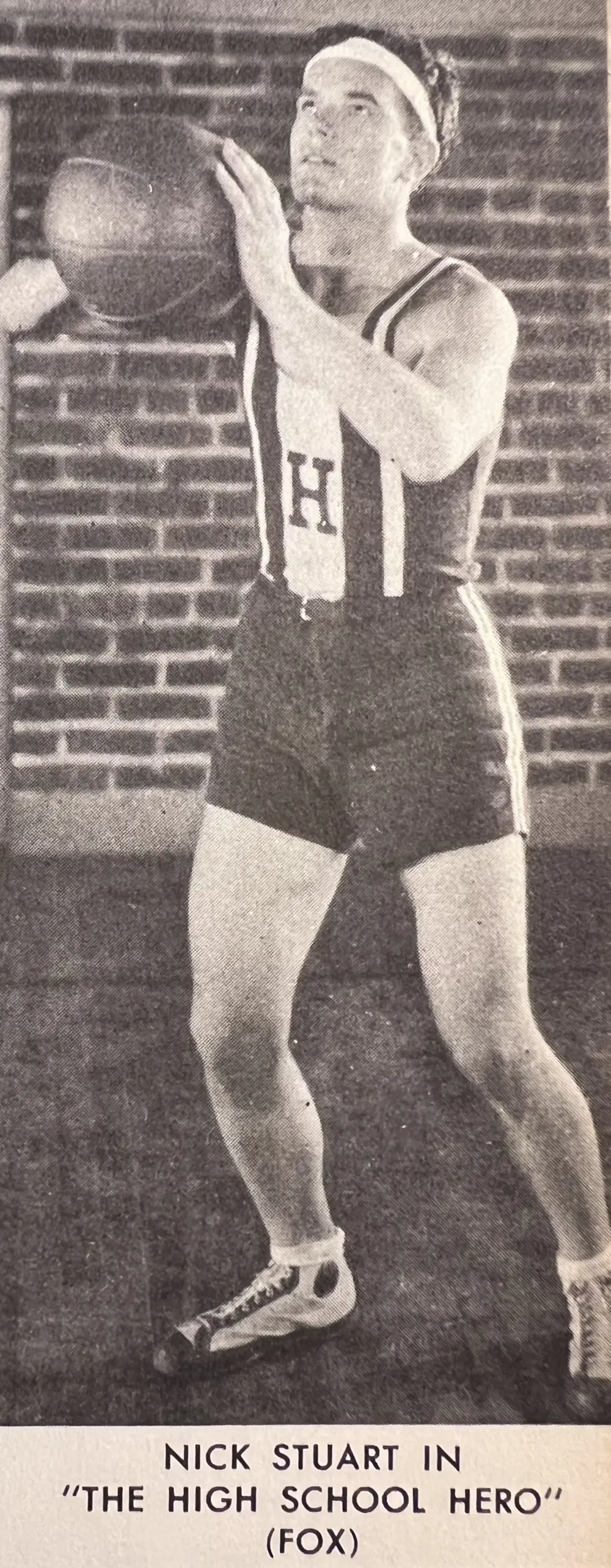
The rivalry escalates, threatening to derail the school’s basketball team – a crucial element of their shared identity and pride. It’s here that the film introduces its central moral dilemma: personal animosity versus collective loyalty. The boys are compelled, albeit reluctantly, to set aside their differences for the greater good of their school. This resolution, while predictable for the era, feels earned within the confines of its simple narrative.
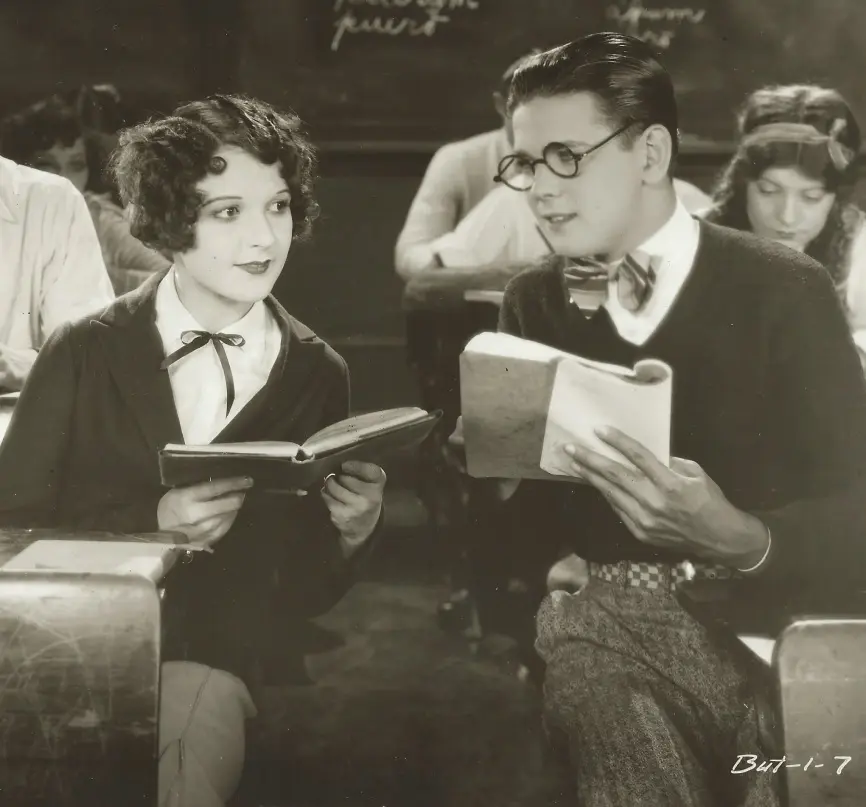
Yet, the most audacious twist, one that subtly subverts the entire premise, arrives with Eleanor’s ultimate choice. Despite being the object of intense competition, her affections quietly shift towards Allen Drew (David Rollins), the unassuming, bespectacled scholar. This narrative turn, while perhaps intended as a comedic punchline, inadvertently highlights the superficiality of the central conflict, making the boys’ earlier squabbles seem almost entirely beside the point. It's a surprisingly modern touch in an otherwise traditional setup.
The performances in High School Hero, typical of the silent era, lean towards the expressive and physical, compensating for the lack of dialogue with exaggerated gestures and facial theatrics. Nick Stuart, as Pete, embodies the boisterous, impulsive rival. His energy is palpable, especially during the Latin play scene where his comedic timing, expressed through frantic movements and wide-eyed reactions, is genuinely effective. He's the archetypal jock with a good heart, if a short fuse.
John Darrow, as Bill, offers a more brooding, intense counterpoint. While Stuart is all outward swagger, Darrow often conveys his character's simmering resentment through subtle shifts in posture and a narrowed gaze. During a pivotal basketball practice, for instance, his lingering glares across the court at Pete speak volumes without a single intertitle. It’s a classic contrast of personalities, foundational to many buddy-cop or rivalry narratives that would follow decades later.
Sally Phipps, as Eleanor Barrett, carries the weight of being the object of affection with a charming, if somewhat passive, grace. Her performance is less about overt emotion and more about reactive expressions – a polite smile here, a flicker of amusement there, and eventually, a subtle shift in her gaze that signals her true romantic interest. It’s a quiet subversion of the 'damsel in distress' trope, as she ultimately determines her own path.
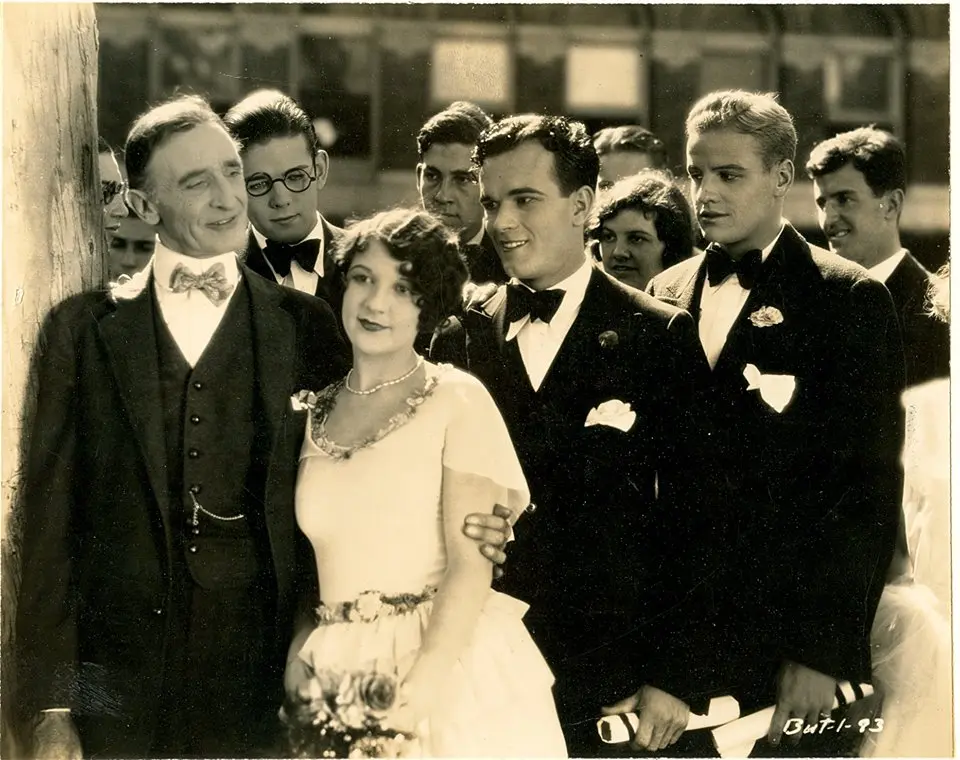
David Rollins, as Allen Drew, is perhaps the most understated yet impactful presence. His bespectacled, scholarly demeanor is a stark contrast to the athletic prowess of Pete and Bill. Rollins delivers a performance built on quiet confidence and intellectual magnetism, making Eleanor’s eventual choice feel less like a narrative contrivance and more like an organic, if unexpected, development. He doesn't need to shout to be heard; his presence alone is enough.
One could argue that Eleanor's final choice, while unexpected, is perhaps the most realistic element of the entire narrative, a quiet rebellion against the boisterous, often performative masculinity on display. It's an unconventional observation, but a compelling one given the film's otherwise straightforward premise.
Directed by David Butler, High School Hero showcases a functional, straightforward directorial style common in the late silent era. Butler’s primary goal appears to be clear storytelling, with less emphasis on groundbreaking visual experimentation. The cinematography, while not particularly flashy, serves the narrative effectively, employing simple, clear shot compositions that ensure the audience always understands the action and character dynamics.
The film truly shines in its handling of the comedic sequences. The Latin play, for instance, is a masterclass in chaotic choreography, with actors stumbling over props, costumes askew, and a general sense of delightful pandemonium. Butler orchestrates this scene with a keen eye for physical comedy, using quick cuts and wide shots to capture the full scope of the absurdity. It’s a sequence that, even nearly a century later, still elicits a chuckle.
For the basketball scenes, Butler employs more dynamic framing, attempting to convey the energy and tension of the game. While limited by the technology and conventions of the time, there are moments of effective cross-cutting between the rival players and the anxious crowd, building a sense of anticipation for the eventual resolution of their conflict. It's not the kineticism of modern sports films, but it works within its context.
The use of close-ups is judicious, often reserved for key emotional reactions – a smirk from Pete, a frown from Bill, or a moment of contemplation from Eleanor. These moments, though brief, are crucial in conveying the characters' inner thoughts without the aid of spoken dialogue, a testament to the power of visual storytelling in the silent era. Compared to the more experimental visual narratives of films like Children of the Night, High School Hero prioritizes clarity over artistry, which is fitting for its genre.
The pacing of High School Hero is largely dictated by the conventions of its era. It begins with a measured, deliberate exposition, establishing the rivalry between Pete and Bill and the arrival of Eleanor. This slow burn allows the audience to settle into the world of the film, but it might feel sluggish to contemporary viewers accustomed to more immediate narrative hooks.
However, the pacing picks up significantly during the comedic set pieces, particularly the Latin play. Here, the film adopts a rapid-fire rhythm, with gags and visual jokes unfolding quickly to maintain a lively, farcical energy. This contrast between the slower dramatic beats and the quicker comedic ones creates an uneven, yet at times engaging, viewing experience. The film, much like a youthful spirit, has bursts of energy amidst moments of calm.
The tone of the film is overwhelmingly lighthearted and comedic, even when addressing themes of rivalry and school loyalty. There’s an innocence to its portrayal of adolescent romance and competition that feels distinctly of its time. While there are moments of heightened tension, particularly around the basketball team’s fate, these are always resolved with a sense of good-natured moralizing.
The film's ultimate message feels remarkably tame, almost an anti-climax, suggesting that perhaps even in the 1920s, the path of least resistance was preferred. This isn't a film that delves into deep psychological drama; it's a pleasant, often amusing, diversion. It shares a certain unpretentious comedic spirit with other early films like Young Sherlocks, prioritizing simple, relatable humor.
Absolutely, but with specific expectations. This film serves as an invaluable time capsule. It offers a unique window into the social dynamics and cinematic storytelling of the late 1920s. For film students, it's a foundational text for understanding the evolution of the teen genre. For casual viewers, its charm might require patience.
It's a testament to the enduring appeal of certain narrative archetypes: the rivalry, the new girl, the importance of school spirit. While the execution might feel dated, the core elements remain resonant. It works. But it’s flawed.
High School Hero is not a film that will redefine your understanding of cinema, nor will it likely top anyone's list of all-time favorites. What it is, however, is a delightful, if dated, piece of cinematic history. It's a film that offers more in academic value and historical context than it does in raw emotional impact or narrative sophistication.
Its true heroism lies not in its characters' exploits, but in its ability to transport us to a bygone era, offering a charming, often amusing, glimpse into the nascent stages of a genre that would dominate screens for decades to come. Watch it not for a gripping drama, but for a nostalgic smile and an appreciation of where it all began. It's a hero of its time, rather than for all time.
IMDb —
1917
Community
Log in to comment.