DbcultAccessing Vault...
5.9/10
Senior Film Conservator
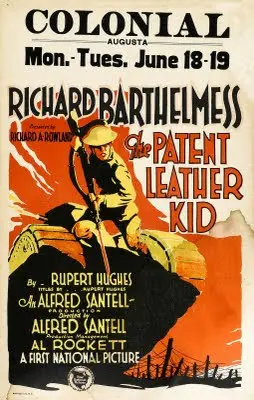
A definitive 5.9/10 rating for a film that redefined the boundaries of cult cinema. The Patent Leather Kid remains a cornerstone of transgressive art.
Is 'The Patent Leather Kid' worth watching today? Short answer: yes, but with significant caveats that ground it firmly in its era. This 1927 silent film offers a fascinating glimpse into early Hollywood's attempt at blending sports drama, romance, and wartime sacrifice, making it a valuable historical artifact and a surprisingly engaging watch for the right audience.
This film is unequivocally for those with a genuine interest in silent cinema, early boxing narratives, and the cultural reflections of the World War I era. It is decidedly not for viewers seeking modern pacing, complex character psychology, or those who struggle to engage with the storytelling conventions of the silent film age. Its charm is undeniable, yet its narrative choices can feel dated to an uninitiated contemporary audience.
This film works because: It masterfully showcases Richard Barthelmess's raw charisma and physical acting prowess, anchoring the emotional core of the narrative even without spoken dialogue. The boxing sequences, for their time, are remarkably visceral and well-choreographed, drawing the audience into the brutal elegance of the sport. Furthermore, its shift from a lighter romantic drama to a poignant wartime narrative feels earned, offering a surprisingly mature exploration of duty and sacrifice.
This film fails because: Its romantic subplot, while charming, occasionally veers into predictable melodrama, relying on tropes that feel less impactful today. The pacing can be uneven, particularly in the mid-section, where the transition from civilian life to military service feels somewhat abrupt, sacrificing character depth for plot progression. Moreover, some of the supporting characters, despite strong performances, are painted with broad strokes, leaving little room for nuanced development.
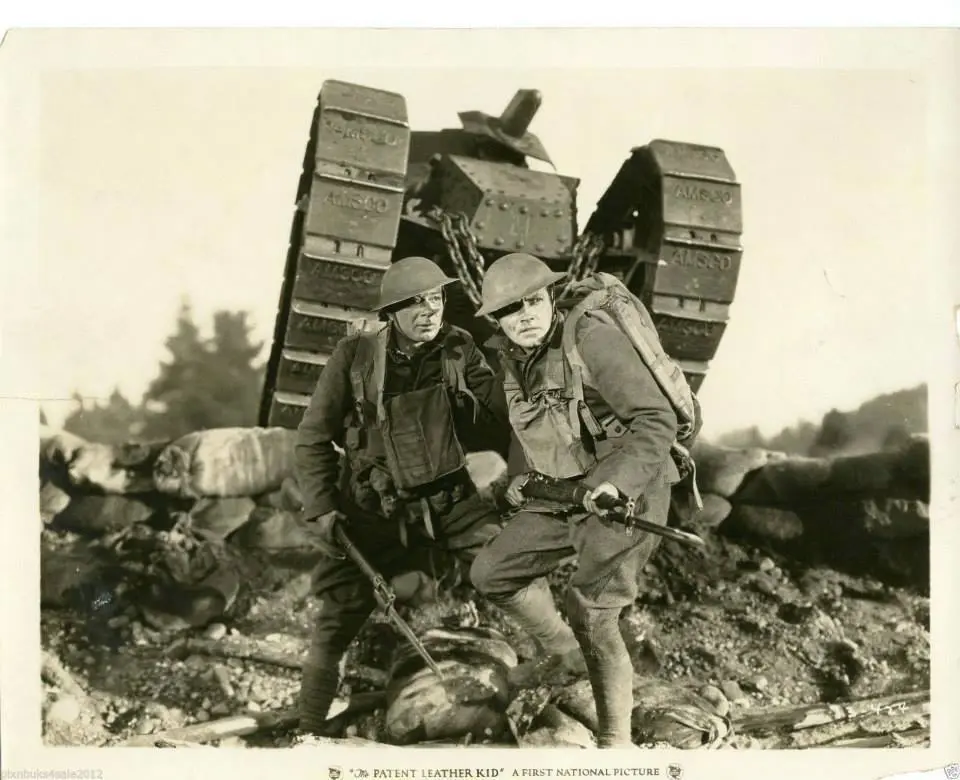
You should watch it if: You appreciate the artistry of silent film, are curious about how early cinema tackled complex themes, or simply want to witness a standout performance from one of the era's leading men. It’s a compelling piece of cinematic history that rewards patient viewing.
'The Patent Leather Kid' is more than just a boxing film; it’s a narrative tapestry woven with threads of ambition, love, and the inescapable shadow of war. Released in 1927, this silent drama, directed by Alfred Santell, attempts a grand emotional arc, following its titular character, Kid Roberts, played with captivating intensity by Richard Barthelmess. The film’s ambition to blend sports spectacle with poignant romance and ultimately, the grim realities of World War I, is both its greatest strength and its most notable challenge.
At its core, the film grapples with themes of masculinity, duty, and the unexpected ways life can derail even the most carefully laid plans. It asks what truly defines a man: his prowess in the ring, his devotion to a woman, or his willingness to answer a higher call to arms? These questions, though presented through the lens of early 20th-century cinema, resonate with a surprising universality that keeps the film from being a mere historical curiosity.
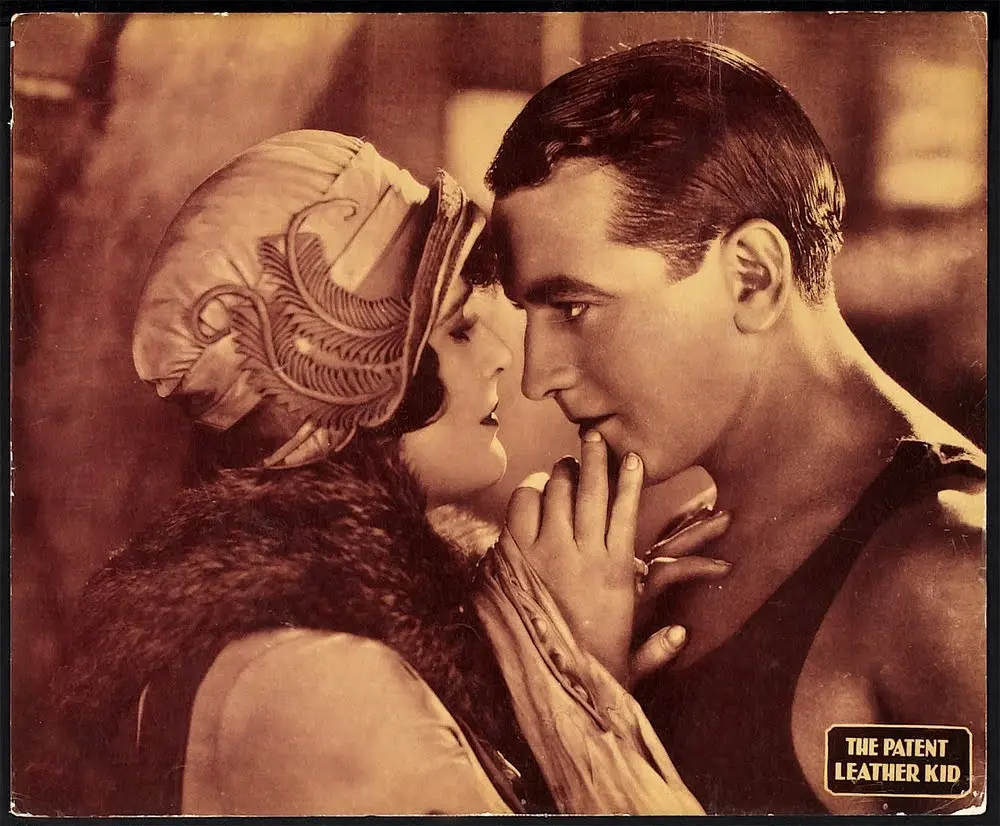
The story introduces us to Kid Roberts, a brash, confident boxer with a flair for the dramatic, hence his moniker. His early scenes are a whirlwind of quick jabs and confident smiles, establishing him as a rising star. His world soon intertwines with that of a charming young woman, whom he falls for with the characteristic impetuosity of a man used to getting what he wants. Their romance is depicted with the broad, expressive gestures typical of the silent era, complete with playful banter and dramatic misunderstandings conveyed through intertitles.
However, the film quickly pivots from the lighthearted romance and the thrill of the fight. The looming threat of World War I becomes an undeniable force, drawing Kid Roberts away from the comfort of his burgeoning love and the roar of the crowd. The transition is stark, perhaps even jarring, as the film shifts its focus from personal ambition to national duty. The boxing ring, once the arena of his triumphs, is replaced by the muddy, dangerous trenches of the battlefield. This dramatic change in setting and tone tests the Kid’s spirit and the strength of his relationships, forcing him to confront a different kind of fight entirely.
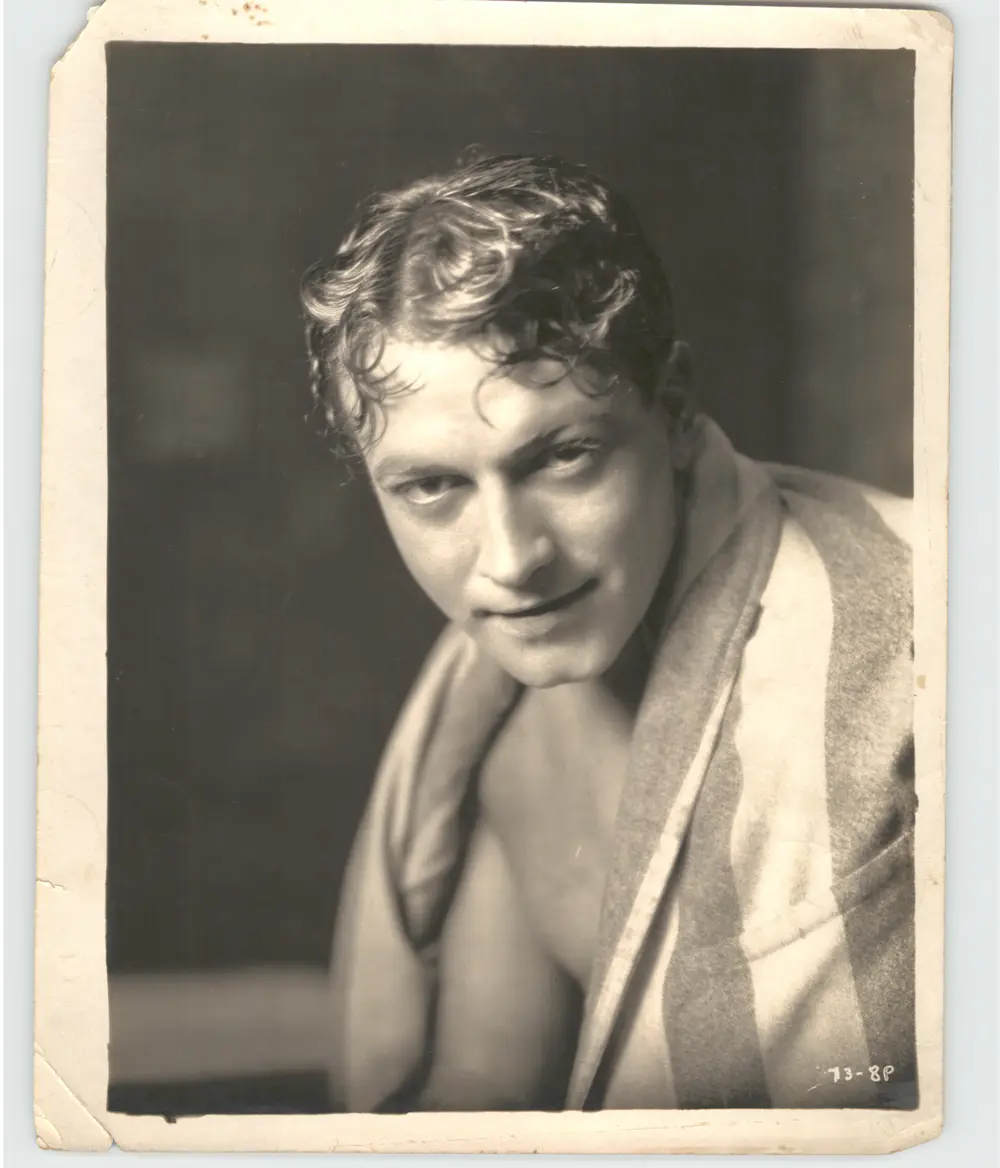
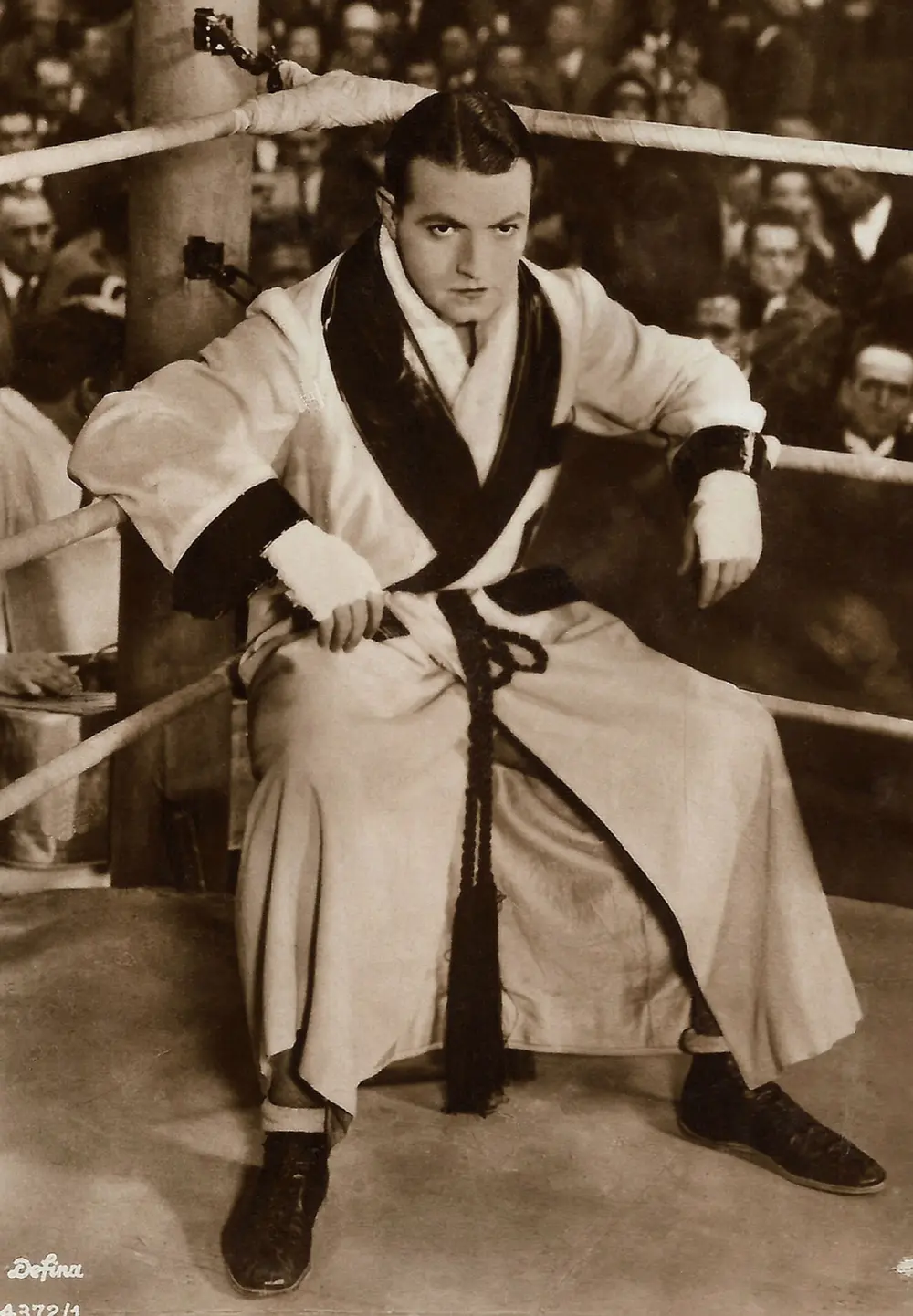
Richard Barthelmess carries 'The Patent Leather Kid' on his shoulders, delivering a performance that is nothing short of magnetic. As Kid Roberts, he embodies the archetypal working-class hero with a blend of cockiness and underlying vulnerability. His physicality in the boxing scenes is genuinely impressive, conveying both the brutality and the skill required of a pugilist. You feel every punch, every dodge, through his intense expressions and agile movements. He's magnetic. He sells it.
Beyond the ring, Barthelmess excels at conveying emotion without a single spoken word. Consider the scene where he first meets Molly O'Day’s character; his eyes convey a playful charm, a subtle shift from his usual bravado. Later, as the shadow of war falls upon him, his transformation from a confident fighter to a man burdened by duty is palpable. There’s a particular moment on the battlefield, a close-up of his face, where the weight of his experiences is etched into every line, a testament to his ability to communicate profound internal struggle.
My contention is that the film’s romantic arc, while necessary for Barthelmess's emotional journey, often feels like a narrative obligation rather than a genuine exploration of connection, particularly when compared to the raw intensity of the boxing scenes. Yet, Barthelmess makes even these more conventional moments feel authentic through sheer force of presence. He elevates the material, ensuring that even when the plot stumbles, his character remains compelling. He doesn't just act; he inhabits.
Alfred Santell’s direction, while not always groundbreaking, is effective in establishing the film’s various worlds. The boxing sequences, in particular, stand out. Santell employs dynamic camera angles and rapid cuts (for the era) that inject energy and excitement into the fights. The ring feels claustrophobic, the blows impactful, pulling the audience directly into the action. This contrasts sharply with the more open, albeit often grim, landscapes of the war scenes.
The cinematography throughout the film, credited to Arthur Edeson, is competent, though not revolutionary. Edeson, known for his later work on All Quiet on the Western Front and The Maltese Falcon, demonstrates a clear understanding of how to use light and shadow to enhance mood. In the early scenes, the lighting is often bright and optimistic, reflecting the Kid’s youthful exuberance. As the film progresses into the war, the visuals become darker, grittier, and more somber, effectively mirroring the narrative's descent into conflict and despair. The starkness of the battlefield, with its barren trees and muddy trenches, is conveyed with a sobering realism that foreshadows more explicit war films to come.
One unconventional observation: The film's most potent message isn't about boxing or even war, but the silent struggle of men to reconcile their public personas with their private vulnerabilities, a theme often overlooked in the bombast of silent action. This is subtly woven into the visual storytelling, particularly in how Barthelmess is framed in moments of quiet reflection versus public spectacle.
The pacing of 'The Patent Leather Kid' is a mixed bag. The initial boxing and romance segments move with a lively, almost breathless energy, perfectly suited to the Kid's vibrant personality. The quick cuts in the ring keep the audience engaged, and the romantic escapades, while familiar, are delivered with a charming swiftness. However, the transition to the wartime narrative feels somewhat abrupt. War changes everything. And the film shows it.
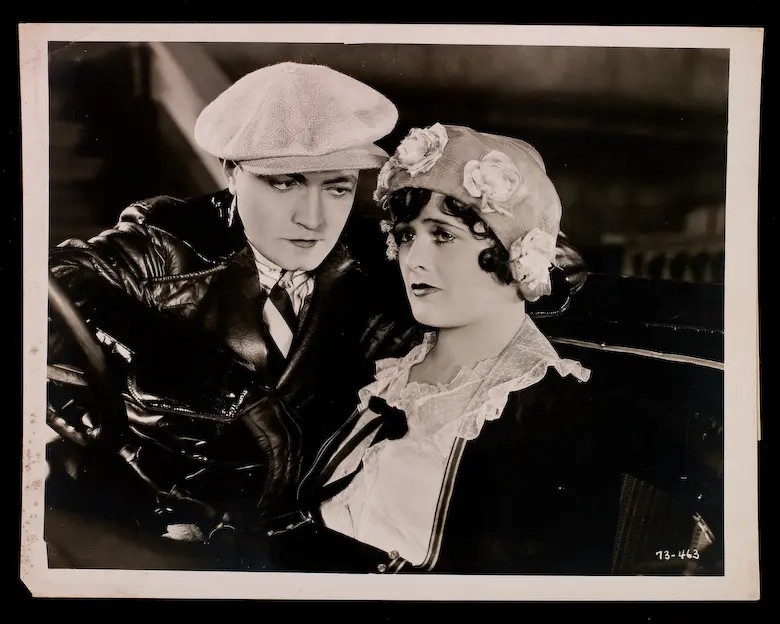
While the shift in tone is deliberate and necessary for the film’s dramatic arc, the narrative doesn't always allow for a smooth emotional acclimatization. The audience is thrust from the relative comfort of civilian life into the brutal realities of the trenches with little warning, which, while perhaps mirroring the shock of war itself, can feel jarring from a storytelling perspective. This is where the film feels its age most acutely; modern audiences might find this sudden shift a little underdeveloped, particularly in how it impacts the secondary characters.
Despite this, the film maintains a consistent emotional core thanks to Barthelmess. The tone oscillates from lighthearted romance to gritty sports drama to somber war film, yet his performance provides a through-line that holds it all together. It works. But it’s flawed. The dramatic weight of the final act, however, largely compensates for any earlier narrative unevenness, delivering a powerful, if somewhat predictable, conclusion.
Yes, 'The Patent Leather Kid' is absolutely worth watching today for specific audiences. It offers a rare window into the silent film era's capacity for genre blending.
For silent film enthusiasts, it’s a must-see for Richard Barthelmess’s exemplary performance alone. His ability to convey complex emotions without dialogue is a masterclass.
For those interested in the historical context of WWI cinema, it provides a valuable early perspective on how the war was depicted. It’s an important artifact.
However, if you're new to silent films or prefer faster-paced, dialogue-heavy narratives, you might find its conventions challenging. Its pacing can feel slow by contemporary standards.
It's not a film for everyone, but for those who engage with its unique charms, it offers a rewarding and insightful experience into a bygone era of filmmaking.
While 'The Patent Leather Kid' isn't a flawless film, it's an undeniable showcase for Richard Barthelmess's talents and a fascinating piece of cinematic history. It bravely attempts to intertwine a boxing drama with a passionate romance and the devastating impact of war, a narrative ambition that few films, silent or otherwise, would attempt with such earnestness. It’s a bold claim, but 'The Patent Leather Kid' arguably foreshadows the 'troubled hero' archetype far more effectively than many contemporary films of its time, even if it doesn't fully commit to the darker implications of such a character. It’s a film that demands a certain patience from its audience, but rewards it with a compelling central performance and a surprisingly resonant exploration of courage under fire, both in and out of the ring. Don't expect a modern blockbuster, but do expect a genuine piece of art. For fans of the silent era or those curious about the evolution of cinematic storytelling, this is a compelling watch that still delivers a punch, even if some of its blows land softer today.
IMDb —
1935
Community
Log in to comment.