DbcultAccessing Vault...
Cult Review
Senior Film Conservator
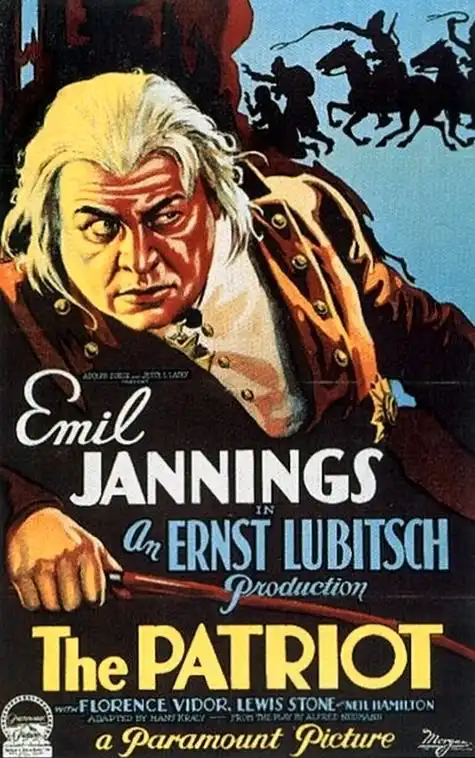
Is The Patriot worth watching today? The answer is a resounding yes, though with a massive caveat: you are largely watching a ghost. As one of the most famous 'lost' films of the silent era, we are forced to piece it together through surviving fragments, stills, and contemporary accounts. However, even in its incomplete state, it remains essential viewing for anyone interested in the transition from silent to sound cinema and the specific genius of Ernst Lubitsch. It is a film for those who appreciate heavy atmosphere and grand, tragic performances. It will likely bore those who need fast-paced action or a clean, modern digital transfer.
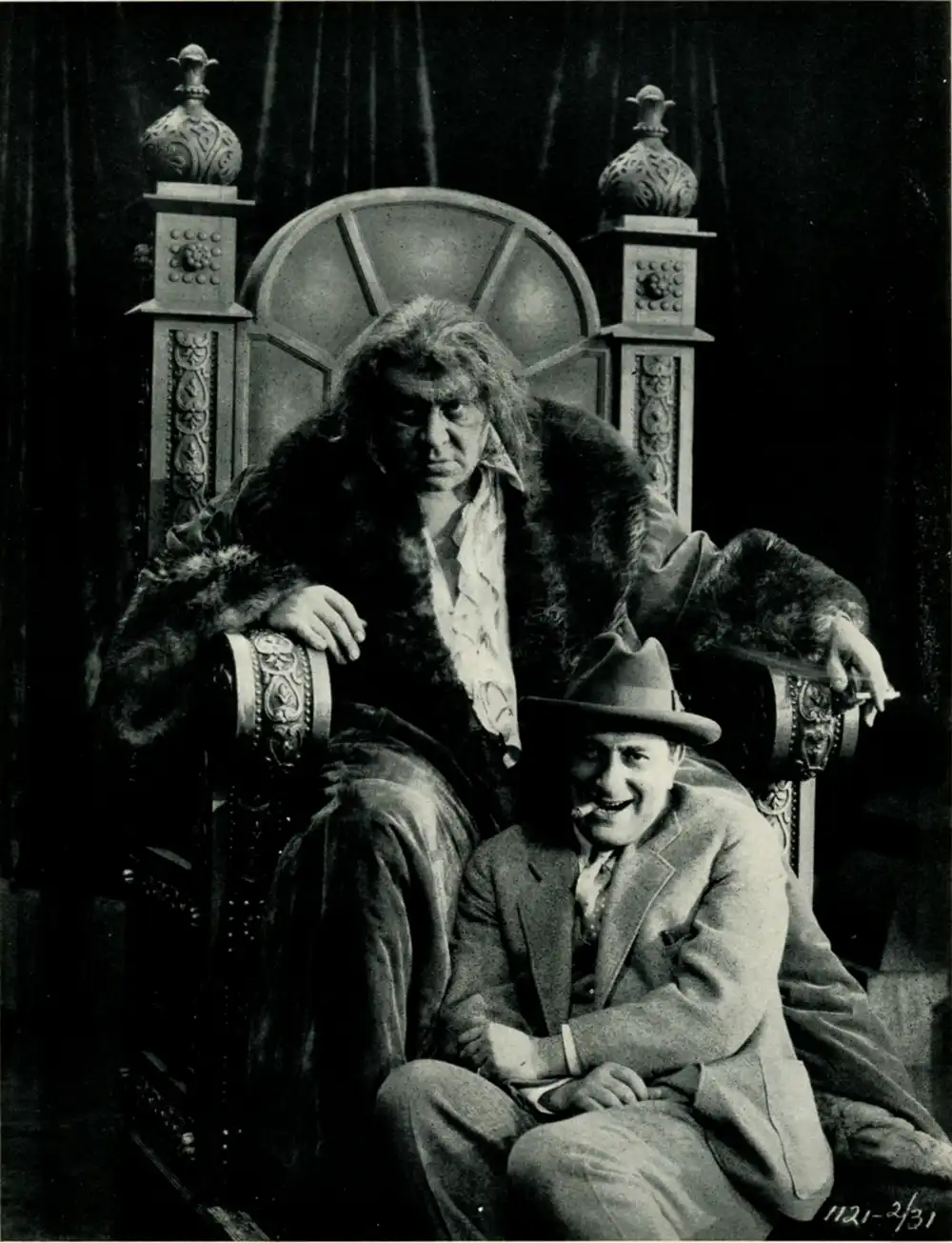
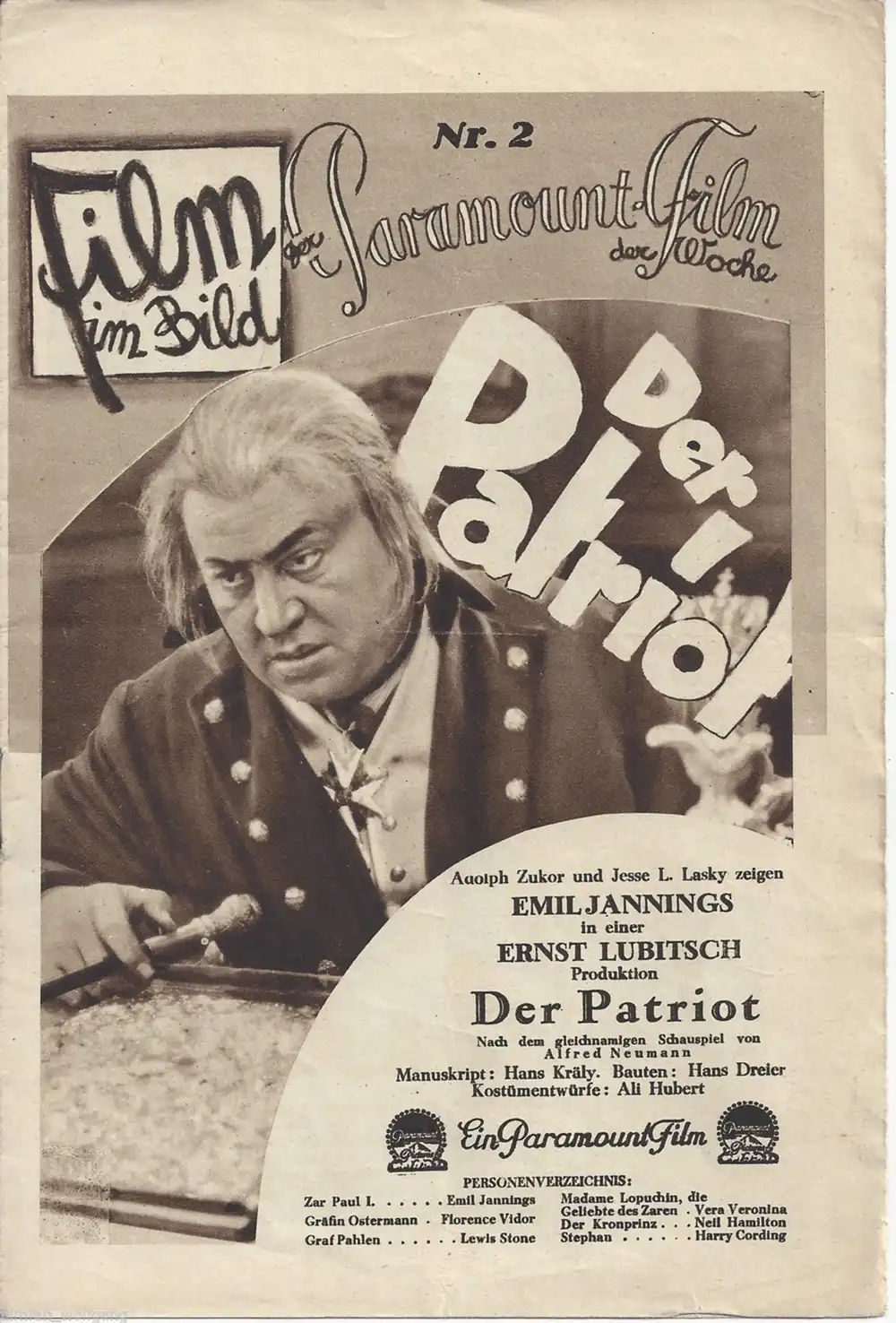
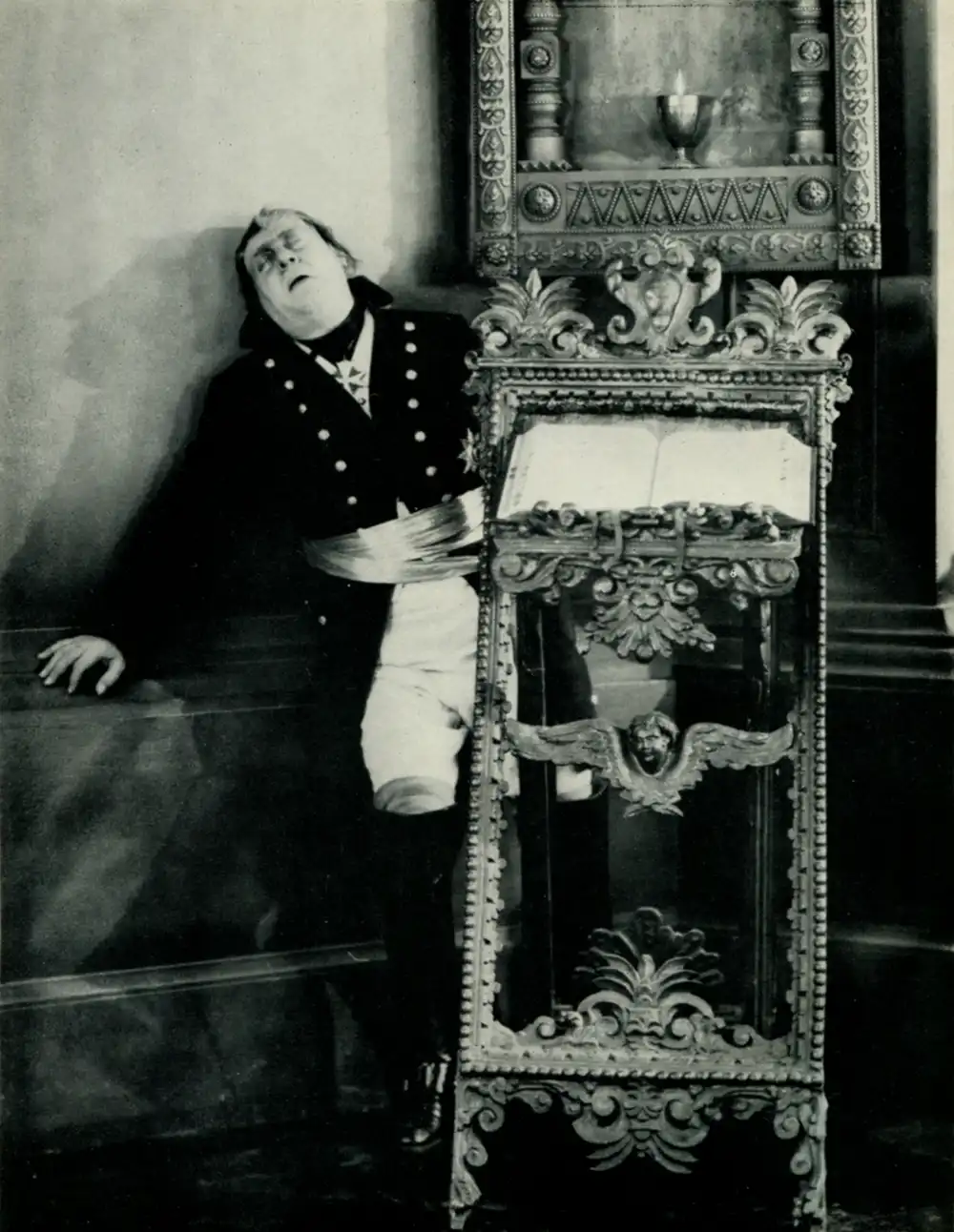
The core of the film is the relationship between Emil Jannings as Tsar Paul I and Lewis Stone as Count Pahlen. Jannings, fresh off his Oscar win, is doing 'big' acting here, but it’s grounded in a very specific physical vulnerability. He plays Paul as a man-child with a crown—one moment he is screaming in a fit of rage, and the next he is literally hiding behind Pahlen, clutching his sleeve like a frightened toddler. There is a scene where he inspects his troops that feels genuinely uncomfortable; his eyes dart around with a twitchy, manic energy that suggests he knows he is hated but can’t quite figure out why.
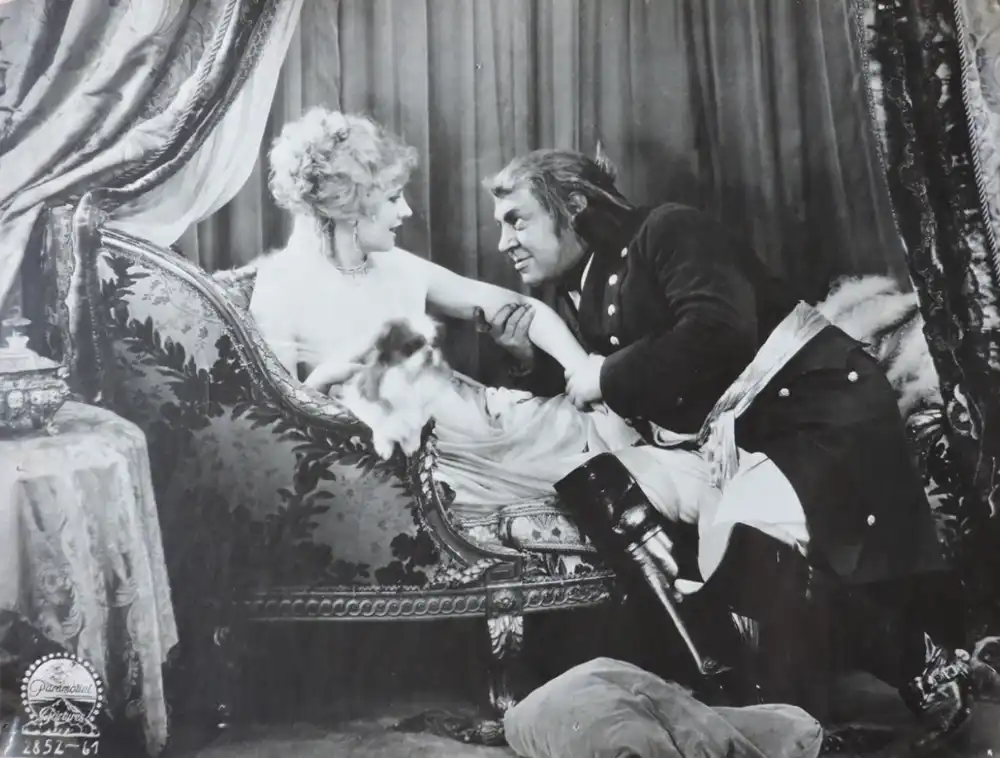
Lewis Stone provides the perfect counterbalance. While Jannings is all sweat and heaving chests, Stone is a statue. His performance as Pahlen is defined by a terrifyingly still face. You can see him calculating the cost of his betrayal in real-time. There is an awkward, lingering shot during a dinner scene where Paul professes his love for Pahlen, and the camera stays on Stone’s face just a few seconds too long. You see the mask slip—not into guilt, but into a weary kind of pity. It’s a sophisticated piece of acting that feels much more modern than the theatricality typical of 1928.
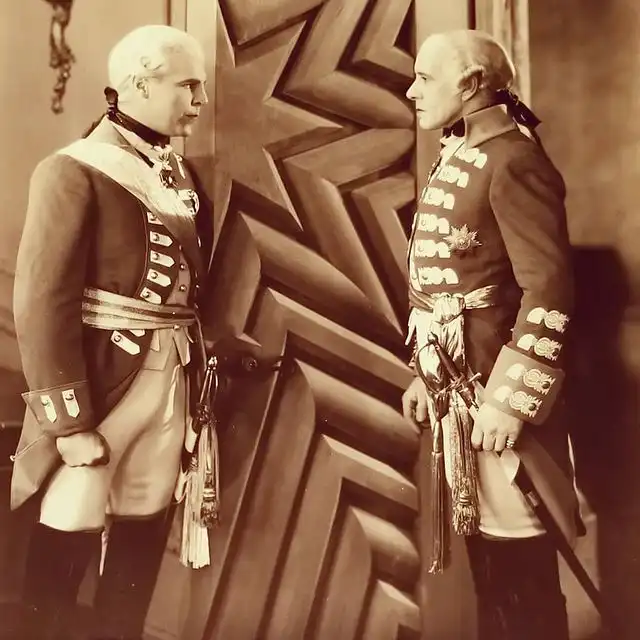
Lubitsch is often celebrated for his 'touch'—that light, sophisticated wit found in his later comedies. In The Patriot, that touch is applied to shadows and stone. The palace isn't just a set; it’s a character that feels designed to swallow the Tsar whole. The ceilings are oppressively high, and the lighting choices often leave the corners of the rooms in total darkness. This isn't the bright, flat lighting of a standard historical epic. Instead, it uses high-contrast shadows to emphasize Paul’s isolation.
One specific visual choice that stands out is the use of long corridors. We see Paul walking down these endless halls, his small frame dwarfed by the architecture. The editing rhythm here is slow and deliberate, building a sense of dread that is almost Hitchcockian. When the conspiracy finally moves into its final phase, the pacing shifts from these long, brooding takes to a series of sharp, jagged cuts that mirror the Tsar’s fracturing mind.
It isn't a perfect work. Some of the secondary characters, particularly the women played by Florence Vidor and Vera Voronina, feel like afterthoughts. Their subplots involving romantic intrigue and court gossip often feel like they belong to a different, lesser movie. These scenes tend to drag the momentum, pulling us away from the claustrophobic tension of the Paul-Pahlen dynamic. When the film moves into the broader political machinations of the Russian court, the dialogue titles become a bit heavy-handed, over-explaining motivations that the actors have already made clear through their expressions.
It is impossible to review The Patriot without acknowledging the tragedy of its physical disappearance. Watching the surviving footage is a reminder of how much visual information we’ve lost. The detail in the costumes—the heavy furs, the intricate medals, the stiff collars that seem to choke the characters—is stunning. You can almost feel the cold of the Russian winter through the screen. There is a specific moment where Paul is playing with a toy soldier on a large map, and the way the light catches the metallic paint on the toy while the rest of the room is dim is a testament to the film's incredible cinematography.
The Patriot is a demanding watch, not because it is intellectually dense, but because it asks the viewer to engage with a fragmented legacy. It is a film about the terrifying loneliness of power and the moral rot that comes with 'patriotism.' If you can handle the exaggerated style of silent-era acting and the frustration of missing scenes, you will find a psychological thriller that is far more intense than many of its contemporaries. It is a stark, beautifully shot reminder that even the most powerful men are often just frightened children in very expensive rooms.
IMDb 7.2
1930
Community
Log in to comment.