DbcultAccessing Vault...
4.3/10
Senior Film Conservator
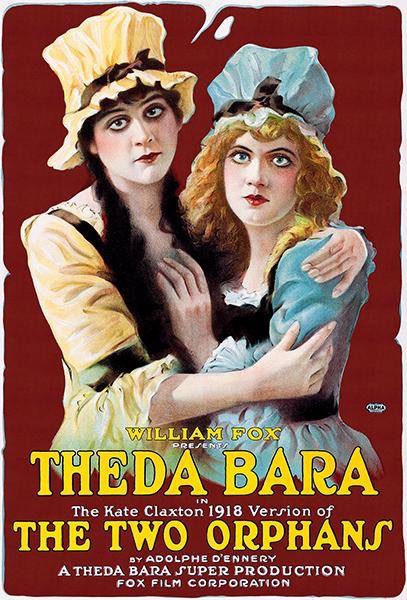
A definitive 4.3/10 rating for a film that redefined the boundaries of cult cinema. The Two Orphans remains a cornerstone of transgressive art.
From the very first flickering frames, Herbert Brenon's 1915 adaptation of 'The Two Orphans' (originally 'Les Deux Orphelines' by Adolphe d'Ennery and Eugène Cormon) plunges the viewer into a maelstrom of human anguish and unyielding hope. This isn't merely a silent film; it's a grand, operatic canvas painted with broad strokes of melodrama, where virtue is relentlessly tested, and villainy, though flamboyant, eventually crumbles. Brenon, a director known for his flair for dramatic spectacle, here crafts a narrative that, despite its century-old vintage, still possesses a remarkable capacity to tug at the heartstrings and ignite a visceral response. It’s a testament to the power of pure, unadulterated storytelling, relying entirely on visual cues, emotive performances, and explanatory intertitles to convey a sprawling tale of separation, suffering, and eventual, hard-won reunion.
The film unfolds in a romanticized yet brutal 18th-century Paris, a city of stark contrasts where the gilded cages of the aristocracy stand in stark opposition to the squalid hovels of the working class. Our protagonists, the beautiful Henriette and her sightless friend Louise, are thrust into this unforgiving landscape. Their immediate separation, orchestrated by the dastardly Marquis de Presles, serves as the narrative's cruel catalyst, fracturing their innocent world and setting each girl on a uniquely harrowing odyssey. This initial act of villainy is not just a plot device; it's a stark commentary on the vulnerability of the innocent in a world governed by power and privilege, a theme that resonates even today. The Marquis, a character steeped in the tradition of the libertine cad, embodies a casual cruelty that is all the more chilling for its nonchalance. His actions are not driven by grand malice but by a base desire, highlighting the moral bankruptcy of certain echelons of society.
Henriette's abduction by the Marquis plunges her into a world of forced servitude and unwanted advances. She is a woman trapped, her beauty ironically becoming her curse. Her resilience, however, shines through, a beacon of defiant purity against the encroaching darkness. Her rescue by the dashing Chevalier de Vaudrey is a classic romantic trope, but it's executed with a sincerity that elevates it beyond mere cliché. Their burgeoning love story, though initially overshadowed by the surrounding turmoil, provides a crucial counterpoint to the pervasive suffering, suggesting that even in the bleakest circumstances, genuine affection can take root and flourish. The Chevalier is not just a rescuer; he represents the possibility of a different, more just world, one where honor and compassion can overcome depravity.
Louise's journey, however, is arguably the more poignant and certainly the more physically distressing. Blind, alone, and utterly defenseless, she is a stark embodiment of vulnerability. Her falling into the clutches of Mother Frochard, a grotesque figure of avarice and cruelty, marks a precipitous descent into the Parisian underworld. Frochard, played with chilling conviction, is a character drawn from the deepest wells of theatrical villainy – a beggar, a thief, and a relentless tormentor. She forces Louise to beg, exploiting her disability for meager gains, a truly heinous act that elicits profound sympathy for Louise. This portrayal of exploitation and the desperation of the urban poor might remind contemporary viewers of the stark social commentary found in films like The Cup of Life, though 'The Two Orphans' leans more heavily into pure melodrama rather than gritty realism. The contrast between Henriette's romantic rescue and Louise's brutal exploitation underscores the film's exploration of class and fortune.
The narrative's brilliance lies in its intricate weaving of these separate threads, promising an eventual, cathartic convergence. The introduction of the Countess De Liniere, who discovers Louise is her long-lost daughter, injects a powerful element of familial yearning and a race against time. This revelation is a cornerstone of classic melodrama, adding layers of identity and destiny to the already complex plot. The Countess's resolve to find Louise becomes a driving force, providing a much-needed glimmer of hope in the otherwise grim circumstances. Her character represents the benevolent aristocracy, a stark contrast to the Marquis, suggesting a nuanced view of class rather than a monolithic condemnation.
Amidst the squalor and cruelty of Mother Frochard's lair, a surprising and tender romance blossoms between Louise and Pierre, Frochard's hunchbacked son. Pierre, despite his physical deformity and his association with a morally bankrupt family, possesses a pure heart. His love for Louise is selfless and protective, a stark contrast to the predatory desires of other male characters in the film. His internal conflict – torn between loyalty to his family and his burgeoning devotion to Louise – adds a compelling psychological dimension. When his brother Jacques, a truly despicable character, cruelly beats Louise, Pierre's love transforms into righteous fury, culminating in a violent act of retribution. This moment, raw and shocking, elevates Pierre beyond a mere sympathetic figure; he becomes a tragic hero, willing to sacrifice everything for the one he loves. The narrative here delves into the darker side of human nature, showing how extreme love can lead to extreme actions, blurring the lines of conventional morality in a way that is quite sophisticated for its time.
The cast, under Brenon's direction, delivers performances that are both grandly theatrical and deeply affecting. In silent cinema, the onus of conveying emotion falls heavily on exaggerated facial expressions, body language, and the precise timing of gestures. Theda Bara, though her role is not central as one might expect from her star power as a 'vamp,' contributes to the film's dramatic weight. However, it is the portrayals of Henriette and Louise that truly anchor the emotional core. The actress playing Louise, in particular, must convey profound vulnerability and suffering without the aid of dialogue, a formidable challenge. Her portrayal of blindness, a common trope in melodramas of the era (and one that can be seen in various forms of physical affliction in films like Der Tunnel where characters face immense physical and psychological pressures), requires a delicate balance of helplessness and inner strength. The physical comedy and pathos of Pierre's character, too, must be communicated entirely through his physicality and expressive eyes, making his transformation from tormented son to vengeful protector all the more impactful.
Mother Frochard, as portrayed, is a masterclass in silent screen villainy. Her avarice, her cruelty, and her sheer monstrousness are communicated through every sneer, every harsh gesture, every malevolent glance. She is not merely a bad person; she is an embodiment of depravity, a necessary antagonist to magnify the virtues of the protagonists. Her character, much like the nefarious figures in The Mystery of the Rocks of Kador or Price of Treachery; Or, The Lighthouse Keeper's Daughter, serves to heighten the stakes and make the eventual triumph of good feel earned and deeply satisfying. The stark contrast between her grotesque appearance and the delicate beauty of the orphans amplifies the visual storytelling, a hallmark of silent era filmmaking.
Herbert Brenon's direction is masterful in its ability to orchestrate this emotional spectacle. He understands the mechanics of melodrama, building tension incrementally, allowing moments of despair to linger before offering glimmers of hope. His use of intertitles is effective, providing not just dialogue but also narrative exposition and emotional commentary, guiding the audience through the complex plot with clarity. The cinematography, while constrained by the technology of the era, effectively captures the contrasting environments – the opulence of the Marquis's estate, the bustling Parisian streets, and the claustrophobic squalor of Frochard's den. Brenon’s ability to frame shots that convey isolation, fear, and longing without relying on spoken words is a testament to his skill. The film’s pacing, a critical element in silent features, maintains a compelling rhythm, ensuring that the audience remains fully invested in the fate of the titular orphans.
'The Two Orphans' is more than just a thrilling narrative; it’s a rich tapestry of themes that explore the human condition. At its core, it's a profound commentary on class disparity and social injustice. The ease with which the Marquis abuses his power, and the systemic vulnerability of the poor, are central to the film's pathos. Henriette and Louise are victims not only of individual villainy but also of a societal structure that offers little protection to the marginalized. The Countess's eventual intervention, representing the benevolent side of the aristocracy, offers a hopeful counter-narrative, suggesting that compassion can bridge the chasm of class. This exploration of societal fault lines and the search for justice is a recurring motif in cinema, from early melodramas to modern social dramas, making the film's concerns evergreen.
The film also delves deeply into the redemptive power of love. Pierre's love for Louise transforms him from a downtrodden figure into a heroic one, willing to commit a desperate act for her safety. The Chevalier's love for Henriette is a steadfast anchor in her storm-tossed life. Even the Countess's rediscovered maternal love for Louise drives her relentless search. These various forms of love – romantic, familial, and compassionate – serve as the ultimate antidote to the pervasive cruelty and suffering depicted. They are the forces that ultimately restore order and justice to a chaotic world. This emphasis on love as a transformative and healing power is a classic melodramatic element, but it is rendered with such earnestness here that it feels genuinely earned.
The motif of blindness, both literal and metaphorical, is also significant. Louise's physical blindness symbolizes her vulnerability and dependence, but it also highlights the 'blindness' of society to the suffering of its most vulnerable members. Her eventual regaining of sight is not merely a medical miracle; it's a symbolic awakening, a moment when clarity and truth are finally restored, both for her and for the broader narrative. This symbolic use of physical affliction to represent deeper truths is a powerful tool in storytelling, allowing the audience to engage with the narrative on multiple levels. It’s a trope that, when handled well, as it is here, elevates the story beyond simple plot mechanics.
'The Two Orphans' is more than just a historical curiosity; it's a vibrant example of early cinema's capacity for grand narrative and profound emotional impact. It captures the essence of the melodramatic tradition – heightened emotions, clear delineations between good and evil, and a relentless march towards a cathartic resolution. While some modern viewers might find its conventions overtly theatrical, it's crucial to appreciate the film within its historical context, where such narratives provided both escapism and moral instruction. Its influence can be seen in countless subsequent films that explore themes of lost identity, family secrets, and the triumph of virtue against overwhelming odds. The enduring popularity of stories like this, even a century later, speaks to their timeless appeal and their ability to tap into universal human fears and hopes.
The film’s ultimate resolution, with Louise regaining her sight and finding happiness with Pierre, and Henriette marrying the Chevalier, is deeply satisfying. It's a classic happy ending, hard-earned through immense suffering, providing a sense of moral equilibrium. The Countess’s acceptance of both unions underscores the theme of reconciliation and the healing power of family. It’s a conclusion that reinforces the idea that justice, though often delayed, will eventually prevail, and that love, in its myriad forms, is the most powerful force for good. In an era where cinema was still finding its voice, 'The Two Orphans' stands as a compelling testament to the power of visual storytelling and the enduring appeal of a well-crafted tearjerker. It reminds us that even without spoken words, the human heart can communicate volumes, and that the grand narratives of good versus evil, suffering versus redemption, remain as potent as ever.
To truly appreciate 'The Two Orphans' is to surrender to its emotional currents, to embrace its theatricality, and to recognize the masterful craftsmanship that allowed such a complex narrative to unfold so compellingly in the silent era. It is a vital piece of cinematic history, demonstrating how early filmmakers captivated audiences and laid the groundwork for the narrative complexities that would define the art form for decades to come. Its exploration of human resilience, the stark realities of social stratification, and the ultimate triumph of compassion makes it a film that, despite its age, continues to resonate with powerful, timeless themes.
IMDb 5.8
1934
Community
Log in to comment.