DbcultAccessing Vault...
Cult Review
Senior Film Conservator
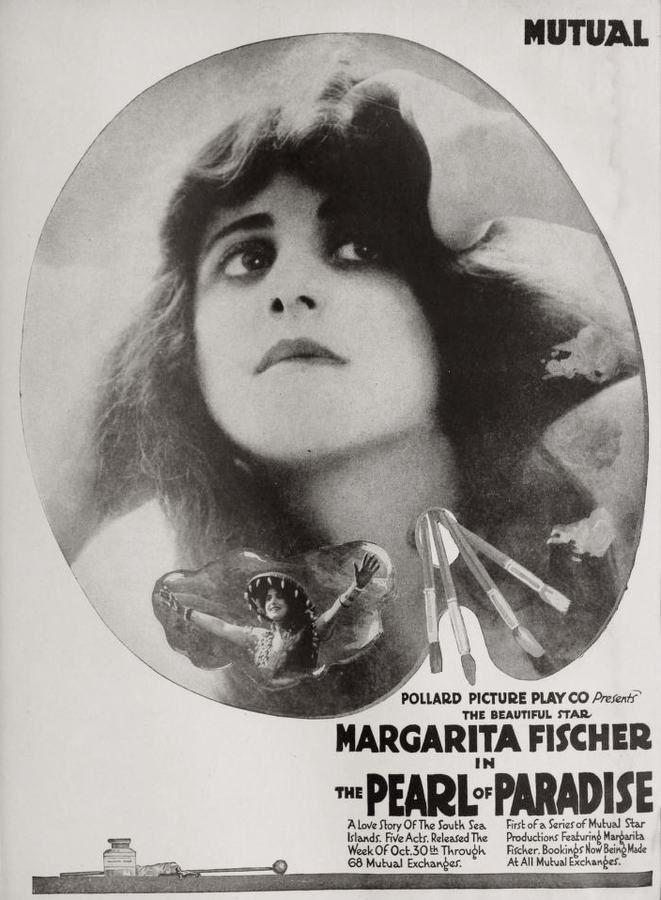
Stepping into the cinematic landscape of The Pearl of Paradise, one is immediately enveloped by the potent allure of early 20th-century exoticism, a genre that often sought to transport audiences to far-flung locales, brimming with untamed beauty and dramatic human conflict. This silent era gem, helmed by Harry A. Pollard, serves as a fascinating artifact, reflecting the period's fascination with the 'noble savage' archetype, the clash of civilizations, and the primal forces of love and survival. It's a narrative spun from threads of melodrama and adventure, set against a backdrop so idealized it borders on the mythical, yet grounded by the very human emotions that drive its characters. The film doesn't merely present a story; it invites viewers to a realm where moral ambiguities dance with breathtaking landscapes, where innocence is both a shield and a vulnerability, and where the past relentlessly pursues its quarry, even to the most remote corners of the Earth.
At the heart of this tropical tableau is Yulita, portrayed by the captivating Margarita Fischer, an actress renowned for her ability to convey nuanced emotion without uttering a single word. Yulita, christened "The Pearl of Paradise" by her island community, is a figure of profound purity, raised in an almost Edenic bubble, meticulously crafted by her father, Gomez (J. Gordon Russell). Gomez, a Spanish fugitive, has deliberately shielded her from the perceived evils of the outside world, fostering an innocence that is both enchanting and precarious. This isolation is not merely physical; it's a state of being, a philosophical stance against the corrupting influence of modernity. Her understanding of human nature, of love, and of desire is unblemished by societal conventions, making her reactions to external stimuli profoundly visceral and unadulterated. This characterization, while romanticized, provides a compelling lens through which to explore themes of natural virtue versus learned vice. The film effectively uses her naivety as a narrative fulcrum, around which the subsequent dramatic tensions revolve. Her very existence challenges the encroaching world, forcing those who encounter her to confront their own moral compasses.
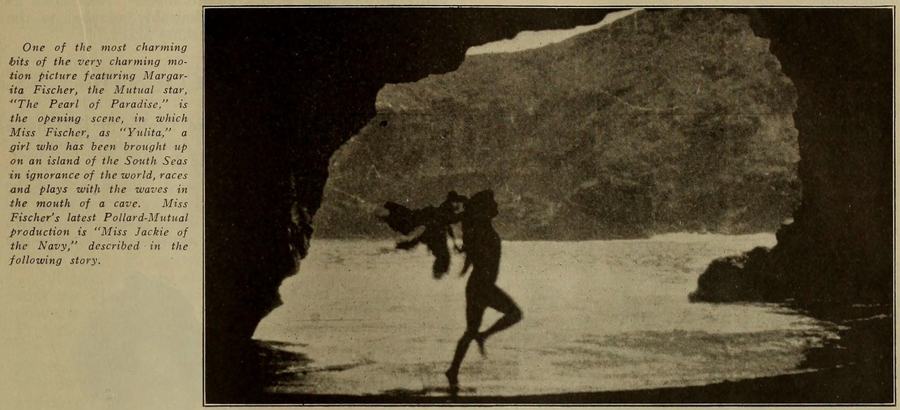
The fragile peace of Yulita's world is inevitably shattered by the arrival of two distinct forces of the 'outside.' First, there is Piete Van Dekken (Joe Harris), a Dutch schooner captain, the only other white man Yulita has ever seen. His infatuation with her is not merely romantic; it's possessive, a dangerous obsession born of isolation and a perceived right to claim what he desires. Van Dekken represents a more immediate, carnal threat, a force of raw, unbridled desire that contrasts sharply with the island's tranquility. His presence foreshadows the disruption of paradise, hinting at the darker aspects of human nature that even the most remote sanctuary cannot escape. Then comes John Dellow (Harry A. Pollard himself, taking on a dual role as director and actor), a yachtsman shipwrecked during a cruise with his fiancée, Denise (Beatrice Van). Dellow's arrival is accidental, a consequence of fate rather than deliberate intrusion. Yet, his presence sets in motion a chain of events that irrevocably alters Yulita's destiny. He represents a more complex form of 'civilization'—one that brings not only potential love but also the complications of existing commitments and the moral quandaries of a world far removed from Yulita's pristine understanding. This contrast between Van Dekken's crude desire and Dellow's conflicted affections provides the primary romantic tension, a classic narrative device in films exploring cross-cultural encounters.
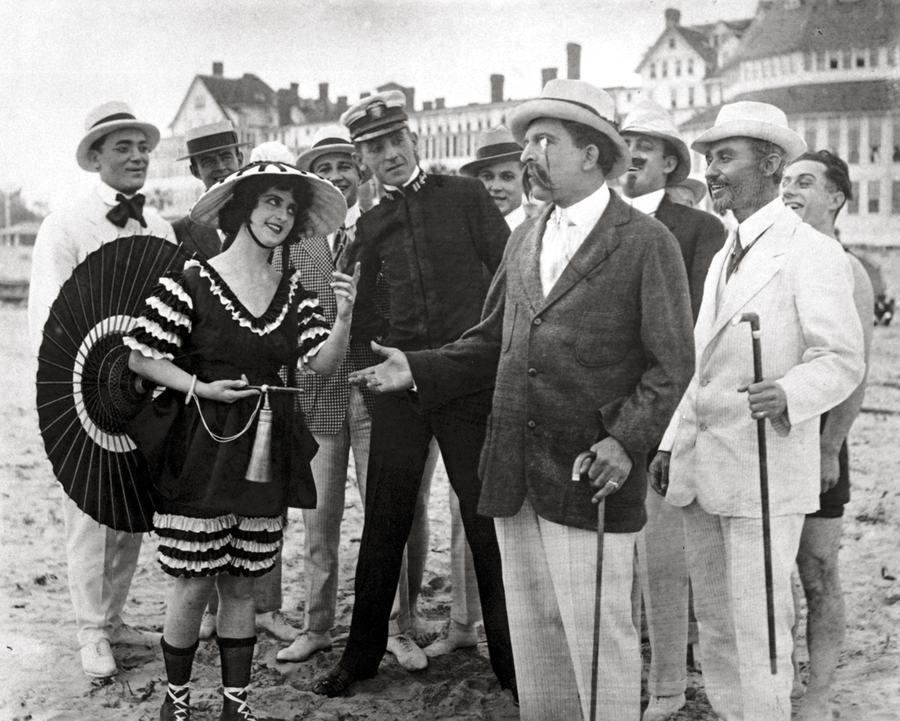
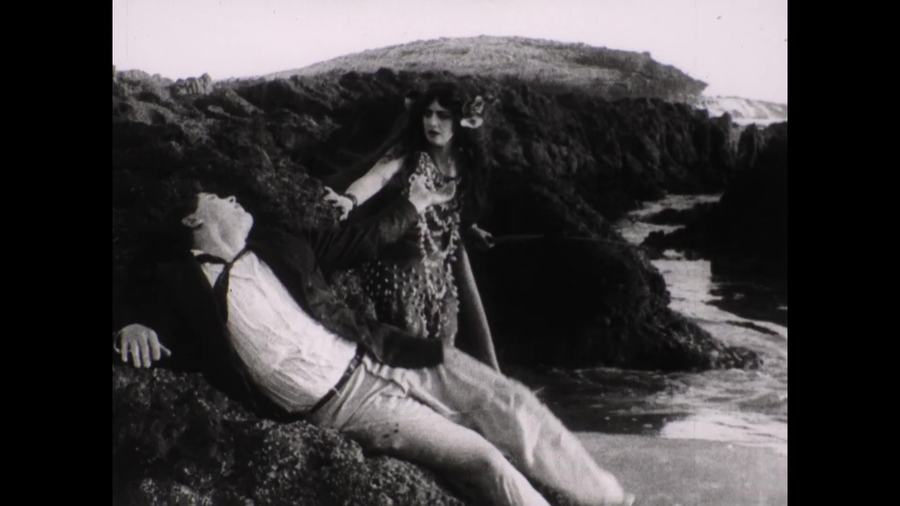
Dellow's initial encounter with Yulita is one of rescue, as she bravely intercedes to save him from her father's vengeful wrath. This act of compassion unlocks Gomez's long-suppressed past: a confession of an accidental killing, a subsequent marriage to an American woman, and their desperate flight to the island, where Yulita's mother died shortly after her birth. This revelation adds a profound layer of paternal guilt and a tragic backstory, explaining Gomez's fierce protectiveness and his desire to shield Yulita from his own tainted history. It’s a compelling dramatic turn, echoing the kind of hidden histories found in melodramas like Lorena, where past secrets constantly threaten present happiness. As Dellow recovers, a complex emotional bond forms between him and Yulita. It’s a love that is initially tinged with a paternalistic tenderness, a recognition of her childlike innocence. However, the film subtly, yet powerfully, portrays the burgeoning romantic feelings that Dellow develops, even as he grapples with the ethical implications of such an attachment given her youth and his own engagement. This internal conflict is a testament to the film's attempt at psychological depth, even within the confines of silent cinema's expressive limitations. The struggle is further intensified by Van Dekken's re-emergence, forcing Dellow to confront not only his own desires but also the very real threat to Yulita's safety and future. This kind of intense personal conflict, where characters are caught between duty and desire, is reminiscent of the emotional stakes found in films like Manon Lescaut, albeit with a different moral framework.
The narrative takes a dramatic, almost jarring, turn when Dellow's fiancée, Denise, is miraculously rescued and reunited with him. This development, coupled with Dellow's subsequent decision to leave Yulita alone on the island, only for her to pursue them into the treacherous sea, builds to a crescendo of tragic inevitability. However, the film then reveals this entire sequence—from Denise's rescue to Yulita's apparent demise—to be a vivid dream. This 'dream sequence' device, while common in early cinema for resolving complex plotlines or exploring subconscious fears, serves a dual purpose here. On one hand, it allows the film to explore the darkest possibilities of Dellow's internal conflict without committing to them in 'reality.' It's a psychological exploration of his guilt, his fear of abandoning Yulita, and perhaps his subconscious desire to be free of his prior commitments. On the other hand, it can be viewed as a convenient narrative escape hatch, allowing the filmmakers to avoid the difficult moral and romantic entanglements they had so carefully constructed. While it neatly resolves the immediate crisis, allowing Dellow to awaken and save Yulita from Van Dekken in the 'real' world, it also risks undermining the emotional weight of the preceding events. Yet, in the context of the era, such devices were often embraced for their ability to heighten drama and provide a satisfying, albeit simplistic, resolution. The dream sequence, in its own way, is akin to the kind of escapist fantasy seen in films like Back to the Woods, where reality often takes a backseat to whimsical or dramatic contrivance.
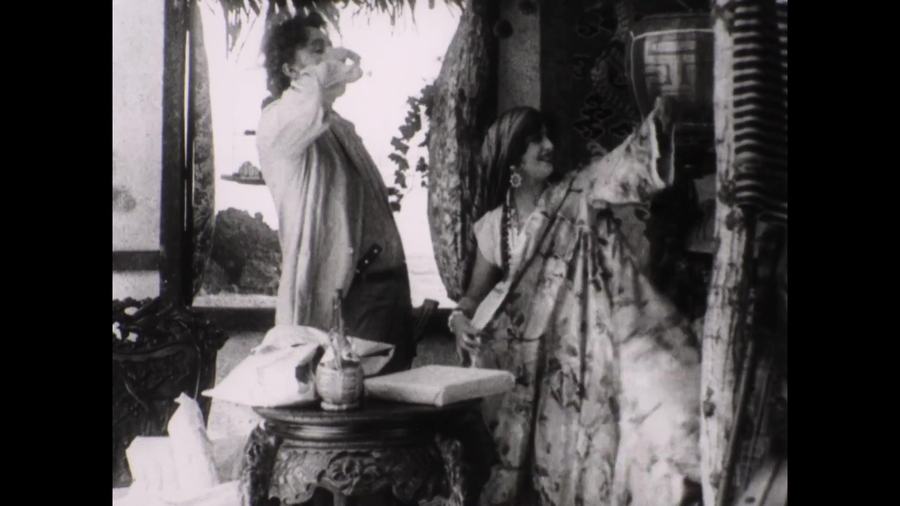
The success of The Pearl of Paradise, like many silent films, rests heavily on the shoulders of its cast, whose ability to convey complex emotions through gesture, expression, and physicality was paramount. Margarita Fischer as Yulita is particularly compelling, embodying the character's innocence and burgeoning passion with a delicate grace. Her wide, expressive eyes and fluid movements communicate volumes, making her plight genuinely affecting. J. Gordon Russell's portrayal of Gomez is equally robust, capturing the tormented soul of a man burdened by his past, yet fiercely devoted to his daughter. His internal struggle, conveyed through subtle shifts in posture and facial expressions, adds a layer of tragic gravitas to the story. Joe Harris, as the villainous Piete Van Dekken, provides the necessary foil, his menacing presence a stark contrast to the island's natural beauty. His performance is a masterclass in silent film villainy, relying on exaggerated gestures and a palpable sense of malevolence. Harry A. Pollard, in his dual role, manages to imbue John Dellow with a sense of conflicted morality, making his internal battle between duty and desire believable. The performances collectively elevate the melodrama, transforming what could have been a simplistic tale into a more nuanced exploration of human nature, making it resonate with the emotive power often found in films like The Hostage, where raw emotions drive the narrative.
The Pearl of Paradise occupies a fascinating niche within the silent film landscape, drawing on popular themes of exotic adventure and romantic melodrama that captivated audiences of its time. The idea of a protagonist thrust into an unfamiliar, often 'primitive' setting, grappling with new customs and dangers, was a pervasive trope, seen in films like Four Feathers, which, while set in a different part of the world, similarly explored themes of courage, redemption, and cultural clash against an exotic backdrop. The conflict between a woman's natural instincts and societal expectations, or her role as a symbol of untamed beauty, finds parallels in films like Wildfire, where spirited female characters often navigated challenging environments. The inherent melodrama, particularly the father's dark past and the hero's internal struggle, aligns with the emotional intensity prevalent in films such as The Bride of Hate, where dramatic secrets and passionate entanglements were central to the plot. The film's portrayal of a woman caught between competing desires and loyalties, particularly with the arrival of the 'other woman,' Denise, also resonates with the dramatic triangles found in many silent-era romances. Even the dream sequence, a narrative device, has its echoes in the often fantastical or heightened realities presented in films like Szent Péter esernyöje (St. Peter's Umbrella), which similarly played with elements of fate and the unexpected. These thematic connections highlight The Pearl of Paradise not as an anomaly, but as a vibrant participant in the rich tapestry of early 20th-century storytelling, reflecting broader cultural interests and narrative conventions.
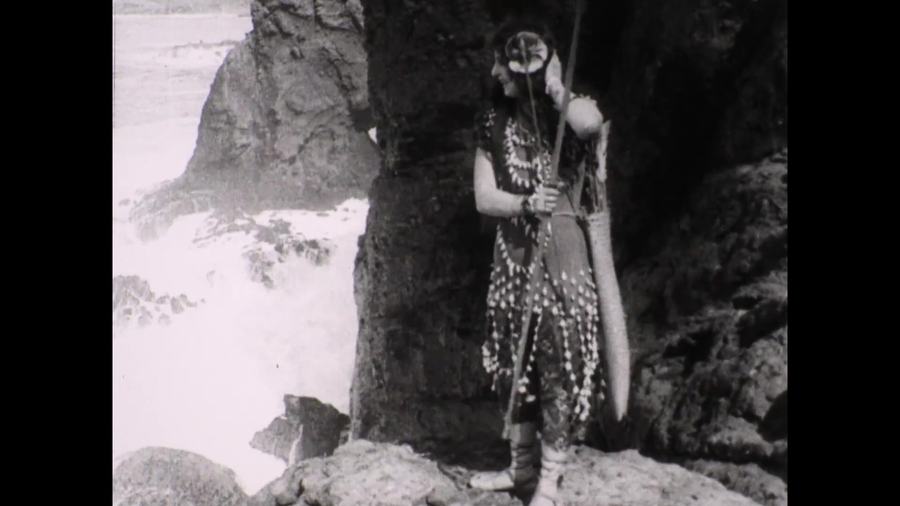
While specific details about the cinematography are scarce for many silent films, one can imagine the powerful visual impact The Pearl of Paradise would have had. The very premise—a South Sea island, lush vegetation, crystalline waters—lends itself to breathtaking imagery. Silent cinema often compensated for the lack of dialogue with heightened visual aesthetics, employing dramatic lighting, expressive close-ups, and sweeping wide shots to convey mood and scale. The contrast between the sun-drenched paradise and the looming shadows of human conflict would have been visually striking, enhancing the thematic tension. The exotic locale itself becomes a character, a silent witness to the human drama unfolding upon its shores, much like the imposing natural settings in films such as V Lapah Zheltago Dyavola (In the Claws of the Yellow Devil), where environment plays a crucial role in shaping the narrative. The costumes, too, would have played a vital role, particularly Yulita's simple attire contrasting with the more conventional clothing of Dellow and Denise, visually emphasizing the cultural divide. The physical struggle between Dellow and Van Dekken, a classic cinematic confrontation, would have relied on dynamic staging and editing to convey its intensity, a hallmark of action sequences in the era. The visual narrative of the film, even without sound, would have been designed to immerse the audience fully in this remote, captivating world, making the journey as much about the destination as the drama itself. The film's strength lies in its ability to paint a vivid picture of a world both beautiful and dangerous, a quintessential element of adventure tales from the period.
Ultimately, The Pearl of Paradise, despite its period-specific tropes and narrative contrivances like the dream sequence, offers a compelling glimpse into the romantic and adventurous spirit of early cinema. It’s a film that speaks to universal themes: the yearning for innocence, the struggle against one's past, the complexities of love, and the enduring allure of the unknown. While modern audiences might view some aspects through a more critical lens, particularly concerning the portrayal of indigenous cultures or the rapid shifts in emotional attachment, the film's core appeal remains its ability to transport. It’s a testament to the power of visual storytelling and the emotive capabilities of silent actors. The resolution, with Dellow sailing home with his "Pearl of Paradise," leaves a bittersweet taste, suggesting a happy ending that feels almost too neat after the preceding turmoil, yet it fulfills the romantic fantasy inherent in such tales. It solidifies the idea of escape and new beginnings, a popular motif that continues to resonate with audiences seeking refuge from the mundane. Much like the hopeful, albeit sometimes naive, optimism found in films like The Misleading Lady, The Pearl of Paradise promises a world where love can conquer all, even the most perilous journeys. It reminds us that cinema, at its heart, has always been about dreams—both those we project onto the screen and those that shape our deepest desires. For those interested in the evolution of romantic adventure and the expressive power of the silent era, this film is indeed a pearl worth discovering.
IMDb 5.4
1933
Community
Log in to comment.