DbcultAccessing Vault...
6.6/10
Senior Film Conservator
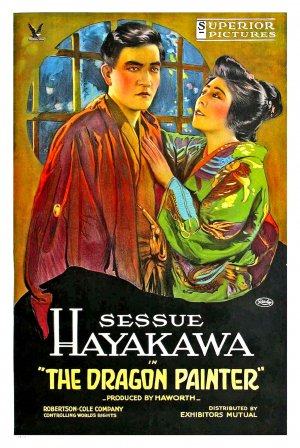
A definitive 6.6/10 rating for a film that redefined the boundaries of cult cinema. The Dragon Painter remains a cornerstone of transgressive art.
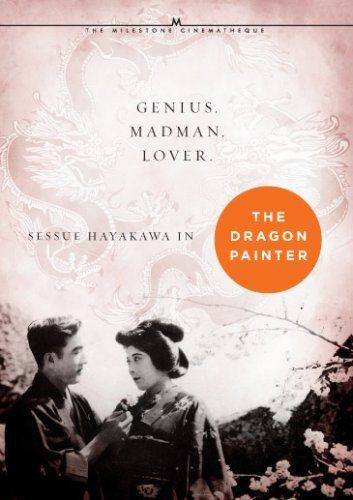
Cinema's capacity to manifest artistic obsession finds one of its earliest transcendent expressions in William Worthington's 1919 silent gem The Dragon Painter. Anchored by Sessue Hayakawa's volcanic performance—a study in feral physicality and spiritual fracture—this haunting parable dissects the paradox of creation: must genius starve on the banquet of love? Through a prism of Wagnerian symbolism and delicately rendered Japonisme, the film interrogates the very nature of inspiration, asking whether divine madness must choose between the monastery and the matrimonial bed.
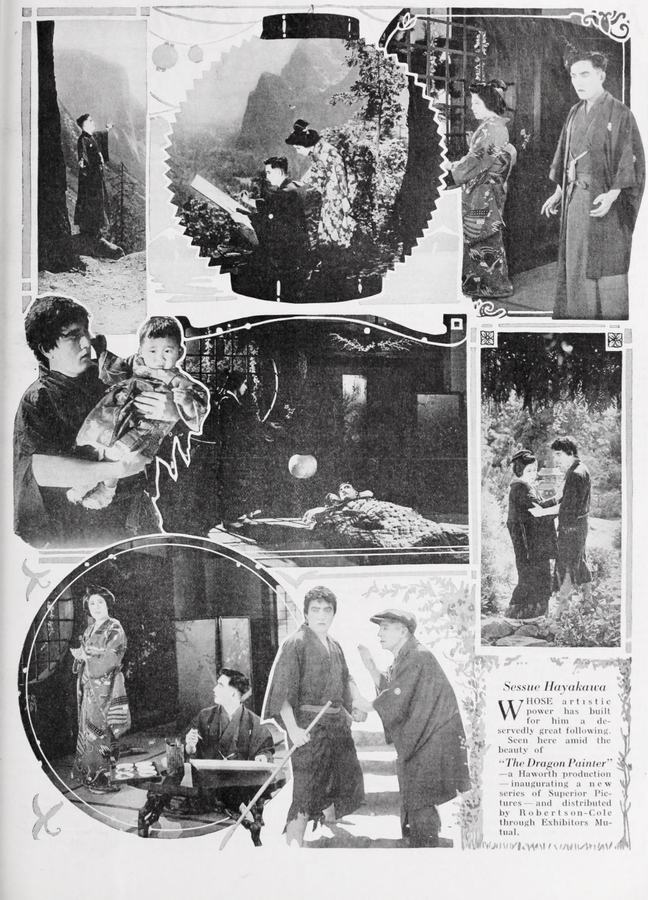
Hayakawa's Tatsu exists in a liminal space between man and myth—his matted hair framing eyes that reflect not sanity but visionary affliction. When he tears bark from trees to sketch spectral dragons, we witness not mere artistic compulsion but a shamanistic ritual. Cinematographer Frank D. Williams bathes these wilderness sequences in ethereal gauze, transforming Nippon's forests into a psychological landscape where mist becomes the breath of imaginary beasts. Tatsu's conviction that his lost princess inhabits dragon form channels Orphean yearning—his art functions as both summoning circle and funerary rite. The genius lies in how Hayakawa externalizes internal mythology through trembling fingers and animalistic posture, rendering psychosis tangible.
Edward Peil Sr.'s Kano Indara arrives as cultural colonizer disguised as benefactor. His initial fascination with Tatsu mirrors Western collectors fetishizing "primitive" art—a tension amplified by the film's American production amidst Yellow Peril hysteria. Kano's Kyoto compound becomes gilded cage, its shoji screens casting prison-bar shadows across Tatsu's increasingly tormented face. Tsuru Aoki's Ume-Ko embodies civilization's double-edged gift: her grace offers sanctuary yet neuters inspiration. Observe the devastating transformation as domestic rituals replace visionary rites—Tatsu's once-ferocious brushstrokes grow hesitant, his dragons now decorative rather than daemonic. Where The Mad Lover portrayed obsession as pathology, here love becomes the terminal illness of genius.
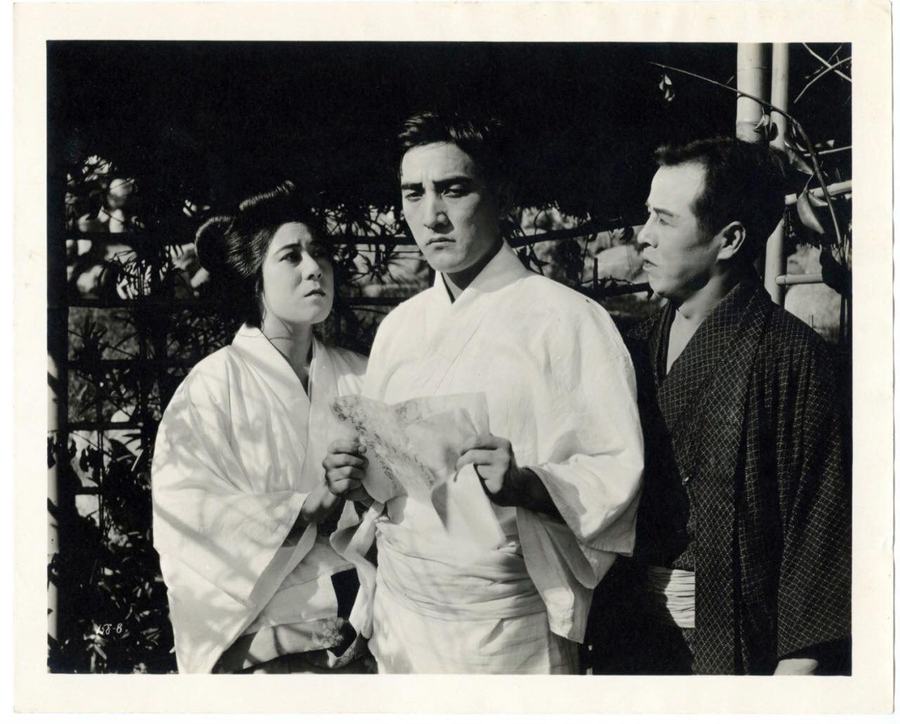
Ume-Ko's role evolves from nurturer to sacrificial lamb in Kano's Faustian scheme to reignite Tatsu's brilliance. Her staged suicide—presented with haunting tactility as she vanishes beneath rushing water—reveals the film's troubling gender politics. Woman exists either as domesticating force or martyred inspiration, never autonomous creator. This duality mirrors contemporaneous works like The Lotus Woman where female identity bends to male artistic needs. Yet Aoki invests Ume-Ko with profound dignity—her final letter confessing the deception becomes not just plot device but metaphysical manifesto. By willingly becoming phantom muse, she transcends patriarchal limitations, achieving agency through self-erasure. The mournful beauty of her performance suggests reservoirs of emotion Hollywood rarely permitted Asian actresses.
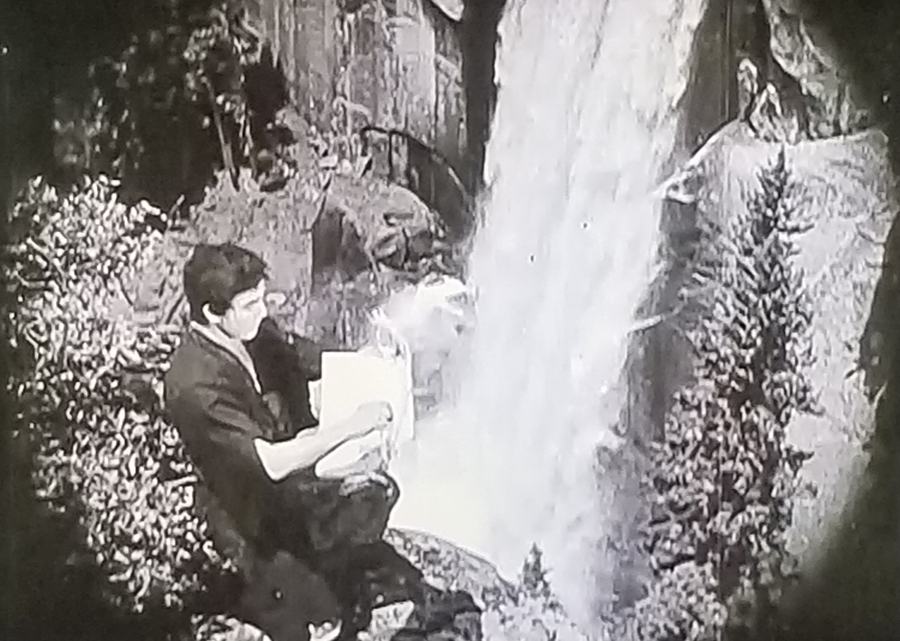
Worthington and Williams craft compositions that feel excavated from ukiyo-e scrolls. Interior scenes employ shallow focus to isolate characters against negative space, evoking Hokusai's Great Wave in their minimalist power. When Tatsu paints, the camera caresses his canvases in ecstatic close-ups—ink swirls becoming tempests of unconscious desire. The filmmakers invent a visual syntax for artistic process: as brush meets paper, double-exposure dragons writhe beneath Tatsu's hand, externalizing creative trance. This technique anticipates the surreal flourishes of Impressioni del Reno by decades. Most revolutionary is the climactic waterfall sequence—Ume-Ko's disappearance staged through layered matte shots creates hypnotic depth, her white kimono dissolving like foam into torrents. Here cinematography transcends documentation to become pure emotional hieroglyph.
Hayakawa crafts Tatsu as kinetic sculpture—every movement vibrates with unstable energy. Early scenes show him moving with feral twitches, fingers spasming as if channeling unseen currents. His posture evolution mirrors his psychic unraveling: the coiled tension of wilderness gives way to the defeated slump of domesticated husband, then erupts into possessed fury upon Ume-Ko's "death." Watch the disintegration during the wedding sequence—as ceremonial sake touches his lips, Hayakawa's eyes dart like trapped birds, sensing inspiration's departure. Unlike the performative hysterics in Fires of Conscience, his acting operates at cellular level. When grief seizes Tatsu, Hayakawa doesn't weep but convulses—dry soaks wracking his frame as if his nervous system rejects reality. This isn't portrayal but possession.
Modern restorations often impose scores ill-fitting this delicate narrative. The film's true music lives in its rhythmic editing—a visual sonata where nature provides leitmotifs. Consider the recurring water imagery: mountain streams symbolize Tatsu's untamed creativity; still garden ponds reflect domestic stagnation; the waterfall embodies artistic rebirth through annihilation. Sound manifests visually through calligraphy—the rasp of Tatsu's charcoal becomes percussive accompaniment to his trance. When inspiration finally reignites post-tragedy, Worthington constructs a montage of swirling ink and frenzied brushwork that accelerates to ecstatic climax—a cinematic correlative to Stravinsky's Rite of Spring. This sequence remains more audacious than anything in The Great Diamond Robbery, proving silent film's unique capacity for synaesthetic storytelling.
The film's production context adds layered ironies. Adapted by Euro-Americans from a Western novel about Japan, starring Japan-born actors in America during exclusionary policies, The Dragon Painter becomes cinematic palimpsest. Hayakawa—already constrained by Hollywood's dragon-lady and villain tropes—seizes this project to dismantle stereotypes. His Tatsu embodies Occidental fears of the "inscrutable Oriental" while simultaneously critiquing Western commodification of Eastern spirituality. Production design reflects this duality: Kano's home mixes authentic shoji with fantastical embellishments catering to exoticist expectations. Unlike the cultural strip-mining of Wolves of Kultur, here Orientalism becomes critical lens—the film holds Western audiences accountable for the fantasies they project onto Asian cultures.
The film's final revelation—Ume-Ko's survival—should offer catharsis but instead deepens the tragedy. Tatsu's masterpieces now emerge from manufactured despair, his genius dependent on perpetual mourning for a living ghost. This emotional alchemy—turning love to loss to fuel creation—finds echoes in Lorena's exploration of art-born trauma. The closing shots of reunited lovers feel chillingly ambiguous: will domesticity again extinguish Tatsu's fire? Or has he learned to simulate madness for artistic production? Hayakawa's expression suggests terrifying awareness—the artist becomes prisoner of his own legend. Unlike the tidy resolutions of The Warning, this conclusion embraces disturbing modernity: genius as performance, love as exploitable resource, art as beautiful lie.
Over a century later, The Dragon Painter's power endures because it articulates universal artistic anxieties. Its central question—must creators choose between human connection and divine inspiration—haunts from Picasso's studios to Prince's Paisley Park. In our age of algorithmic content, Tatsu's desperate authenticity feels revolutionary. Hayakawa's performance remains a masterclass in embodying contradiction—his Tatsu is both repellent and magnetic, savage and sophisticated, destroyer and creator. The film survives not as relic but as living manifesto, challenging artists to ask: from what abyss does true creation emerge? And what soul-fragments must we sacrifice upon its altar? In this silent masterpiece, the most deafening sound remains the echo of brush on paper—the death rattle and birth cry of inspiration forever intertwined.
IMDb 7.1
1927
Community
Log in to comment.