DbcultAccessing Vault...
Cult Review
Senior Film Conservator
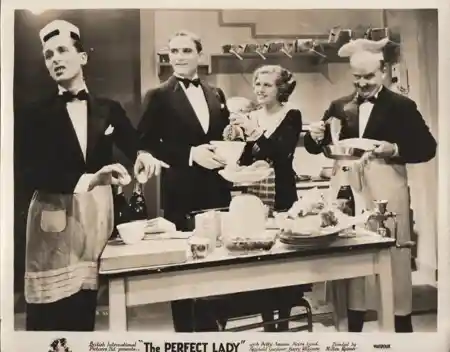
Alright, so The Perfect Lady from 1931. Is it worth carving out a chunk of your afternoon for this one today? Honestly, only if you're a real film history buff or someone who just gets a kick out of seeing how movies used to be. If you're looking for something with a modern pace or crystal-clear sound, you'll probably find yourself drumming your fingers after the first ten minutes. But for those who enjoy a peek into a different era, it’s got its moments. 🕰️
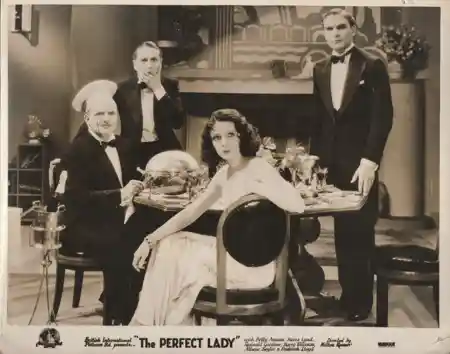
Moira Lynd plays Joan, our titular 'perfect lady.' And what a job that must've been back then, huh? The movie mostly revolves around her trying to navigate this whole idea of what 'perfection' even means. It’s less about a grand plot and more about these little social hurdles she faces. Like, what do you wear to tea? How do you respond to a compliment from a rather stiff gentleman? All very serious stuff. 😅
The sound quality, bless its heart, is a real trip. You often feel like you're trying to understand conversations through a very thick wool blanket. There's this one scene where Joan is talking to Frederick Lloyd's character – I think he’s supposed to be a suitor, or maybe just a family friend? – and his voice just dips out for half a sentence. You catch the start, then a mumble, then the end. You just fill in the blanks, I guess.
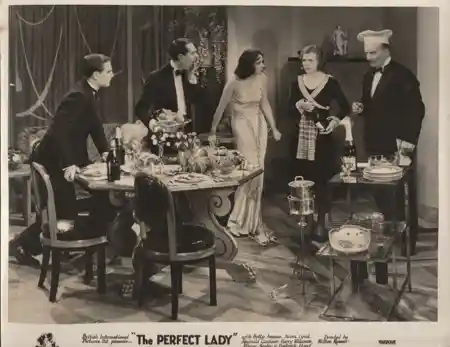
Everyone acts like they’re still on a stage. Big gestures, over-enunciated words. It’s fascinating, really. You can almost feel them *projecting* to the back row, even though it’s a film. Betty Amann, who plays a character named Eve, she’s got this wonderfully dramatic eye-roll that she pulls out at just the right moments. It's subtle for the era, but still big. That was a fun little thing to notice. 👀
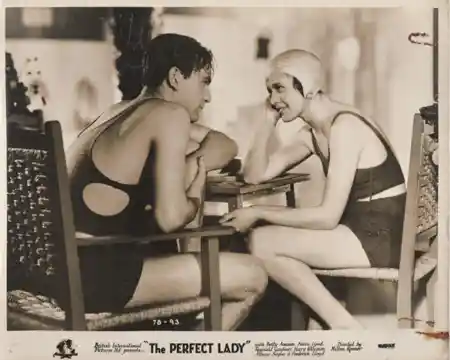
The pacing is… deliberate. There's a scene, oh man, where Joan is just sitting by a window, looking out. For a solid minute. She’s thinking, I suppose. The camera just holds. You really get a sense of the quiet, almost suffocating, expectations of the time. Nobody's rushing anywhere. It really makes you appreciate how much film language has changed, how much we demand constant movement now.
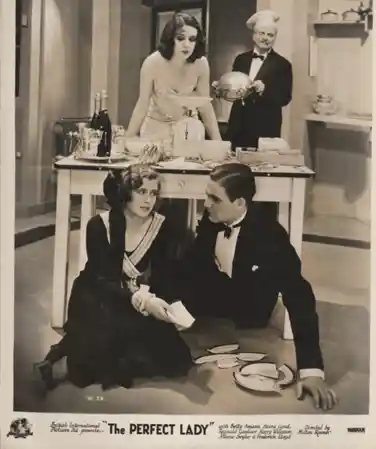
One particular moment that stuck with me: Joan is at a party, and someone compliments her dress. She blushes so deeply, you can almost feel the heat radiating off the screen. It’s such an earnest reaction. So different from how characters might respond today, maybe a quick 'thank you' and moving on. Here, it’s a whole *event*.
And the dialogue! It's so formal. People don't just ask questions, they *inquire*. They don't just disagree, they *beg to differ*. It makes you smile, sometimes. You can feel the societal rules dictating every single word choice. It’s like everyone’s trying to be the most polite person in the room, even when they’re clearly annoyed. 😠
There's this odd little subplot involving a lost necklace. It just pops up, then gets resolved with surprisingly little fuss. Like, it felt more like a quick side quest in a video game than a major plot point. No big dramatic reveal. Just, 'Oh, there it is.' And everyone moves on. I appreciate that; it feels very true to life, sometimes things just resolve themselves.
Honestly, the real star here might be the costumes. Joan has this one evening gown, all shimmering and with these delicate sleeves. It looks absolutely stunning. Though you wonder how comfortable it actually was. Probably not very. But it certainly *looks* perfect.
If you're into the aesthetics of early cinema, or just curious about how women were portrayed in the nascent days of talkies, then yeah, give The Perfect Lady a shot. It's not a thrill ride. It’s more like a quiet stroll through a very old, slightly dusty museum. You find little gems if you're patient enough to look. But if you blink, you might miss a crucial eyebrow raise, or a sudden, almost imperceptible nod that signals everything. And that’s part of the charm, I think. ✨
IMDb 5
1925
Community
Log in to comment.