
DbcultAccessing Vault...
Cult Review
Senior Film Conservator
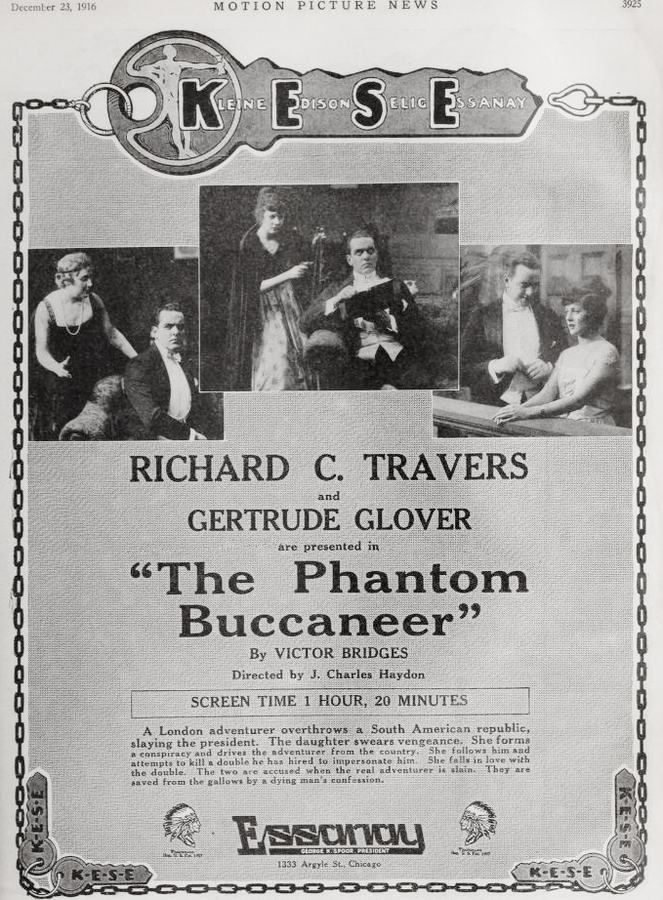
In the pantheon of early silent cinema, few narratives capture the precarious intersection of colonial ambition and personal desperation as vividly as The Phantom Buccaneer. Released in 1916, a year defined by global upheaval and the burgeoning sophistication of filmic language, this production stands as a testament to the era's fascination with the 'gentleman adventurer'—a trope that here is deconstructed into something far more cynical and haunting. Unlike the straightforward morality plays often found in contemporary works like Charity, this film plunges its audience into a murky world where the lines between hero and villain are not merely blurred but intentionally erased.
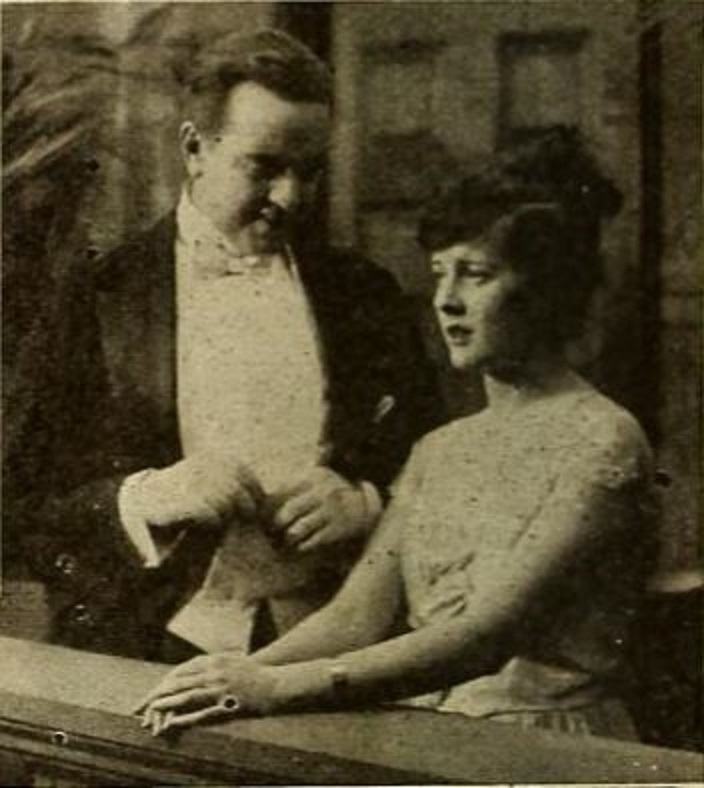
The film opens with a visceral depiction of Stuart Northcote’s ascent in a mythical South American republic. Northcote, portrayed with a chilling, calculated intensity by Richard Travers, is not the swashbuckling hero the title might suggest. Instead, he is a precursor to the modern corporate mercenary. The assassination of the president is staged with a starkness that predates the noir sensibilities of later decades. This isn't the whimsical adventure found in The Ringtailed Rhinoceros; it is a cold-blooded usurpation of power. The visual contrast between the sun-drenched, chaotic energy of the South American setting and the claustrophobic, soot-stained interiors of London creates a thematic dissonance that mirrors Northcote’s own internal fracture.
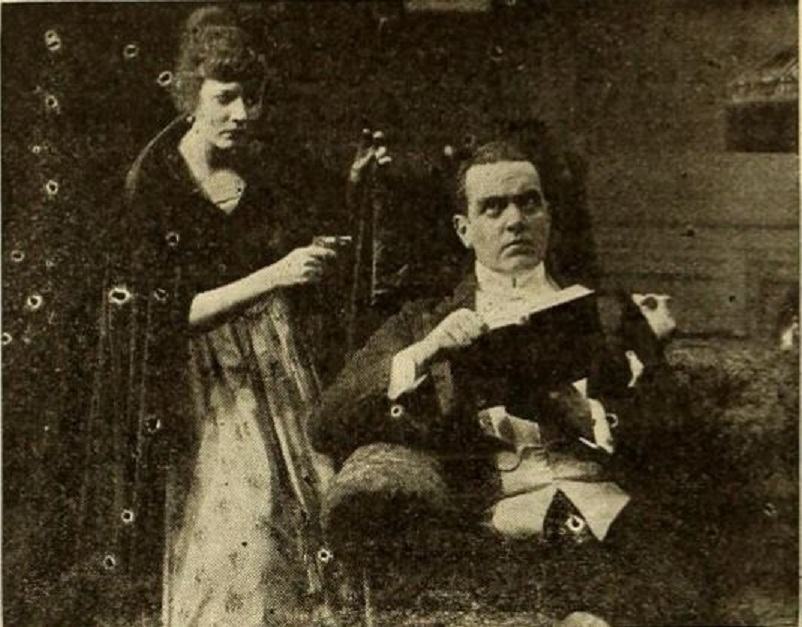
The narrative’s true genius lies in the introduction of Jack Burton. Here, Travers pulls double duty, providing a masterclass in subtle physical differentiation. If Northcote is all sharp angles and predatory stillness, Burton is a portrait of soft-edged exhaustion. The 'double' motif is a recurring obsession in 1910s cinema, often used for comedic effect as seen in What Happened to Jones, but in the hands of writers H. Tipton Steck and Victor Bridges, it becomes a harrowing exploration of class exploitation. Northcote doesn't just hire Burton; he consumes his identity, using the young man's poverty as a lubricant for his own survival. This parasitic relationship serves as a scathing critique of the British class system, where the lives of the 'impoverished' are treated as disposable assets for the adventurous elite.
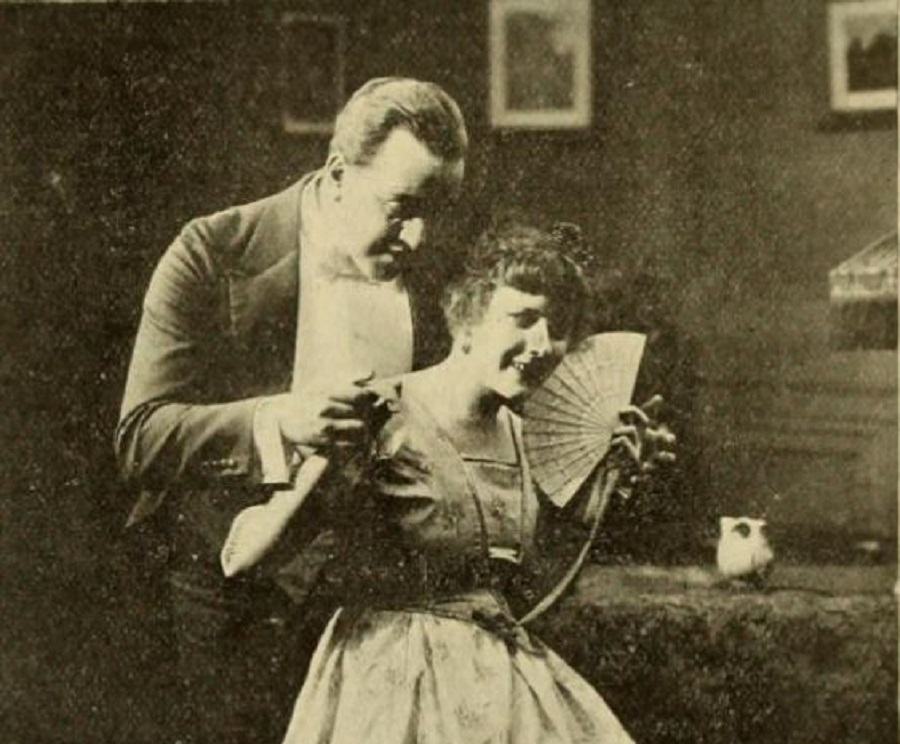
Gertrude Glover delivers a performance of remarkable emotional range as Mercia Solano. In an era where female characters were frequently relegated to the roles of damsels or domestic anchors—think of the archetypes in The Unwelcome Mother—Mercia is a force of nature. Her pursuit of Northcote is driven by a righteous, almost biblical fury. However, the film takes a daring turn when she encounters Burton. The transition from her intent to kill to her eventual realization of his innocence is handled with a psychological realism that was rare for 1916. Their burgeoning romance is not merely a plot device; it is the catalyst for the film’s moral pivot. It is through Mercia’s eyes that we see the inherent worth of the man behind the mask, a theme that resonates with the tender humanity found in Destiny's Toy.
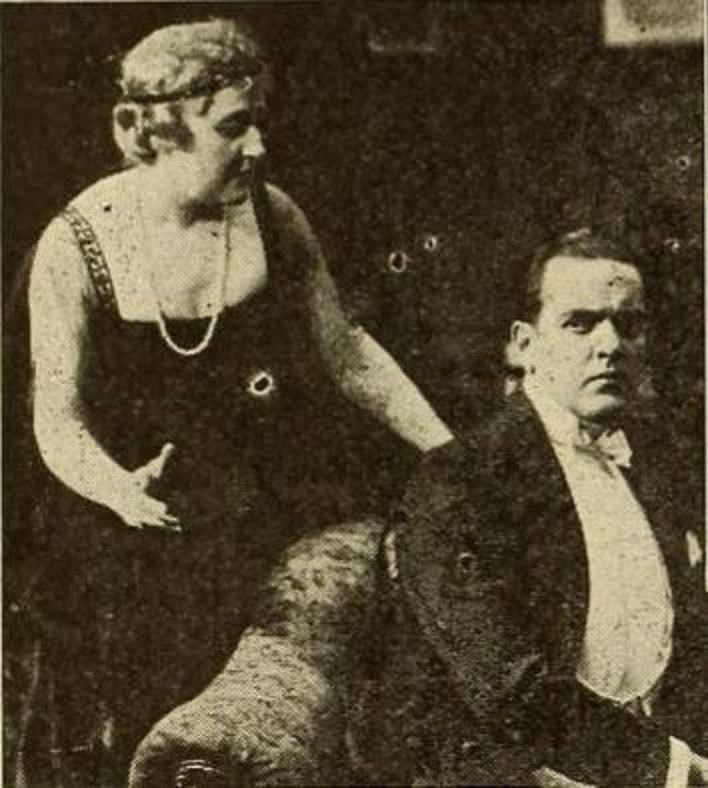
Directorially, the film utilizes light and shadow to heighten the sense of impending doom. The 'shadow of the gallows' mentioned in the plot is not just a metaphor but a visual motif. The cinematography during the London sequences is particularly noteworthy, capturing a sense of urban dread that rivals the atmosphere in The Suspect. The use of deep staging during the scenes where the conspirators plot against Burton creates a sense of voyeuristic unease. We are not just watching a story; we are witnessing a trap being set. This tension is punctuated by the film's pacing, which eschews the languid development seen in The Absentee in favor of a propulsive, almost modern rhythm.
When compared to other films of the period, The Phantom Buccaneer feels remarkably ahead of its time. While The Gilded Cage explores the trappings of royalty and social expectation, this film deconstructs the very notion of 'royalty' by showing how easily a crown can be stolen and how quickly it can tarnish. There is a grit here that is absent in the more melodramatic The Innocent Lie. Even the international flavor of the film, with its South American prologue, suggests a worldliness that echoes the documentary-style fascination of Life of the Jews of Palestine, yet it channels that realism into a heightened fictional thriller. The stakes feel higher, the danger more palpable, and the resolution more earned than in the somewhat predictable Over Niagara Falls.
The climax of the film hinges on the testimony of a valet, a narrative choice that underscores the film’s preoccupation with the 'unseen' members of society. In a world of grand gestures and political assassinations, it is the quiet observer—the servant who lingers in the shadows—who holds the power of life and death. This subversion of power dynamics is a masterstroke. It reminds the audience that while Northcote and the conspirators may think they are the masters of their destiny, they are constantly being watched by those they consider beneath them. This theme of social observation is also explored in Vanity, but here it serves a much more critical, life-saving function.
As we look back at The Phantom Buccaneer through the lens of a century, its resonance is undiminished. It is a film that grapples with the morality of survival and the heavy cost of redemption. The technical proficiency of the Essanay Film Manufacturing Company is on full display here, from the evocative set designs to the nuanced editing. While it may not have the surrealist leanings of Det blaa vidunder or the overt symbolism of The Day, it possesses a narrative integrity that makes it a cornerstone of the silent thriller genre. The film doesn't just tell a story of a pirate and a double; it tells a story about the masks we wear and the truths we cannot escape. In the end, the 'Phantom' of the title isn't Northcote, but the lingering ghost of the man he tried to be—and the man Jack Burton eventually becomes. This is essential viewing for any serious student of cinema, a complex, multi-layered work that rewards repeated viewings with its depth of character and thematic richness.