DbcultAccessing Vault...
Cult Review
Senior Film Conservator
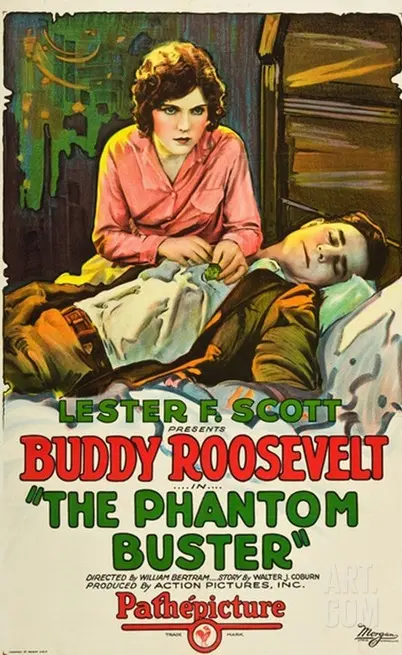
Is The Phantom Buster a lost masterpiece of the silent era? Short answer: No, but it is a fascinating, rugged artifact of a genre in transition.
This film is specifically for silent cinema completionists and those curious about the prehistoric roots of Boris Karloff’s career. It is absolutely not for viewers who struggle with the deliberate, often repetitive pacing of 1920s B-Westerns.
1) This film works because it leans into the physical geography of the West, using the landscape not just as a backdrop, but as a character that dictates the movement of the actors.
2) This film fails because its central mystery—the identity and motivations of the 'Phantom'—is telegraphed too early, robbing the final act of genuine suspense.
3) You should watch it if you want to see how the Western genre began to incorporate elements of the 'masked hero' archetype that would later evolve into the superhero genre.
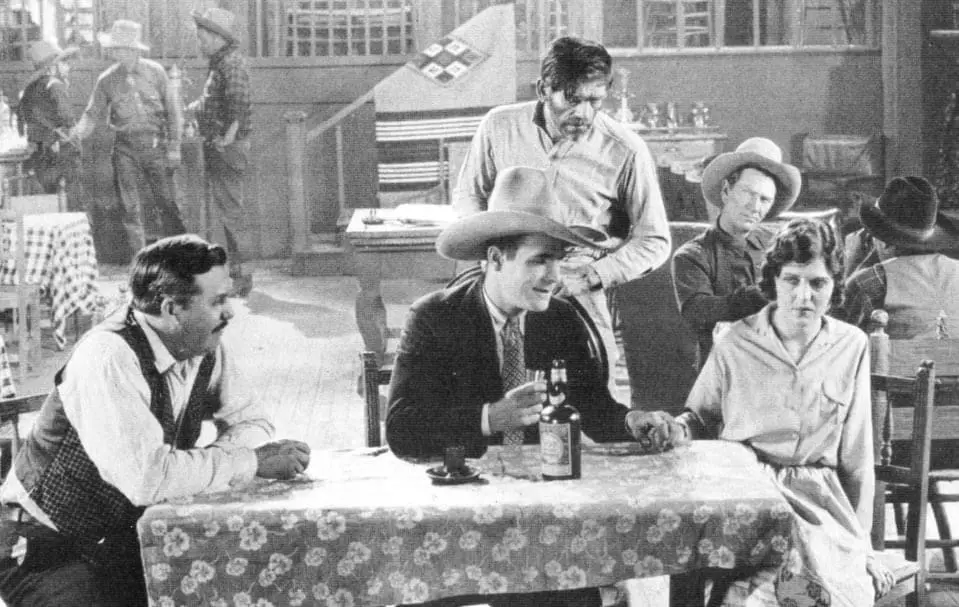
The Phantom Buster is worth watching if you view it as a historical document rather than a modern entertainment vehicle. In 1927, the Western was already becoming a standardized product, and this film represents the 'bread and butter' of the industry. It lacks the sweeping ambition of something like The Untamed, but it possesses a raw, unpolished energy that is often missing from the more sanitized Westerns of the 1940s. For the modern viewer, the primary draw is the cast. Seeing Boris Karloff before he became an icon of the macabre is a treat; he brings a specific, heavy-lidded intensity to his role that makes the rest of the cast look like they are overacting.
Jon Junior takes the lead here, and while he possesses the requisite jawline for a silent hero, he lacks the magnetic charisma of his contemporaries. He is a functional protagonist. He moves well, he looks good on a horse, but he doesn't command the screen. Contrast this with Boris Karloff. Even in this early, relatively minor role, Karloff understands the power of stillness. While the other actors are flailing their arms to convey distress, Karloff simply stares. It is chilling. It reminds me of the subtle menace found in The Brand of Satan, where the villainy feels grounded rather than theatrical.
Lawrence Underwood and Howard Davies fill out the supporting cast with varying degrees of success. They are the gears in the machine, providing the necessary friction to keep the plot moving. Buddy Roosevelt and Alma Rayford provide the emotional stakes, though Rayford is unfortunately relegated to the 'damsel' role that was so prevalent at the time. It’s a shame, as the writing by Betty Burbridge—a woman who wrote hundreds of Westerns—often hinted at more complex female dynamics that the directors of the era didn't always know how to capture.
The direction is utilitarian. There are no avant-garde flourishes here. The camera stays mostly at eye level, capturing the action in wide shots that emphasize the scale of the ranch and the surrounding hills. However, there is a specific sequence involving a nighttime confrontation that uses shadow in a way that feels almost noir-ish. The 'Phantom' figure is obscured by high-contrast lighting, creating a silhouette that is genuinely striking. It is a moment where the film transcends its B-movie roots and touches something more atmospheric.
The pacing is where the film shows its age. Silent Westerns relied heavily on title cards to explain plot points that modern films would show through dialogue or action. At times, The Phantom Buster feels like it is stopping and starting. You get a burst of exciting riding, followed by a long, static scene of two men standing in an office. It lacks the fluid, poetic editing found in international films of the same year, such as Umanità. But for an American B-Western, it is perfectly serviceable.
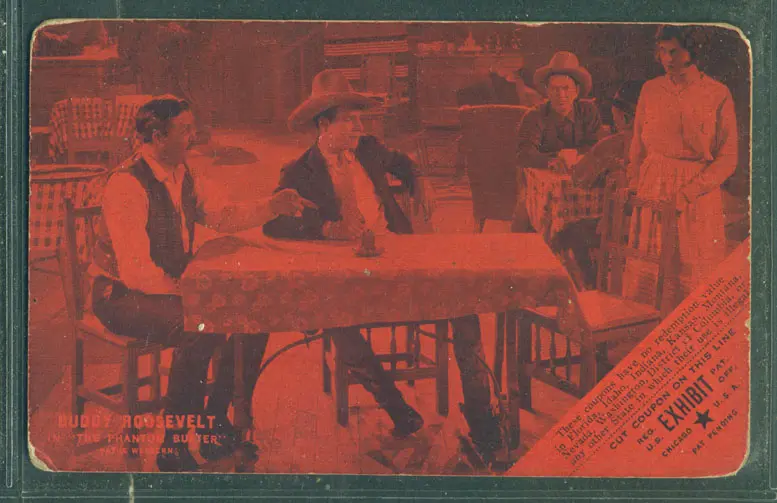
The screenplay by Walter J. Coburn and Betty Burbridge is a fascinating study in genre conventions. Burbridge was a powerhouse of the era, and you can see her fingerprints in the way the plot is structured. She avoids the fluff. Every scene exists to either establish a threat or resolve one. There is a lean, mean quality to the writing that prevents the film from becoming too sentimental. Unlike the more comedic or lighthearted Westerns like The Smilin' Kid, The Phantom Buster takes its stakes seriously. There is a sense of genuine peril in the final shootout that feels earned.
However, the dialogue—as presented on the title cards—is occasionally clunky. It relies on heavy-handed exposition. 'I’ll get you for this!' is the general vibe of the interaction. It works for the audience of 1927, but it feels a bit like a caricature today. Still, the underlying structure is solid. It’s a classic three-act build that leads to a satisfying, if predictable, conclusion.
Pros:
- Authentic 1920s location shooting that provides a real sense of place.
- A brisk runtime that doesn't overstay its welcome.
- Strong physical performances during the action sequences.
- A rare look at the early career of a future cinematic legend.
Cons:
- The 'Phantom' mystery is incredibly thin.
- Jon Junior is a somewhat forgettable lead compared to the villains.
- Static cinematography during the indoor dialogue scenes.
The Phantom Buster is a good movie if you judge it by the standards of its time and its budget. It is a workhorse film. It was designed to fill seats in rural theaters for a weekend, and it does that job with professional efficiency. It doesn't have the soul of a masterpiece, but it has the grit of a real Western.
The Phantom Buster is a sturdy, if uninspired, addition to the silent Western canon. It is a film of moments rather than a cohesive triumph. The moments where Karloff is on screen, or where the 'Phantom' lurks in the shadows, are excellent. The moments where the plot drags through standard ranch disputes are less so. It works. But it’s flawed.
If you have exhausted the major silents like The Merchant of Venice or the more prestigious dramas of the era, this is a fine way to spend an hour. It provides a visceral look at the kind of entertainment that shaped the American mythos. It isn't essential viewing, but for those who love the smell of old celluloid and the dust of the frontier, it is a journey worth taking at least once. It reminds us that even before he was a monster, Boris Karloff was a master of the screen.
IMDb 6.5
1924
Community
Log in to comment.