DbcultAccessing Vault...
5.7/10
Senior Film Conservator
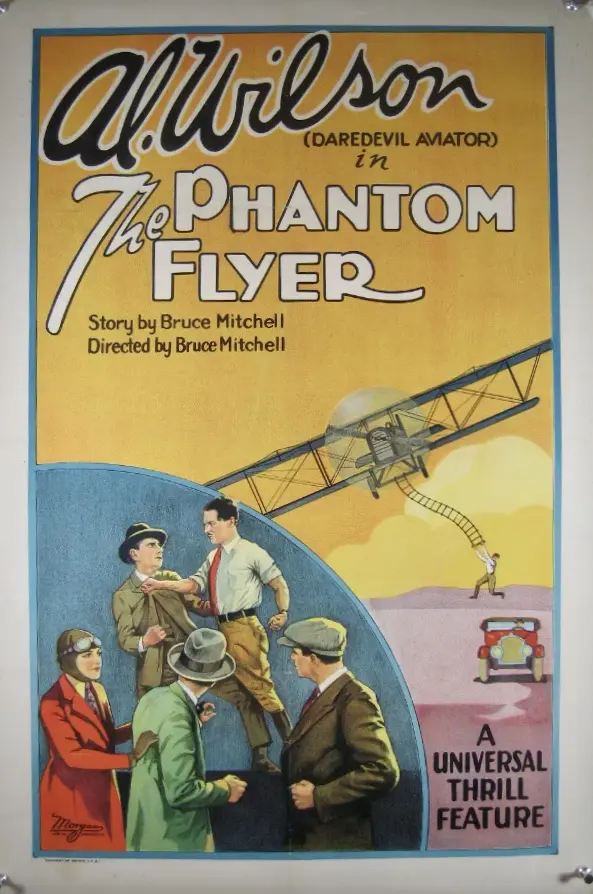
A definitive 5.7/10 rating for a film that redefined the boundaries of cult cinema. The Phantom Flyer remains a cornerstone of transgressive art.
Is The Phantom Flyer worth your time in an era of CGI-saturated spectacles? Short answer: yes, but only if you approach it as a historical document of physical bravery rather than a complex narrative masterpiece. This film is built for those who find more thrill in a real biplane rattling against the wind than a thousand digital explosions, though it will certainly alienate viewers who require nuanced character development or a fast-paced script.
This 1928 silent feature is a raw, unpolished relic of a time when 'action' meant putting an actor in actual mortal peril. It is a film that values the silhouette of a wing against the horizon more than the dialogue on a title card. If you are looking for the DNA of the modern summer blockbuster, you will find its primitive, oily roots right here.
1) This film works because it prioritizes authentic aerial stunts over studio-bound trickery, offering a sense of scale that feels genuinely dangerous.
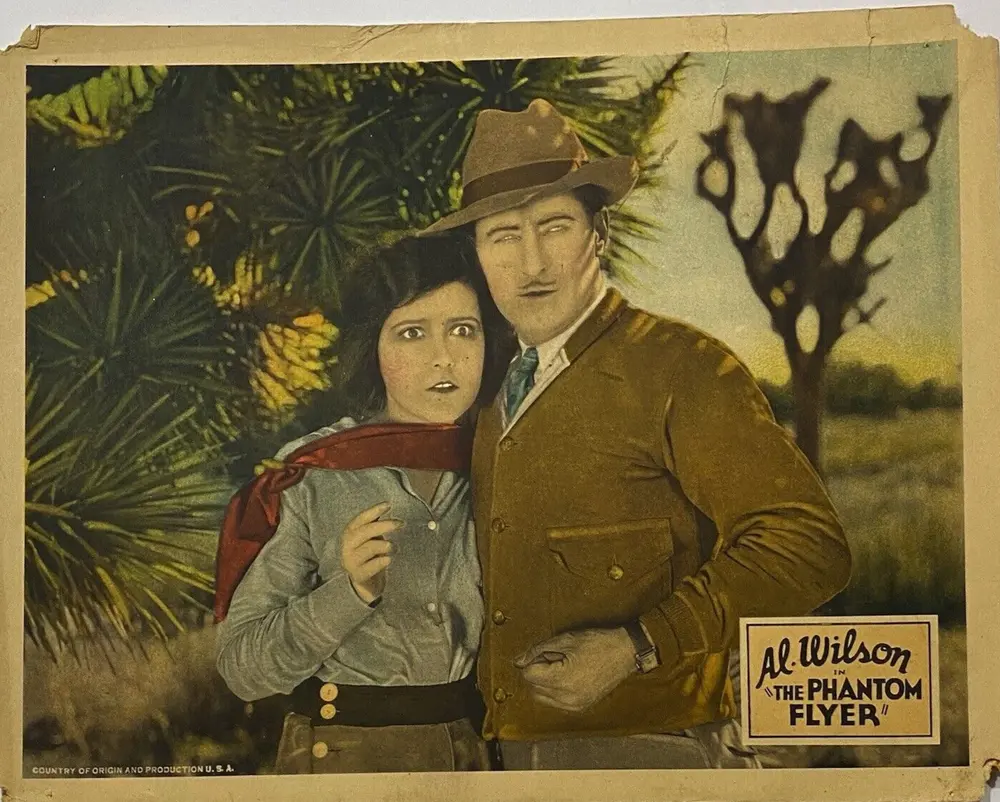
2) This film fails because the connective tissue between the flight sequences—the romantic subplots and ranch-side drama—is paper-thin and frequently halts the momentum.
3) You should watch it if you are a student of cinema history or an aviation enthusiast who wants to see the legendary Al Wilson perform his own death-defying maneuvers without a safety net.
To understand The Phantom Flyer, you must first understand Al Wilson. Unlike the polished stars of The Mystic, Wilson was a pilot first and an actor second. This creates a fascinating, if sometimes awkward, screen presence. He doesn't act so much as he inhabits the cockpit. When he is on the ground, he looks slightly uncomfortable, like a bird forced to walk. But once the propeller spins, he becomes the most magnetic person on screen.
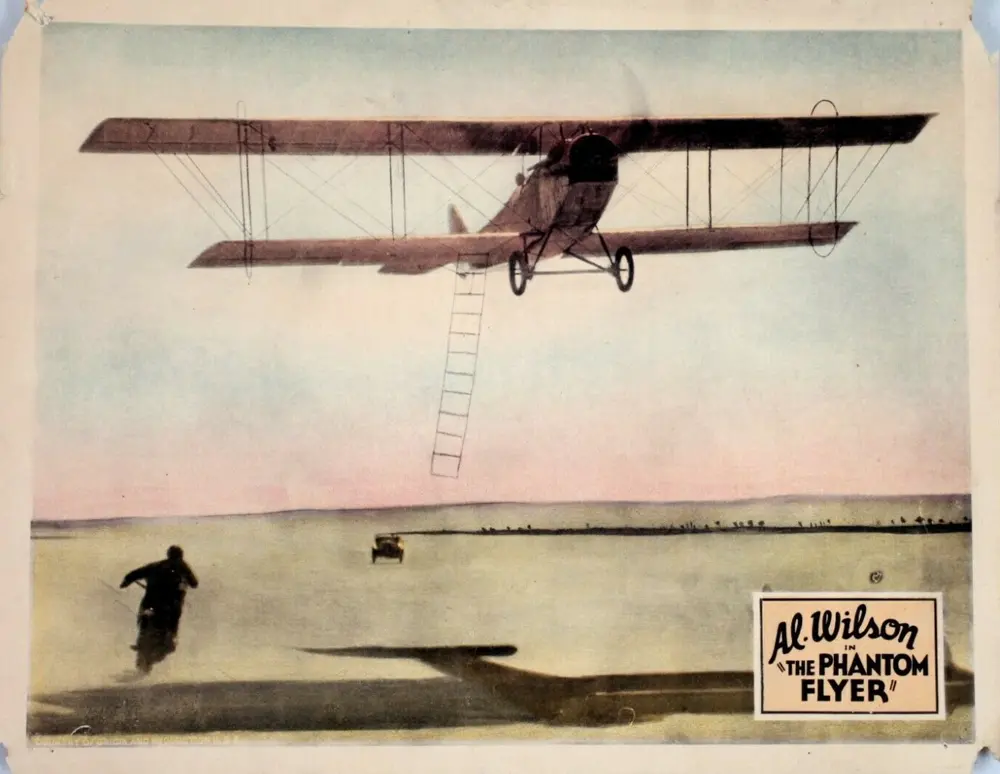
There is a specific moment mid-way through the film where Wilson’s character has to transfer between moving vehicles. In a modern film, this would be a series of cuts and green-screen composites. Here, the camera stays wide. You see the vibration of the plane. You see the wind whipping his leather jacket. It is terrifyingly real. This visceral quality is something lost in later productions like Frontier of the Stars, which leaned more into the romance of the heavens than the grit of the engine.
The supporting cast, including Lillian Gilmore and the reliable Buck Connors, do their best with the material provided by Bruce Mitchell and Gardner Bradford. However, they are essentially set dressing. Gilmore plays the classic 'damsel in a sun hat,' a role she navigated with more agency in Red Courage, but here she is mostly a motivation for Wilson to get back into the air. The film doesn't care about their romance, and frankly, neither do we.
The cinematography in The Phantom Flyer is surprisingly sophisticated for a B-unit production. The filmmakers clearly struggled with the weight of 1920s cameras, yet they managed to mount them in positions that provide a 'pilot’s eye view.' This creates a sense of immersion that was revolutionary at the time. You aren't just watching a plane; you are feeling the turbulence.
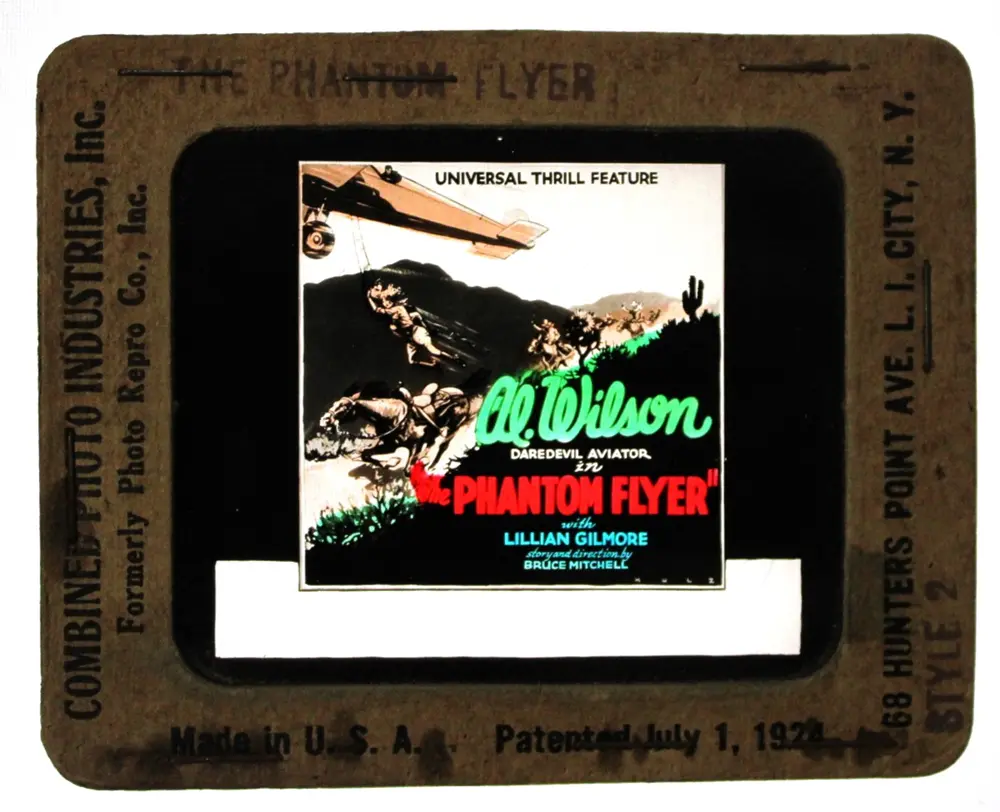
Compare this to the grounded, heavy-handed drama found in The Fight. While that film excels in capturing the claustrophobia of human conflict, The Phantom Flyer excels in the opposite: the terrifying vastness of the borderlands. The use of natural light is harsh, casting long shadows over the desert that make the smuggling hideouts look like something out of a fever dream. It is a stark, high-contrast world where the line between the hero and the 'phantom' is often blurred by the glare of the sun.
The pacing, however, is where the film shows its age. The first act is a slow burn, establishing a ranching conflict that feels entirely separate from the aviation plot. It isn't until the second half that the film finds its wings. This disjointed structure is a common flaw in late silent-era action films, where producers felt the need to pad the runtime with 'wholesome' domestic scenes that the audience likely ignored in favor of the next stunt.
If you are looking for a tight, 90-minute thriller, no. If you are looking for a visceral experience of 1920s daredevilry, then absolutely. The Phantom Flyer is a film that demands you look past its technical limitations to see the raw ambition underneath. It is a loud film in a silent medium.
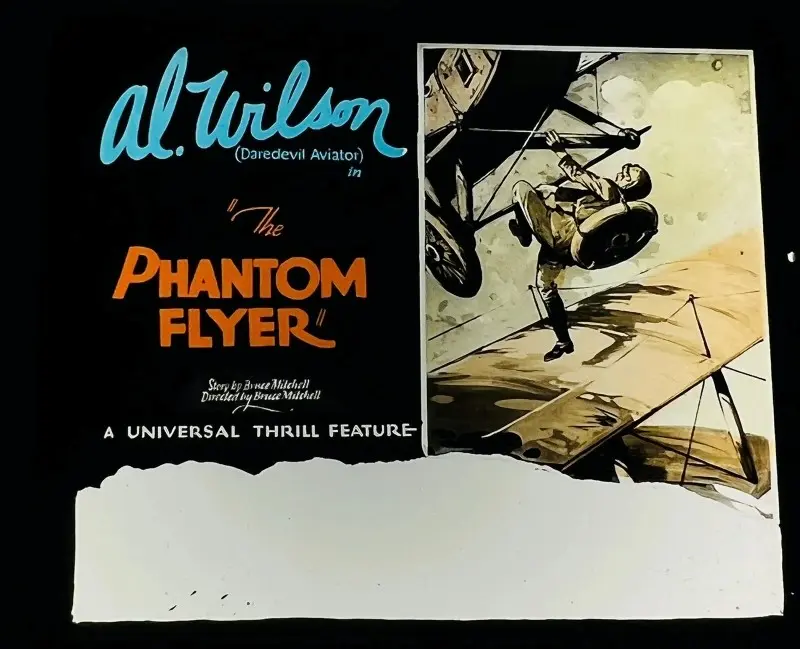
The film works best when it stops trying to tell a story and starts trying to survive. The 'phantom' of the title isn't just a mysterious pilot; it represents the ghost of a lost era of filmmaking where the stakes were physically real for everyone involved. It’s a relic. But it’s a fascinating one.
Director Bruce Mitchell was a journeyman of the silent era, often working with limited budgets and tight schedules. In The Phantom Flyer, you can see him wrestling with the limitations of the script. He knows the audience is there for the planes, so he rushes the dialogue scenes with a frantic energy that almost borders on comedy. A scene that should be a tender moment between Wilson and Gilmore is cut short by a literal cloud of dust as a plane takes off in the background.
This lack of sentimentality is actually the film's greatest strength. It doesn't pretend to be Pretty Lady. It knows it is a B-movie, and it wears that badge with pride. The direction is functional, but there are flashes of brilliance in the way Mitchell uses the horizon line to create tension. He understands that in the air, the greatest enemy isn't the smuggler—it's the ground.
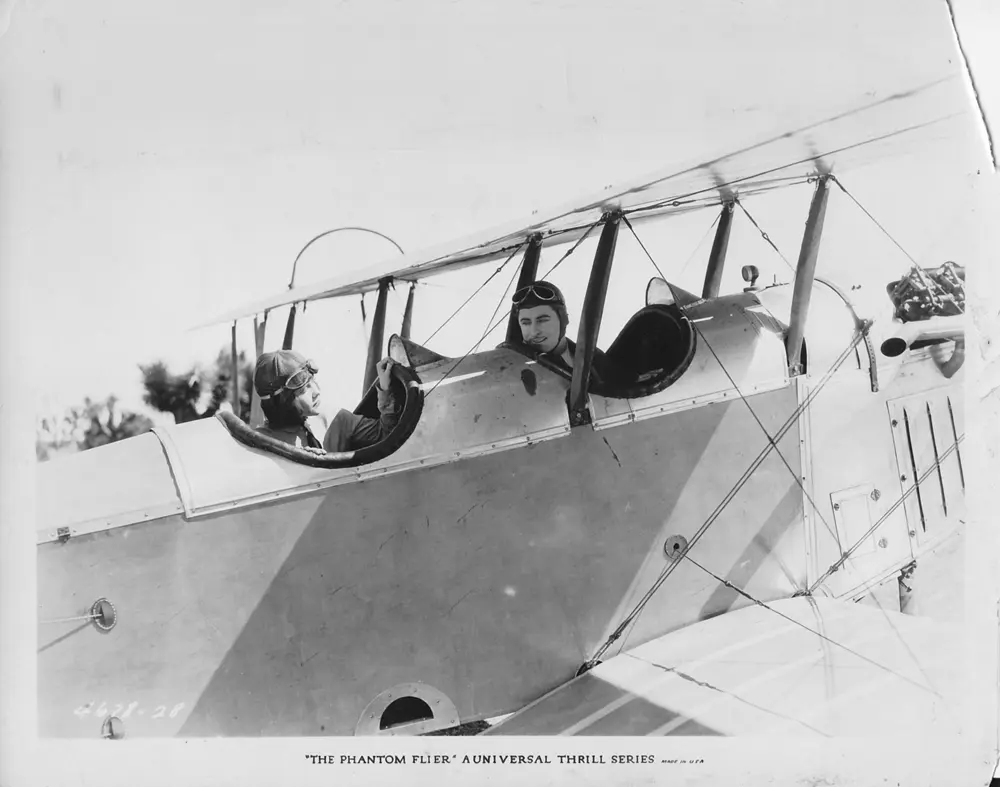
The stunts are 100% real. There is no safety net, and you can feel that tension in every frame. Al Wilson’s charisma as a pilot is undeniable, and the film serves as a perfect time capsule of early aviation technology. The cinematography during the flight sequences is decades ahead of its time, providing a sense of speed that even some sound-era films like Conflict struggled to replicate.
The plot is a collection of clichés that were already tired in 1928. The 'smuggling' angle is never fully developed, making the villains feel like cardboard cutouts. The film also suffers from some poor restoration in available prints, making some of the more intricate stunts hard to follow. Finally, the pacing is uneven, with long stretches of static dialogue that add nothing to the overall experience.
One might notice that the film treats the airplane not as a tool of progress, but as a weapon of surveillance. There is a proto-fascistic undertone to the 'Border Patrol' hero that is rarely discussed in reviews of this era. Unlike the whimsical nature of That's My Daddy, this film views the sky as a territory to be conquered and policed. It’s a surprisingly modern take on border security, wrapped in a 1920s adventure package.
The Phantom Flyer is essentially a highlight reel masquerading as a feature film. It works. But it’s flawed. It’s a movie that lives and dies by its star’s ability to stay airborne. While it lacks the emotional depth of Dad's Boy or the comedic timing of Nearly Married, it offers something those films cannot: the sight of a man defying gravity. For that reason alone, it earns a spot in the pantheon of essential silent action. Just keep your finger on the fast-forward button during the ranch scenes.
IMDb 6.9
1919
Community
Log in to comment.