DbcultAccessing Vault...
Cult Review
Senior Film Conservator
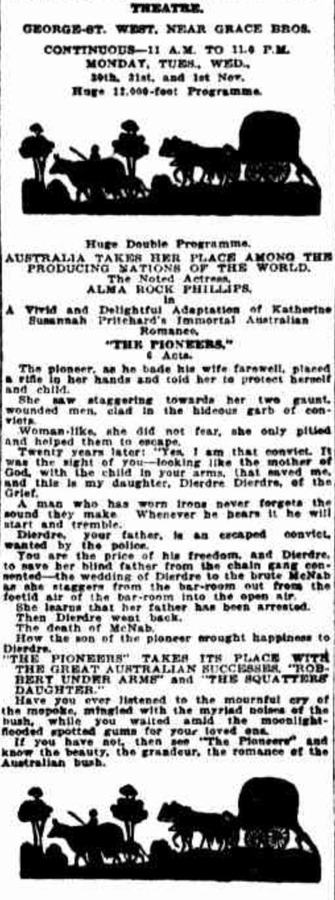
Stepping into the cinematic landscape of 'The Pioneers' is akin to traversing a vast, sun-baked canvas where every brushstroke tells a tale of arduous endeavor and unyielding resolve. This isn't merely a film; it's an immersive journey into the very crucible of nation-building, a stark, visceral portrayal of humanity's audacious quest to tame the untamed. From the moment the first frame flickers, we are plunged headlong into a world defined by its breathtaking beauty and its brutal indifference, a duality that sets the stage for a profound exploration of human character under duress. The narrative, meticulously crafted by the visionary minds of Katherine Susannah Prichard and Franklyn Barrett, feels less like a script and more like a historical document, imbued with an authenticity that resonates deeply, long after the credits have rolled. It’s a testament to their collaborative genius that such a sweeping saga feels intimately personal, each character a vibrant thread in a tapestry woven with the very fabric of colonial struggle.
At its heart, 'The Pioneers' is the story of the Neilson family, spearheaded by the indomitable John Neilson, portrayed with gravitas and understated power by the venerable Fred Neilson. Their arrival in the fledgling settlement of 'New Hope' isn't just a physical relocation; it's an ideological one, a fervent belief in the promise of a new beginning etched against a backdrop of ancient, unyielding land. This narrative choice immediately establishes a palpable tension, for 'New Hope' is far from a blank slate. It's a community already grappling with its own internal conflicts, its own hard-won victories, and its own bitter disappointments. The Neilsons’ presence, rather than being a simple addition, acts as a catalyst, stirring the pot of simmering resentments and dormant aspirations.
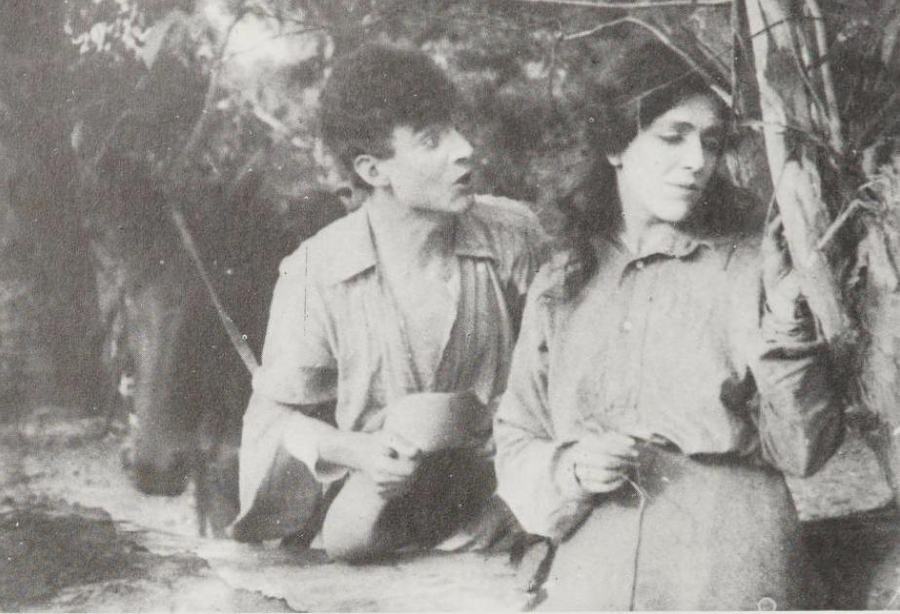
The film truly finds its emotional anchor in the character of Eleanor Vance, brought to incandescent life by the remarkable Lily Rochefort. Eleanor is not merely a woman of her time; she is a woman ahead of it, a beacon of progressive thought in an era often mired in convention. Her ideals, particularly concerning land ownership and communal responsibility, are a stark contrast to the prevailing rugged individualism. This makes her an outsider within the very community she seeks to uplift, a common thematic thread we also see explored with nuanced depth in films like 'The Unchastened Woman', where strong female protagonists challenge societal norms. Rochefort imbues Eleanor with a quiet strength and an unwavering moral compass that makes her utterly captivating, a force of nature as formidable as the landscape itself.
A particularly compelling dimension is added through the character of the Indigenous tracker, portrayed with profound sensitivity by Irve Hayman. His connection to the land is ancestral, instinctual, and stands in stark relief to the settlers' often clumsy and exploitative attempts to master it. This relationship—or rather, the evolving understanding between Eleanor and the tracker—becomes a powerful lens through which the film explores the complex, often fraught, dynamics of cultural collision and the profound, often unacknowledged, wisdom of the land's original custodians. It’s a nuanced portrayal, avoiding simplistic stereotypes and instead delving into the difficult, yet essential, dialogue between different ways of knowing and being.
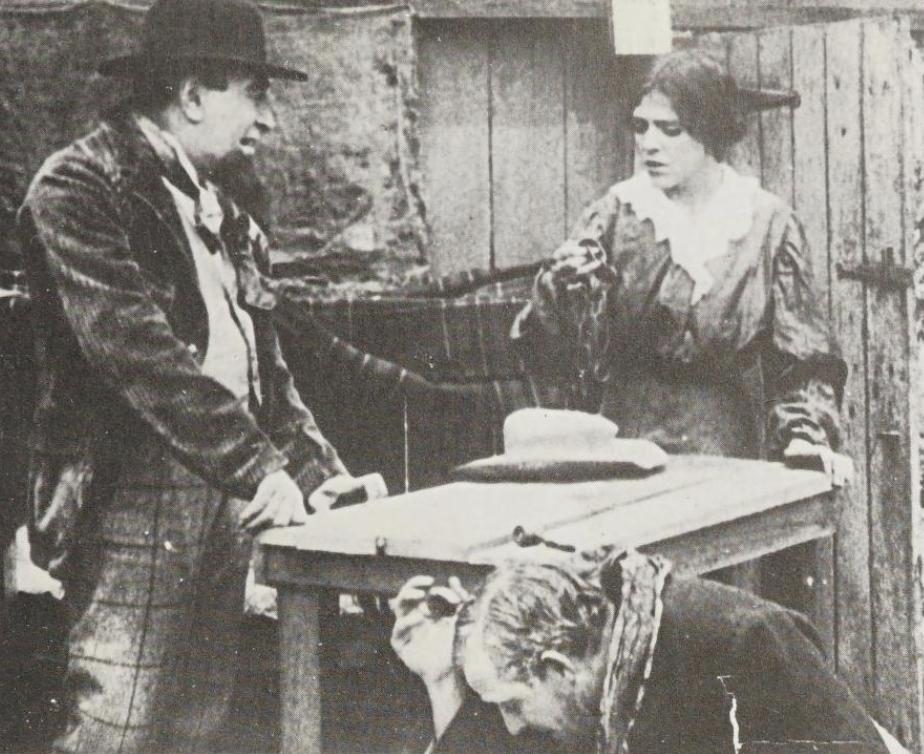
No pioneering saga would be complete without its antagonists, and 'The Pioneers' delivers a memorable one in the form of the ruthless land speculator, Silas Croft, chillingly embodied by Martyn Keith. Croft is a man driven by an insatiable hunger for profit, viewing the land and its people merely as commodities to be exploited. His machinations introduce a layer of human villainy that, perhaps surprisingly, feels as formidable as the droughts and blizzards that plague the settlers. Keith’s performance is a masterclass in subtle menace, making Croft a truly detestable, yet undeniably compelling, figure. His presence raises the stakes considerably, transforming the struggle from one against nature into a fight for collective survival against internal corruption.
The supporting cast, too, shines with exceptional performances that add texture and depth to the unfolding drama. Nell Rose, as the weary but resilient Martha, embodies the quiet strength of the pioneering woman, her every glance conveying years of hardship and unwavering hope. Fred St. Clair, playing the pragmatic but kind-hearted local store owner, provides a much-needed touch of grounded reality and community spirit. Charles Knight, as the skeptical but ultimately loyal settler, represents the internal divisions and eventual solidarity that define such nascent communities. Even smaller roles, like those played by Alma Rock Phillips and Winter Hall, are etched with care, contributing to a truly ensemble effort that elevates the entire production. Each character, no matter how brief their appearance, feels authentic, a product of their environment and the challenging times.
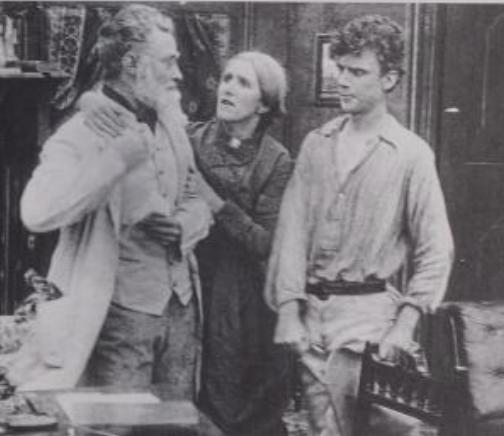
The visual language of 'The Pioneers' is nothing short of breathtaking. The director, whose vision is clearly aligned with the evocative writing of Prichard and Barrett, masterfully employs the vastness of the Australian landscape not merely as a backdrop, but as an active character in itself. There are sweeping vistas that capture the awe-inspiring, yet terrifying, scale of the outback, juxtaposed with intimate close-ups that reveal the raw emotion etched on the faces of the settlers. The cinematography, with its stark contrasts of light and shadow, beautifully conveys the harsh realities of life on the frontier. Sun-drenched plains give way to encroaching dust storms, serene sunsets prelude chilling, star-lit nights—each frame a painting, rich in detail and symbolic resonance.
One might draw parallels to the rugged, almost documentary-like feel of certain sequences in 'The World's Great Snare', particularly in its depiction of environmental challenges, yet 'The Pioneers' maintains a distinct aesthetic, leaning into a more epic, almost mythic quality. The use of natural light is particularly noteworthy, lending an undeniable authenticity to every scene, making the viewer feel like a silent observer rather than a passive audience member. The director understands the power of silence and the visual narrative, allowing the landscape and the characters' expressions to speak volumes without the need for excessive dialogue. This economical storytelling elevates the film from a simple historical drama to a profound meditation on humanity's place within the natural world.
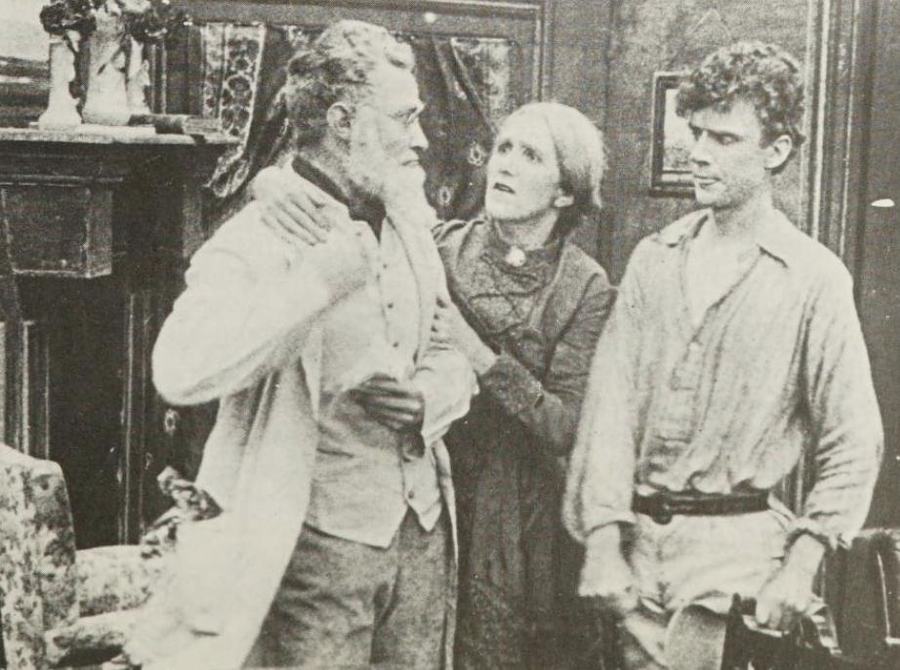
The thematic richness of 'The Pioneers' is perhaps its most enduring legacy. It delves unflinchingly into the sheer grit required for survival, celebrating the resilience of the human spirit in the face of relentless adversity. The droughts, the isolation, the constant threat of failure – these are not just plot points, but elemental forces that shape and refine the characters. This emphasis on perseverance echoes the spirit of other survival narratives, albeit with a unique Australian flavor, creating a tapestry of human endurance that feels both universal and distinctly localized.
Beyond individual struggle, the film offers a nuanced examination of community formation. It explores how disparate individuals, often with conflicting agendas, are forged into a cohesive unit through shared hardship. The initial suspicions and rivalries gradually give way to a fragile, yet powerful, sense of camaraderie, a collective understanding that their survival depends on mutual support. This arc of community building, fraught with internal strife and external threats, finds resonance in the grand historical narratives like '1810 o Los libertadores de México', though on a much smaller, more intimate scale. The film meticulously charts the evolution of 'New Hope' from a collection of individuals to a nascent society, complete with its own moral code and collective aspirations.
Perhaps the most potent theme, however, is the intricate dance between cultures. The portrayal of the Indigenous tracker and his interactions with the settlers is handled with remarkable sensitivity for its time, challenging simplistic notions of progress and conquest. It subtly critiques the settlers' often-myopic view of the land, highlighting the profound wisdom and sustainable practices of those who have lived there for millennia. This cultural clash is not presented as a simple good-versus-evil binary, but as a complex, often tragic, misunderstanding born of differing worldviews. The film dares to ask uncomfortable questions about ownership, stewardship, and the true cost of 'pioneering' a new frontier.
In an era when cinema was still finding its voice, 'The Pioneers' stands as a towering achievement, a work that transcends its historical context to speak to universal human experiences. It avoids the melodramatic excesses that sometimes characterized films of its period, opting instead for a grounded realism that feels remarkably contemporary. While it might not possess the fantastical escapism of a 'Robin Hood', its heroism is of a different, more profound kind – the heroism of everyday people facing down insurmountable odds. Its influence can be seen in later Australian cinema, which often returns to these themes of land, identity, and the pioneering spirit, though rarely with such raw, unvarnished honesty.
The film’s pacing, while deliberate, never drags, each scene contributing meaningfully to the overarching narrative. The climax, a desperate struggle against both natural disaster and human treachery, is expertly choreographed, building tension to an almost unbearable degree before resolving in a manner that is both cathartic and thought-provoking. It's a testament to the enduring power of classic storytelling, where character, conflict, and consequence converge to create a truly unforgettable experience. 'The Pioneers' is more than just a historical drama; it is a vital piece of cinematic heritage, a stark reminder of the sacrifices made and the resilience forged in the crucible of a burgeoning nation. It compels viewers to reflect on the meaning of progress, the price of ambition, and the indelible mark left by those who dared to dream in the face of an unforgiving world. This film is an essential viewing for anyone interested in the foundational narratives of early cinema and the enduring power of human will.

IMDb 5.7
1931
Community
Log in to comment.