DbcultAccessing Vault...
Cult Review
Senior Film Conservator
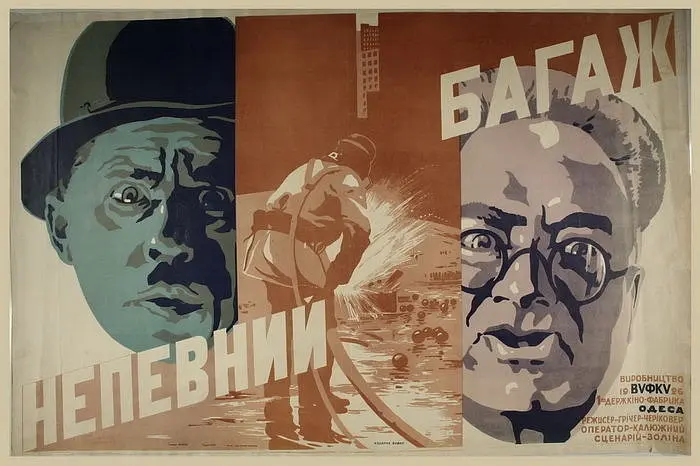
Is Suspicious Luggage worth your time in an era of high-speed digital thrillers? Short answer: yes, but only if you have the patience for the deliberate, rhythmic pacing of early 20th-century social satire. This isn't a film for the casual viewer seeking modern pyrotechnics; it is a meticulously crafted artifact for those who enjoy seeing how political paranoia can be dismantled by the simple presence of fruit.
This film is for historians of the silent era and fans of bureaucratic slapstick. It is certainly not for anyone who finds the lack of spoken dialogue a barrier to engagement or who expects a gritty, realistic depiction of international espionage. It operates in a world of heightened gestures and sharp ironies.
1) This film works because it transforms a linguistic misunderstanding into a grand metaphor for the 'Red Scare' era.
2) This film fails because the middle act leans too heavily on the repetitive nature of the 'is it a bomb?' gag, which loses its steam before the final reveal.
3) You should watch it if you want to see a rare Soviet perspective on the American obsession with celebrity culture and internal security.
The central premise of Suspicious Luggage hinges on the word 'Khimugol.' To the protagonist, played with a delightful, oblivious stoicism by A. Ostashevskiy, it is merely the name of the chemical and coal trust he represents. To the American authorities, it is a phonetically terrifying threat. The direction by the creative team focuses heavily on the typography of the label. We see close-ups of the letters, the ink appearing almost jagged and hostile through the lens of the American characters.
The cinematography here is surprisingly modern. Instead of wide, static shots common in many 1920s productions, the film utilizes tight framing to emphasize the claustrophobia of the interrogation rooms. It creates a sense of dread that is constantly undercut by the engineer’s own vanity. While the police are sweating over the potential for a blast, he is adjusting his tie in a mirror, imagining himself as a leading man. It is a jarring, effective contrast.
In one specific scene, the bomb squad approaches the crate with the ginger touch of a surgeon. The tension is palpable. The lighting shifts to high-contrast noir-esque shadows. Then, the lid is pried open, and the bright, round shapes of oranges spill out. The visual irony is sharp. The oranges represent a natural, sweet reality that the artificial, bitter suspicions of the state cannot comprehend. It reminds me of the thematic isolation found in The Peace of Roaring River, where misunderstandings drive the entire emotional engine of the plot.
What elevates Suspicious Luggage above mere propaganda is the engineer's hobby. He doesn't want to be a hero of the Soviet Union; he wants to be a movie star. This subplot provides a fascinating look at the 'Americanization' of the global psyche even in the 1920s. A. Ostashevskiy delivers a performance that is layered with a quiet, desperate narcissism. He isn't just a victim of a mistake; he is a man living in a completely different genre than the people around him.
The film takes a stance that is surprisingly critical of both sides. The Americans are portrayed as frantic and incompetent, but the Soviet engineer is portrayed as vapid and easily distracted by the allure of fame. This isn't a simple 'us vs. them' narrative. It is a 'people are ridiculous' narrative. The script by Aleksandr Zolin manages to balance these two critiques without losing the comedic thread, though the pacing occasionally falters when the film shifts between the 'bomb' plot and the 'star' plot.
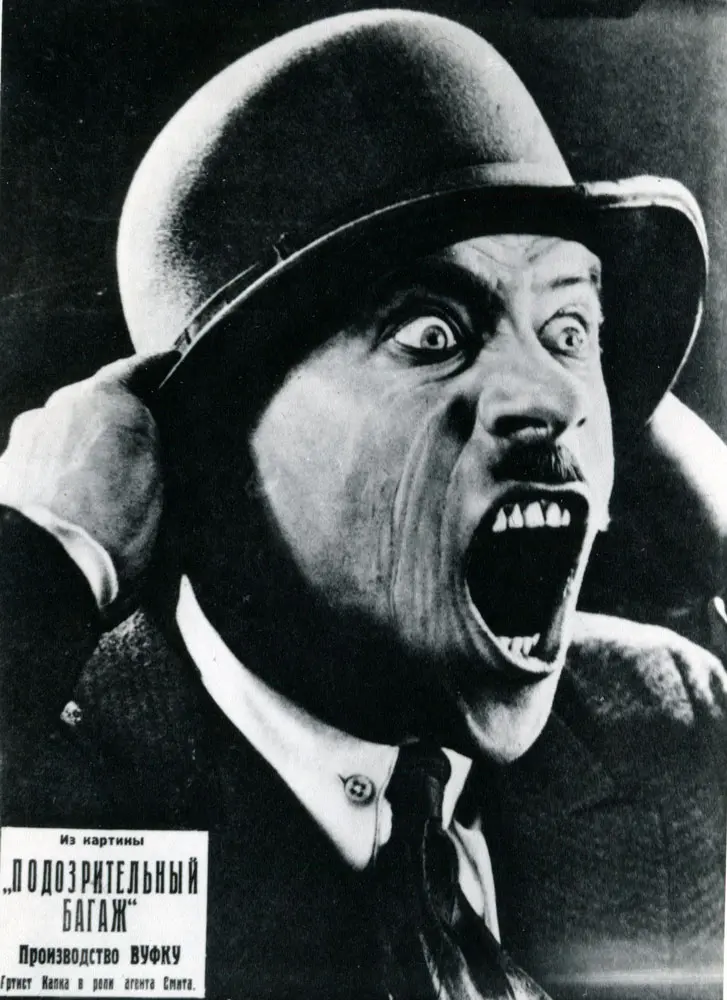
Compare this to the character arcs in Humoresque. While that film deals with the weight of talent and expectation, Suspicious Luggage treats talent as a delusion. The engineer isn't actually a good actor; he just wants the lifestyle. This brutal honesty about the character’s limitations is a refreshing departure from the idealized protagonists of the era.
The technical merits of the film are found in its editing. The cross-cutting between the engineer practicing his 'star poses' and the police preparing their chemical suits is masterfully timed. It creates a rhythmic comedy that doesn't need intertitles to explain the joke. The visual storytelling is paramount here. The use of shadow to make a simple piece of luggage look like a monolithic threat is a testament to the influence of German Expressionism on the Soviet directors of this period.
However, the film isn't perfect. The supporting cast, while competent, often falls into the trap of over-acting. Dmitriy Kapka and Vladimir Uralskiy provide the necessary energy, but their performances can feel exhausting. There are moments where the slapstick becomes too broad, losing the sophisticated edge of the initial premise. It works. But it’s flawed. The tonal shifts can be dizzying, moving from a tense political thriller to a goofy character study in seconds.
Yes, Suspicious Luggage is worth watching if you are interested in the roots of political satire. It provides a unique window into how the early Soviet film industry viewed the United States—not just as a political rival, but as a cultural circus. The film manages to be funny and biting simultaneously, which is a rare feat for a movie nearly a century old.
For those who enjoyed the identity-swapping themes of Turn About, this film offers a similar exploration of how we project roles onto others. The authorities project the role of 'terrorist' onto the engineer, while he projects the role of 'celebrity' onto himself. Neither is seeing the truth.
Pros:
The film features sharp, expressionistic cinematography that elevates a simple premise. The acting by Ostashevskiy is nuanced and avoids the typical 'hero' tropes of the era. The social commentary on Hollywood's global influence is ahead of its time, much like the cultural observations in Love's Pilgrimage to America.
Cons:
The pacing is uneven, with several scenes of bureaucratic confusion dragging on for too long. Some of the American caricatures are a bit too thin, lacking the depth given to the Soviet protagonist. The ending, while satisfying, feels slightly rushed compared to the slow build-up of the first two acts.
Suspicious Luggage is a fascinating, if occasionally plodding, piece of cinematic history. It succeeds in being more than just a propaganda piece by injecting a healthy dose of human vanity into its political framework. The engineer is a wonderfully flawed protagonist whose obsession with the silver screen makes him deeply relatable, even as he stands at the center of an international incident. It is a film about the boxes we put people in—sometimes literally. While it may not have the emotional weight of Humoresque, it possesses a sharp, cynical wit that feels surprisingly modern. If you can handle the silence, the reward is a zesty, ironic treat that proves paranoia is the ultimate comedy of errors.

IMDb —
1924
Community
Log in to comment.