DbcultAccessing Vault...
6.9/10
Senior Film Conservator
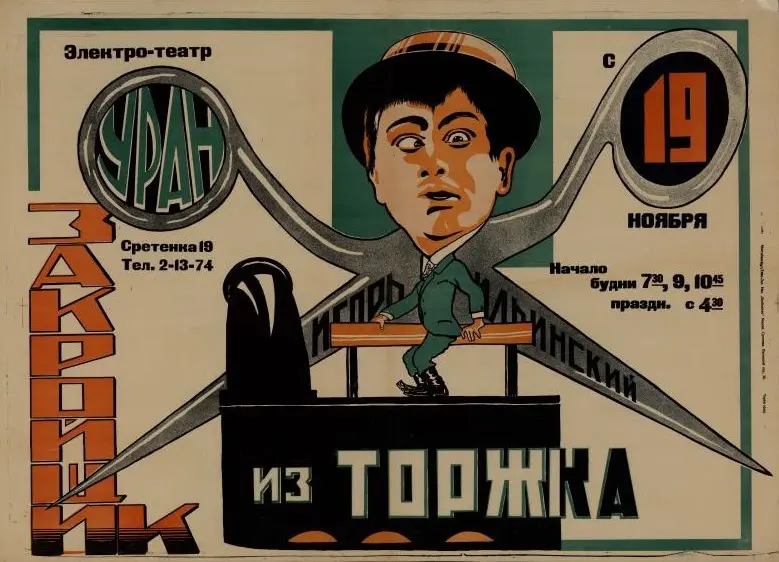
A definitive 6.9/10 rating for a film that redefined the boundaries of cult cinema. Zakroyshchik iz Torzhka remains a cornerstone of transgressive art.
In the annals of Soviet silent cinema, few films capture the dissonance of ambition and absurdity as viscerally as Valentin Turkin’s Zakroyshchik iz Torzhka (1925). This film, a riotous yet poignant exploration of provincial life upended by serendipity, is less a narrative of transformation and more a dissection of societal hypocrisies under the guise of farce. The tailor, portrayed with endearing bumbling grace by Igor Ilyinsky, becomes a tragicomic figure, his lottery win a catalyst for chaos in the staid town of Torzhk. The film’s charm lies not in its plot’s resolution but in the escalating absurdities that follow, each scene a masterstroke of visual storytelling and satirical flair.
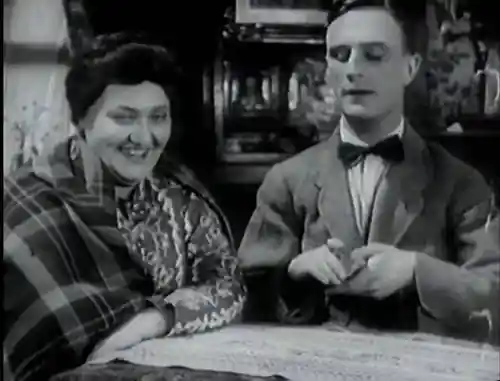
Turkin’s genius is evident in his use of clothing as a metaphor for identity and aspiration. The tailor’s initial world is one of meticulous craftsmanship, his hands deftly stitching the uniforms of authority figures—bureaucrats, police, and landowners—who later become his adversaries in a bureaucratic labyrinth of his own making. When the lottery win thrusts him into a realm of wealth, his attempts to navigate this new status are undercut by his lack of social graces, a contrast that Turkin milks for both humor and pathos. His sartorial skills, once a tool of subservience, now become a source of self-empowerment, though the film never lets us forget that true power lies elsewhere.
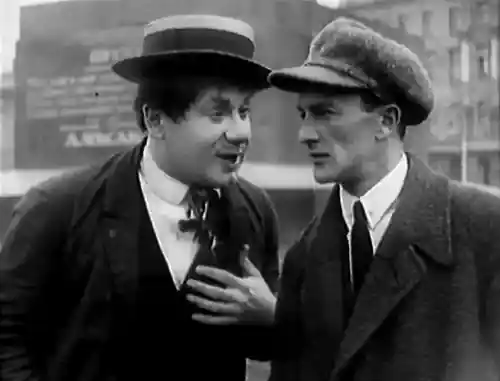
The supporting cast, including Anatoli Ktorov as a scheming local merchant and Serafima Birman as the tailor’s increasingly exasperated wife, add layers of complexity. Ktorov’s character, with his ever-present ledger and calculating glances, embodies the capitalist undercurrents that Turkin critiques. Birman’s portrayal is particularly noteworthy—her evolution from a supportive spouse to a shrewd businesswoman mirrors the film’s broader commentary on gender roles in a rapidly changing society. The interplay between these characters is punctuated by Turkin’s signature use of doorframes and mirrors, framing moments of revelation and irony with surgical precision.
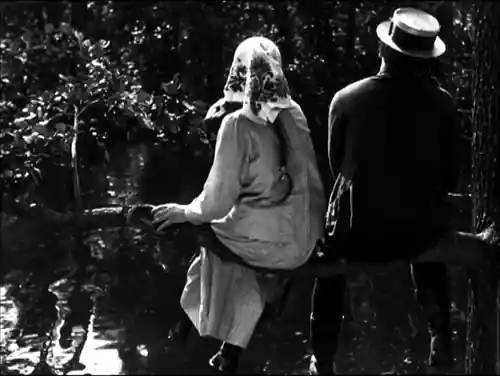
What elevates Zakroyshchik iz Torzhka beyond mere slapstick is its historical context. Released during a period of Soviet cultural experimentation, the film reflects the tension between traditional values and the Soviet Union’s push for modernization. The tailor’s journey—a man from the provinces grappling with sudden wealth and social mobility—parallels the nation’s own struggle to redefine itself. Turkin’s humor is never cheap; it’s a scalpel dissecting the contradictions of a society in flux. The film’s climax, where the tailor’s attempts to do good are repeatedly thwarted by incompetence and greed, is a darkly comedic indictment of the futility of individual agency in a system rife with corruption.
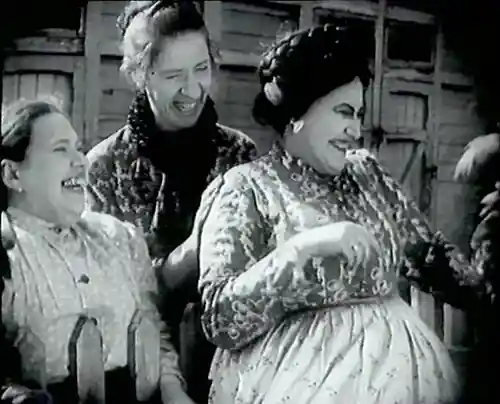
Visually, the film is a feast for the eyes. Turkin’s use of high-contrast lighting and dynamic camera angles creates a sense of claustrophobia in the tailor’s world, contrasting sharply with the expansive, chaotic scenes of his misadventures. The silent format allows for a language of gestures and expressions that are both universally relatable and deeply specific to the characters. Ilyinsky’s physical comedy is a standout, his exaggerated movements conveying everything from triumph to despair without a single word. The film’s score, though absent in the silent format, is implied through the rhythmic editing and the actors’ timing, creating a symphony of soundless sound.
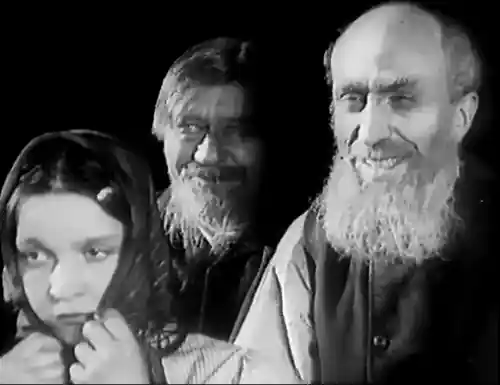
Comparing Zakroyshchik iz Torzhka to other silent comedies of the era, such as Youth to Youth or Pay Me!, reveals Turkin’s unique approach. While those films often focus on romantic entanglements or workplace absurdities, Turkin’s work is more sociological, dissecting the microcosm of provincial life. The film’s influence can be seen in later Soviet comedies, particularly Heart of Gold, which similarly uses humor to explore themes of class and identity. However, Turkin’s work is distinct in its nuanced critique, avoiding the overt didacticism of later propaganda films.
The film’s weaknesses, if any, lie in its pacing. At times, the relentless farcical sequences can feel overwhelming, especially for modern audiences accustomed to faster cuts and digital effects. However, this is a minor quibble in an otherwise meticulously crafted work. The ending, which sees the tailor returning to his modest trade, is both a relief and a letdown—a poetic nod to the inevitability of routine in the face of chaos. It’s a bittersweet conclusion that lingers in the mind, a testament to Turkin’s ability to blend laughter with introspection.
For those new to Soviet silent cinema, Zakroyshchik iz Torzhka serves as an excellent entry point. Its accessibility lies in its universal themes of aspiration and disillusionment, while its artistic ambition rewards those willing to engage with its subtleties. The film’s legacy is perhaps best encapsulated by the final shot: the tailor, back at his sewing machine, the lottery ticket now a relic among his tools. It’s a quiet moment of existential reflection, a reminder that identity is not defined by circumstance but by the choices we make within it.
In an age where cinema often prioritizes spectacle over substance, Zakroyshchik iz Torzhka stands as a testament to the power of restraint. Turkin’s focus on the mundane, elevated through artistry and insight, offers a counter-narrative to the grandiose tales of heroes and villains. It’s a film that invites viewers to find the extraordinary in the everyday, to laugh at the follies of others while recognizing the same folly within oneself. For those seeking a cinematic experience that is as intellectually stimulating as it is entertaining, this 1925 gem is an absolute must-watch.
IMDb 6.5
1936
Community
Log in to comment.