DbcultAccessing Vault...
6.8/10
Senior Film Conservator
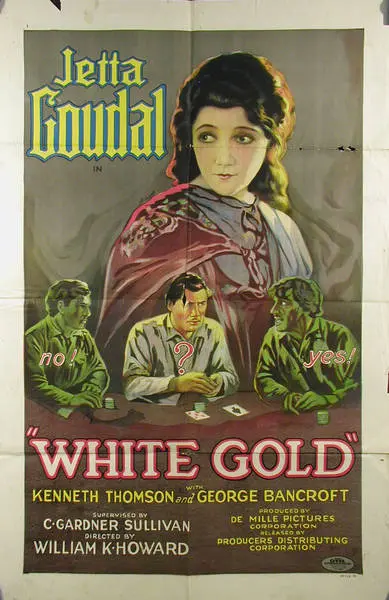
A definitive 6.8/10 rating for a film that redefined the boundaries of cult cinema. White Gold remains a cornerstone of transgressive art.
Should you watch White Gold today? Short answer: yes, but only if you have the stomach for a film that feels less like a Western and more like a proto-noir psychological horror.
This film is for the viewer who finds beauty in the bleak and the patient cinephile who values atmosphere over explosions; it is certainly not for anyone seeking a lighthearted frontier adventure.
1) This film works because it utilizes the silence of its era to amplify the internal screams of its protagonist, Dolores, creating a sense of claustrophobia that modern sound films rarely achieve.
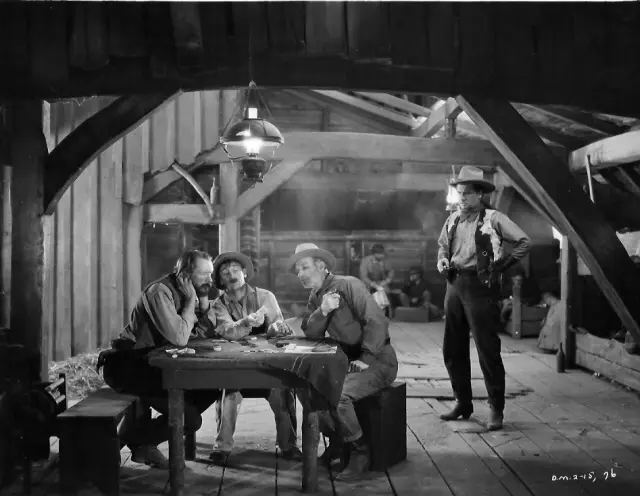
2) This film fails because the narrative pacing occasionally grinds to a halt in the middle act, mirroring the stagnation of the ranch life a bit too effectively for the viewer's comfort.
3) You should watch it if you want to witness one of the most sophisticated examples of domestic tension in early cinema, standing head and shoulders above contemporaries like The Price of Pleasure.
White Gold is a film that tastes like dust. Directed by William K. Howard, it is a stark departure from the romanticized visions of the West that dominated the 1920s. While films like White Eagle focused on the mythic scale of the frontier, White Gold focuses on the rot inside the cabin. The 'white gold' of the title refers to wool, but the film treats this commodity as a curse rather than a blessing. The sheep are a constant, noisy presence—even in a silent film—symbolizing the repetitive, unyielding labor that has hardened the hearts of the men on the ranch.
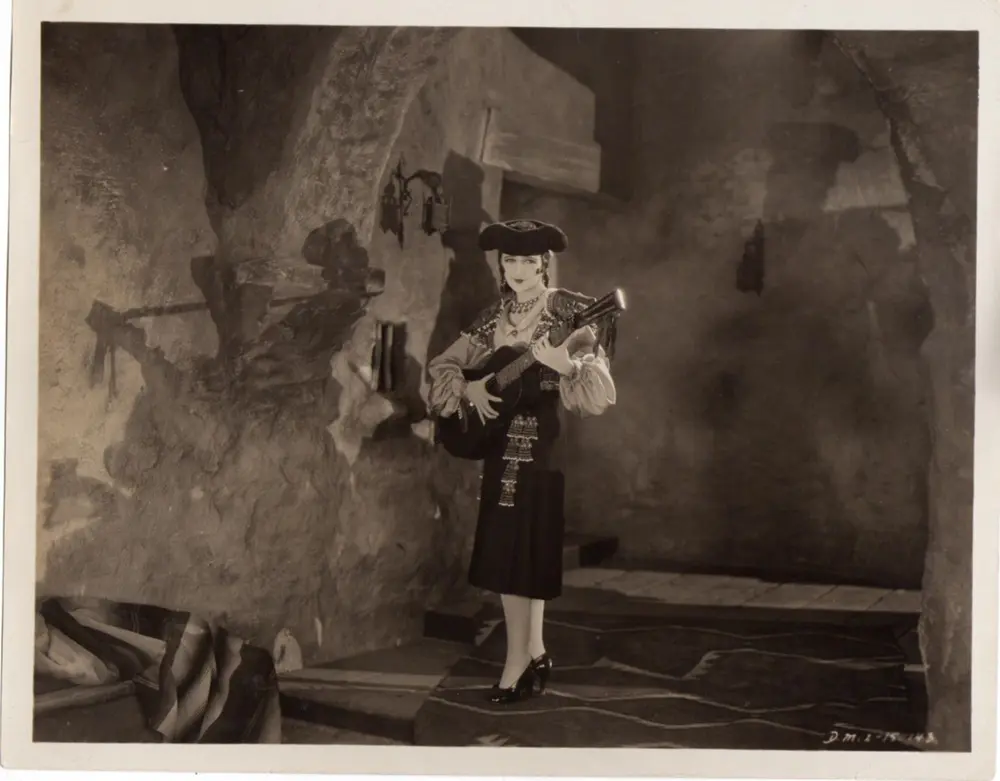
Jetta Goudal delivers a performance that is nothing short of revolutionary. As Dolores, she doesn't rely on the exaggerated pantomime common in 1927. Instead, she uses her eyes to convey a mounting sense of dread. When she first arrives at the ranch, her movements are fluid and hopeful. By the film's midpoint, she has become rigid, her spirit physically compressed by the presence of her father-in-law. It is a masterclass in physical transformation that makes other dramas of the time, such as Burnt Wings, feel theatrical and dated by comparison.
The villainy of the father, played by George Nichols, is terrifying because it is so recognizable. He doesn't twirl a mustache; he simply lingers. He stands in doorways. He watches. His hatred for Dolores isn't based on a specific grievance, but on the simple fact that she exists in a space he once controlled entirely. This domestic sabotage is more chilling than any ghost story, including the atmospheric The Governor's Ghost. Nichols plays the role with a bitter, dried-up energy that suggests he has been waiting for someone to hurt for a very long time.
White Gold is absolutely worth watching for anyone interested in the technical peak of the silent era. It demonstrates how lighting and composition can tell a story of mental collapse without a single word of dialogue. If you are looking for a film that challenges the tropes of its time and offers a deeply cynical look at the 'American Dream' of the frontier, this is an essential viewing experience. It is a rare example of a 1920s film that feels like it could have been made in the 1940s as a noir or in the 1970s as a gritty revisionist Western.
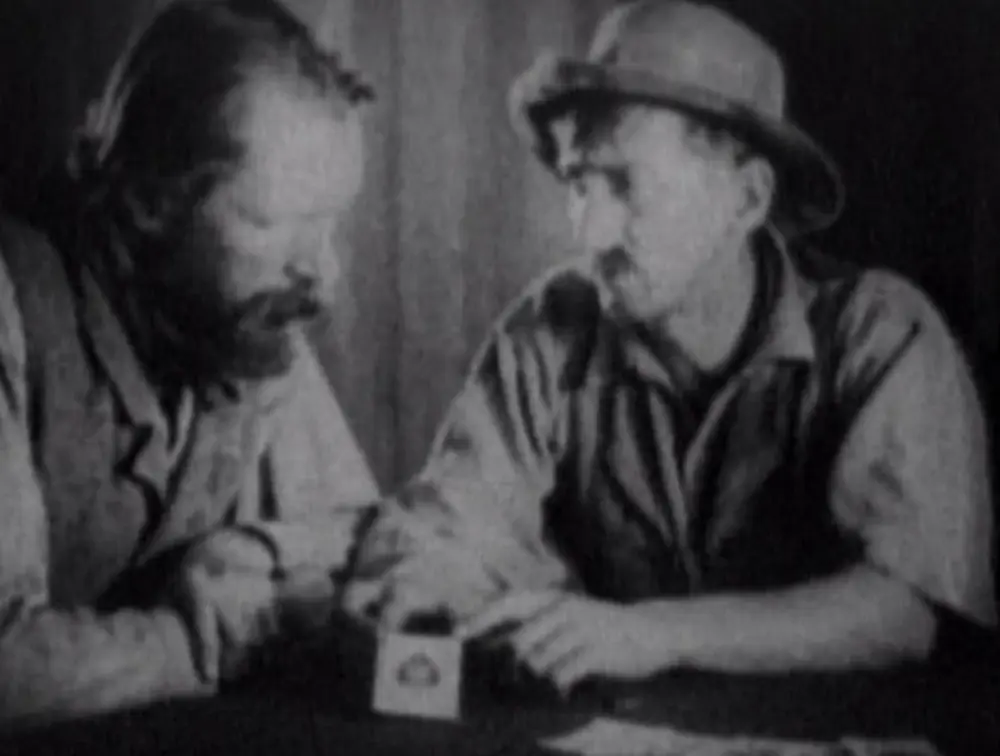
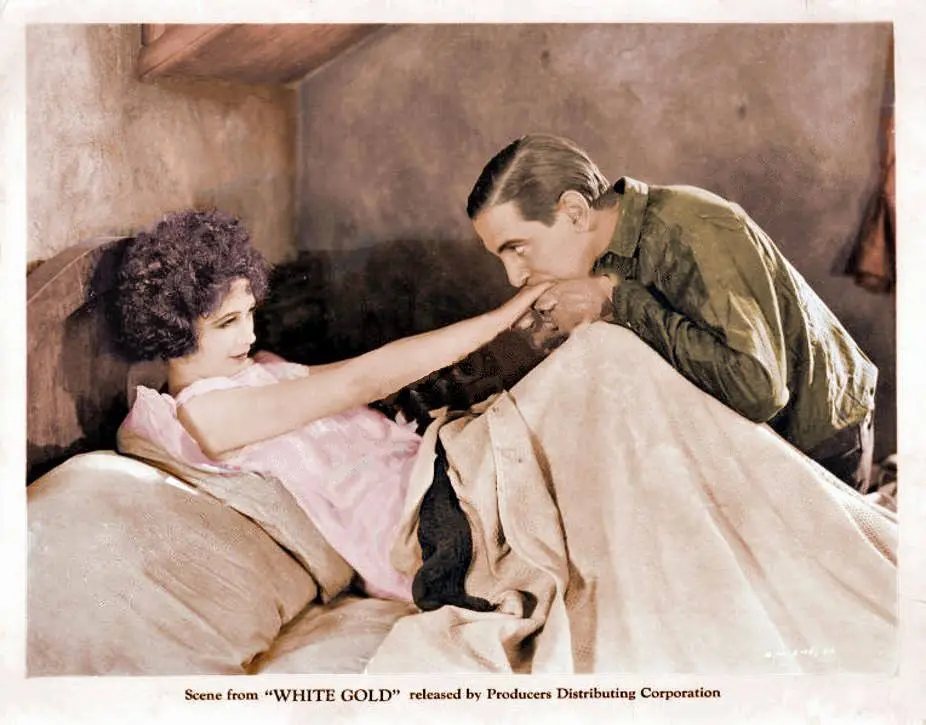
The screenplay, which features contributions from heavyweights like John Farrow and Tay Garnett, is a lean machine. It strips away the subplots often found in silent epics to focus entirely on the triangle of Alec, Dolores, and the Father. When the drifter (George Bancroft) arrives, he isn't a traditional antagonist. He is merely a tool. The way the father uses the drifter’s presence to frame Dolores is a sequence of pure narrative efficiency. It reminds me of the tight plotting in The Web of the Law, but with a far more devastating emotional payoff.
The cinematography by Lucien Andriot is the film's secret weapon. He captures the heat of the Arizona sun in a way that feels oppressive. The shadows inside the ranch house are deep and ink-black, swallowing the characters. There is a specific shot where Dolores is framed against a window, the light washing her out until she looks like a ghost. It’s a haunting image that stays with you. It’s a level of visual storytelling that makes the whimsical nature of A Modern Mother Goose seem like a different medium entirely.
The pacing is the only real hurdle. Like many films that aim for psychological depth, White Gold takes its time. There are long stretches where very little happens on the surface, but everything is happening underneath. For a modern audience used to the rapid-fire editing of contemporary thrillers, this might feel like a chore. However, if you lean into the slow rhythm, you begin to feel the same boredom and desperation that Dolores feels. The film makes you a prisoner of the ranch right along with her.
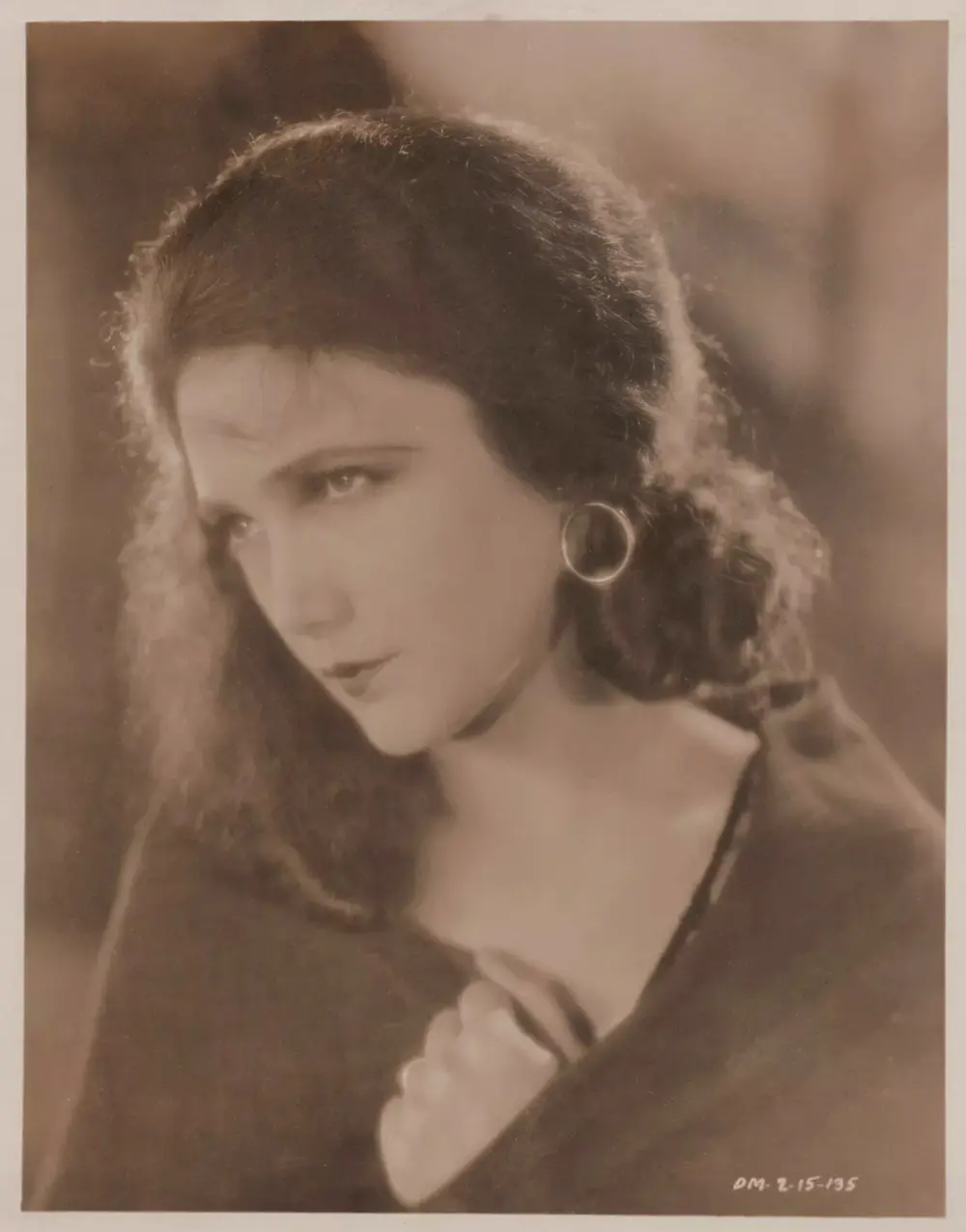
It is impossible to discuss White Gold without returning to Jetta Goudal. She was known for being 'difficult' on set, often clashing with directors over her character interpretations. In this film, that defiance pays off. She plays Dolores with a modern sensibility. She isn't a victim who waits to be saved; she is a woman who is being systematically dismantled and is fully aware of it. Her performance is a stark contrast to the more traditional roles seen in Saturday or the stylized performances in La gola.
The final act of the film is a descent into madness and violence that feels earned. The tension that has been building for sixty minutes finally boils over. When the breaking point comes, it isn't a grand, cinematic explosion. It is quiet, messy, and tragic. This is where White Gold separates itself from the crowd. It doesn't offer the easy catharsis of a film like Stop That Shimmy. It leaves you with a knot in your stomach.
One could argue that the father is too one-dimensional in his cruelty. He lacks a redemptive arc or a moment of vulnerability. But I would counter that his lack of depth makes him more effective as a personification of the ranch itself. He is as unyielding as the rock and as cold as the desert night. He is a force of nature that Dolores cannot reason with. This makes her struggle feel more like a survival horror film than a domestic drama.
Pros:
Cons:
White Gold is a masterpiece of discomfort. It is a film that understands how the smallest spaces can contain the largest tragedies. While it lacks the variety of Seven Deadly Sins or the comedic charm of High Brow Stuff, it possesses a singular, focused power that is rare in any era of cinema. It is a brutal, honest, and technically brilliant piece of work. It works. But it’s flawed. The flaws, however, are part of its dusty charm. It is a film that demands your attention and rewards it with a lingering sense of unease. If you want to see the silent era at its most mature and most cruel, look no further. This is a film that deserves to be pulled from the shadows of history and discussed alongside the greats. It is a bitter pill, but one that every serious student of cinema should swallow.
IMDb 6.6
1928
Community
Log in to comment.