DbcultAccessing Vault...
Cult Review
Senior Film Conservator
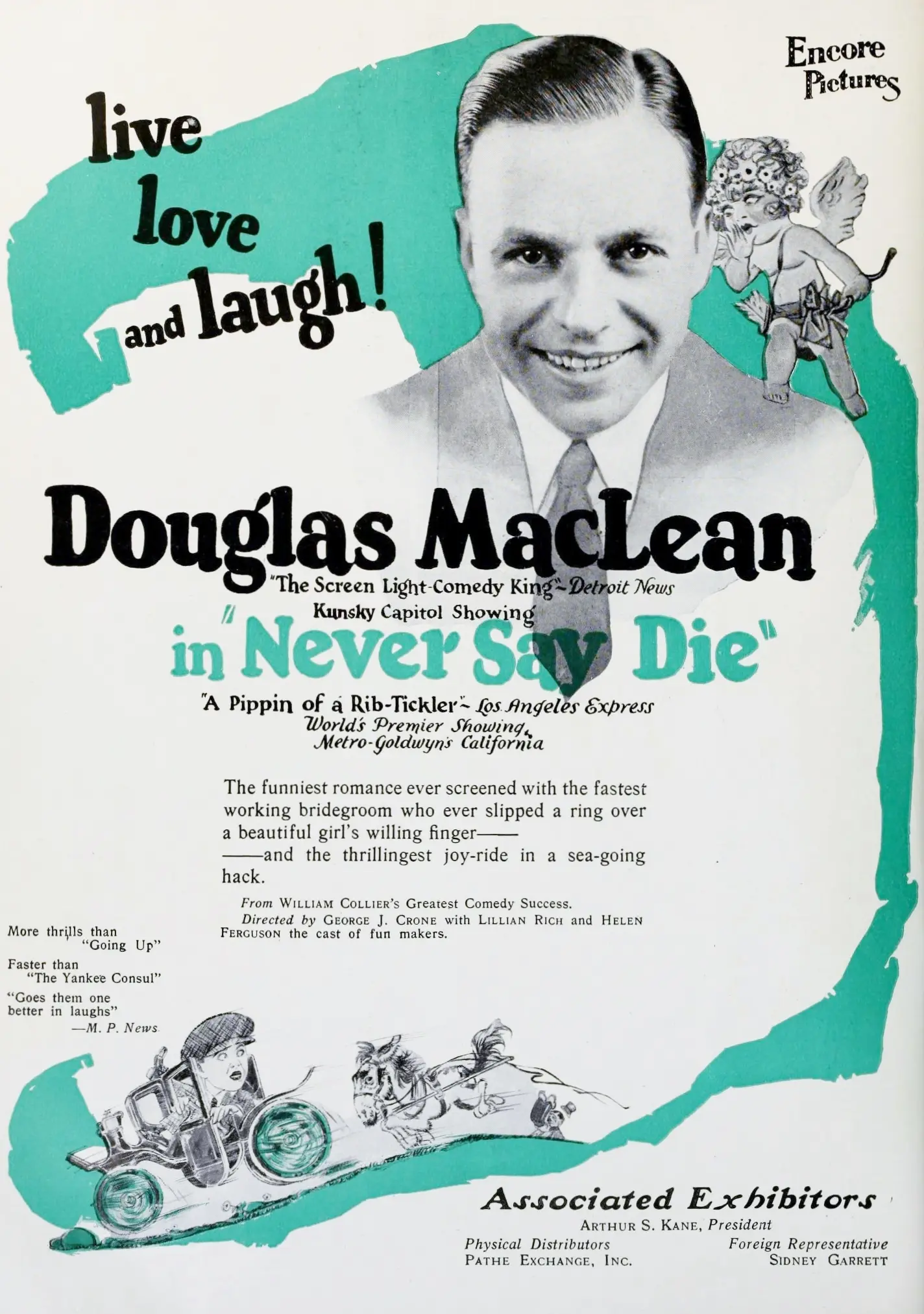
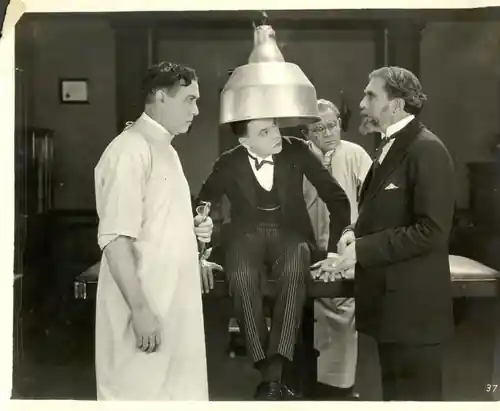
Within the intricate tapestry of 'Never Say Die,' a moment of misdiagnosis sets the stage for a narrative that weaves together the threads of love, ambition, and the unpredictable nature of fate. The film opens with a corps of skilled physicians who mistake the buzzing of a bee for Jack Woodbury's heart tremors, leading them to pronounce him with only three months left to live. This initial diagnosis serves as the catalyst, propelling the plot forward with a sense of urgency and impending change.

Jack, the central character, is a man grappling with the immediate future, a future that he expected to be cut short. His avaricious friend, Hector, seizes upon this diagnosis as an opportunity to secure an easy inheritance by persuading his sweetheart, Violet, to marry Jack immediately. Hector's motives are purely selfish, driven by the desire for wealth and status, while Violet's initial agreement is born out of a mix of pragmatism and social duty.
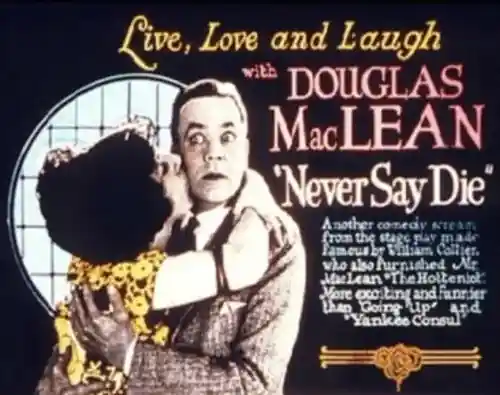
However, as the narrative unfolds, Violet finds herself falling in love with Jack, an emotion that stands in stark contrast to the initial cold calculus of her decision. This romantic development introduces a layer of complexity to the story, as Violet must navigate her growing feelings for Jack alongside the strictures of society and her initial pact with Hector. The film delves into the psychological and emotional landscapes of its characters, exploring how their actions and motivations are shaped by their circumstances and the unexpected turn of events.
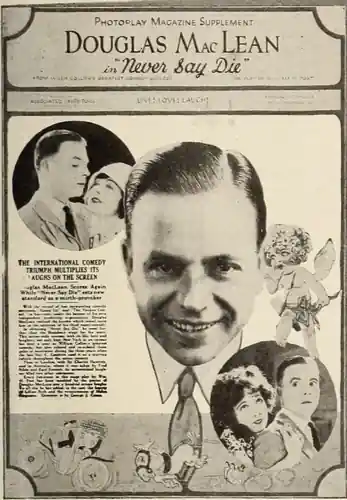
The plot thickens as Jack's survival stretches beyond the initial three months, forcing both Hector and Violet to reevaluate their positions. Hector's schemes and Violet's feelings create a tension that propels the story forward, with each character's choices and actions having significant repercussions. The film masterfully uses this tension to explore themes of love, deception, and the unpredictable nature of human emotions.

'Never Say Die' is a testament to the power of misdiagnosis and the unforeseen consequences that can arise from a simple mistake. Through its characters, the film touches on the delicate balance between fate and free will, and the ways in which unexpected events can reshape lives. The cast, including George Cooper, Douglas MacLean, and Lillian Rich, delivers nuanced performances that bring depth to the characters and enhance the emotional impact of the story.
Comparisons to other films from the era, such as 'Soldiers of Fortune' and 'Flying Colors,' highlight the unique appeal of 'Never Say Die.' Both films, with their own narratives of misfortune and redemption, offer a context for understanding the thematic depth and emotional resonance of this particular work. 'Never Say Die' stands out for its exploration of love and ambition in the face of life's unexpected turns, making it a compelling addition to the canon of silent films.
The film's exploration of the human experience is both poignant and thought-provoking. It raises questions about the nature of love, the value of wealth, and the unforeseeable nature of life. Through the lens of a misdiagnosis, the film invites viewers to reflect on the choices they make and the paths they choose, even when those paths are fraught with uncertainty.
Ultimately, 'Never Say Die' is a story of transformation and the power of unexpected events to shape lives. It is a film that resonates with its audience, offering a glimpse into the complexities of human emotions and the ways in which our actions can have far-reaching consequences. In a world where misdiagnoses and unexpected turns are all too common, 'Never Say Die' serves as a reminder of the importance of empathy, resilience, and the enduring power of love.
Soldiers of Fortune
Flying Colors
The Undercurrent
Blessée au coeur
Die Benefiz-Vorstellung der vier Teufel
Vicenta
The Blue Jay
Smashing Barriers
Doing Time
The Parson of Panamint
A Sailor-Made Man
He Who Gets Slapped
Count Your Change
The Chauffeur
Other People's Money
IMDb —
1932
Community
Log in to comment.