DbcultAccessing Vault...
Cult Review
Senior Film Conservator
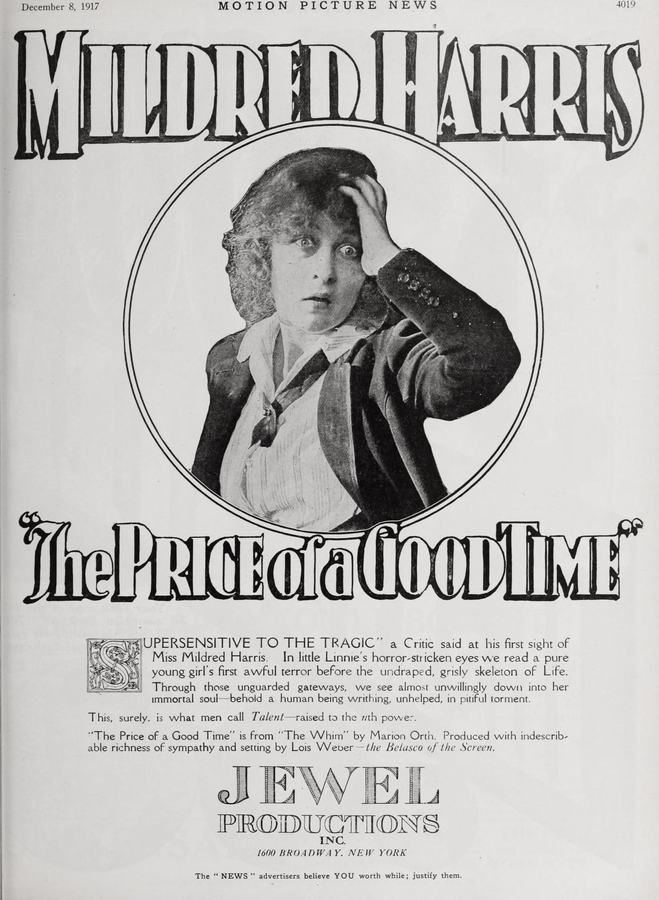
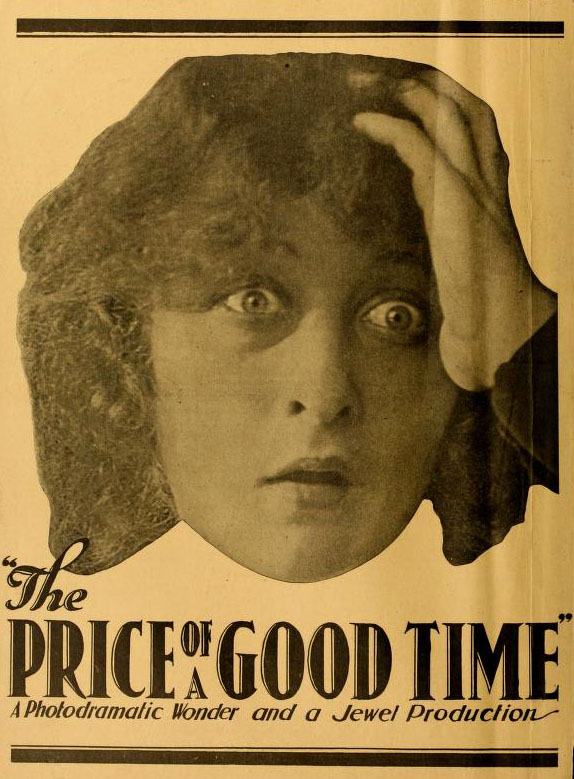
Step back into the nascent days of cinema, a period where the moving image was still finding its voice, and discover a profound narrative that resonates with startling clarity even today. Lois Weber, a pioneering force whose directorial vision often cut through the superficiality of her era to expose the raw nerves of human experience, presents us with The Price of a Good Time. This isn't merely a silent film; it's a profound social commentary, a meticulously crafted study in the devastating power of misinterpretation, and a testament to Weber's unparalleled ability to weave intricate moral tapestries without uttering a single word. It’s a film that demands introspection, challenging our preconceptions about class, reputation, and the fragile nature of truth.
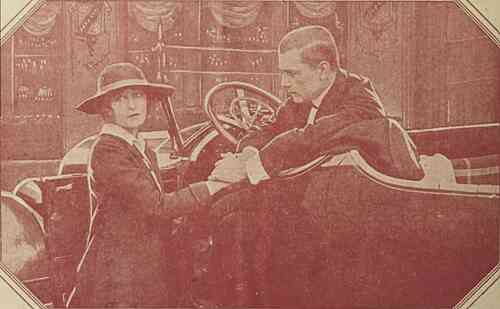
At the heart of this compelling drama lies the story of a young shopgirl, whose daily existence is a monotonous ballet of poverty and aspiration. Mildred Harris, with a vulnerability that captures the essence of her character, portrays this unnamed protagonist, a figure easily overlooked by society yet central to Weber's incisive critique. Her life, devoid of luxury and often of comfort, is suddenly presented with an unexpected reprieve. The son of her employer, a figure of undeniable privilege embodied by Kenneth Harlan, extends an offer: a week of ‘good times.’ The ambiguity of this phrase, particularly across the rigid class lines of the time, becomes the fulcrum upon which the entire tragedy pivots. Was it an offer of platonic generosity, a brief escape from her grueling reality, or something more illicit? The film deliberately leaves this open to initial interpretation, mirroring the uncertainty that plagues the characters themselves.
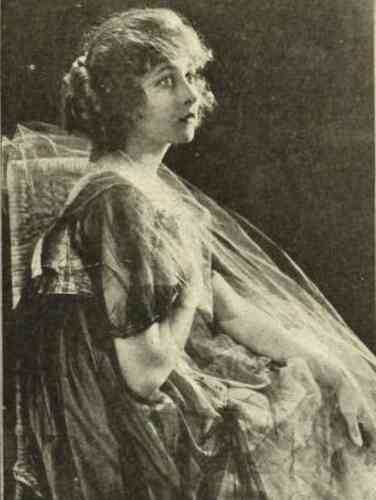
Her acceptance, born perhaps of naive hope or simply a desperate yearning for a moment of respite, sets in motion a chain of events that spirals irrevocably out of control. It is her brother, a character driven by what he perceives as a duty to protect his family's honor, who observes this interaction. His perspective, colored by the societal norms and moral panic of the period, immediately jumps to the most salacious conclusion. What he witnesses, or rather, what he interprets, becomes a stark example of how quickly perception can warp reality. He relays his version of events to their parents, igniting a familial crisis of epic proportions. The ‘fling’ he describes, a phantom of his own misjudgment, shatters the fragile peace of their household, plunging them into a maelstrom of shame and moral outrage. The film brilliantly illustrates how a single, ill-understood phrase can dismantle lives, proving that the greatest tragedies often stem not from malicious intent, but from the fatal chasm between what is said, what is heard, and what is believed.
Lois Weber was not just a director; she was a social anthropologist wielding a camera. Her films consistently delved into the moral quandaries and societal hypocrisies of her time, often with a particular focus on the plight of women. In The Price of a Good Time, her directorial hand is both subtle and firm, guiding the audience through a narrative fraught with emotional tension. She masterfully uses the visual language of silent cinema – the lingering close-up, the dramatic tableau, the expressive intertitle – to communicate the inner turmoil and external pressures faced by her characters. Unlike many of her contemporaries, Weber rarely relied on melodrama for its own sake; instead, she employed it as a tool to highlight deeper social injustices. Her work here echoes the thematic complexity found in other films of the era that challenged social norms, though few with her distinct blend of empathy and critique. While some films like The War Bride's Secret might touch on hidden truths, Weber's exploration is often more pointed, directly dissecting the societal mechanisms that lead to such misunderstandings and their devastating consequences.
Weber’s collaborative spirit with Marion Orth in writing the screenplay ensures a tightly woven narrative that never loses its focus on the human element amidst the grander social commentary. The film doesn't preach; it presents, allowing the audience to witness the unfolding tragedy and draw their own conclusions about the rigid morality that so often dictates fate. Her ability to elicit nuanced performances from her cast, even in the absence of spoken dialogue, is a testament to her profound understanding of human psychology. The film becomes a powerful argument against snap judgments and the destructive force of rumor, a theme that, regrettably, remains perennially relevant.
The success of any silent film hinges on the expressive capabilities of its cast, and The Price of a Good Time is no exception. Mildred Harris, as the shopgirl, delivers a performance brimming with an innocence that makes her subsequent plight all the more heartbreaking. Her wide-eyed wonder at the initial offer, her tentative acceptance, and then her descent into despair are conveyed with a delicate touch that prevents her character from becoming a mere victim. She embodies the vulnerability of those on the margins, whose reputations are their only currency.
Kenneth Harlan, as the employer's son, navigates a more ambiguous role. Is he genuinely benevolent but clumsy in his communication, or is there an element of casual disregard for the implications of his actions on someone of a lower station? Harlan’s portrayal allows for this subtle tension, preventing his character from being a simple villain. The film benefits from this complexity, refusing to paint its characters in broad strokes of good or evil, but rather as products of their social environment and personal failings in communication.
The supporting cast, including Anne Schaefer, Helene Rosson, Adele Farrington, Gertrude Astor, and Alfred Allen, are crucial in building the societal framework within which the central drama unfolds. Anne Schaefer, likely as one of the parents, would have conveyed the shock and moral indignation with a gravitas typical of the era, amplifying the sense of familial betrayal. The collective performances contribute to an atmosphere of impending doom, where the weight of societal judgment is almost palpable, a silent chorus condemning the perceived transgressions. The nuanced expressions and gestures, the very language of silent film acting, are utilized to their fullest extent, ensuring that the emotional beats of the story land with impactful force.
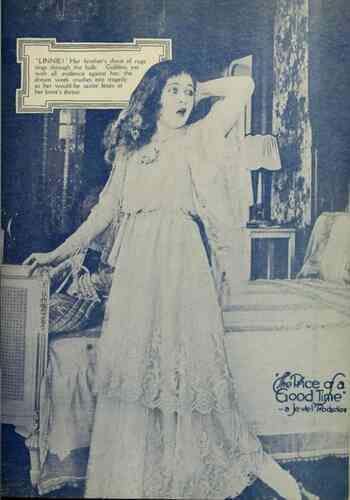
Beyond the individual characters, The Price of a Good Time casts society itself as a central, almost villainous, character. The film is a chilling exposé of how easily reputations can be shattered, particularly for women, in an age where moral rectitude was fiercely guarded, or at least, fiercely enforced in public perception. The 'price' in the title isn't just a literal one; it's the cost of social standing, familial honor, and personal peace. Once the rumor takes hold, fueled by the brother's righteous indignation and the parents' horrified reaction, there is no easy path to redemption or clarification. The truth, simple as it may be, becomes irrelevant in the face of widespread conviction and moral outrage.
Weber keenly observes how gossip and misunderstanding can metastasize within a community, becoming an unstoppable force. The film’s power lies in its ability to show, rather than tell, the devastating impact of such societal forces. It’s a narrative that explores the fragility of a young woman's status in a world quick to condemn and slow to understand. The film subtly critiques the hypocrisy of a society that might tolerate certain behaviors in its privileged classes but savagely punishes the same perceived transgressions in its working class. This thematic thread could be seen paralleled in films like Stolen Goods, which often explored the moral quandaries faced by individuals pushed to their limits, though The Price of a Good Time focuses more acutely on the destructive power of perception rather than outright crime.
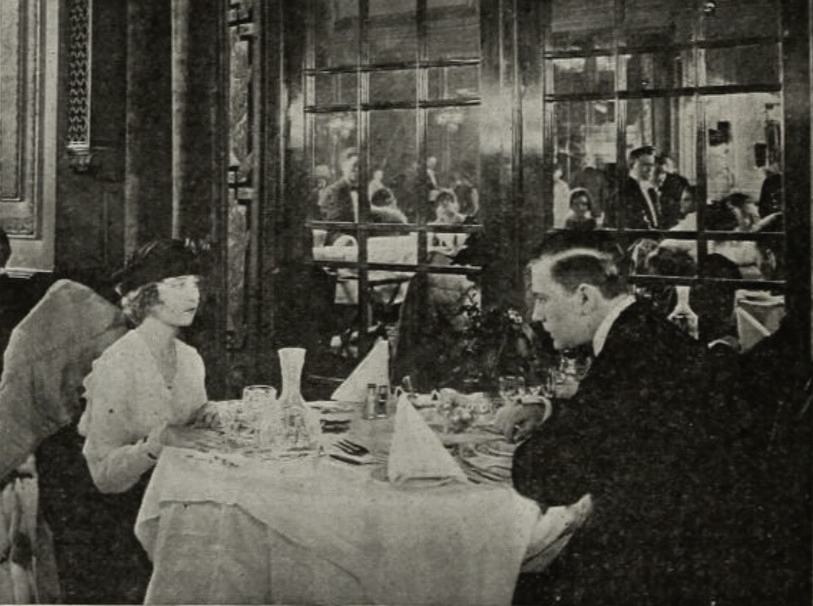
Technically, the film is a masterclass in silent era storytelling. Weber’s command of visual composition, editing, and the use of intertitles ensures that the narrative is always clear, yet rich with subtext. The pacing builds suspense effectively, drawing the audience deeper into the protagonist's escalating predicament. The cinematography, while perhaps not groundbreaking for its era, serves the story with an understated elegance, focusing on the emotional landscape of the characters. The stark contrasts between the shopgirl's humble surroundings and the implied opulence of the employer's world are conveyed through careful set design and framing, reinforcing the class divide that underpins the misunderstanding.
What makes The Price of a Good Time truly remarkable is its enduring relevance. In an age dominated by social media and instant judgments, where reputations can be destroyed by a single tweet or a misconstrued post, Weber's century-old film feels eerily prescient. It reminds us of the profound responsibility we bear in how we interpret others' actions and the devastating consequences of failing to seek clarity. The film serves as a timeless cautionary tale, urging empathy and critical thought over hasty condemnation. It's a powerful reminder that the 'price' of a 'good time' can be far greater than any monetary value, often exacting a toll on one's very existence, particularly when viewed through the narrow, judgmental lens of societal expectation.
Lois Weber's contribution to early cinema cannot be overstated, and The Price of a Good Time stands as a shining example of her artistic and thematic courage. It’s a film that eschews simplistic morality tales for a more complex examination of human fallibility, societal pressures, and the tragic consequences of communication breakdown. It’s a film that resonates because its core themes – misunderstanding, class, reputation, and the human cost of judgment – are universal and timeless. This film is more than just a historical artifact; it is a vibrant, compelling piece of cinema that continues to provoke thought and stir emotion, cementing Weber's place as a visionary filmmaker whose work remains vitally important for understanding the evolution of storytelling and social commentary on screen.
In an era when cinema was often dismissed as mere entertainment, Weber consistently elevated it to an art form capable of profound social critique. Her meticulous attention to character motivation and the intricate web of societal influences makes this film a compelling watch. It is a powerful argument for the necessity of understanding and empathy in a world too often quick to condemn. Revisiting The Price of a Good Time is not just an act of cinematic appreciation; it is an exercise in human understanding, reminding us of the enduring power of a story well told and the lasting impact of a single, fateful misunderstanding.
IMDb 5.2
1914
Community
Log in to comment.