DbcultAccessing Vault...
5.8/10
Senior Film Conservator
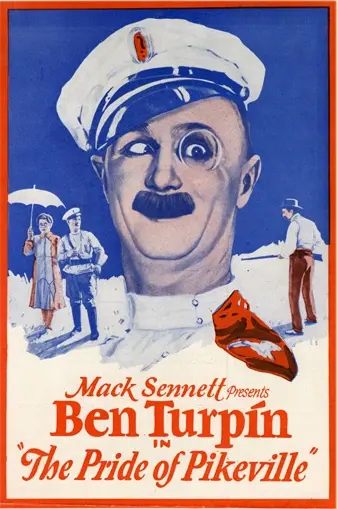
A definitive 5.8/10 rating for a film that redefined the boundaries of cult cinema. The Pride of Pikeville remains a cornerstone of transgressive art.
Is The Pride of Pikeville a relic worth dusting off for modern audiences? Short answer: yes, but primarily as a masterclass in the grotesque humor that defined the late silent era.
This film is for enthusiasts of physical comedy who want to see the 'anti-Valentino' in his prime; it is not for viewers who require a sophisticated plot or emotional depth to stay engaged.
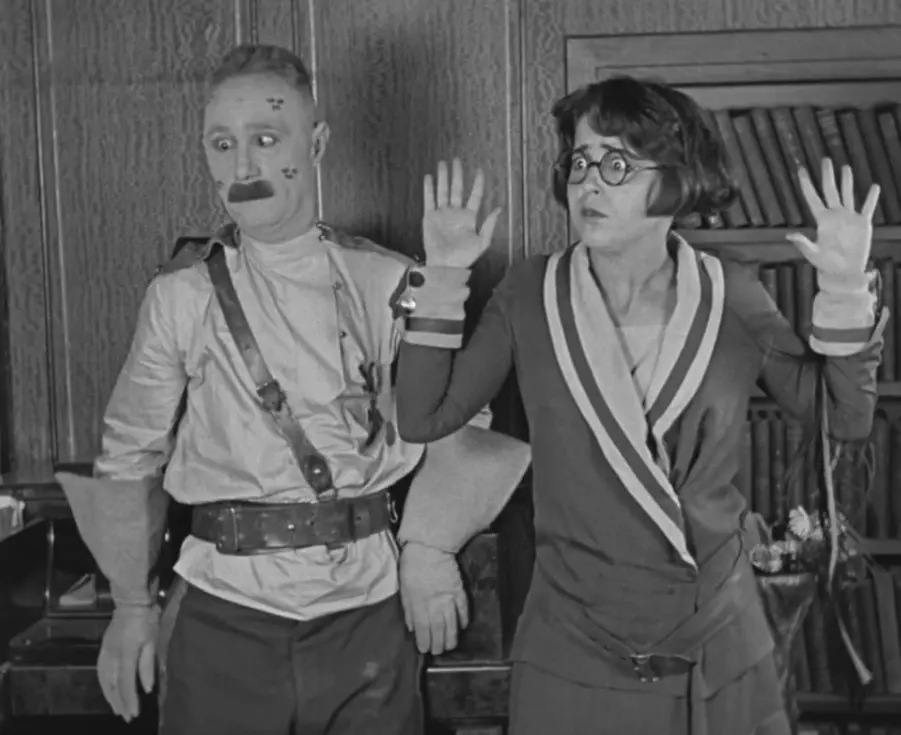
1) This film works because it leans entirely into the absurdity of Ben Turpin’s physical appearance, using his famous cross-eyes not just as a gimmick, but as a subversion of the romantic lead tropes prevalent in the 1920s.
2) This film fails because the middle act suffers from repetitive pacing, where the 'chase' sequences begin to feel like recycled material from other Sennett shorts like Bowled Over.
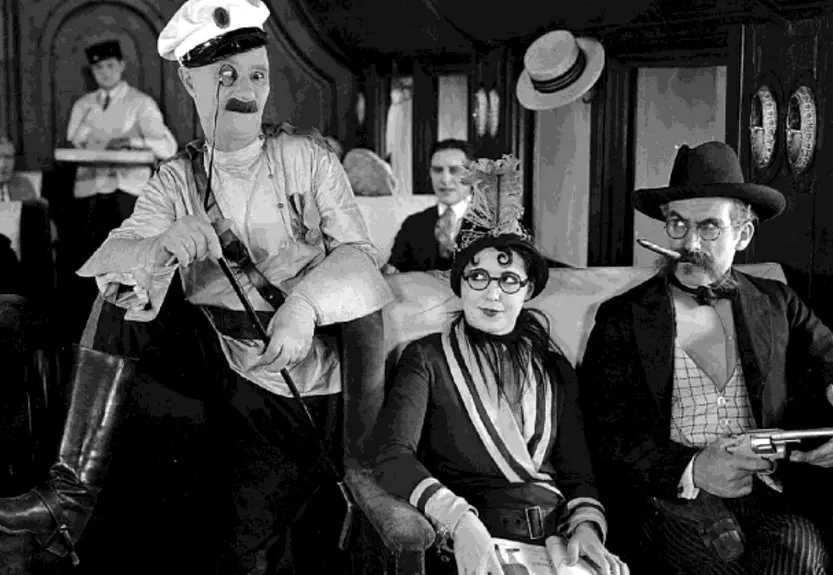
3) You should watch it if you have an interest in the history of slapstick and want to see how silent cinema could be both incredibly low-brow and structurally daring at the same time.
Ben Turpin was never supposed to be a star. In an era where the silver screen was dominated by the smoldering gazes of Rudolph Valentino or the ruggedness of Douglas Fairbanks, Turpin offered a squint. A massive, confusing, cross-eyed squint. In The Pride of Pikeville, the humor is derived entirely from the cognitive dissonance of seeing beautiful women—played with earnest fervor by the likes of Ruth Taylor and Thelma Hill—throwing themselves at a man who looks like he’s perpetually trying to see both sides of a doorway at once.
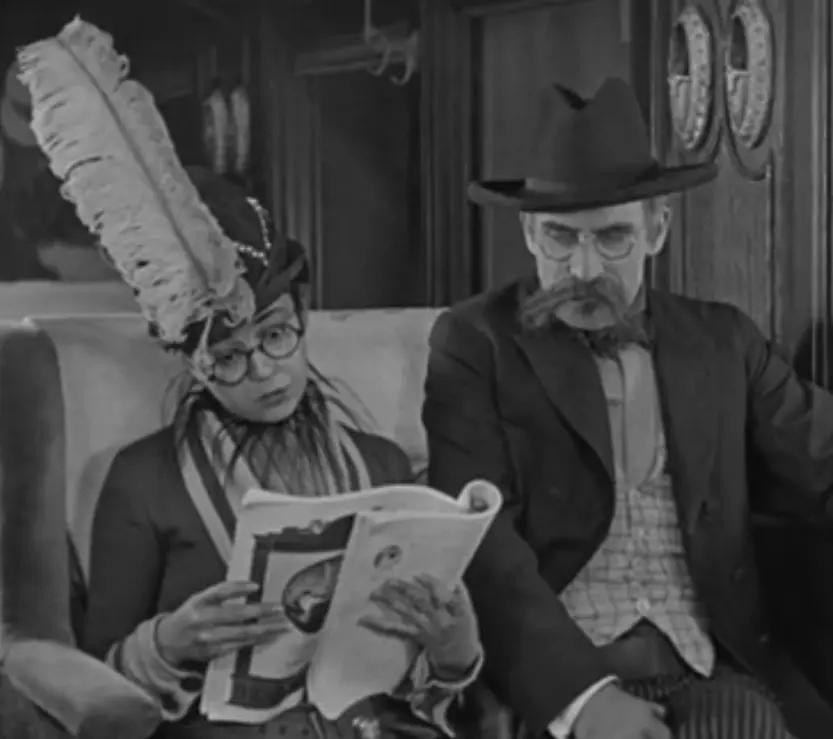
It works. But it’s flawed. The film doesn't ask you to believe in the romance; it asks you to laugh at the very idea of it. One specific scene involves Turpin attempting to strike a 'dashing' pose against a fence, only to have his eyes wander in opposite directions, causing the pursuing lady to look behind her to see who he’s actually talking to. It’s a simple gag, but it’s executed with a precision that modern 'gross-out' comedies often lack. Turpin’s timing is surgical.
While the writing credits include a small army—Harry McCoy, Jefferson Moffitt, and Mack Sennett himself—the DNA of the film is pure Sennett. There is a frantic, almost desperate need to keep the frame moving. Compared to the more calculated, architectural comedy of Buster Keaton in films like The Napoleonic Epics, The Pride of Pikeville feels more like a live-action cartoon. The physics are optional. The logic is nonexistent.
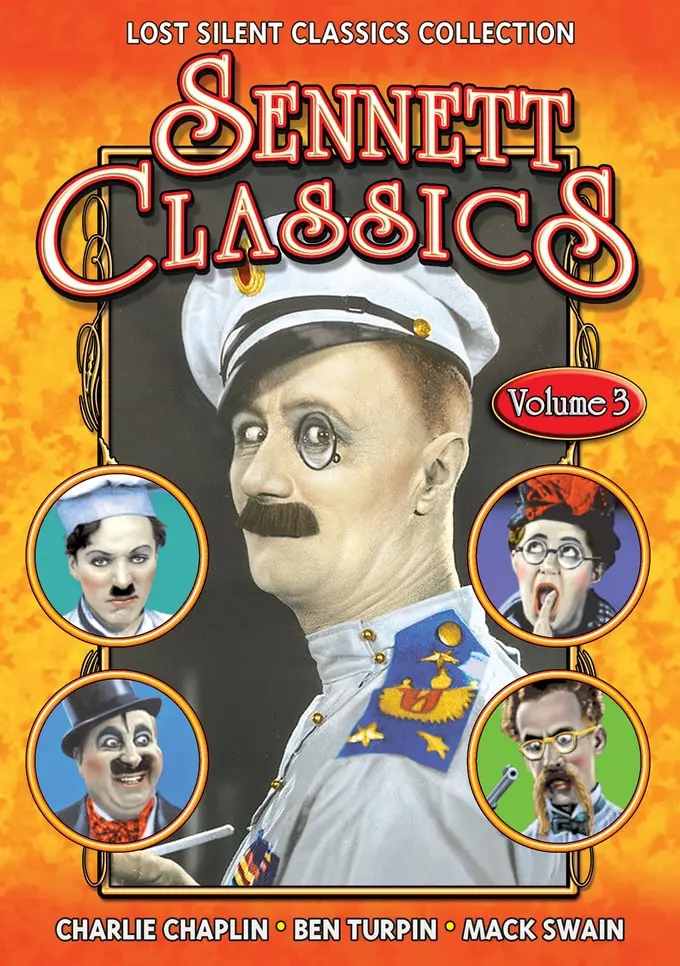
Vernon Dent provides the necessary grounding as the foil to Turpin’s madness. Dent’s ability to play the 'straight man' with a slow-burn frustration is what allows Turpin to fly off the rails. Without Dent’s reactions, Turpin would just be a man making funny faces; with Dent, he becomes a disruptive force of nature. It’s a dynamic we see repeated in other shorts from the era, such as The Girl and the Graft, but here it feels particularly sharpened.
Technically, the film is a product of its time—static wide shots and flat lighting. However, the way the camera captures Turpin’s eyes is a feat of 1920s 'special effects' in its own right. There are no CGI enhancements here; it is pure, physical commitment. The cinematography by the uncredited cameramen focuses heavily on medium-close shots during the 'romantic' encounters to emphasize the absurdity. When Turpin gazes longingly at Ruth Taylor, the camera lingers just long enough for the audience to realize he isn't looking at her at all, but rather at the scenery to her left and right simultaneously.
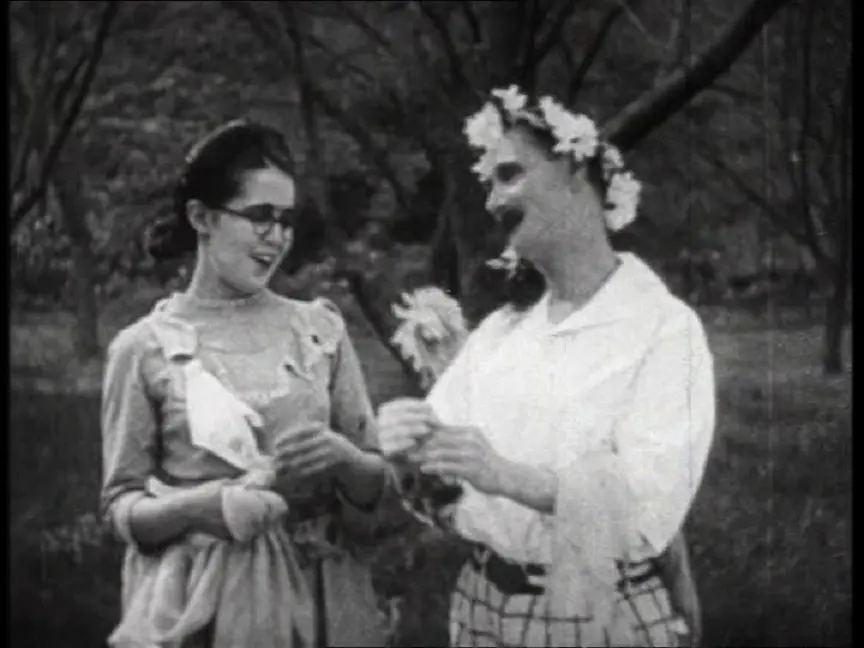
The pacing is relentless. Sennett was notorious for 'cutting for the laugh,' and in The Pride of Pikeville, the edits are quick and jagged. This isn't the fluid storytelling of The Return of Peter Grimm. This is a machine gun of gags. While this keeps the energy high, it does lead to a certain level of exhaustion. By the time we reach the final chase sequence, the visual language has become so repetitive that the impact of the physical stunts begins to wane.
The Pride of Pikeville is a fascinating specimen of 1920s pop culture. It serves as a direct rebuttal to the 'pretty boy' culture of early Hollywood. If you can move past the dated gender dynamics and the lack of a cohesive plot, there is a raw, punk-rock energy to the comedy that still feels fresh. It’s a film that doesn't care if you like it; it only cares if you're looking at it. And with Ben Turpin on screen, it’s impossible to look away—even if he isn't looking back at you.
Pros:
- Turpin’s performance is a masterclass in physical commitment.
- The film serves as a sharp parody of 1920s romantic conventions.
- High-energy pacing ensures there is never a dull moment, even when the gags miss.
- The supporting cast, especially Vernon Dent, provides excellent comedic contrast.
Cons:
- The plot is virtually non-existent, serving only as a clothesline for gags.
- Some of the humor feels dated and relies on physical 'defects' for cheap laughs.
- The ending feels abrupt and lacks a satisfying narrative payoff.
One might argue that Turpin was the first 'meta' comedian. In The Pride of Pikeville, he often breaks the fourth wall not with a wink, but with that confusing stare. It’s as if he’s acknowledging the camera and the audience, but because of his eyes, he’s acknowledging two different audiences at once. This creates a strange, surrealist layer to the film that likely wasn't intended by Sennett but exists nonetheless for the modern viewer. It’s unsettling. It’s brilliant. It’s weird.
Compare this to the more straightforward performances in The Right of Way or His Jonah Day. Turpin isn't just playing a character; he’s playing a caricature of a human being. There is something almost avant-garde about how little he tries to fit into the 'real' world of Pikeville.
The Pride of Pikeville is a loud, messy, and occasionally brilliant piece of silent comedy. It isn't a 'masterpiece' in the traditional sense—it's too disorganized for that—but it is an essential watch for anyone who wants to understand the breadth of early American humor. It’s a middle finger to the polished, perfect faces of Hollywood. It’s ugly. It’s fast. It’s funny. Final Thought: Turpin’s eyes are the most honest thing in the film because they refuse to look where they’re told.
IMDb —
1934
Community
Log in to comment.