DbcultAccessing Vault...
6.2/10
Senior Film Conservator
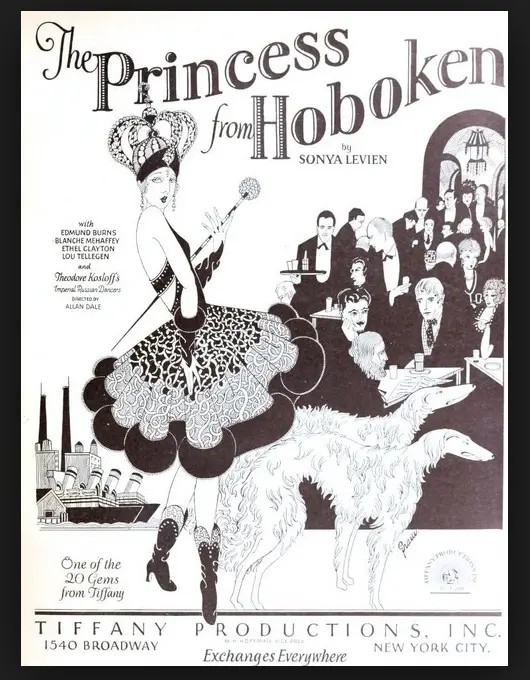
A definitive 6.2/10 rating for a film that redefined the boundaries of cult cinema. The Princess from Hoboken remains a cornerstone of transgressive art.
Is 'The Princess from Hoboken' worth watching today? Short answer: Yes, but with significant caveats that demand a specific kind of cinephile. This 1927 silent film is unequivocally for silent film enthusiasts, historians, and those fascinated by the nascent careers of Hollywood legends. It is decidedly NOT for viewers seeking modern pacing, complex narratives, or high-fidelity visual experiences.
For those willing to adjust their expectations, however, there's a certain charm to be found in this period piece. It offers a fascinating window into the storytelling sensibilities and comedic stylings of the late silent era, a time when cinema was still finding its voice, often quite literally.
The premise of The Princess from Hoboken is delightfully simple: a working-class girl from Hoboken, New Jersey, finds herself impersonating European royalty. This isn't a groundbreaking concept, even for its time. Films like Only a Shop Girl explored similar themes of social mobility and hidden identities. Yet, the enduring appeal lies in the execution.
Writers Sonya Levien and her collaborators craft a narrative that, while predictable, is buoyed by its earnestness. The film leans heavily into the fish-out-of-water comedy, deriving its humor from our protagonist's struggles with aristocratic customs and the constant threat of her true identity being exposed. It's a classic setup, and for good reason: it allows for both comedic misunderstandings and moments of genuine dramatic tension.
The underlying themes are surprisingly potent for a seemingly lighthearted comedy. We see a commentary on social class, the American dream, and the superficiality of status. Our 'princess' is a stand-in for anyone who has ever yearned for more, for a different life, even if it means constructing an elaborate lie to get there. There's an undeniable relatability to that ambition, however misguided.
Frankly, much of the film’s narrative feels less like a finely woven tapestry and more like a hastily assembled patchwork quilt. The plot threads, while clear, rarely intertwine with the intricate elegance seen in the best silent comedies. Yet, this simplicity allows the character performances to shine, which is often where the true heart of such films lies.
Blanche Mehaffey, as our titular 'princess,' is the undeniable heart of the film. Her performance is a masterclass in silent-era physical comedy and expressive acting. She perfectly embodies the dual nature of her character: the plucky, down-to-earth Hoboken girl and the struggling, yet determined, royal imposter.
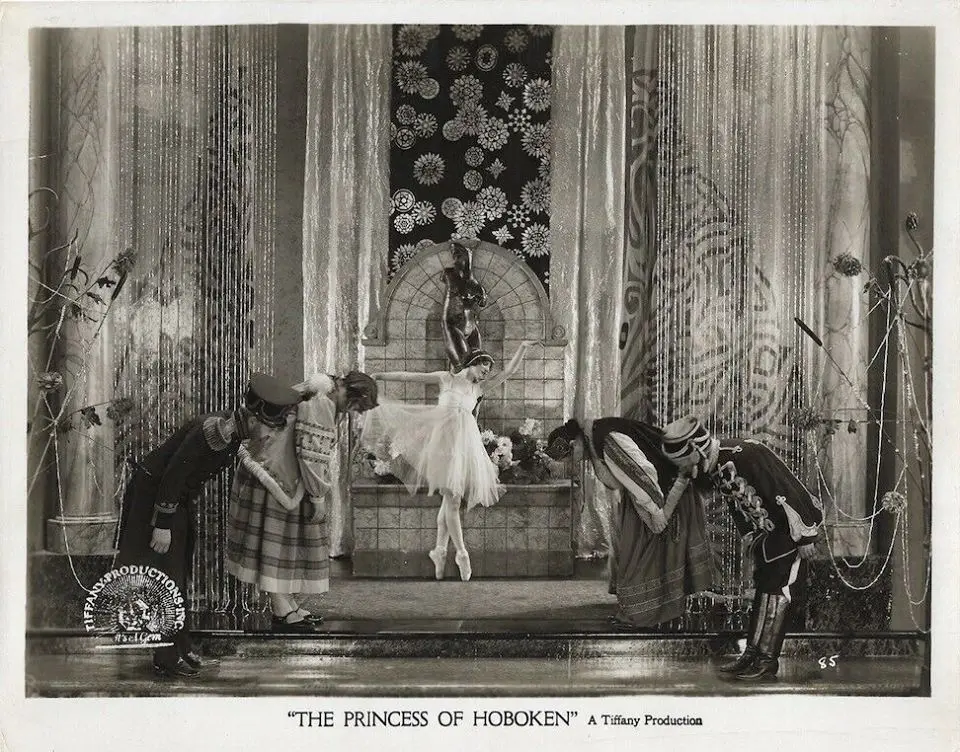
Mehaffey’s wide, expressive eyes and fluid body language convey volumes without a single spoken word. Consider the scene where she attempts to gracefully navigate a formal dinner, perhaps fumbling with an elaborate fork or attempting to mimic the refined posture of the true aristocracy. Her subtle grimaces and exaggerated sighs speak volumes about her internal struggle, eliciting genuine laughter and empathy.
Charles McHugh, playing a potential suitor or perhaps a skeptical observer, provides a strong foil to Mehaffey's effervescence. His more restrained, often bewildered expressions serve to ground the film, reacting to the escalating absurdity with a quiet dignity that contrasts sharply with the protagonist's antics. It's a testament to his understated skill that he manages to convey so much with so little overt action.
Then there's the intriguing, albeit brief, presence of Boris Karloff. Long before he became the iconic monster of Universal horror, Karloff was a working actor, taking on various roles, often uncredited or in minor capacities. Here, his appearance is fleeting, perhaps as a menacing butler or an eccentric foreign dignitary. Even in his fleeting moments, Karloff brings a certain unsettling quality to his unnamed character, a subtle precursor to the iconic roles that would define his career. Imagine, for a moment, a close-up of his eyes conveying more menace in two seconds than some actors manage in an entire feature. His presence alone is a compelling reason for film historians and Karloff completists to seek this film out.
The supporting cast, including Edmund Burns and Lou Tellegen, fill out the world with a mix of comedic archetypes and dramatic figures. While their roles are less central, they contribute to the vibrant tapestry of high society and the protagonist's past, adding layers to the comedic and romantic subplots.
The direction, while not groundbreaking, is competent and serves the narrative effectively. The pacing, typical of the era, might feel slow to modern viewers accustomed to rapid-fire edits and constant action. However, within the context of 1927 cinema, the rhythm allows for character moments to breathe and for the audience to fully absorb the visual storytelling.
Cinematography often prioritizes clear staging and character reactions over complex camera movements. There are moments of effective visual humor, perhaps a well-placed close-up to capture a character's shocked expression, or a wide shot to emphasize the grandeur of a ballroom versus the modesty of Hoboken. The set design, though not lavish by today's standards, effectively conveys the opulence of the aristocratic world and the contrasting simplicity of the protagonist's origins. It’s a stark visual comparison that underpins the film’s central conflict.
One might compare its visual style to other films of the era, such as The Love Bug (1925), which also relied on clear visual gags and strong character blocking. The editing is functional, guiding the audience through the story without drawing undue attention to itself. It's a testament to the era's filmmaking ethos: tell the story clearly, let the actors convey the emotion, and keep the audience engaged through the unfolding drama and comedy.
The tone of The Princess from Hoboken is predominantly lighthearted and comedic, but it's tinged with a romantic undercurrent and moments of genuine dramatic tension. The humor is often broad, relying on physical gags and the inherent absurdity of the mistaken identity premise. Yet, there are also subtle jabs at class distinctions and societal expectations, reflecting the cultural shifts of the Roaring Twenties.
The film captures a certain zeitgeist, a period when America was fascinated by European royalty and simultaneously celebrating its own democratic ideals. The 'princess from Hoboken' embodies this dichotomy, a symbol of American ingenuity and aspiration clashing with old-world tradition. The most fascinating aspect might not be the princess herself, but the subtle, almost accidental anthropology of early 20th-century American aspirations it inadvertently provides.
While not a profound social commentary, it certainly offers a snapshot of societal values and humorous conventions of its time. It works. But it’s flawed. The romantic elements, while predictable, are handled with a gentle touch, allowing the audience to root for the protagonist's happiness, regardless of her initial deception.
For the uninitiated, diving into a 1927 silent film can be an acquired taste. The lack of dialogue, the specific pacing, and the often melodramatic acting styles require a different kind of engagement from the viewer. If you're expecting the narrative complexity of modern cinema or the rapid-fire humor of contemporary comedies, you will likely be disappointed.
However, for those with an appreciation for film history, for the artistry of silent performance, or for the sheer joy of discovering early cinematic gems, The Princess from Hoboken offers a rewarding experience. It's a testament to the enduring power of simple storytelling and charismatic performances. It provides a unique opportunity to witness the early work of actors like Boris Karloff, long before their legendary status was cemented.
This film serves as an important artifact, showcasing the evolution of cinematic language. It reminds us that even in rudimentary forms, the core elements of engaging storytelling—character, conflict, and resolution—were already firmly in place. It's a charming, if not revolutionary, piece of cinematic history.
The Princess from Hoboken is a charming, if somewhat quaint, relic of the silent era. It doesn't redefine cinema, nor does it possess the timeless brilliance of a Chaplin or Keaton masterpiece. Instead, it offers a sincere and often amusing diversion, a gentle comedy that relies on the strength of its lead performance and the universal appeal of a good mistaken identity story. Its true value lies less in its narrative ingenuity and more in its capacity as a historical document, a chance to observe the burgeoning talent of its cast and the storytelling conventions of a bygone era. For those with a specific interest in silent cinema or the early careers of Hollywood legends, it's an enjoyable, albeit undemanding, watch. For everyone else, approach with an open mind and a willingness to step back in time. It's a pleasant journey, but not one that will shake your cinematic foundations.
IMDb —
1917
Community
Log in to comment.