DbcultAccessing Vault...
6/10
Senior Film Conservator
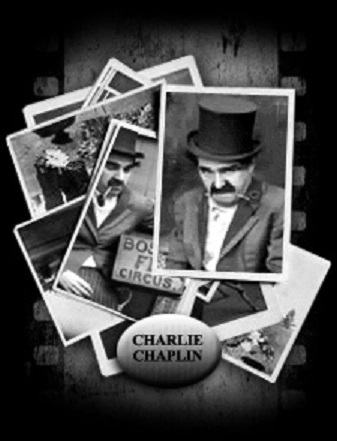
A definitive 6/10 rating for a film that redefined the boundaries of cult cinema. The Professor remains a cornerstone of transgressive art.
Cinema’s first great exploration of interspecies labor relations unfolds not on sweeping plains or in industrial factories, but within a matchbox. Charles Chaplin’s astonishingly peculiar 1919 short The Professor presents Professor Bosco (Albert Austin)—a threadbare impresario whose traveling performers could fit on a thumbnail. The genius lies in Chaplin’s alchemical ability to transform the most humiliating poverty into poetry. When Bosco gently arranges straw bedding for his flea troupe before his own rest, the scene resonates with a tender absurdity that defines Chaplin’s worldview: dignity persists even when circumstance reduces you to cohabitating with parasites.
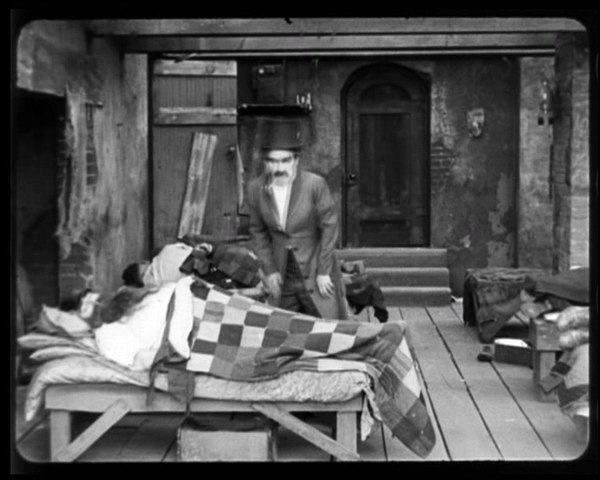
The flophouse setting functions as a microcosmic battlefield. Each snoring occupant represents a social stratum—the walrus-mustached brute (Tom Wilson), the neurasthenic intellectual (Loyal Underwood), the perpetually startled Henry Bergman—all united in their vulnerability to arthropod assault. Chaplin’s direction turns the flea breakout into balletic pandemonium. Watch how Arthur Thalasso’s sleeping character twitches like a marionette as insects navigate his beard, or how Bergman’s frantic pillow-battering mirrors a man swatting invisible demons. The whip becomes Bosco’s tragicomic scepter—a tool of authority utterly disproportionate to his domain. When he cracks it at specks dust-moted in lamplight, the futility echoes Sisyphus rolling his stone.
Just as Bosco’s trembling hands secure the box lid, Chaplin engineers the perfect second-act cataclysm: a mangy terrier’s snout nudging open Pandora’s tiny prison. The ensuing chaos transcends slapstick. Fleas swarm Bergman’s nightcap like infantry scaling a fortress. Albert Austin’s performance shifts from meticulous control to existential ruin—his livelihood literally hopping into the abyss of floorboards. This isn’t mere comedy; it’s Darwinism played at 16 frames per second. The dog’s bewildered exit—scratching its ear with a hind leg—serves as the ultimate nihilistic punchline. Unlike the Destiny: or, the Soul of a Woman’s grand fatalism, The Professor finds cosmic indifference in a flea’s trajectory.
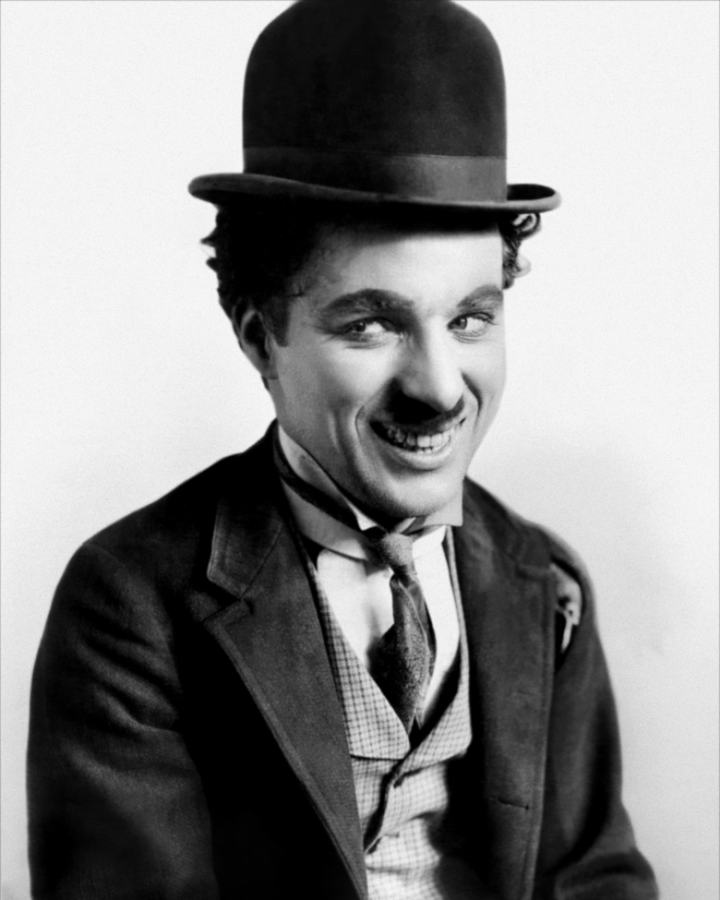
While Chaplin’s cameo as a baffled lodger provides delightful physical schtick, Albert Austin delivers a masterclass in silent empathy. His Bosco exhibits the focused reverence of a watchmaker tending to escapements. Notice how Austin’s fingers move with sacramental precision during the fleas’ bedtime ritual—each gesture implying years of failed attemps and hard-won expertise. His eyes communicate devastating pathos when the whip fails to corral his performers; this isn’t just lost income, but betrayal by creatures he nurtured. Austin’s performance shares DNA with Loyal Underwood’s tragic clowns in Mum's the Word, yet transcends through its specificity. We believe Bosco sees individual personalities in each flea—the rebellious jumper, the obedient crawler, the prima donna diva.
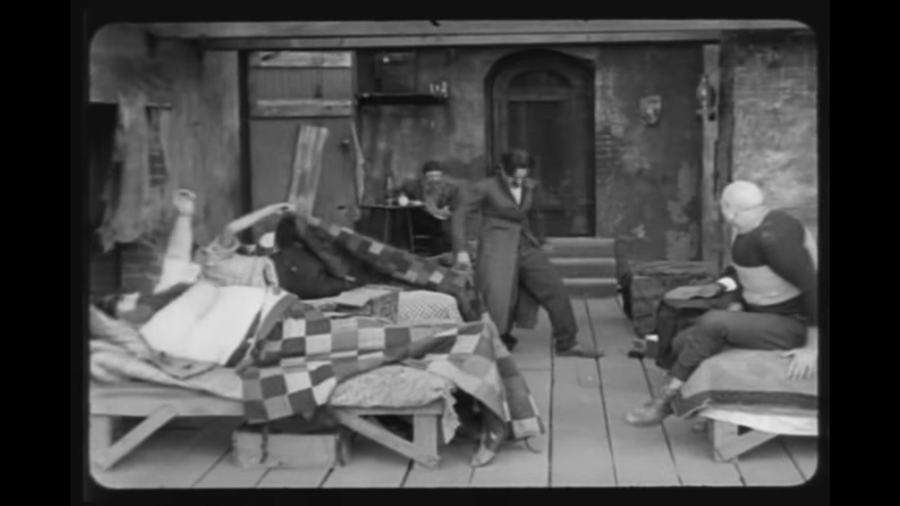
Chaplin weaponizes scale to philosophical effect. The fleas’ invisibility to everyone but Bosco (and the audience) mirrors society’s blindness toward the impoverished. The whip—a comically oversized tool—becomes a metaphor for humanity’s futile attempts to control nature’s chaos. Consider how the camera lingers on the fleas’ shadowplay against walls, transforming them into grotesque, skittering titans. This visual trickery anticipates the surrealism of El beso de la muerte’s dream sequences, but grounds it in tangible desperation. The final shot of Bosco crawling after escapees with a magnifying glass evokes Sisyphus anew—his eternal punishment being the pursuit of livelihood itself.
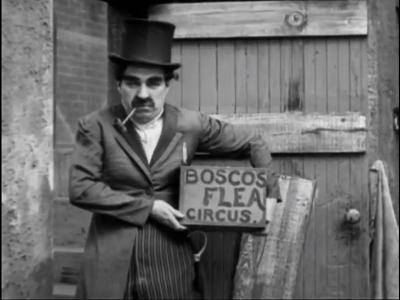
The film’s technical brilliance lies in its invisible mechanics. How did Chaplin simulate flea movement? Contemporary reports suggest a combination of fishing line, pepper grains, and stop-motion—a Rube Goldbergian approach worthy of Bosco himself. The sound design (implied through frenzied gestures) becomes a symphony of scratches. Tom Wilson’s back-scrubbing against a bedpost evolves into a percussive solo, while Bergman’s frantic slaps create syncopated counter-rhythms. Unlike the grandiose battle scenes in Allies' Official War Review, No. 25, this is warfare waged through twitches and itches—a domestic Waterloo.
Beneath the farce, The Professor conducts savage class commentary. The flophouse residents’ transformation from indifference to collective rage mirrors societal scapegoating. Bosco—already marginalized—becomes a pariah when his “pets” disrupt the fragile peace. His whip cracks echo the systemic violence that keeps the poor compliant, yet his eventual ostracization reveals the cruelty of horizontal hostility. This theme resonates with The Reform Candidate’s political critiques, but trades speeches for silent, universal desperation. When the fleas invade, privilege dissolves; the banker and the laborer both scratch identically.
Modern parallels abound. The Professor anticipates eco-horror tropes—think of the bedbug epidemic in The Hidden Children—but with Chaplinesque empathy for the “infestation.” Bosco’s relationship with his fleas mirrors our modern dependence on unseen digital laborers—algorithms and gig workers who power our comfort. His tragicomic struggle reflects the creator’s dilemma in a world that reduces art to commodity. The film’s refusal to provide a happy ending—Bosco is last seen in futile pursuit—feels startlingly contemporary. Unlike the redemptive arcs of Every Mother's Son, Chaplin offers only existential perseverance.
Ultimately, The Professor showcases Chaplin’s genius for transmuting agony into art. Every slapstick sequence carries subtext: When Bosco accidentally whips his own hand while targeting a flea, it’s capitalism’s self-inflicted wounds. When the fleas scatter like anarchists, it’s the revolt of the disregarded. The film’s power lies in its unwavering focus on the microscopic—both literally and socially. In an era of spectacles like Madame Butterfly, Chaplin dared to find universality in insect tamers. The result remains a shambolic, itchy masterpiece—a reminder that great comedy crawls from the cracks of despair, one barely visible leap at a time.
Chaplin constructs the flophouse as a theatrical proscenium. Beds become stages, hanging laundry serves as curtains, and the single flickering bulb operates like a spotlight. This meticulous staging allows the chaos to read clearly—no small feat when protagonists are near-invisible. The economy of storytelling rivals The Perfect '36'’s suffragette wit, but with grubbier elbows. Even the dog’s entrance is blocked like a villain’s first appearance—a shaggy omen of doom. Unlike the jungle epics of The Mysterious Man of the Jungle, the confined space magnifies every emotional tremor.
Beneath the laughter, a chilling undercurrent flows. When Bosco blows out his candle after securing the fleas, the darkness swallows him whole—a visual metaphor for the oblivion awaiting the destitute. His neighbors’ violent reaction to the infestation mirrors society’s brutality toward those deemed “verminous.” This subtext connects to the social critiques in The Girl and the Crisis, but Chaplin sharpens the blade with absurdity. The film’s final image—a magnifying glass scanning empty floorboards—becomes a devastating requiem for vanished purpose.
IMDb —
1916
Community
Log in to comment.