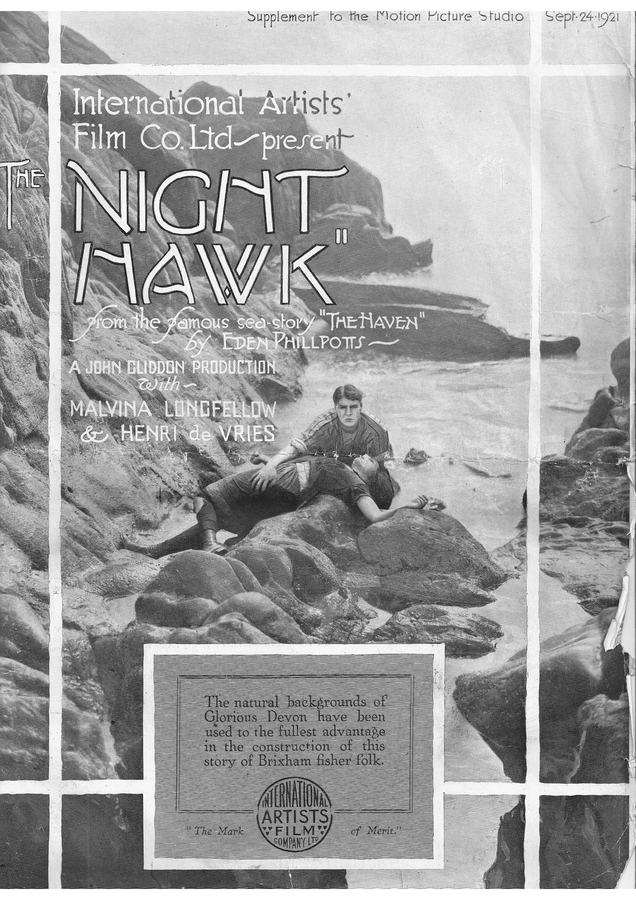
p,ul,blockquote{margin:0 0 1.2rem} a{color:#0E7490;text-decoration:none;border-bottom:1px dotted} a:hover{color:#EAB308} h2{color:#C2410C;font-size:1.5rem;margin:2.5rem 0 1rem} strong{color:#EAB308;font-weight:600} Imagine, if you can, a film negative left to steep overnight in Atlantic brine; by morning the emulsio...
production_art
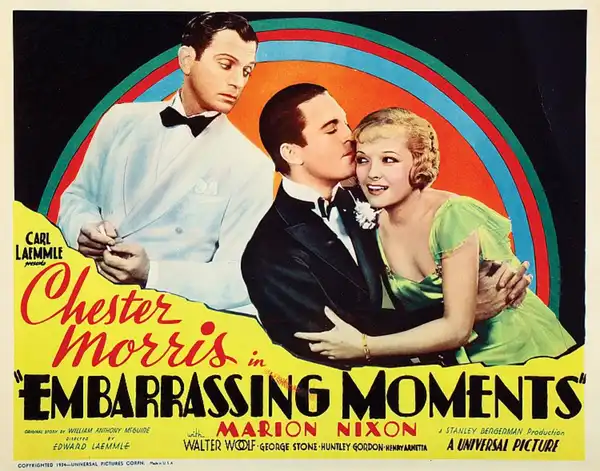
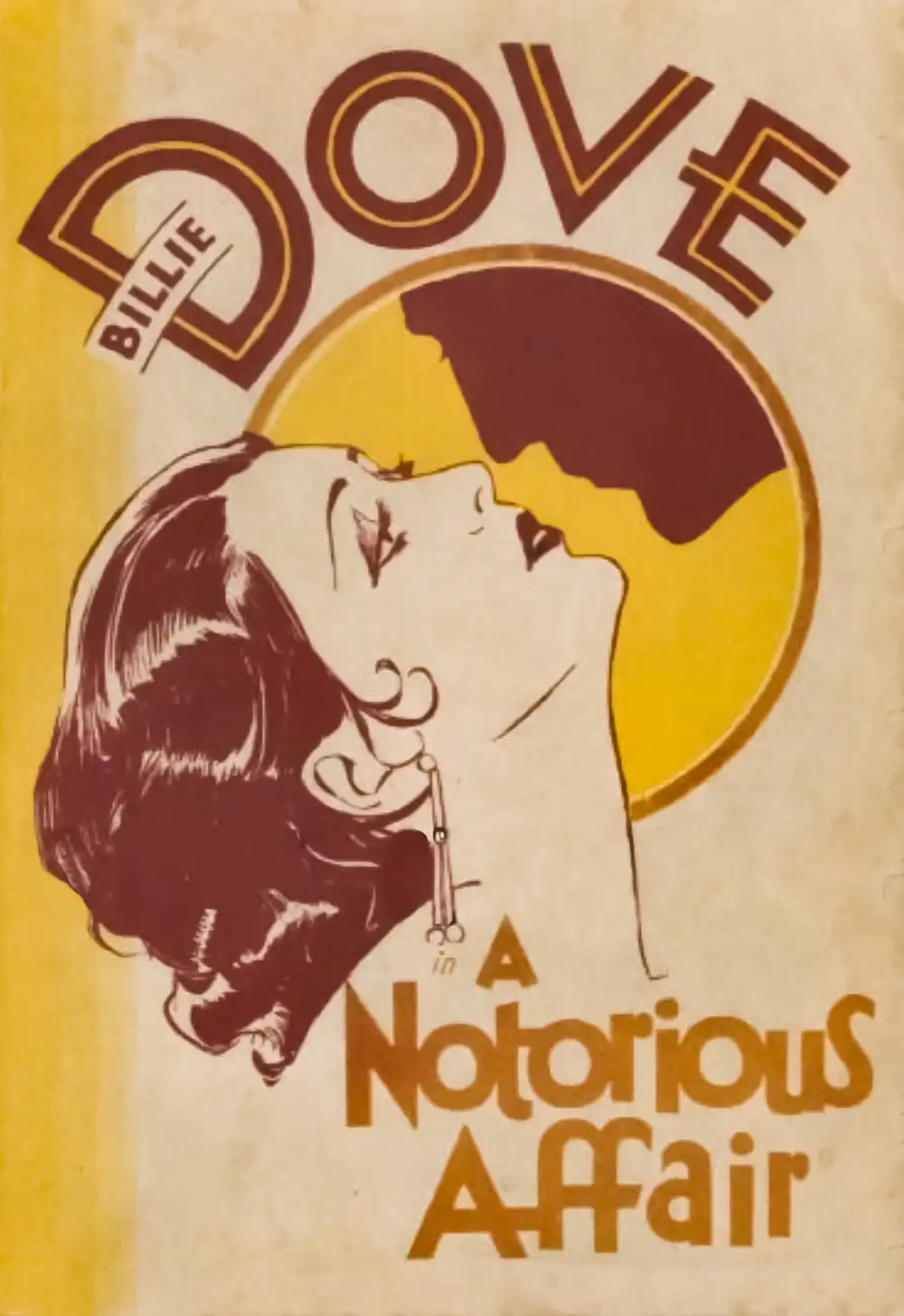
Comparing the cinematic DNA and archive impact of two defining moments in cult history.
John Gliddon
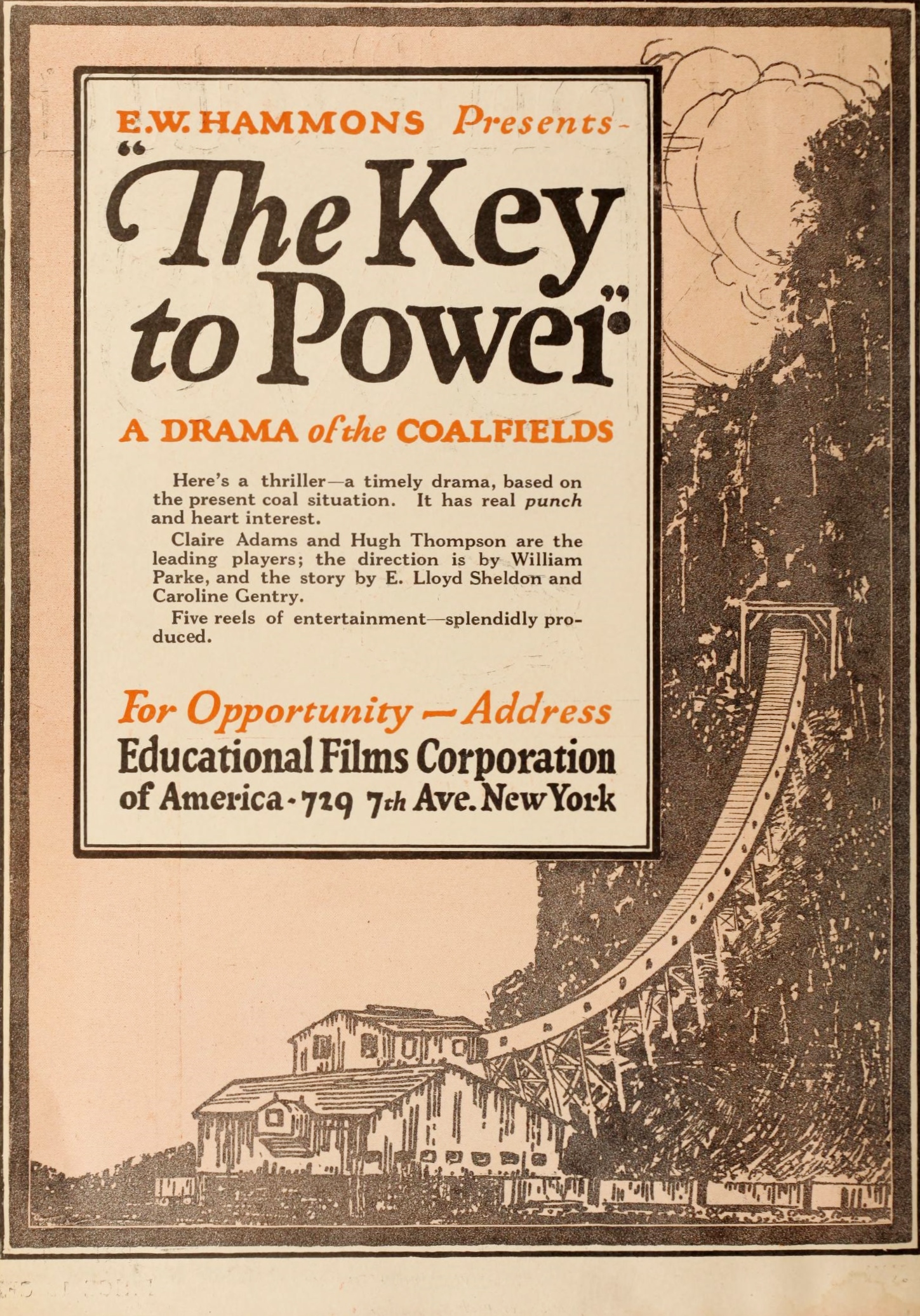
William Parke
Community
Log in to comment.
" p,ul,blockquote{margin:0 0 1.2rem} a{color:#0E7490;text-decoration:none;border-bottom:1px dotted} a:hover{color:#EAB308} h2{color:#C2410C;font-size:1.5rem;margin:2.5rem 0 1rem} strong{color:#EAB308;font-weight:600} Imagine, if you can, a film negative left to steep overnight in Atlantic brine; by morning the emulsion has swollen, silver halides clustering like barnacles, and every frame exhales salt, sacrament, sin. That is the celluloid organism we now call The Night Hawk, a 1921 British one..."
Henri De Vries
Eden Phillpotts, Gerard Fort Buckle
United Kingdom
Dallas M. Fitzgerald
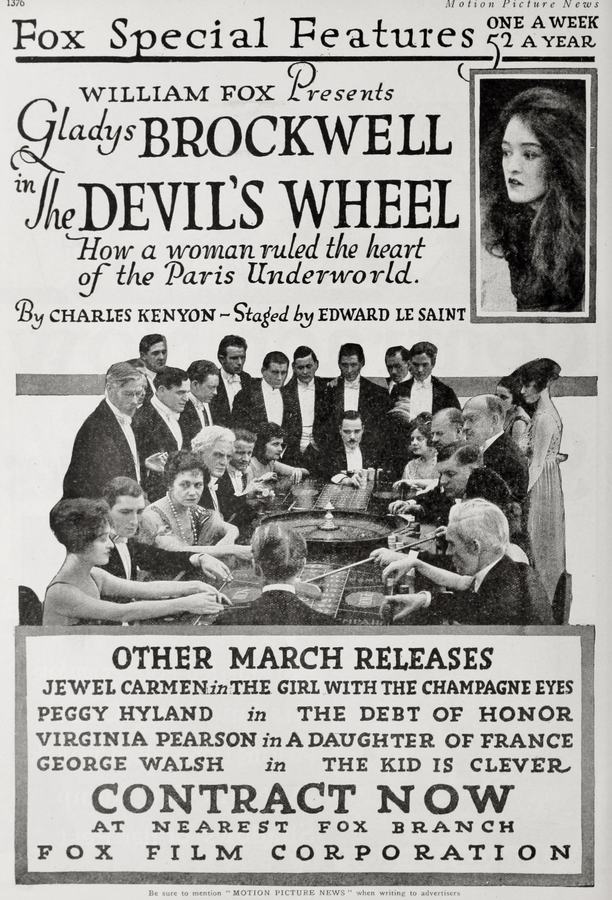
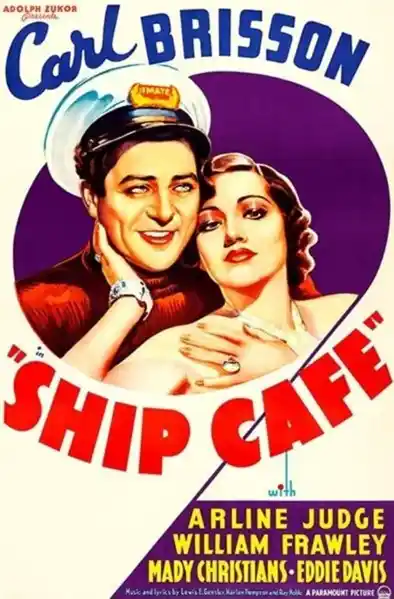
Deep dive into the cult classic
Discover similar cinematic experiences
A Directorial Spotlight on John Gliddon