DbcultAccessing Vault...
7.9/10
Senior Film Conservator
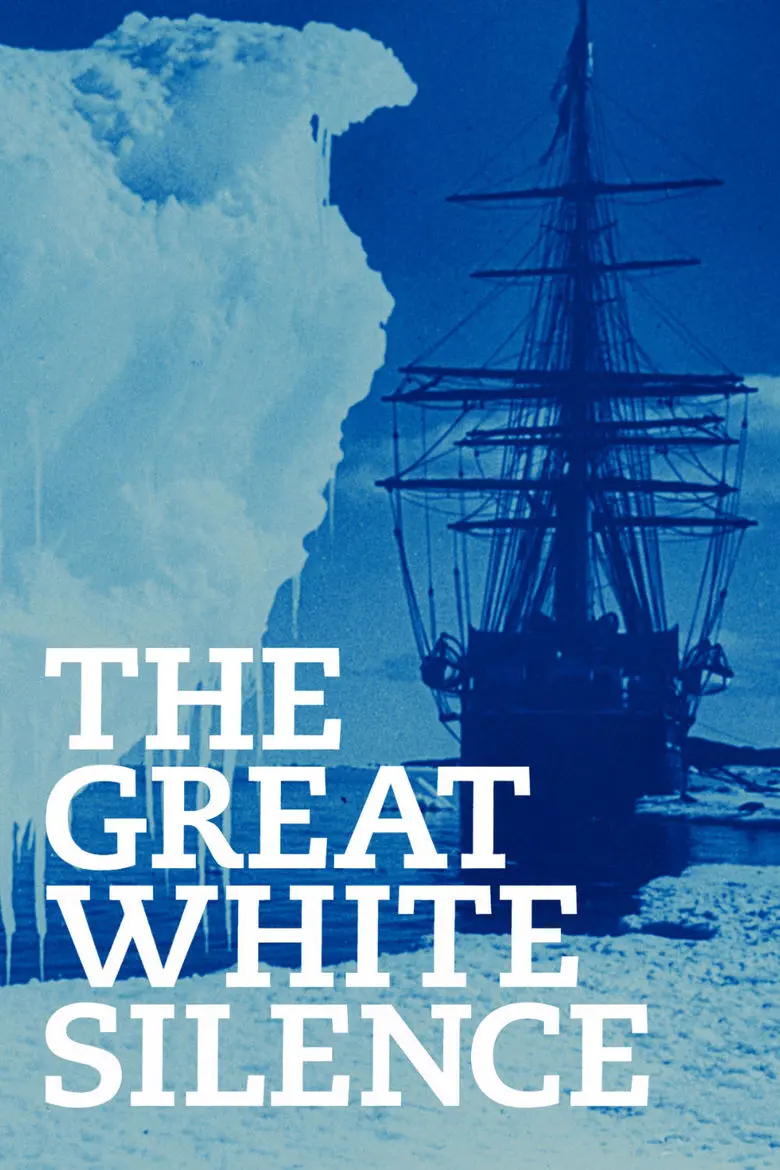
A definitive 7.9/10 rating for a film that redefined the boundaries of cult cinema. The Great White Silence remains a cornerstone of transgressive art.
To witness The Great White Silence is to step into a temporal rift. While many silent-era films like Love's Redemption or Komtesse Doddy rely on the artifice of the proscenium and the melodrama of the drawing room, Herbert G. Ponting’s work is an exercise in raw, existential confrontation. This is a film that breathes through the lens, capturing the very atmosphere of a world that, in 1910, was as alien to the public as the lunar surface. The restoration by the BFI has breathed new life into these frames, allowing the subtle blue and amber tints to evoke the shifting temperatures of the Antarctic soul.
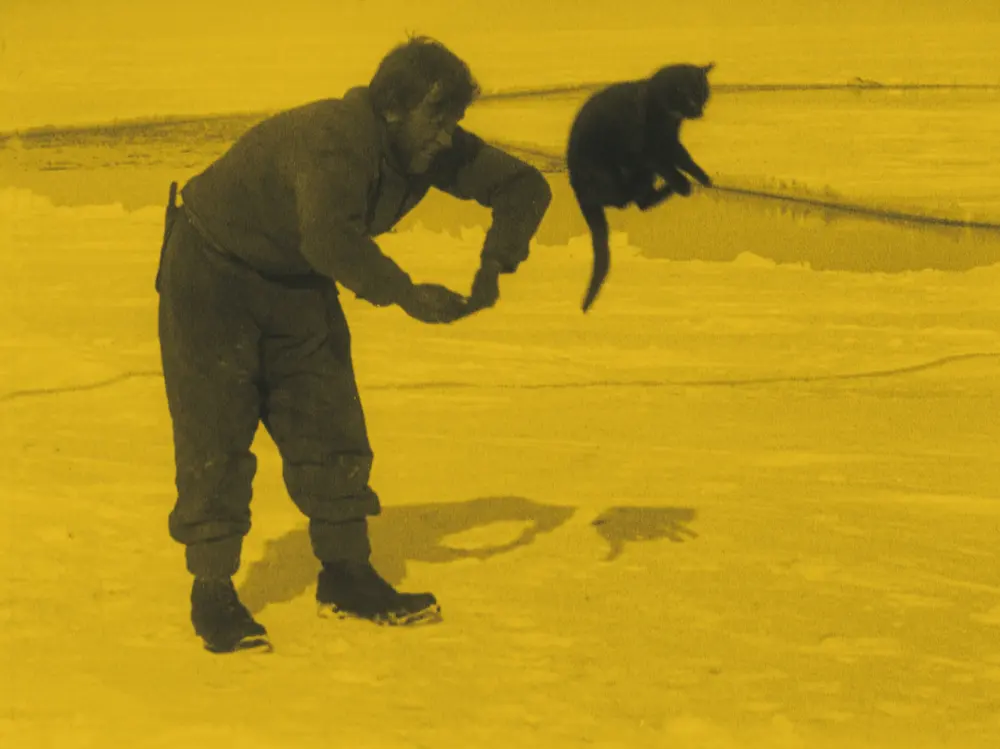
Ponting was not merely a cameraman; he was a visionary who understood that the camera could be a tool for both empirical observation and poetic expression. Unlike the staged historical recreations found in Drama na okhote, every flake of snow and every strained muscle in this footage carries the weight of absolute reality. The narrative arc is inherently tragic, yet the film spends a significant duration in a state of wonder. We see the crew of the Terra Nova engaged in what seems like a grand adventure, a sentiment starkly different from the buffoonery depicted in modern survival parodies like Almost Heroes.
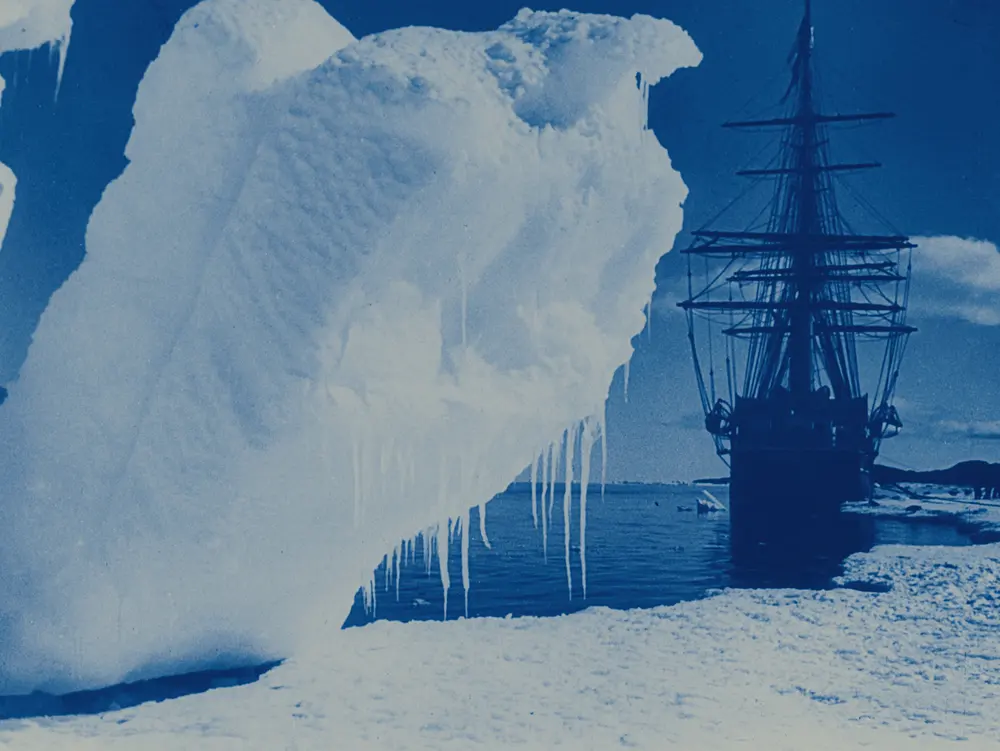
The technical prowess required to capture these images cannot be overstated. Ponting lugged his heavy, hand-cranked cameras across shifting ice floes, often risking his life to secure a specific angle. One particularly breathtaking sequence involves the ship breaking through the pack ice—a rhythmic, grinding assault that feels visceral even a century later. The use of long lenses to capture the killer whales and the almost choreographed movements of the penguins provides a biological depth that was unprecedented for its time. It lacks the theatricality of Colombine, opting instead for a documentary purity that feels strikingly modern.
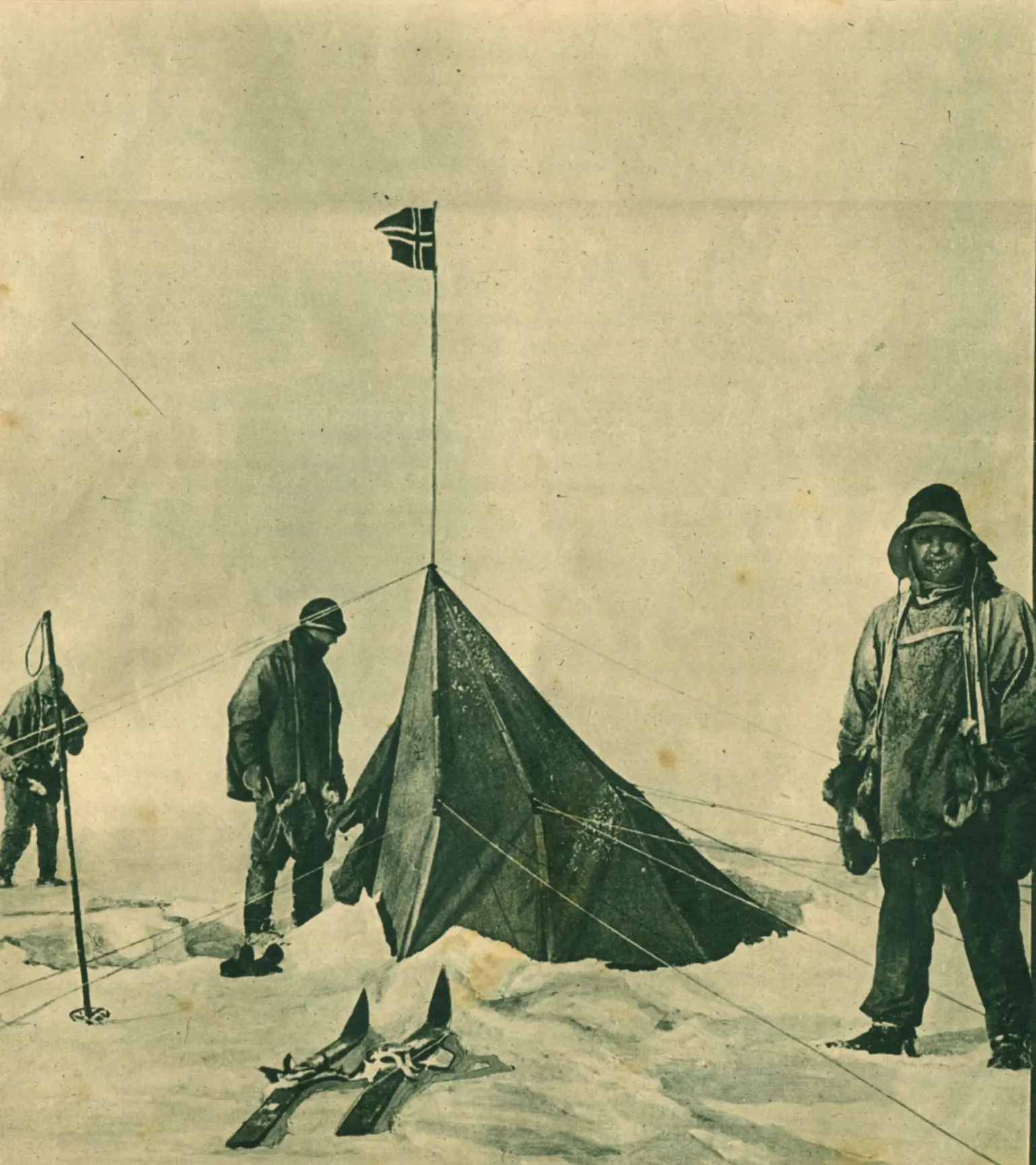
"The camera does not just record the cold; it seems to emanate it, turning the screen into a window onto a forgotten purgatory."
In comparing the film to early 20th-century narratives like The Primrose Ring, one notices the absence of sentimentality. While fiction films of the era were often preoccupied with moral lessons, Ponting’s lens is indifferent. It records the death of a pony or the struggle of the sled dogs with the same dispassionate clarity as it records the aurora australis. This creates a sense of dread that permeates the later chapters of the film, as the expedition moves beyond the reach of the camera's eye and into the realm of diary entries and frostbitten letters.
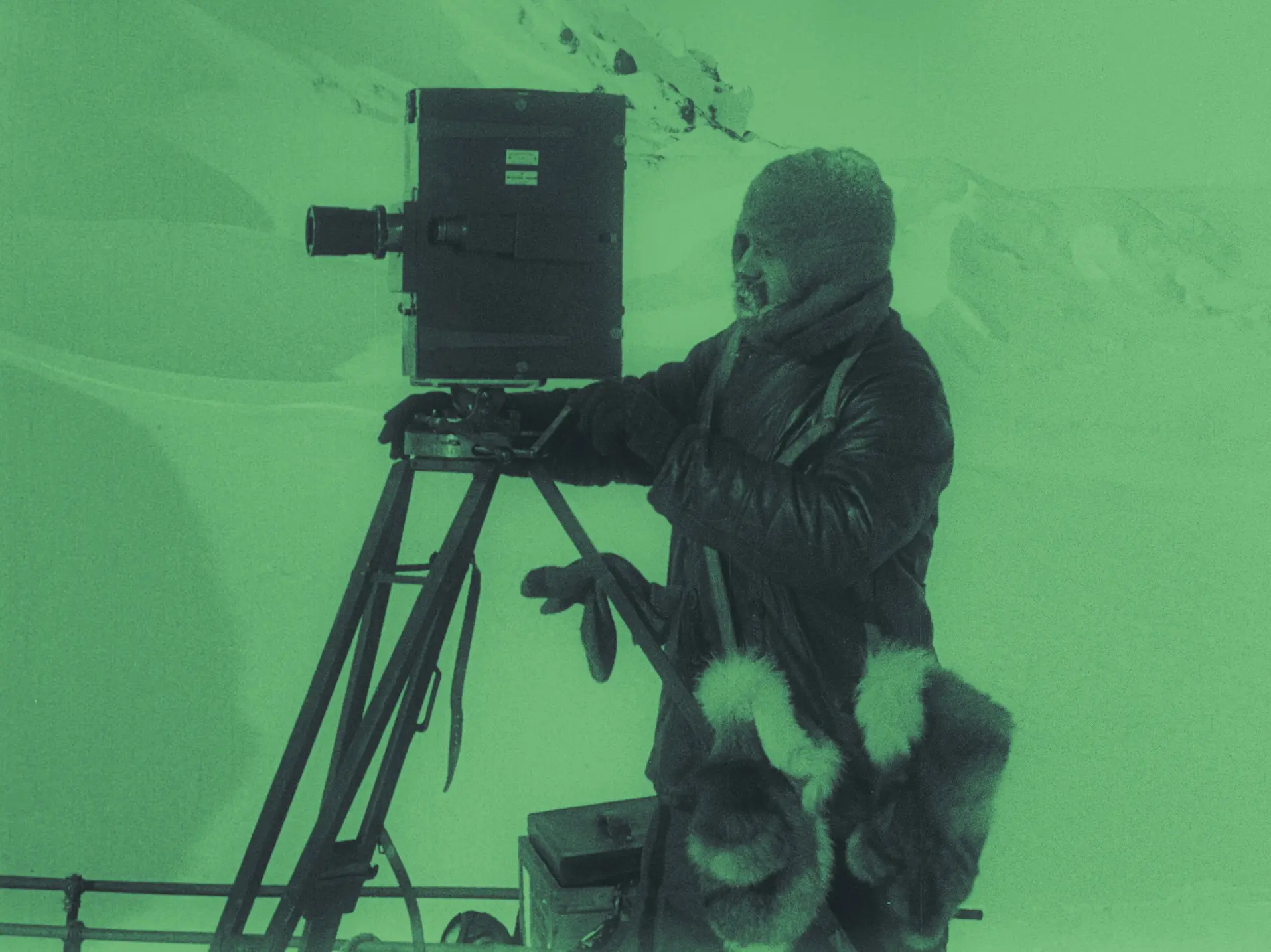
The most profound aspect of The Great White Silence is the way it handles the human element. Captain Robert F. Scott is presented not as a cinematic hero, but as a man of his time—stoic, methodical, and perhaps dangerously optimistic. We see the men preparing their rations, testing their equipment, and smiling for the camera, unaware that these frames would become their visual epitaphs. There is a haunting quality to their movements; they appear as ghosts even before they have perished. This spectral quality is far more effective than the deliberate horror of Forbandelsen or the religious fervor of Die Teufelskirche.
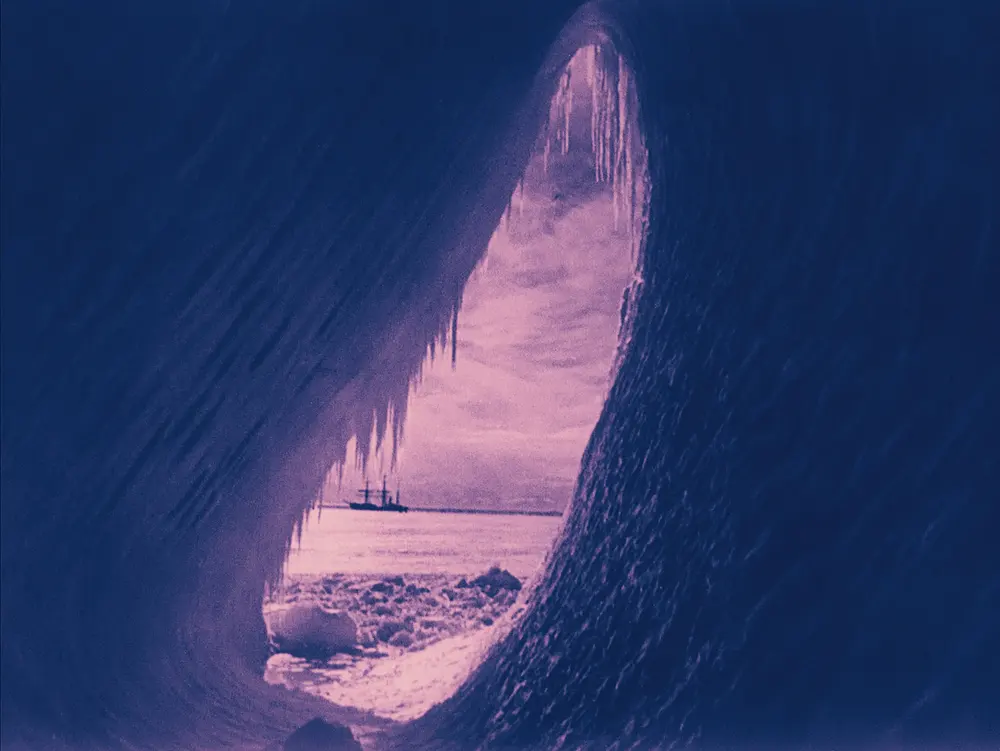
The film’s structure—moving from the vibrant life of the New Zealand docks to the monochromatic desolation of the Pole—mirrors the narrowing of the men’s world. The vastness of the Antarctic becomes a character in itself, an antagonist that doesn't need to speak to convey its menace. Unlike the social critiques found in Railroaded or the historical conflicts in El último malón, the conflict here is elemental. It is man versus entropy.
As the film concludes with the news of the expedition's failure and the discovery of the bodies, the silence of the medium becomes its most powerful asset. The intertitles, which previously provided scientific context, now read like funeral rites. The absence of sound amplifies the isolation. While films like Crashing Through to Berlin utilized the medium for propaganda and kinetic energy, The Great White Silence uses it for contemplation. It is a slow cinema before the term existed, demanding that the viewer sit with the cold and the dark.
Even when compared to other ethnographic or travelogue films such as The Indian Wars, Ponting’s work stands out for its lack of artifice. There is no attempt to 'perform' the Antarctic; the landscape is too large for performance. The film occupies a space between the educational intent of Hoppla, Herr Lehrer and the aesthetic elegance of Der Tänzer, yet it surpasses both by virtue of its stakes. The lives lost are the price paid for these images, making every frame a relic of immense value.
In the pantheon of early cinema, few works remain as potent and as visually arresting as The Great White Silence. It is a testament to the power of the image to preserve what the world has lost. While the Edwardian world that birthed it has long since vanished, the ice remains—though now it is we who threaten the ice, rather than the ice threatening us. This reversal of roles adds a layer of contemporary melancholy to the viewing experience. Ponting’s masterpiece is not just a film about an expedition; it is a film about the limits of human ambition and the terrible, beautiful indifference of the natural world.
For those accustomed to the fast-paced narratives of modern cinema, or even the witty banter of a film like Piccadilly Jim, this documentary requires a shift in perspective. It asks for patience. It asks for the viewer to feel the wind through the silence. In doing so, it offers a cinematic experience that is as profound as it is chilling. It is a monumental achievement in the history of the moving image, a bridge between the Victorian past and the modern documentary, and a haunting reminder of the cost of discovery.
IMDb 5.2
1930
Community
Log in to comment.