DbcultAccessing Vault...
Cult Review
Senior Film Conservator
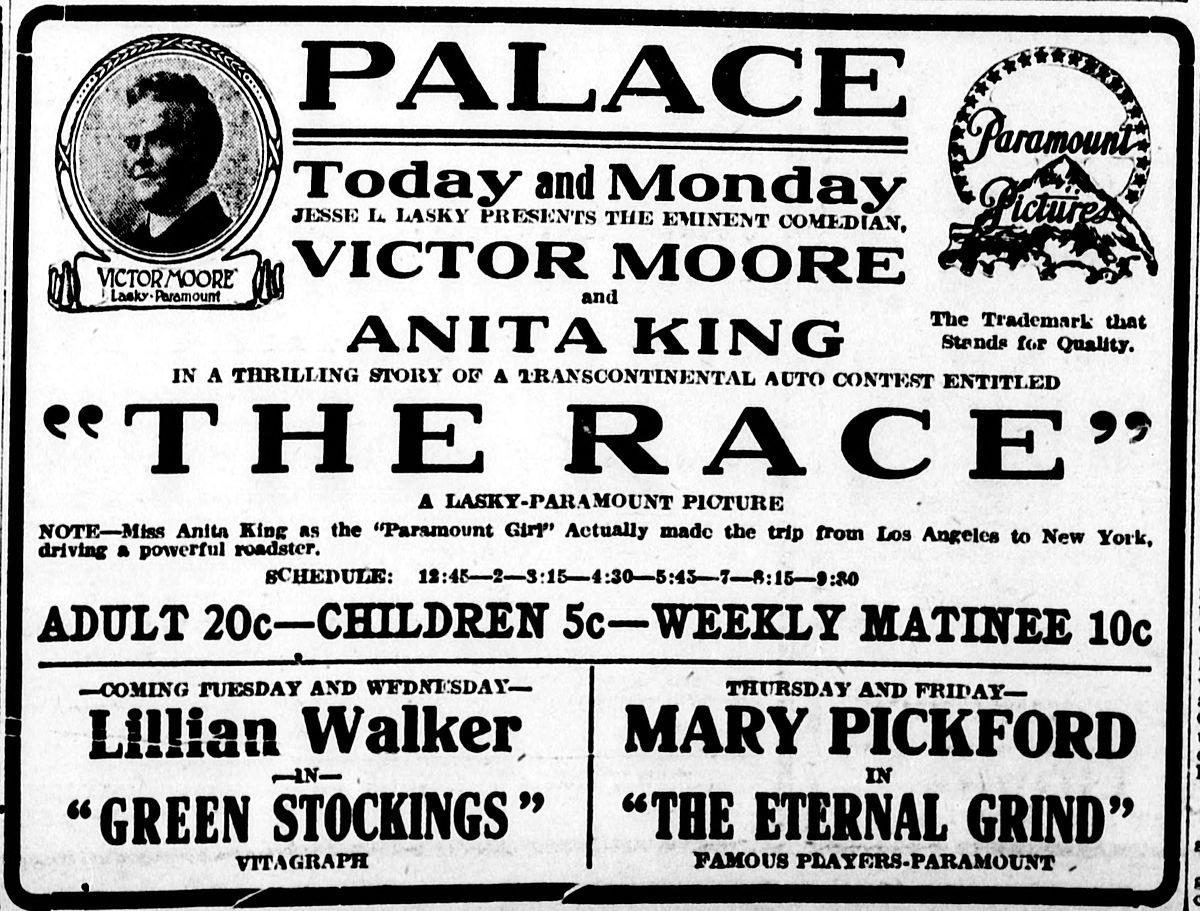
The first thing that strikes you about The Race is the noise it makes without making any at all. In the vacuum left by missing intertitles, the images themselves combust: spanners clatter in contrapuntal rhythm against girder-light, exhaust pipes exhale ghost-clouds that look like cigar smoke blown by titans. Director Robert N. Bradbury, usually saddled with westerns, here swaps horses for horsepower and stages a cross-country fever dream that feels like Fritz Lang’s Spione re-cut by a Detroit assembly-line foreman.
Horace B. Carpenter’s patriarch James Grayson Sr. appears only long enough to slam a mahogany door, yet his shadow—top hat, ebony cane, the odor of old money—lingers like a coal stain across every subsequent frame. Disinheritance, in this universe, is less a legal formality than a centrifugal sling, hurling Jimmy (a buoyant, baby-faced William Dale) from marble porticoes straight into the fungal half-light of a basement garage where pistons glisten like the flanks of caged beasts.
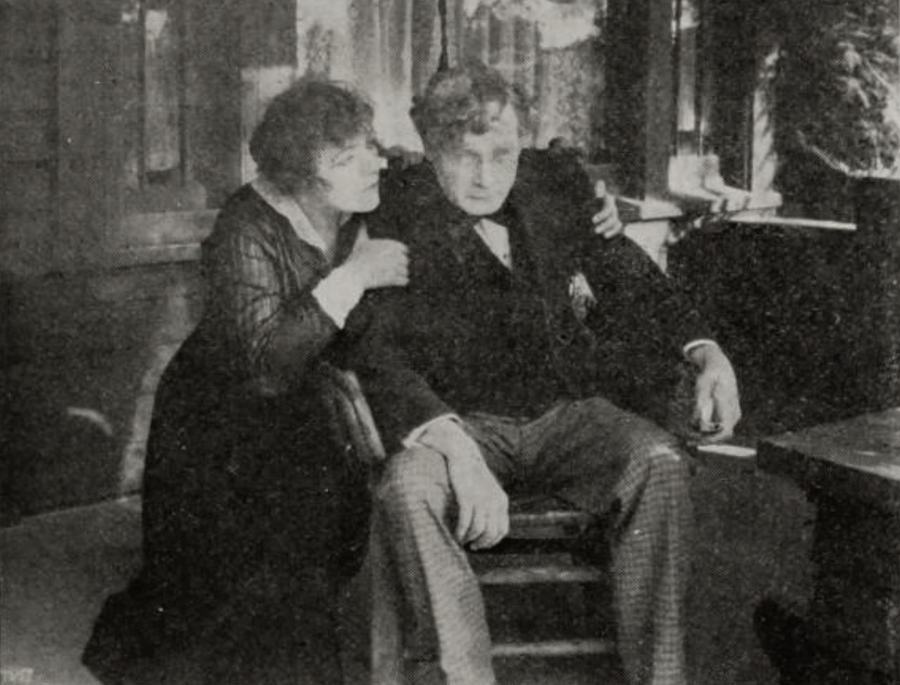
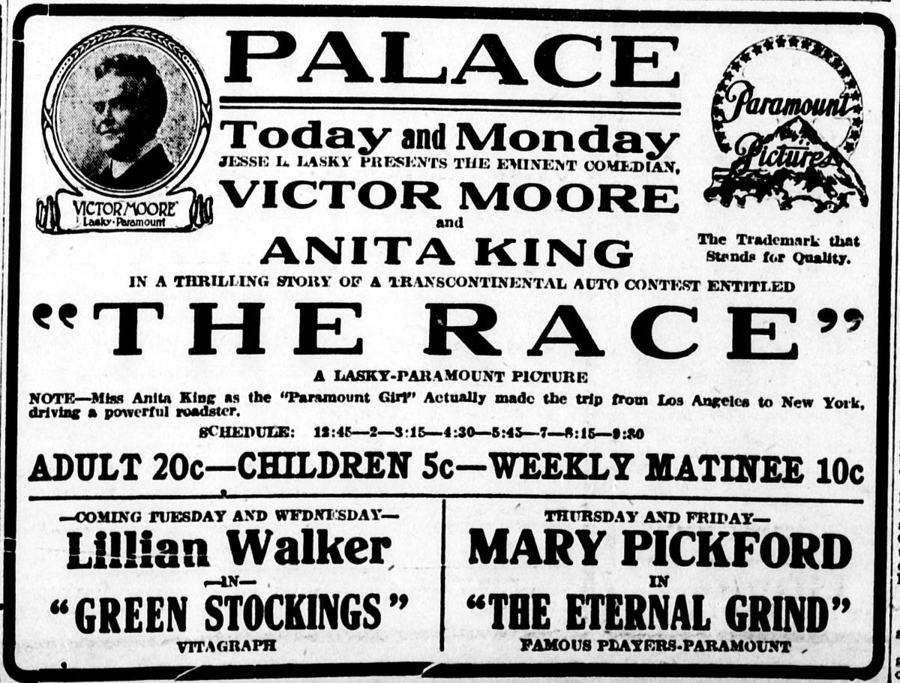
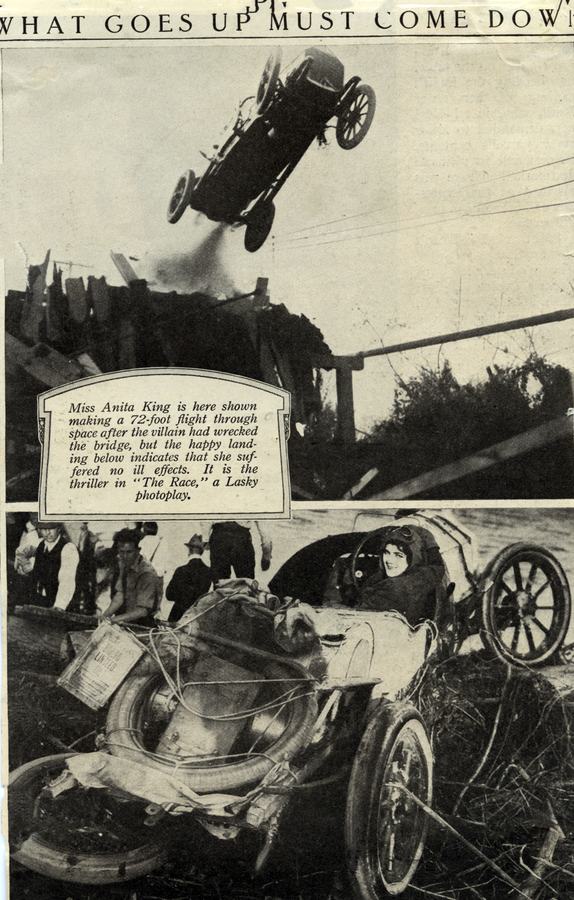
Enter Grace Van Dyke, chauffeuse nonpareil, played by Anita King—real-life race-driver and one of the few women who could back a Stutz Bearcat into a parking space the width of a coffin. King’s performance is all calibrated glances: a downward flick when Jimmy brags, a millimetric smile when the prototype engine catches on the first cough. She is the film’s gyroscope, quietly correcting every testosterone-heavy tilt toward self-destruction.
The screenplay, stitched together by Clinton Stagg and Hector Turnbull, refuses the standard melodramatic darning. Instead of pencilling a love triangle, it sketches a debt quadrangle: Jimmy owes ten-thousand; Grace’s father Andrew (Victor Moore, laconic and magnificent) owes the same shark; the engine patent is embryonic; the only artery of cash is a coast-to-coast derby whose newspaper posters scream like klaxons. The narrative piston thus fires four chambers at once, keeping tension at a red-line 6,000-rpm whine.
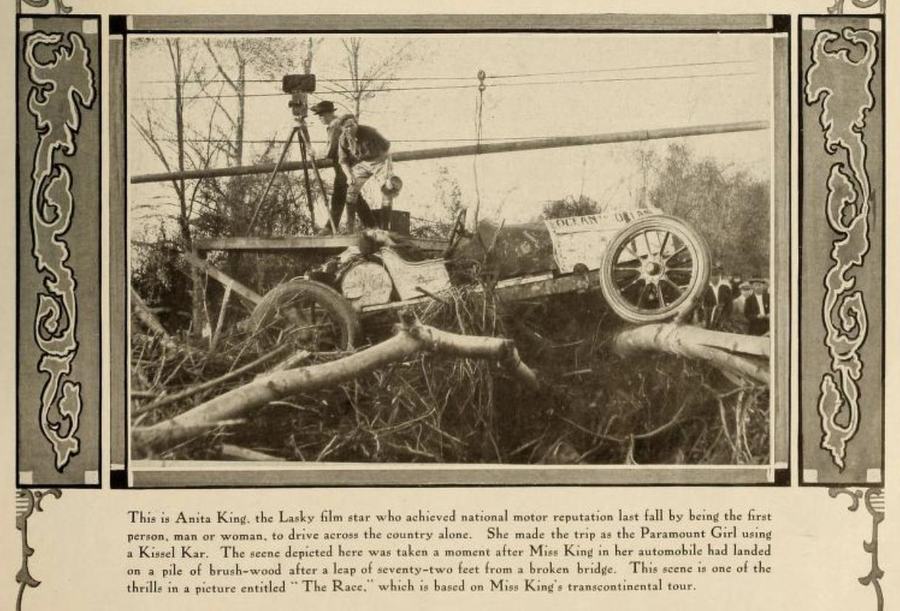
Visually, the picture invents grammar that sound cinema would not perfect for another half-century. A camera is strapped to the dashboard of a Hudson Super-Six, its lens raking across a blur of telegraph poles; the resulting footage, when intercut with tight close-ups of King’s gloved knuckles whitening on the gearstick, births a dialectic of speed and fragility. One frame shows cracked asphalt stretching like parched riverbeds, the next a single drop of sweat rolling down Jimmy’s neck—an Eisensteinian collision that makes your own pulse race in sympathetic vibration.
Compare this kinetic savagery with the more sedate Leah Kleschna, where the thrills are psychological lace, or the urban claustrophobia of The Strangler’s Grip, whose violence is interior as sewer gas. The Race flings its characters—and us—into the vertiginous openness of a continent still raw, still lethal, still promising the next bend might drop you into the Pacific.
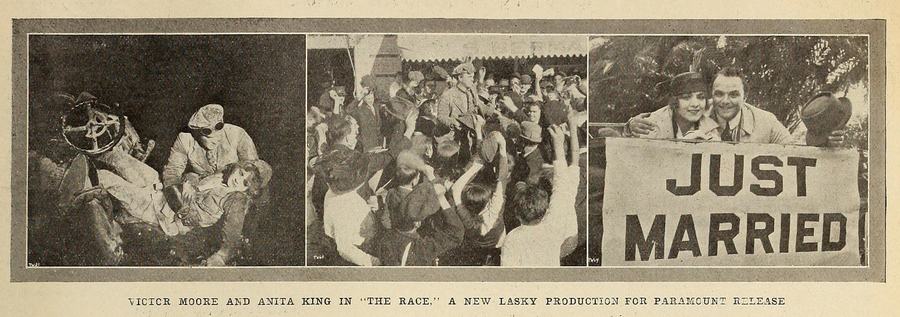
Gender politics, usually the Achilles heel of 1920s cinema, here get a surprising oil-change. Grace is never reduced to hood ornament; she navigates switchback grades with the same deftness she navigates male ego, and when the chequeered flag looms it is she—not the fallen prodigal—who seizes it. The film’s most radical gesture arrives when Jimmy, hearing of Andrew’s indebtedness, throttles back his own ambition and lets her pass. In that instant of self-inflicted defeat, masculinity is redefined not as conquest but as ceding the lane, a moment so quietly revolutionary it makes the last-minute rescue-by-patent feel almost redundant.
Ah, yes, the patent. Some viewers carp that the eleventh-hour arrival of legal documents and a royalty cheque is a deus-ex-machina bolt from the blue. Yet within the film’s moral algebra the timing feels sacramental. Jimmy’s incarceration at the finish line is a Stations-of-the-Cross tableau: wrists extended, flash-bulbs popping like thorns. The envelope descending from the ether is less narrative loophole than secular transfiguration, a reminder that capital itself can be grace if delivered by the right angel—postal or otherwise.
The supporting cast shimmer like heat-mirages. Ernest Joy’s cigar-chewing promoter, all teeth and cufflinks, is a walking anatomy of American hucksterism; Jane Wolfe’s society columnist flits through speakeasy doors trailing feathers and whispers, a harbinger of the paparazzi age. Even the bit-part drivers—goggled, leather-lunged—register as distinct species in this asphalt Serengeti.
Restoration-wise, the current 4K transfer from a surviving 35mm nitrate print is a revelation. Grain swarms like fireflies in night-driving sequences, yet the sea-blue night sky above Utah’s salt flats retains a velvety solidity. The colour-tinting—amber for day interiors, cyan for dusk, rose for the final clinch—respects contemporary lab notes discovered in a 1923 Motion Picture News spread, so the hues feel archival, not Instagrammed.
Score? The Blu-ray offers two options: a traditional ragtime pastiche and a brash new composition by the Alloy Orchestra. Opt for the latter: clanging brake-drums become percussion, carburettors become woodwinds, and when the orchestra drops to a single heartbeat drum at Jimmy’s moment of surrender, the silence roars louder than any trumpet.
Comparative footnote: fans of Frank Capra’s later social comedies will detect a pre-echo of populist optimism, yet Capra never allowed his heroes to win by losing. The Race dares that paradox, making it feel closer in spirit to the self-immolating nobility of Camille or even the sacrificial pietà of Herod, though retooled for the jazz age.
Verdict: The Race is a nitro-boosted relic that leaves most contemporary blockbusters coughing in its dust. It marries the existential vertigo of 1910s serial cliffhangers with the emotional torque of 1970s New Hollywood, all while anticipating the feminist road sagas of Thelma & Louise. The finish-line fade-out—Jimmy in handcuffs yet grinning like a man who has outrun destiny—reminds us that victory is sometimes the moment you decide someone else deserves it more. Buckle up; you’ll exhale only after the final flicker.
IMDb —
1920
Community
Log in to comment.