DbcultAccessing Vault...
Cult Review
Senior Film Conservator
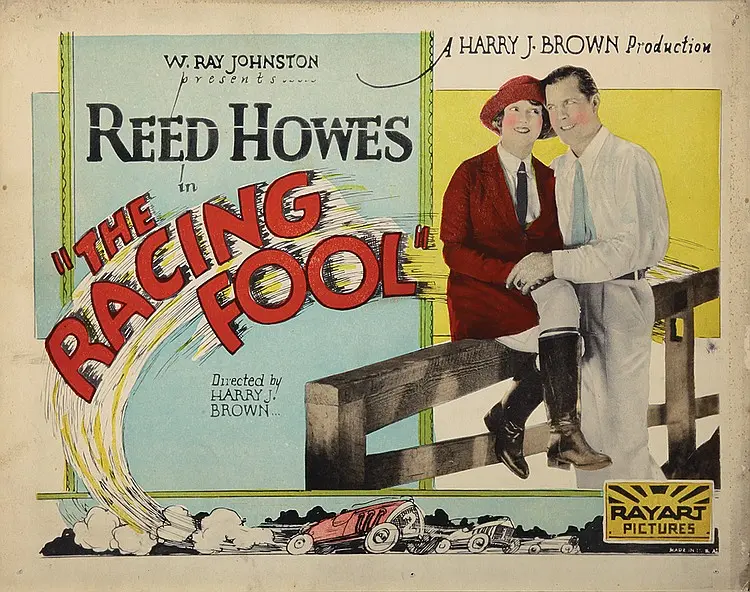
Is The Racing Fool a forgotten silent film gem worth unearthing today? For aficionados of early cinema, particularly those fascinated by the nascent days of automotive spectacle and melodrama, the answer is a qualified yes, but it demands patience and an appreciation for the era's narrative conventions. This 1927 feature, directed by George W. Pyper, offers a fascinating, if occasionally creaky, window into a bygone era of filmmaking and sport.
It's a film for those who appreciate the foundational storytelling techniques that paved the way for modern blockbusters, and for anyone with a keen interest in how silent pictures conveyed excitement and emotion without a single spoken word. However, if your cinematic palate leans exclusively towards contemporary pacing and dialogue-driven narratives, you might find its silent conventions a considerable hurdle.
Here’s the straight talk on The Racing Fool:
At its heart, The Racing Fool is a narrative about conflicted loyalties, set against the exhilarating backdrop of 1920s automobile racing. Reed Howes, as Jack Harlowe, embodies the quintessential silent film hero – earnest, athletic, and perpetually caught between duty and desire. His initial pledge to his father, a titan of the burgeoning automobile industry, to drive for the family's marque in the season's biggest race, forms the bedrock of his character's integrity.
This commitment is immediately complicated by the entrance of Helen Drake, portrayed by Ruth Dwyer, the daughter of his father's fiercest business rival. The immediate sparks between Jack and Helen introduce a classic Romeo-and-Juliet dynamic, albeit one where the feuding families vie for supremacy on the racetrack rather than the streets of Verona. Pyper deftly uses visual cues – longing glances, hesitant smiles – to establish their burgeoning romance, making the audience feel the weight of Jack's predicament.
The plot thickens with the introduction of Ernest Hilliard's character, the conniving suitor who not only has eyes for Helen but also plans to sabotage the Drake family's racing efforts by deliberately throwing the race. This twist elevates the narrative beyond a simple family rivalry, transforming it into a battle for honor and fair play. Jack's subsequent decision to seek his father's permission to race for the rival, not to win for his own family but to prevent a grave injustice, is the film's most compelling narrative beat. It speaks volumes about the character's moral compass, a quality that transcends the silent era's often simplistic portrayals.
Silent film acting is a unique beast, often misunderstood by modern audiences. It requires a physicality and expressiveness that can sometimes appear exaggerated, yet within its own context, it's a powerful form of communication. Reed Howes, a prominent action hero of the era, delivers a performance that is both athletic and emotionally resonant. His Jack Harlowe is less a stoic figure and more a man wrestling with internal turmoil, conveyed through furrowed brows, decisive gestures, and a palpable tension in his posture.
Consider the scene where Jack learns of the plot to throw the race. Howes doesn't need dialogue; his wide eyes, the sudden clenching of his fists, and the rapid shift from concern to righteous anger are perfectly legible. It's a masterclass in non-verbal communication, a skill that many contemporary actors could learn from. His sincerity anchors the film's emotional core.
Ruth Dwyer, as Helen Drake, brings a charming vulnerability to her role. While her character is somewhat archetypal – the damsel in distress, the object of affection – Dwyer imbues Helen with enough spirit to make her more than just a plot device. Her reactions to Jack's dilemmas and her own father's struggles are conveyed with an understated elegance that contrasts nicely with the more overtly villainous portrayal by Ernest Hilliard. Hilliard, for his part, leans into the mustache-twirling villainy expected of the era, providing a clear antagonist whose nefarious intentions are never in doubt.
The supporting cast, including James Bradbury Sr. and Miles McCarthy as the rival fathers, effectively establish the corporate and familial stakes. Their stern expressions and gestures of paternal authority contribute significantly to the film's central conflict, providing the necessary gravitas to Jack's moral tightrope walk. Billy Franey, often known for comedic roles, likely adds a touch of levity, though the plot summary doesn't detail his specific contribution, one can assume his presence would lighten the mood in transitional scenes.
George W. Pyper’s direction in The Racing Fool is a fascinating study in early cinematic technique. He understands the power of the automobile race as a spectacle, and it’s in these sequences that the film truly comes alive. The camera, likely mounted on moving vehicles or positioned strategically trackside, captures the raw speed and danger of the era's racing. Pyper employs rapid cuts and dynamic angles during these moments, creating a palpable sense of excitement that can still thrill viewers almost a century later.
The exhilaration of the race scenes is a stark contrast to the more static, stage-like compositions used for dramatic dialogue and exposition. This contrast, while typical of the era, can feel jarring to modern eyes. Close-ups are used sparingly but effectively, often to emphasize a character's emotional state or a crucial plot point, such as a look of betrayal or a moment of realization. Pyper’s choice to hold on Jack’s determined face as he makes his final, crucial decision before the race is particularly impactful.
Compared to more celebrated directors of the time, Pyper might not have achieved the poetic grandeur of a F.W. Murnau or the intricate editing of a D.W. Griffith, but he demonstrates a clear understanding of genre conventions and how to deliver on audience expectations for action and melodrama. His work here feels practical and effective, prioritizing narrative clarity and spectacle where it matters most. One might compare his approach to the straightforward, narrative-driven style seen in films like Greased Lightning, another racing-themed picture, focusing on the immediate thrill rather than deep psychological exploration.
In a silent film, intertitles are not merely dialogue cards; they are an integral part of the narrative, dictating pacing, conveying internal thoughts, and setting the scene. In The Racing Fool, the intertitles by George W. Pyper (also credited as writer) are generally concise and effective, pushing the story forward without bogging down the visual flow. They provide crucial context for the rivalries, the romance, and the nefarious plot, ensuring that the audience remains fully engaged with the unfolding drama.
The artistry of intertitle writing is often overlooked, but a poorly written title can break immersion. Here, they strike a balance, providing just enough information to clarify motivations or advance the plot without over-explaining. This reliance on text, combined with the actors' expressive performances, creates a unique viewing experience where the audience actively participates in constructing the emotional landscape of the story. It works. But it’s flawed.
Despite its age, The Racing Fool touches upon themes that remain surprisingly relevant. The conflict between familial loyalty and personal integrity is timeless. Jack's struggle to uphold his promise while also doing what is morally right speaks to universal dilemmas. The film also, perhaps inadvertently, highlights the cutthroat business side of early auto manufacturing, where corporate rivalries could spill onto the racetrack and influence personal lives. This adds an interesting layer of social commentary to what might otherwise be a straightforward melodrama.
The idea of an individual standing against injustice, even if it means defying expectations or crossing traditional lines, is a powerful one. Jack's decision to race for the rival team, not out of disloyalty but out of a higher sense of justice, is a strong moral statement. It's a surprisingly nuanced portrayal for a film of its era, which often preferred clear-cut heroes and villains. This makes Jack a more complex and ultimately more admirable character than many of his silent-era contemporaries. It reminds me of the underdog spirit in films like The Busher, where personal ethics triumph over external pressures.
Yes, for the right audience, The Racing Fool is absolutely worth watching. It offers a genuine thrill in its racing sequences. The story, while melodramatic, is engaging. It's a valuable historical document of silent cinema. The film provides insight into early filmmaking techniques. It’s a good example of how stories of loyalty and romance were told without sound. It's not for everyone, but it holds its own for fans of the genre.
The Racing Fool is far from a perfect film, but its imperfections are part of its charm and historical value. It’s a compelling example of silent-era storytelling that, when approached with an open mind and an appreciation for its context, delivers genuine thrills and a surprisingly thoughtful exploration of ethics. While its melodramatic leanings and deliberate pacing might not appeal to everyone, its central conflict and the sheer spectacle of its racing scenes make it a worthwhile watch for those willing to engage with the cinematic past. It is a solid, if not spectacular, entry into the annals of early cinema, proving that even without sound, a good story and a well-shot race can still capture the imagination.
IMDb —
1917
Community
Log in to comment.