DbcultAccessing Vault...
4.6/10
Senior Film Conservator
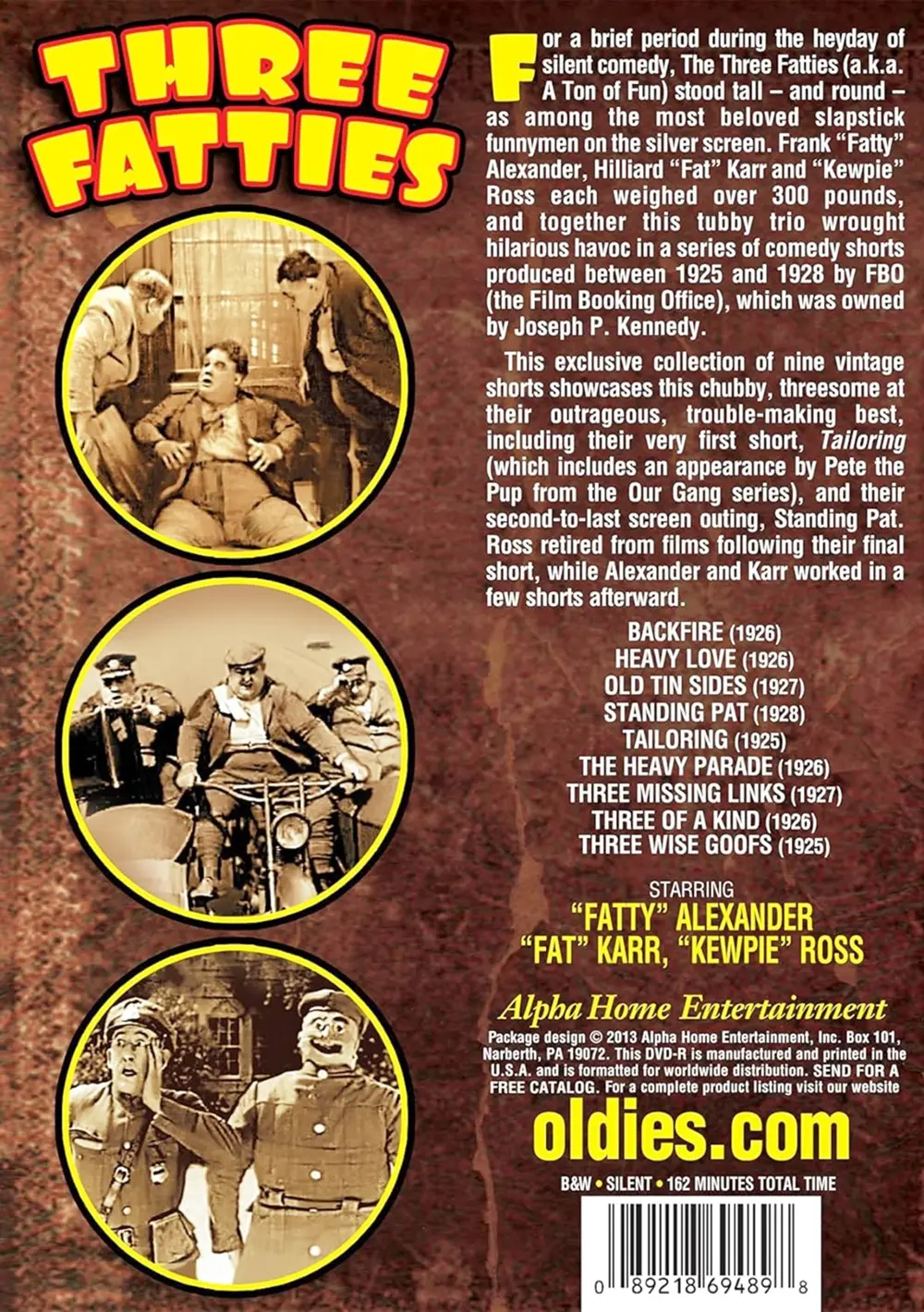
A definitive 4.6/10 rating for a film that redefined the boundaries of cult cinema. Three of a Kind remains a cornerstone of transgressive art.
Is Three of a Kind (1926) worth your time in the modern era? Short answer: yes, but only if you have an appetite for the specific brand of 'heavyweight' slapstick that defined the mid-1920s. This isn't a high-brow satire; it is a film built on the physics of failure and the comedic potential of social discomfort.
This film is for silent comedy enthusiasts and those interested in the 'Ton of Fun' trio's history. It is definitely NOT for viewers who require complex plot arcs or those who find repetitive physical gags tiresome. It is a relic that wears its simplicity on its sleeve.
1) This film works because the central premise of social embarrassment—being left with a bill you cannot pay—is a timeless anxiety that fuels the comedy effectively.
2) This film fails because the pacing in the second act relies too heavily on the novelty of the actors' sizes rather than clever choreography.
3) You should watch it if you want to see a rare example of the 'Ton of Fun' trio (Ross, Alexander, and Karr) operating at the height of their slapstick powers within a confined setting.
The opening of Three of a Kind sets a surprisingly cynical tone for a comedy. We see the uncle, a man who clearly values his wallet over his niece's dignity, navigating the nightclub with a performative arrogance. This isn't just a gag; it's a character study in the 'stingy relative' trope that was popular in silent shorts of the time.
When the uncle abandons Lois Boyd's character, the film shifts gears. The transition from the glitz of the dining room to the drudgery of the kitchen is handled with a bluntness that highlights the class divide. Unlike the more sentimental tone of The Waif, this film views labor as a punchline rather than a tragedy.
Boyd plays the 'straight man' to the impending chaos with a refined grace. Her performance provides a necessary anchor. Without her grounded reactions to the mounting debt, the subsequent arrival of the comedy trio would feel untethered from the story's reality.
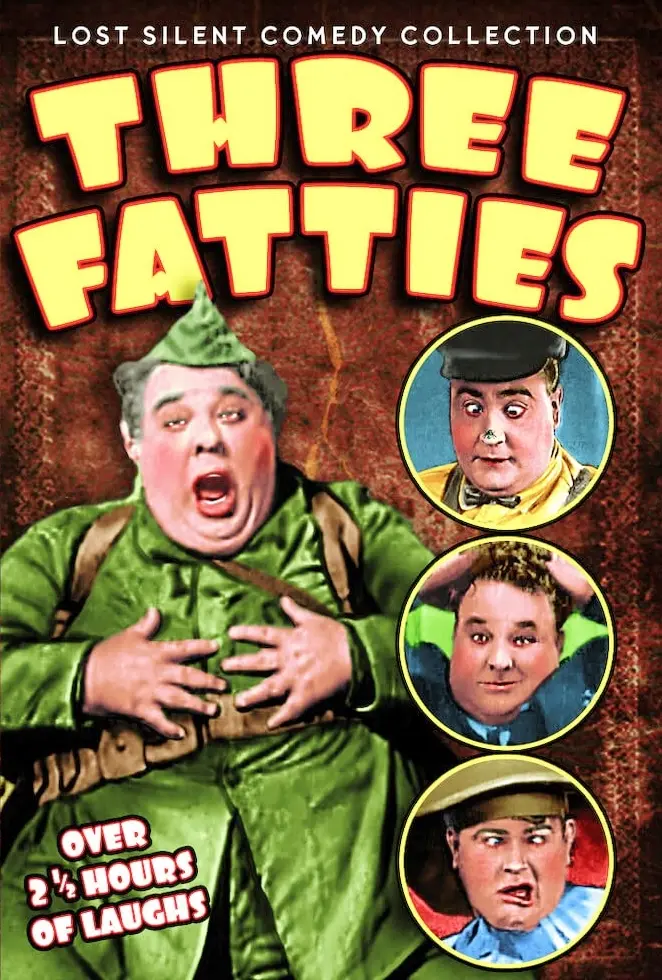
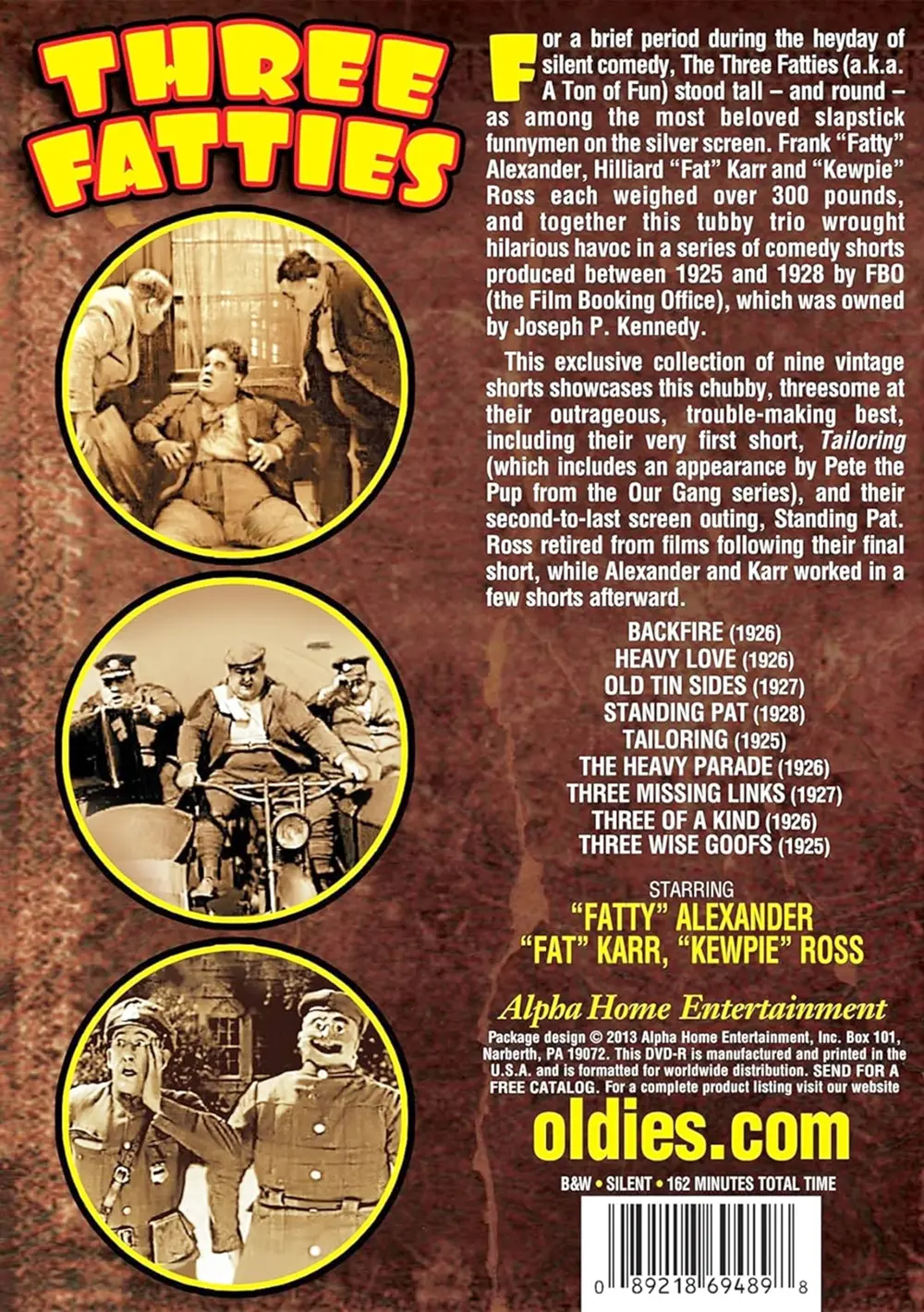
The introduction of 'Kewpie' Ross, Frank Alexander, and Hilliard Karr changes the film's DNA entirely. Known as the 'Ton of Fun,' these three actors were marketed specifically for their collective weight. In Three of a Kind, their inclusion as a 'refined' act for the club is the film's most successful irony.
Their performance is a disaster by design. One specific moment involves a failed attempt at a coordinated dance move that ends with a table of socialites being cleared by a stray limb. It’s a sequence that feels more visceral than the comedy in Faint Hearts.
The directing by the uncredited filmmaker relies on wide shots to capture the full scale of the destruction. There is a specific shot of the trio trying to navigate a narrow hallway that perfectly encapsulates the film's humor. It’s simple. It’s effective. It’s undeniably funny in its absurdity.
Three of a Kind is worth watching if you appreciate the historical evolution of the comedy troupe. While it lacks the narrative depth of Just a Woman, it excels as a pure exercise in escalating tension and physical payoff. It provides a window into 1920s nightclub culture and the era's obsession with 'larger-than-life' characters.
The climax of the film—the 'uproar'—is a chaotic symphony of 1920s slapstick tropes. We see the standard flying pies and tumbling furniture, but there’s a distinct edge to it. The club patrons aren't just inconvenienced; they are genuinely horrified by the intrusion of the trio's low-brow energy into their high-brow space.
This clash of classes is where the film finds its teeth. The destruction of the nightclub feels like a symbolic tearing down of the elite's playground. It’s a theme explored with more gravity in A Celebrated Case, but here it’s served with a side of seltzer water and pratfalls.
The pacing during the riot is breathless. The editor cuts between the trio's oblivious performance and the mounting rage of the waiter. It creates a rhythmic comedy that modern audiences might find surprisingly sophisticated in its timing, if not its content.
Technically, Three of a Kind is a standard product of its time, but it uses depth of field effectively in the nightclub scenes. You can often see the uncle's previous victims or future obstacles lurking in the background. This visual foreshadowing adds a layer of engagement for the attentive viewer.
The lighting in the kitchen scenes is intentionally harsher than the soft glow of the dining room. This visual distinction helps emphasize the niece's 'fall from grace' as she works off the bill. It’s a subtle touch in a film that is otherwise quite loud.
Compared to the visual experimentation in The Dream Cheater, this film is conservative. However, its conservatism serves the clarity of the gags. You always know exactly where the characters are in relation to the nearest breakable object.
The film features excellent physical performances, particularly from 'Kewpie' Ross. The premise is relatable, and the escalation of the nightclub riot is genuinely impressive for its era. It also serves as a great companion piece to Off the Trolley.
The middle section drags as the niece works in the kitchen. Some of the jokes regarding the actors' sizes feel dated and mean-spirited by modern standards. The resolution is somewhat abrupt, leaving several narrative threads hanging.
One surprising element of Three of a Kind is the agency of the niece. While she is a victim of her uncle, she is the one who initiates the hiring of her friends. She isn't just waiting to be rescued; she's actively trying to solve her financial crisis, even if her solution leads to total disaster. This is a subtle departure from the 'damsel in distress' trope seen in films like A Tale of the Far North.
Three of a Kind (1926) is a loud, messy, and occasionally brilliant piece of silent era slapstick. It works. But it's flawed. The film doesn't aim for the heart; it aims for the funny bone with a sledgehammer. While it may not have the poetic resonance of La marcia nuziale, it remains a potent reminder of why audiences fell in love with the 'Ton of Fun' in the first place.
A fascinating, if chaotic, relic of 1920s comedy that prioritizes destruction over decorum.
IMDb —
1918
Community
Log in to comment.