DbcultAccessing Vault...
6.3/10
Senior Film Conservator
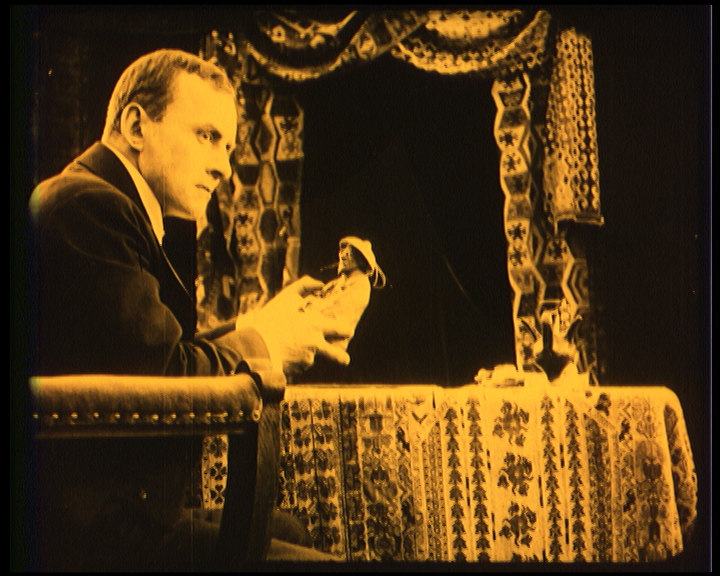
A definitive 6.3/10 rating for a film that redefined the boundaries of cult cinema. Der Mandarin remains a cornerstone of transgressive art.
To engage with Der Mandarin (1918) is to confront the ghosts of a vanishing empire. Directed by Fritz Freisler, this silent-era curiosity stands as a seminal monument to the burgeoning expressionist movement that would soon define the Weimar aesthetic. Unlike the more rugged, frontier-focused narratives such as The Luck of Roaring Camp, *Der Mandarin* retreats inward, burrowing into the subconscious anxieties of a Vienna caught between the opulence of the past and the encroaching shadow of modernity. The film is a textural marvel, utilizing the primitive technology of the time to create a chiaroscuro world where moral clarity is as elusive as the flicker of the celluloid itself.
The collaboration between Freisler and co-writer Paul Frank resulted in a script that functions more like a psychological trap than a traditional story. There is a palpable sense of ontological dread that permeates every frame. While other films of the era, such as The Love Tyrant, focused on the melodrama of interpersonal betrayal, *Der Mandarin* elevates its betrayal to a cosmic level. It asks not merely what we owe to those we love, but what we owe to the universe when we trade our integrity for a moment of perceived power. The titular figure, though draped in the problematic 'Orientalist' tropes of the early 20th century, functions less as a character and more as a mirror—a void into which the protagonist pours his own deteriorating ethics.
Harry Walden’s performance is a masterclass in the Delsartean method of silent acting, yet it possesses a nuanced restraint that feels remarkably modern. He portrays the descent into obsession with a physical fluidity that mirrors the shifting sands of the plot. Beside him, Hilde Radney provides a counterpoint of ethereal vulnerability. Their chemistry is not the saccharine romance found in Lone Star; rather, it is a symbiotic dance of desperation. Radney’s eyes, captured in tight, haunting close-ups, convey a silent scream that resonates long after the film has faded to black.
The supporting cast, featuring the likes of Carl Goetz and Cornelia Haszay, populates this grotesque landscape with a variety of archetypes that feel both familiar and alien. There is a theatricality here that surpasses the domestic tensions of A Suspicious Wife. Each movement is deliberate, each gesture a brushstroke on a canvas of existential despair. The ensemble succeeds in creating a cohesive atmosphere of unease, ensuring that the viewer never feels entirely safe within the narrative’s embrace. This is cinema as a ritual, a collective exorcism of the fears that plagued a society on the brink of total transformation.
Technically, *Der Mandarin* is a revelation of light and shadow. The cinematography, though restricted by the equipment of 1918, manages to evoke a sense of depth and mystery that rivals the later, more famous works of Murnau or Lang. The use of space is particularly striking—interiors feel like prisons, and exteriors feel like desolate, alien terrains. This visual claustrophobia is reminiscent of the emotional weight seen in Blessée au coeur, but with an added layer of supernatural artifice. The film doesn't just show a story; it constructs a nightmare.
The set design deserves its own dissertation. The juxtaposition of Viennese high-society architecture with the stylized, almost cartoonish 'Eastern' motifs of the Mandarin’s domain creates a jarring, uncanny effect. This is not historical accuracy; this is emotional accuracy. The film captures the feeling of being an outsider in one’s own life, a theme that echoes through the corridors of Pençe or the domestic tragedies of Magda. Every frame is saturated with a sense of impending doom, a visual synecdoche for the crumbling world outside the theater doors.
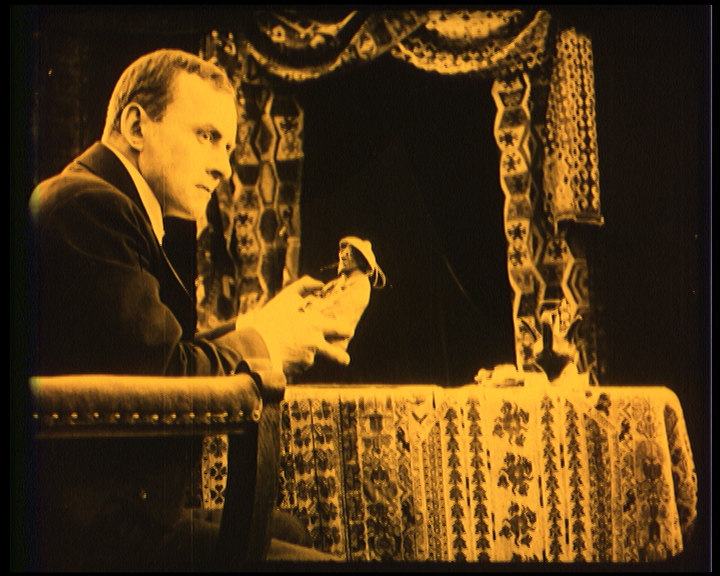
When comparing *Der Mandarin* to contemporary works like Angoisse, one notices a distinct difference in how suspense is handled. While *Angoisse* relies on the visceral reaction to fear, Freisler’s work relies on the intellectual realization of inevitable failure. It is a slower burn, a more calculated descent. The film shares a thematic DNA with The Hawk in its exploration of predatory relationships, yet it transcends the literal to become a metaphor for the human condition itself. The 'Mandarin' is the hawk, but he is also the sky, the wind, and the gravity that pulls the protagonist toward his end.
The pacing is surprisingly brisk for a film of its age. Fritz Freisler and Paul Frank understood the necessity of visual momentum. Even in moments of stillness, there is a kinetic energy beneath the surface. It lacks the somewhat static nature of Den farlige Haand, opting instead for a more fluid, almost musical editing style. This rhythm keeps the audience tethered to the screen, even as the plot ventures into increasingly bizarre territory. The writers managed to weave a tale that is as much about the silence between the words as the words themselves.
At its core, *Der Mandarin* is a morality play stripped of its religious safety nets. In the world of The Huntress of Men, there is a clear hunter and a clear prey. In Freisler’s vision, the roles are constantly shifting. The protagonist is both the victim of the Mandarin and the architect of his own demise. This complexity is what makes the film endure. It doesn't offer easy answers or a comforting resolution. Instead, it leaves the viewer with a sense of profound disquiet, similar to the lingering impact of The Iron Strain.
The film’s exploration of class and wealth is also remarkably prescient. The protagonist’s desire for the Mandarin’s power is a reflection of the burgeoning consumerism and the hollow promises of the industrial age. It shares a certain cynical outlook with One of Many, though it filters this through a lens of fantastic surrealism. The Mandarin’s wealth is not just money; it is a spiritual toxin that infects everything it touches. This is cinema as social critique, hidden behind the mask of a gothic fairy tale.
As we look back at the cinematic landscape of the late 1910s, *Der Mandarin* emerges as a pivotal work that bridged the gap between the theatrical past and the cinematic future. It possesses the whimsicality of Mister Smith fait l'ouverture but grounds it in a much darker, more resonant reality. It is a film that demands to be seen not as a museum piece, but as a living, breathing work of art that still has much to say about our contemporary world.
Ultimately, the journey through *Der Mandarin* is a journey through the human heart—a place of infinite beauty and terrifying darkness. Like the characters in At the Cross Roads, the figures in this film are forced to make choices that define their very essence. Fritz Freisler has crafted a masterpiece of silent cinema that remains as potent today as it was over a century ago. It is a haunting, beautiful, and deeply necessary exploration of what it means to be human in a world that is all too eager to sell us our own souls.
A definitive 5-star experience for the true cinephile.
IMDb 6.2
1932
Community
Log in to comment.