DbcultAccessing Vault...
Cult Review
Senior Film Conservator
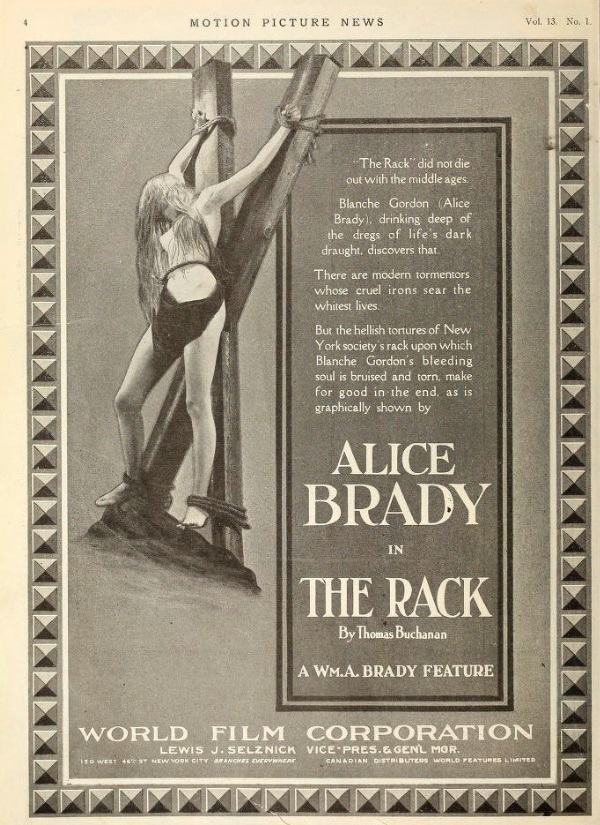
Stepping back into the hallowed halls of early cinema, one often encounters narratives that, despite their age and the technical limitations of their time, resonate with an astonishing contemporary relevance. Such is the case with Thompson Buchanan's The Rack, a 1918 silent film that, even a century later, continues to dissect the intricate anatomy of human relationships, moral failings, and the relentless pursuit of justice with a surgical precision that belies its vintage. This isn't merely a period piece; it's a timeless exploration of the consequences of infidelity, the agony of misunderstanding, and the redemptive power of sacrificial love, all wrapped in the dramatic flourishes typical of the era's compelling melodramas.
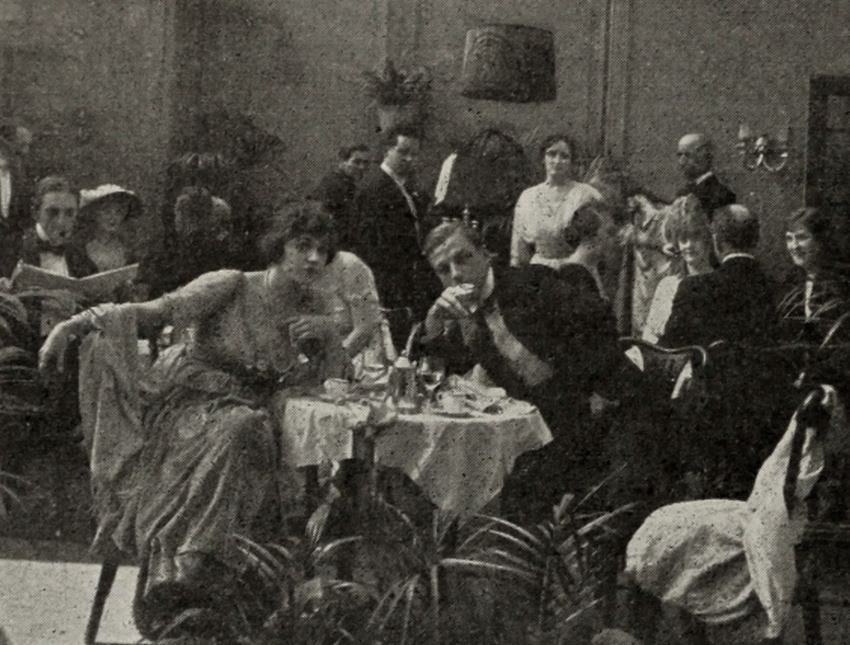
At its core, The Rack is a masterclass in escalating domestic turmoil, beginning with the dissolute character of Jack Freeman, portrayed with a certain rakish charm by George Cowl. Freeman is not merely unfaithful; he is a habitual transgressor, seemingly immune to the sanctity of marital vows. His casual flirtation with Effie McKenzie, a woman whose own marriage proves equally fragile, serves as the initial spark for a chain reaction of devastating events. Doris Kenyon embodies Effie with a coquettish allure that makes her a plausible object of Jack's wandering affections, yet her portrayal also hints at a deeper vulnerability beneath the surface, a woman perhaps seeking something she lacks within her own life, even if it means tearing down another's. The film masterfully sets the stage for disaster, not with grand pronouncements, but with the subtle glances and stolen moments that define Jack's escalating infatuation, demonstrating the insidious nature of infidelity.
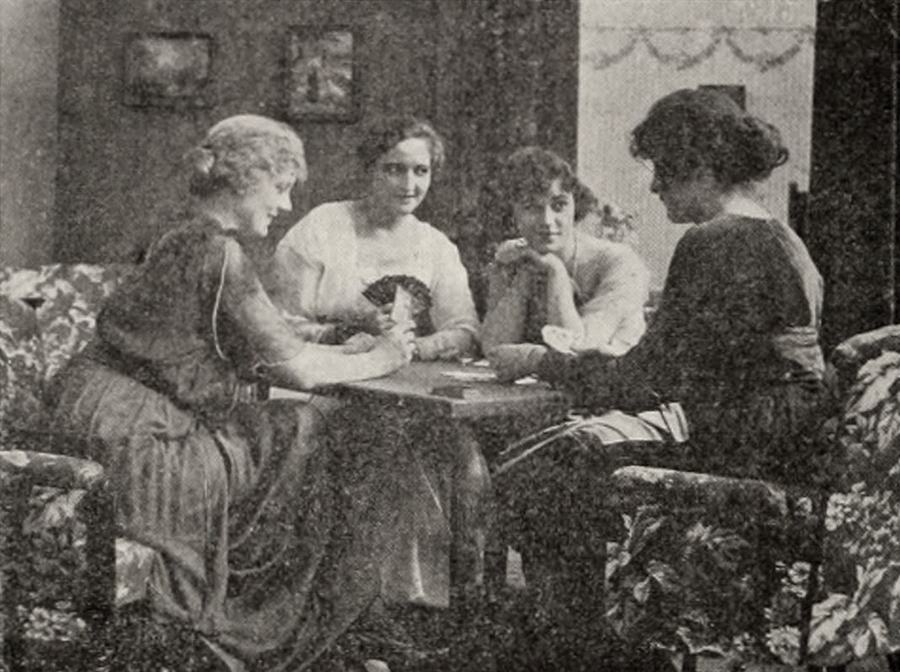
The narrative truly gains its emotional weight through the character of Blanche Gordon, brought to life with profound earnestness by Alice Brady. Blanche is not merely a friend to Jack's wronged wife, Louise; she is a moral compass, a beacon of integrity in a swirling sea of ethical ambiguity. Her repeated, impassioned pleas to Jack, urging him to abandon his reckless pursuit of extramarital affairs and embrace his responsibilities as a husband, form the ethical backbone of the film. Brady's performance, even in the silent era, conveys a depth of conviction that transcends the lack of spoken dialogue, her expressions and gestures painting a vivid portrait of a woman driven by a fierce sense of justice and compassion. These meetings, however well-intentioned, are tragically misinterpreted by Blanche's own husband, Tom, played by Chester Barnett. Barnett’s portrayal of Tom is a study in escalating paranoia and wounded pride. His insistence on a separation, born from a devastating misreading of Blanche’s altruistic motives, casts a long, dark shadow over their own seemingly stable marriage, adding another layer of heart-wrenching complexity to an already fraught situation. This particular plot device, the cruel irony of good intentions leading to personal catastrophe, is a staple of melodrama, and The Rack executes it with compelling effectiveness, reminiscent of the dramatic irony found in films like Cross Currents, where hidden truths and assumptions drive the personal conflicts.
The sudden, brutal murder of Jack Freeman pivots the film from a domestic drama into a gripping courtroom thriller. With all roads seemingly leading to Tom Gordon, the weight of circumstantial evidence becomes a suffocating shroud, implicating him in a crime he did not commit. This transition in genre is handled with a commendable shift in tone, as the film moves from the intimate spaces of drawing rooms and private conversations to the stark, unforgiving arena of legal judgment. The tension in these scenes is palpable, a testament to the storytelling prowess of Buchanan and the silent era's ability to build suspense through visual cues and the dramatic use of intertitles. The viewer is drawn into the agonizing dilemma, questioning not just who committed the act, but how justice can possibly prevail when appearances are so deceiving. The legal machinations, though simplified for the screen, serve their purpose in heightening the stakes, making the audience acutely aware of the precariousness of Tom’s situation.
The courtroom sequence is undoubtedly the film's dramatic zenith. Here, Alice Brady, as Blanche, delivers a performance of breathtaking emotional intensity. Her desperate, self-sacrificing attempt to claim responsibility for Jack's murder is a pivotal moment, not only for the plot but for the character development of Tom. This act of profound, unwavering love finally shatters the walls of Tom's suspicion and resentment, forcing him to confront the true depth of Blanche's devotion. It's a powerful portrayal of love's ability to transcend misunderstanding and bitterness, a realization that dawns upon Tom with the force of a revelation. Chester Barnett’s reaction in this scene is particularly moving, conveying the crushing weight of his past errors and the overwhelming force of his wife’s loyalty through subtle shifts in posture and expression. The narrative then builds to an almost unbearable crescendo, as Tom, now fully convinced of Blanche's love and determined to save her from a fate she doesn't deserve, prepares to confess to a crime he, too, did not commit. This double act of self-sacrifice elevates the film beyond mere melodrama, imbuing it with a profound sense of tragic heroism.
However, just as the emotional stakes reach their absolute peak, a surprising, yet narratively satisfying, twist pulls back from the brink of double tragedy. Effie McKenzie's husband, wracked by guilt and unable to bear the weight of his secret any longer, breaks down and confesses to being the true killer. This moment of truth, while perhaps a touch convenient in its timing, provides the necessary catharsis, allowing for justice to be served and for the innocent to be spared. Milton Sills, though perhaps not given as much screen time as the central quartet, delivers a powerful, albeit brief, portrayal of a man consumed by the consequences of his actions. His confession is not merely a plot device; it’s a moment of raw human vulnerability, a testament to the corrosive power of guilt. The relief that washes over the characters, and indeed the audience, is palpable. The eventual reunion of Tom and Blanche, forged in the crucible of such intense suffering and misunderstanding, is all the more poignant and earned. Their journey through doubt, separation, and near-tragedy culminates in a powerful affirmation of their bond, a testament to enduring love.
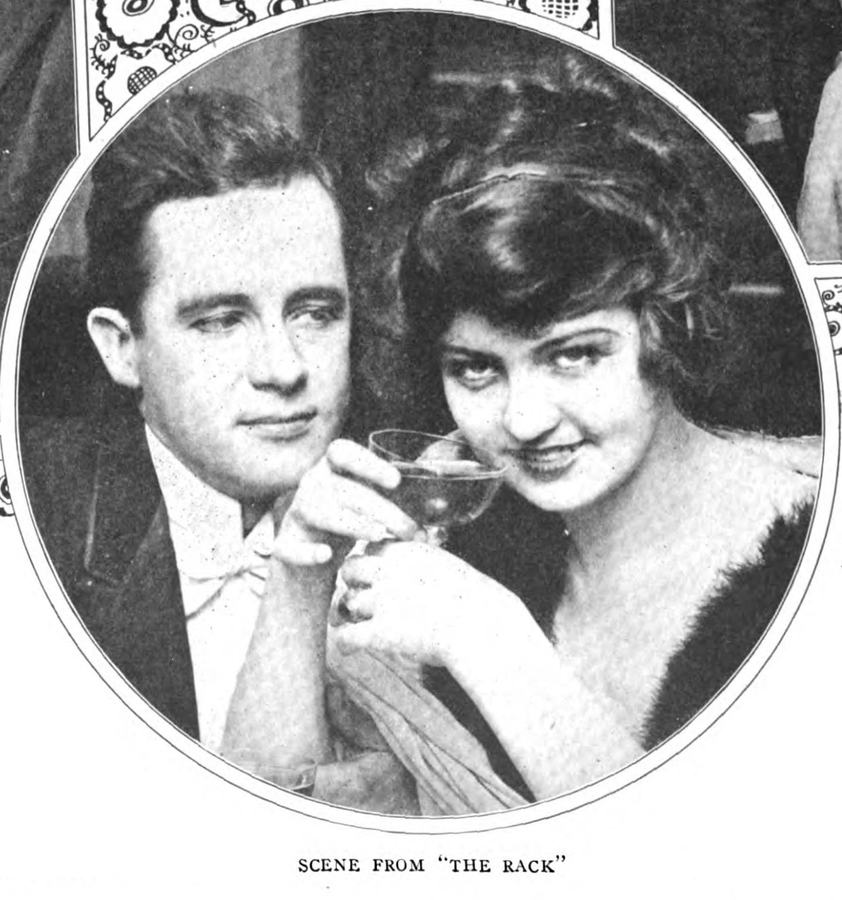
The ensemble cast of The Rack, under what must have been astute direction (though often uncredited or lost to time for many silent films), delivers performances that are both era-appropriate and surprisingly nuanced. Alice Brady, as Blanche, is the undisputed anchor, her expressive face and controlled physicality conveying a spectrum of emotions from quiet desperation to fierce determination. Her portrayal is a masterclass in silent film acting, where every gesture, every tilt of the head, every flicker of the eye must carry the weight of dialogue. George Cowl's Jack Freeman, while the catalyst for much of the pain, avoids becoming a one-dimensional villain, instead hinting at a man perhaps more weak than malicious, a characteristic that adds a layer of depth to his ultimate fate. Chester Barnett’s transformation from a jealous, proud husband to a man humbled by love and sacrifice is equally compelling. Doris Kenyon's Effie McKenzie, while a secondary character, is crucial to the plot's initial momentum, and Kenyon imbues her with a captivating, if ultimately tragic, allure. June Elvidge, as Jack's wife Louise, provides a quiet counterpoint to the more dramatic characters, embodying the silent suffering of a betrayed spouse. The collective strength of these actors ensures that the emotional core of Thompson Buchanan's story resonates deeply, even without the benefit of spoken words.
Thompson Buchanan's writing is particularly noteworthy. He crafts a narrative that is intricate without being overly convoluted, allowing for character motivations to unfold organically, even amidst the heightened drama. The pacing, a critical element in silent cinema, maintains a steady build-up of tension, punctuated by moments of intense emotional release. The use of intertitles is judicious, providing necessary exposition and dialogue without overwhelming the visual storytelling. While the film's climax might seem a touch serendipitous by modern standards, it adheres to the conventions of early 20th-century melodrama, where moral order is often restored through dramatic, often sudden, revelations. The film's visual language, while perhaps less experimental than some of its European contemporaries like Hoffmanns Erzählungen or Protéa, is effective in its clarity and ability to convey emotion through composition and lighting. The focus remains squarely on the human drama, allowing the performances to shine through.
The Rack, in its exploration of fidelity and betrayal, touches upon themes that remain eternally relevant. The fragility of reputation, the destructive power of suspicion, and the transformative potential of selfless love are all laid bare. It serves as a potent reminder that appearances can be profoundly misleading, and that true understanding often requires a leap of faith and an openness to seeing beyond superficial indications. In an era when societal norms around marriage and morality were rigid, the film dared to delve into the messy realities of human frailty, offering both a cautionary tale and a testament to the resilience of the human spirit. While not as widely remembered as some other silent classics, its narrative complexity and strong performances make it a compelling watch for anyone interested in the evolution of cinematic storytelling and the enduring power of melodrama. It stands as a testament to the storytelling capabilities of early cinema, demonstrating how compelling narratives could be crafted without the benefit of synchronized sound, relying instead on powerful visual language and the nuanced performances of its cast. Its examination of legal injustice and the fight for truth, for instance, finds echoes in later films that tackle similar themes of wrongful accusation and the search for exoneration, a thematic thread that runs through many legal dramas, both silent and sound. The raw emotion conveyed, particularly by Alice Brady, transcends the technological limitations, making her portrayal of Blanche timeless. For those who appreciate the intricacies of human drama and the historical context of early filmmaking, The Rack offers a rich and rewarding experience, a powerful reminder of how timeless stories can be, irrespective of the medium's age. It's a film that asks profound questions about morality, justice, and the true meaning of love, questions that continue to resonate with audiences today.
IMDb —
1921
Community
Log in to comment.