DbcultAccessing Vault...
Cult Review
Senior Film Conservator
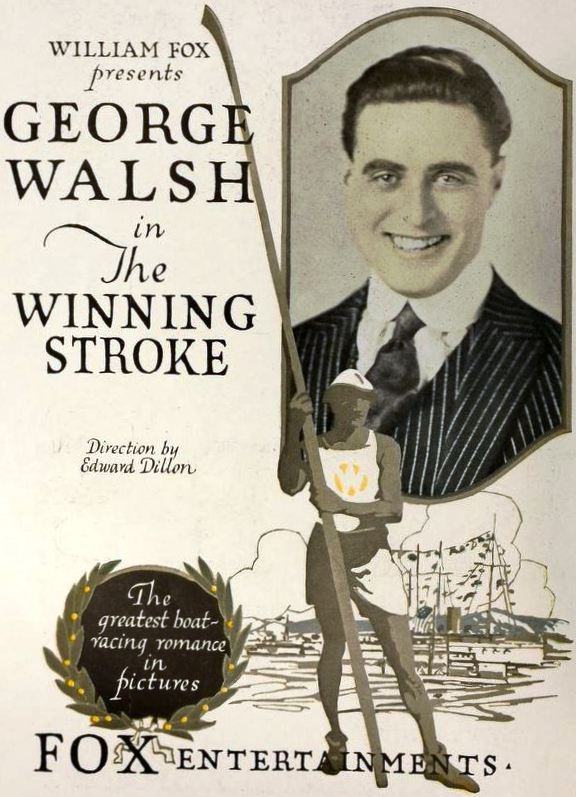
In the annals of early cinema, few narratives capture the fervent spirit of collegiate ambition and the venomous sting of jealousy with the visceral intensity of The Winning Stroke. This isn't merely a film about a rowing race; it's a meticulously crafted study of human nature, a morality play draped in the academic regalia of Yale, where the pursuit of athletic glory becomes a battleground for personal integrity and insidious deceit. It immerses us in a world where reputation is currency, and a single misstep can unravel a promising future, all set against the backdrop of an era fascinated by the triumphs and tribulations of young men and women navigating the complex social currents of higher education.
The narrative unfurls with a scene as old as the institutions themselves: the fraternity initiation, a ritual meant to forge bonds but here, quickly perverted into a vehicle for petty vengeance. Paul Browning, a character etched with the bitter ink of resentment, finds himself the target of a hazing incident, a direct consequence of his perceived tattling. This initial humiliation is the spark that ignites a conflagration of envy within him, particularly when he observes the effortless ascent of Buck Simmons. Simmons is the quintessential hero of this cinematic age – athletic, honorable, and universally admired, not least by the discerning Aida Courtlandt, the dean's niece, whose affections become the ultimate prize in this undeclared war. The triangulation of these characters – the jealous outcast, the noble champion, and the woman whose favor fuels their rivalry – forms the emotional bedrock of the entire enterprise.
Browning's festering resentment finds a willing accomplice in Burton Hampdon, a gambler whose own financial woes make him susceptible to Browning's nefarious schemes. Their alliance is one of pure opportunism and malice, a dark mirror to the camaraderie expected within the collegiate setting. The initial attempts to disgrace Buck are almost comically transparent in their villainy, yet they speak volumes about the desperation of the antagonists. The failed lure of a planted paramour reveals their lack of subtlety, but it also underscores the unwavering moral compass of Buck Simmons, a man seemingly impervious to such cheap temptations. This early failure, rather than deterring Browning, merely sharpens his resolve, pushing him towards more audacious and ultimately more dangerous stratagems. The stakes are clear: not just the Yale-Harvard race, but Buck's very honor and his burgeoning romance with Aida.
The escalation of Browning's machinations reaches a pivotal point with the roadhouse incident. This scene is a masterclass in calculated manipulation, as Browning exploits Aida's innocence and Buck's protective instincts. By deliberately leading Aida to a disreputable establishment, Browning forces Buck into an impossible bind: either uphold the strict training regimen or protect the woman he loves. Buck's decision, driven by chivalry, is precisely what Browning anticipates, providing the tangible evidence needed to construct a case against him. It's a moment that powerfully illustrates the film's exploration of moral compromise and the agonizing choices forced upon individuals caught in webs of deceit. This calculated move, far more sophisticated than their previous blunders, hints at the insidious depth of Browning's jealousy, transforming him from a mere tattler into a truly formidable antagonist.
The consequences are swift and severe. A cunningly planted letter, implicating Buck in a scheme to throw the race, seals his fate in the eyes of a bewildered coach. The suspension that follows is a moment of profound injustice, a temporary triumph for the forces of malevolence. It's here that The Winning Stroke delves into themes reminiscent of films like Tess of the D'Urbervilles, where an individual's reputation is unfairly tarnished by circumstances beyond their control, and the weight of societal judgment threatens to crush them. Buck, the paragon of virtue, finds himself on the precipice of disgrace, his athletic dreams and personal integrity hanging by a thread. This dramatic low point is crucial for setting up the inevitable redemption, highlighting the depth of the betrayal he faces.
However, the narrative, true to the conventions of classic storytelling, provides a beacon of hope in Aida. Her unwavering faith in Buck, coupled with her influential position as the dean's niece, becomes the catalyst for justice. Her appeal to her uncle is not merely an act of romantic loyalty but a testament to her keen perception and moral fortitude. The dean, representing the ultimate authority and arbiter of truth within the institution, is able to unravel the tangled skein of lies, clearing Buck's name and reinstating him to the crew. This moment of vindication is immensely satisfying, reaffirming the film's underlying belief in the eventual triumph of good over evil, a common thread in early cinematic morality plays. It’s a powerful reminder that even in the face of overwhelming odds, truth and integrity can prevail, a theme echoed in films like The Finger of Justice, where the narrative meticulously works towards a rightful conclusion.
The climax, the much-anticipated Yale-Harvard regatta, is not just a sporting event; it's a symbolic battle for honor, a crucible where all the preceding drama culminates. The race itself, described as a close affair, underscores the tension and the high stakes involved. The victory for Yale, narrow yet decisive, is more than just an athletic achievement; it's a moral victory for Buck, a public affirmation of his restored reputation. But the film isn't content to end with a simple win. Browning, consumed by his unquenchable hatred, descends into a final, desperate act of violence, attempting to shoot Buck. This shocking turn elevates the personal rivalry to a life-or-death struggle, pushing the boundaries of collegiate drama into outright melodrama. Buck's subsequent trouncing of Browning is a cathartic moment, a physical manifestation of the hero's triumph over his tormentor, providing a visceral sense of justice served. This final, violent confrontation resonates with the intense personal vendettas often depicted in films like The Bride of Hate, where obsessive animosity drives characters to extreme measures.
The resolution is as neat and satisfying as one would expect from a film of this era. Buck Simmons is not only proclaimed captain for the following year's team, solidifying his status as a revered figure, but also becomes engaged to Aida. This dual triumph – professional and personal – serves as the ultimate reward for his steadfast integrity and resilience. It's a classic happy ending, reinforcing the notion that virtue is ultimately rewarded, and malice, no matter how cunning, is ultimately defeated. The film, in its entirety, serves as a powerful testament to the enduring appeal of clear-cut heroes and villains, and the timeless struggle between ambition and ethics.
From a critical perspective, The Winning Stroke excels in its narrative clarity and its robust character archetypes. While some might find the moral landscape a touch simplistic by modern standards, its strength lies precisely in this directness. The film doesn't shy away from depicting the darker aspects of human nature – jealousy, deceit, and vengefulness – but it firmly anchors its resolution in the triumph of honor and perseverance. The pacing, even without the rapid-fire cuts of contemporary cinema, builds tension effectively, particularly through the escalating schemes of Browning and the mounting pressure on Buck. The performances, typical of the period, rely on expressive physicality and clear emotional cues, ensuring that the audience is always aware of each character's inner turmoil or unwavering resolve.
The film’s portrayal of collegiate life, while perhaps romanticized, offers a fascinating glimpse into the social dynamics and values of the time. The importance of athletic achievement, the rigid social hierarchies, and the pervasive influence of reputation are all vividly depicted. It’s a world where a single accusation, even if false, can wreak havoc, highlighting the fragility of one's standing. The underlying message is clear: integrity is paramount, and true victory is not just about winning the race, but about maintaining one's character in the face of adversity. This moral backbone gives the film a resonance that transcends its specific setting and era, making its themes of betrayal and redemption universally understandable.
In conclusion, The Winning Stroke is more than just a historical curiosity; it is a compelling piece of early cinema that expertly weaves together elements of sports drama, romantic rivalry, and moral allegory. Its strength lies in its unambiguous portrayal of good versus evil, its relentless build-up of tension, and its ultimately satisfying resolution. It stands as a testament to the power of a well-told story, demonstrating how classic narrative structures can captivate audiences regardless of technological advancements. For those interested in the evolution of cinematic storytelling, or simply in a gripping tale of college rivalry and personal triumph, this film offers a fascinating and rewarding viewing experience, a true reflection of its time and a timeless exploration of the human spirit's enduring struggle for honor and love on the grand stage of life.
IMDb 6.6
1930
Community
Log in to comment.