DbcultAccessing Vault...
6.5/10
Senior Film Conservator
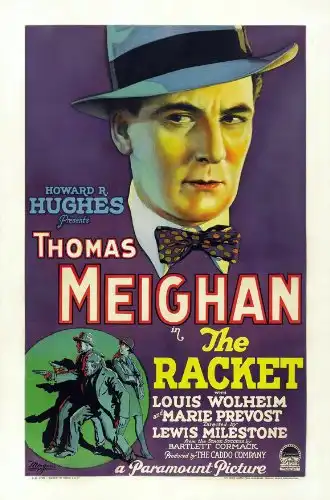
A definitive 6.5/10 rating for a film that redefined the boundaries of cult cinema. The Racket remains a cornerstone of transgressive art.
If you go into The Racket expecting the flickering, over-acted pantomime often associated with the late 1920s, you will be startled by how lean and cynical this film actually is. Produced by Howard Hughes and directed by Lewis Milestone, this is a film that feels like it was made by people who had spent too much time in smoke-filled rooms with actual criminals and the cops who take their money. It is absolutely worth watching today, not just as a museum piece, but as a genuinely gripping procedural that predates the famous 1930s gangster cycle. It’s for anyone who likes The Wire or Scarface; it will likely bore those who need constant explosions or a traditional romantic subplot to stay engaged.
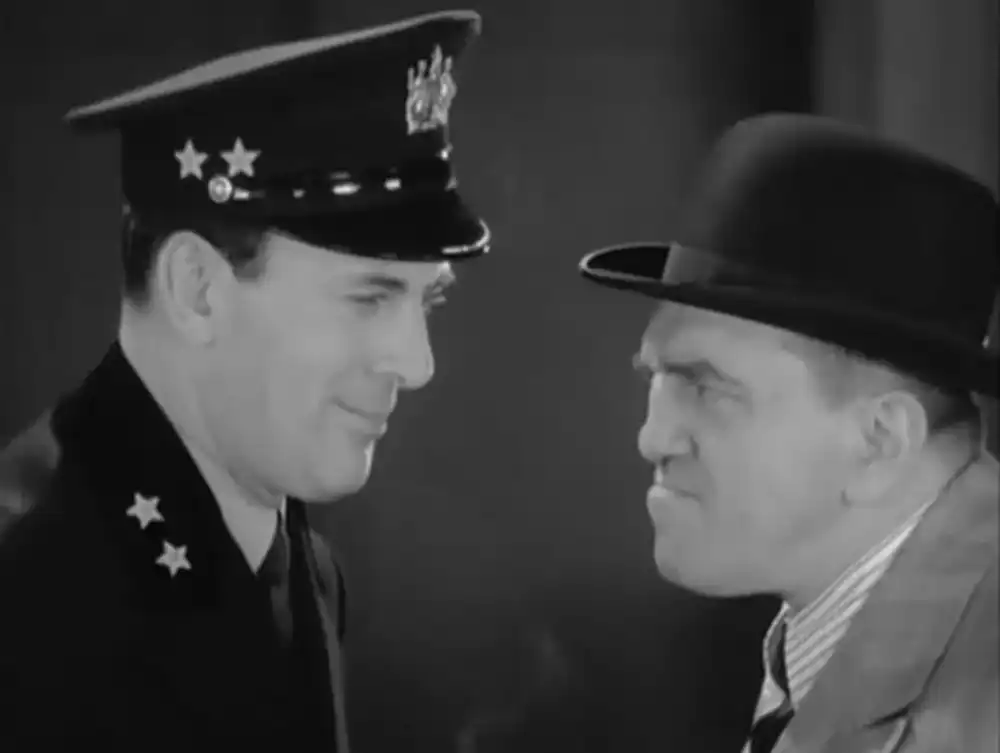
The first thing that hits you about The Racket isn't the plot, but the faces. Specifically, the face of Louis Wolheim, who plays the bootlegger Nick Scarsi. Wolheim didn't have a 'movie star' face; he had a broken nose and a physical presence that suggests he could actually win a bar fight. In many silent films, villains twirl their mustaches, but Wolheim plays Scarsi with a terrifying, casual arrogance. There is a specific moment early on where he enters a room and simply stares down a group of officials—he doesn't need a title card to tell us he owns them. His performance is grounded in a way that makes the high-stakes drama feel real rather than theatrical.
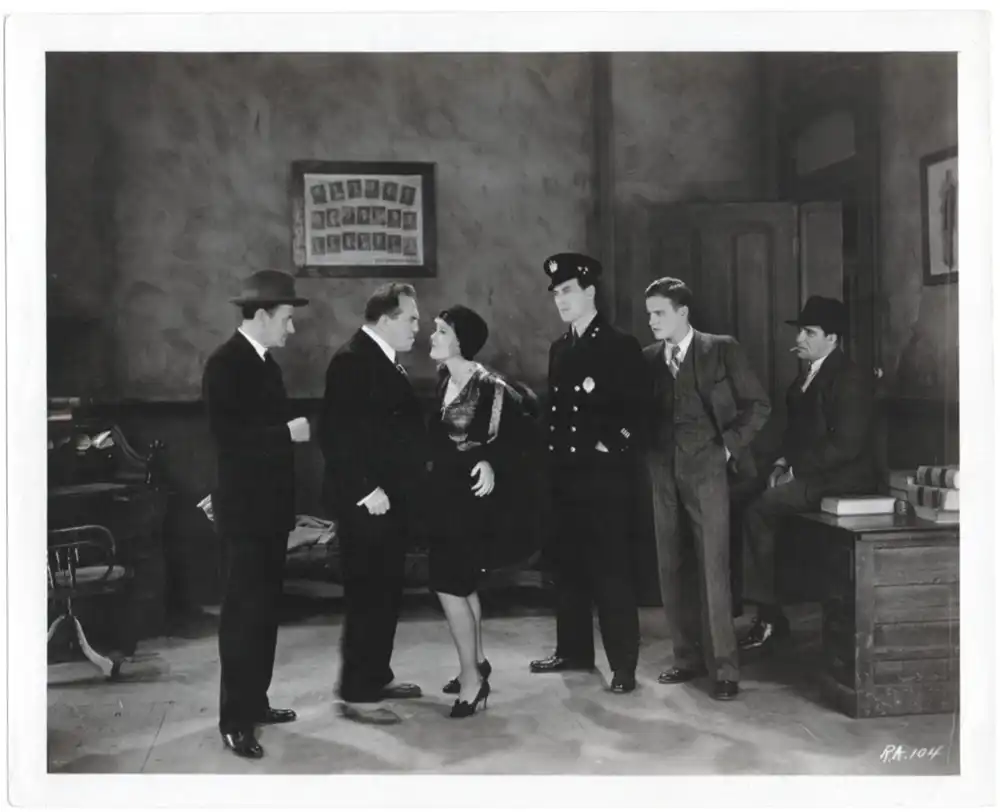
Opposite him is Thomas Meighan as Captain McQuigg. Meighan plays the role with a weary, stiff-backed integrity. He isn't a superhero; he’s a man who is clearly tired of the paperwork and the 'phone calls from downtown' that keep his hands tied. The chemistry between the two isn't built on dialogue, but on a mutual understanding of the rules. They are both professionals in a dirty business, and the film treats their rivalry with a cold, unsentimental respect.
Lewis Milestone, who would go on to win an Oscar for All Quiet on the Western Front, shows an incredible command of the camera here. While many films of 1928 were starting to get clunky as they prepared for the transition to sound, The Racket is fluid. Milestone uses shadows and depth of field to make the police precinct feel like a labyrinth. There are several long takes where the camera follows characters through doors and hallways, creating a sense of a living, breathing environment rather than a series of flat sets.
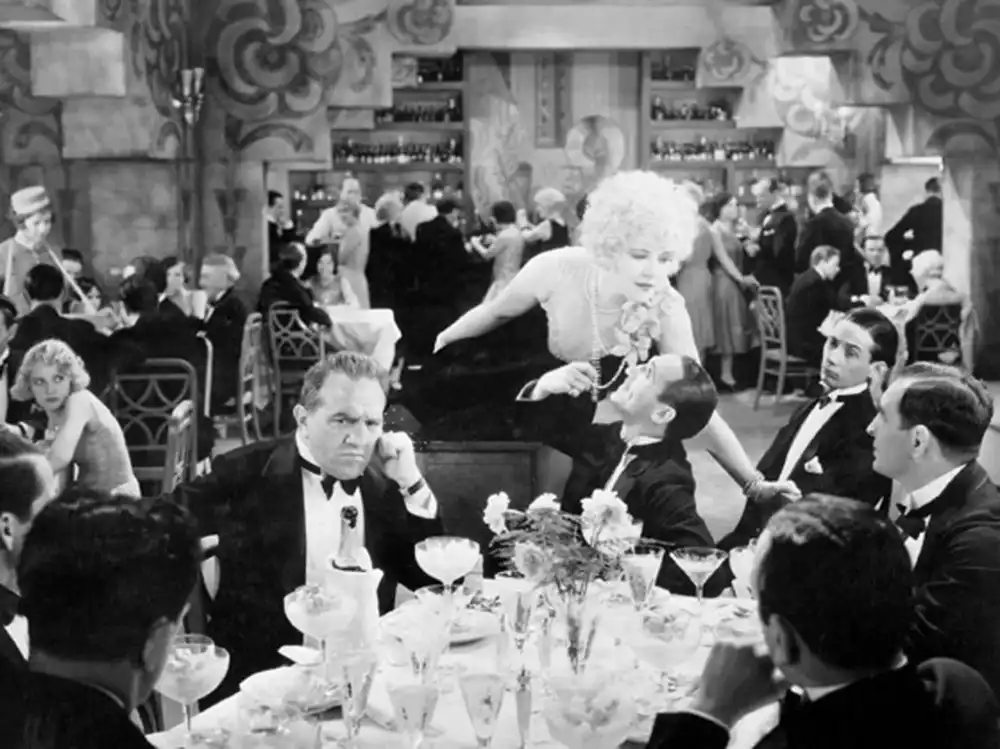
One particularly effective scene takes place at a birthday party for Scarsi’s younger brother. The lighting is low, the smoke is thick, and you can almost smell the illegal liquor. Milestone cuts between the celebration and the watchful eyes of the plainclothes cops outside. It’s a rhythmic piece of editing that builds tension without relying on a musical score (depending on which restoration you watch). The lack of excessive title cards is also a blessing; Milestone trusts his actors' eyes and the blocking of the scenes to convey the power dynamics.
What sets The Racket apart from other early crime films like The Taint or the more melodramatic Miss Nobody is its refusal to offer an easy moral victory. The film introduces the concept of the 'Big Boy'—the unseen political figure who pulls Scarsi’s strings. This isn't just a story about a bad guy and a good guy; it’s a story about a corrupt system.
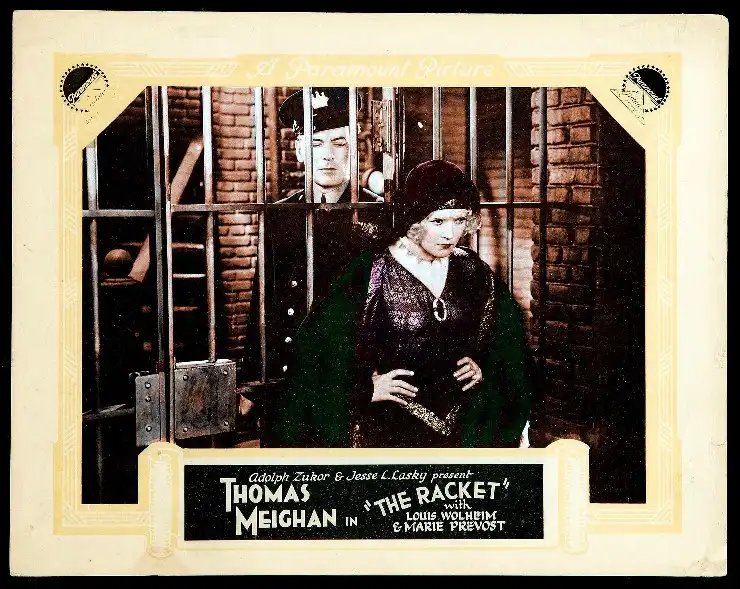
The supporting cast adds to this cynical atmosphere. Marie Prevost plays Helen Hayes (a lounge singer, not the actress), and she is wonderfully sharp-tongued. She isn't a damsel in distress; she’s a woman who knows exactly how the world works and plays the men against each other to survive. Then there are the reporters, who hang around the precinct like vultures, cracking jokes while men’s lives are being ruined. Their presence adds a layer of dark humor that prevents the film from becoming too self-serious.
The film isn't perfect. The middle section, particularly when the action shifts to the outlying suburban precinct, drags slightly. There is a bit too much time spent on the 'comedy' of the local bumpkin cops which feels tonally inconsistent with the gritty urban warfare of the first act. These moments feel like a concession to the audiences of the time who expected a bit of slapstick, but today they just feel like distractions from the main event.
Additionally, the character of Scarsi’s younger brother is a bit of a weak link. He’s meant to be the Achilles' heel of the great mobster, but the actor plays him with a soft-edged weakness that feels a bit too 'silent film' compared to the naturalism of Wolheim and Meighan. When he’s on screen, the tension tends to dip.
If you watch closely, you’ll notice how Milestone uses reflections—in windows, in mirrors, and on polished desks—to suggest that someone is always watching. It’s a classic noir trope that was being invented right here. There is also a fantastic bit of business involving a precinct 'rookie' who keeps getting in the way; it’s a small detail, but it makes the station feel like a real workplace rather than a stage. The costume design is also worth noting; Scarsi’s tuxedo is perfectly tailored, emphasizing his desire for legitimacy, while McQuigg’s suits look like they’ve been slept in.
The Racket was a 'lost' film for decades because Howard Hughes kept it locked in his private vaults. Its rediscovery is a gift to cinema fans. It avoids the preachy moralizing of films like Parentage and instead offers a cold-eyed look at how power actually works. The ending is particularly brave for 1928—it’s not a celebration of justice, but a shrug at the inevitability of the next 'racket' taking its place.
If you want to see where the DNA of The Godfather and Goodfellas began, this is it. It’s a lean, mean, and surprisingly modern piece of filmmaking that proves you don't need sound to tell a loud, violent, and deeply cynical story.
IMDb —
1926
Community
Log in to comment.