DbcultAccessing Vault...
7.4/10
Senior Film Conservator
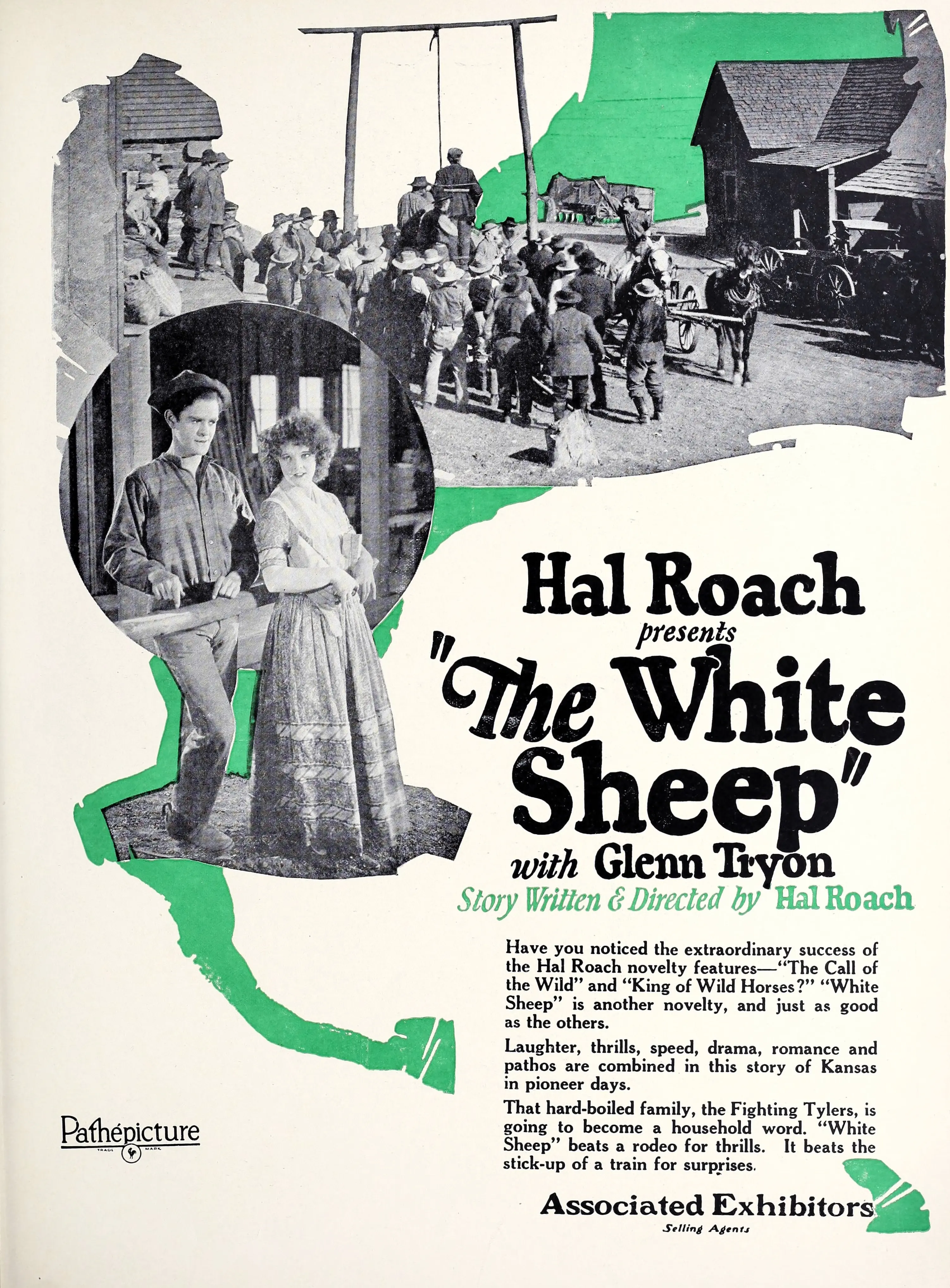
A definitive 7.4/10 rating for a film that redefined the boundaries of cult cinema. The White Sheep remains a cornerstone of transgressive art.
Step back into the golden age of silent cinema, where narratives unfolded with a captivating blend of visual storytelling and raw, unadulterated emotion. Among the many treasures from this prolific era, Hal Roach and H.M. Walker's "The White Sheep" emerges as a compelling piece, a richly textured drama that delves deep into the complexities of human nature, small-town politics, and the enduring struggle between innocence and corruption. This isn't just another forgotten film; it's a vibrant, pulsating narrative that, despite its age, resonates with a timeless relevance, offering a profound glimpse into a world where personal desires collide with entrenched power dynamics.
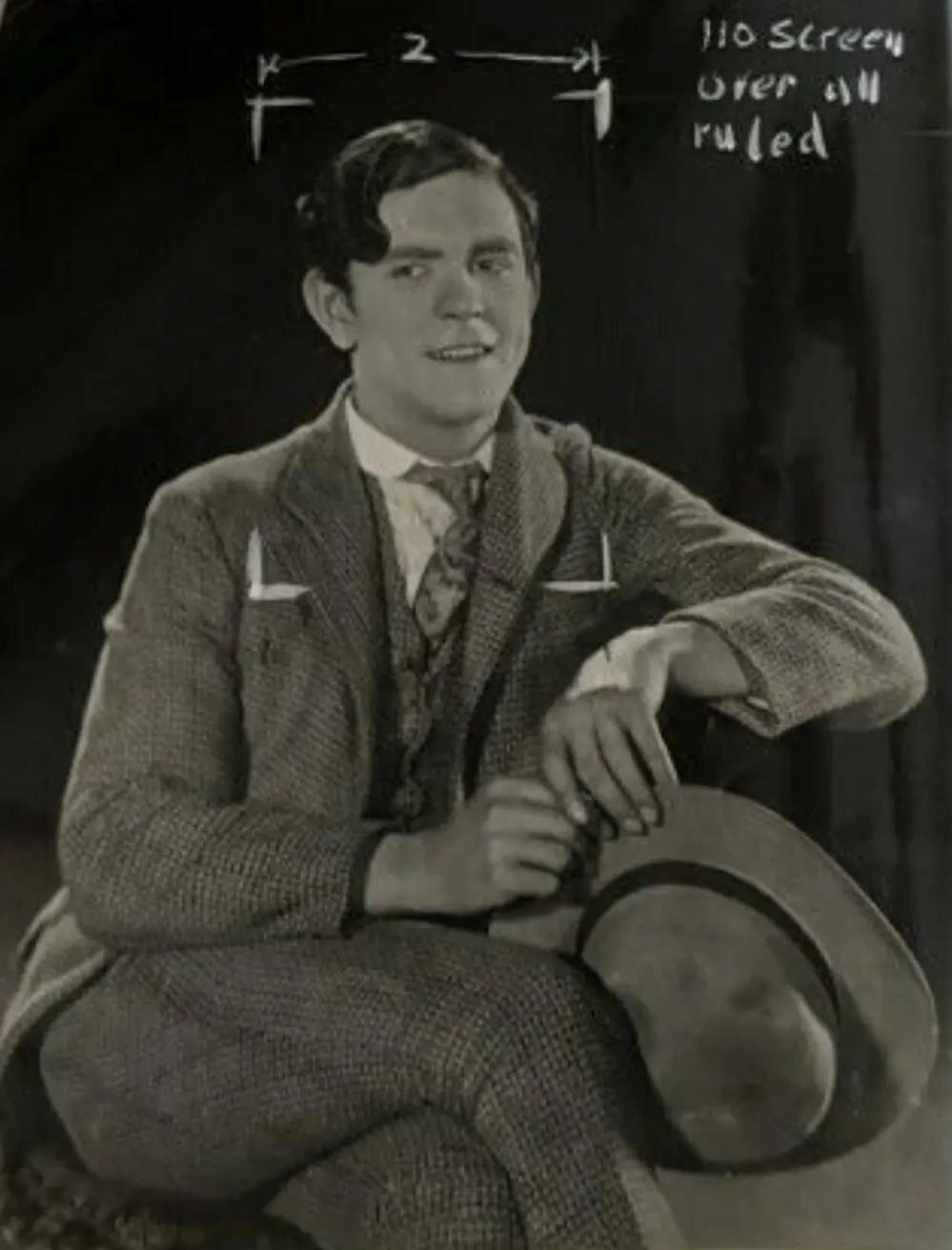
At the heart of "The White Sheep" lies a protagonist who embodies the film's very title: a quiet, thoughtful soul, perhaps an outsider, whose gentle demeanor stands in stark contrast to the boisterous, often brutal, environment of his adopted town. This character, portrayed with a nuanced sensitivity by Glenn Tryon, is the moral compass, the quiet observer whose eventual entanglement in the town's affairs becomes the catalyst for profound change. His very presence challenges the established order, a testament to the power of quiet resilience against overwhelming odds. The film expertly crafts his journey, showing how even the most unassuming individual can ignite a revolution, be it in matters of the heart or the pursuit of justice. It’s a narrative arc that subtly echoes the underdog tales found in other period dramas, yet maintains a distinct, understated charm.
The town itself is a character, a microcosm of society dominated by the iron-fisted rule of its dictatorial mayor. This formidable figure, whose corruption seeps into every facet of civic life, is a classic antagonist, a symbol of unchecked power and moral decay. But it is his three roughneck sons who truly personify the mayor's oppressive influence. These siblings are a force of nature, their boorish behavior and sense of entitlement reflecting their father's dominion. They are the town's bullies, their every action a blatant disregard for decency and fairness. Their collective presence creates an atmosphere of palpable tension, a constant threat hanging over the more vulnerable members of the community. The casting of Bob Kortman, J.J. Clayton, and Chris Lynton as these formidable sons was a stroke of genius, their physicality and menacing presence perfectly conveying the film's underlying sense of dread.
Into this volatile mix steps an attractive redhead, the object of desire for both our quiet protagonist and the mayor's three unruly sons. Blanche Mehaffey brings a captivating allure to this role, embodying a spirit that is both independent and vulnerable. Her presence immediately introduces a potent romantic tension, transforming the existing power struggle into a heated contest for affection. The question of who she will choose becomes the central emotional anchor of the narrative, driving much of the film's dramatic momentum. Will it be the gentle, thoughtful soul who offers genuine connection, or one of the powerful, albeit brutish, sons who promise status and protection? This romantic triangle is deftly handled, allowing for moments of tenderness to punctuate the encroaching darkness. It's a classic setup, reminiscent of the romantic entanglements found in films like Peg o' My Heart or Daddy-Long-Legs, where the heroine's choice often signifies a larger moral victory.
The film excels in portraying the subtle nuances of attraction and rivalry. The silent medium, relying heavily on exaggerated gestures and expressive facial performances, allows the audience to feel the unspoken desires and simmering resentments. The competition for the redhead's affections is not merely a superficial pursuit; it symbolizes a deeper battle for the town's soul. Her choice ultimately represents a vote for either integrity or corruption, for genuine love or coerced submission. This narrative depth elevates "The White Sheep" beyond a simple love story, imbuing it with a powerful allegorical quality.
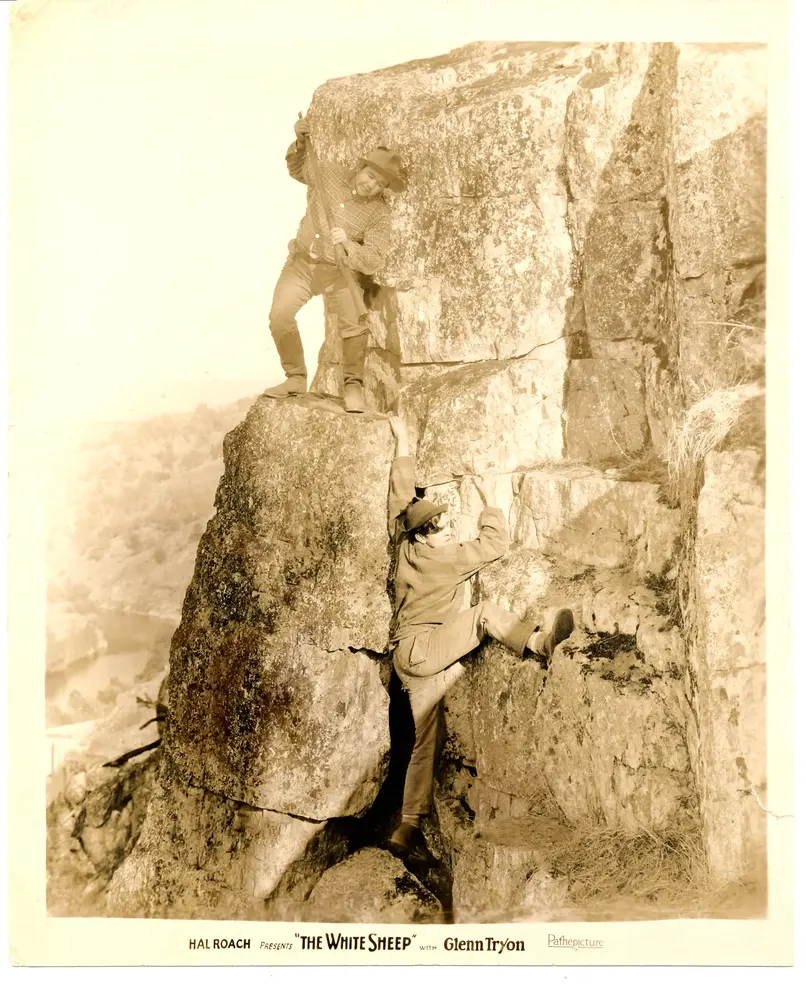
As if the romantic entanglements and familial rivalries weren't enough, "The White Sheep" introduces a far more sinister element: the looming specter of a murder charge against the dictatorial mayor. This plot twist injects a thrilling layer of suspense and intrigue, transforming the drama into a gripping mystery. The question of whether the mayor will finally be brought to justice for his alleged crimes adds immense stakes to the narrative. It’s a testament to the writers, H.M. Walker and Hal Roach, that they could weave such complex threads into a cohesive and compelling whole. The revelation of the murder charge serves as a pivotal turning point, shifting the focus from personal grievances to a broader quest for civic justice.
The film masterfully builds tension around this central mystery. Clues are subtly dropped, suspicions are raised, and the audience is kept on the edge of their seat, eager to see if the powerful mayor can evade the consequences of his actions. This element of crime and investigation, though perhaps not as overtly noirish as Blackmail, certainly taps into a similar vein of suspense and moral reckoning. The small-town setting, often perceived as idyllic, becomes a hotbed of secrets and deception, a theme explored in other films of the era like The Secret of the Swamp, where hidden truths often emerge from unexpected places. The film does an exceptional job of illustrating how a single crime can unravel a carefully constructed façade of respectability, exposing the rot beneath the surface of a seemingly orderly community.
The success of any silent film hinges significantly on the caliber of its performances, and "The White Sheep" is no exception. Glenn Tryon, as the titular 'white sheep,' delivers a performance characterized by understated intensity. His quiet strength and moral conviction shine through, making him an immensely sympathetic figure. He communicates volumes with a glance, a posture, a subtle shift in expression, embodying the 'thoughtful soul' described in the plot synopsis with remarkable authenticity. His interactions with Blanche Mehaffey are particularly engaging, a dance of hesitant affection and burgeoning trust that feels genuinely earned.
Blanche Mehaffey, as the alluring redhead, is equally compelling. She projects a vibrant energy and an inner resilience that makes her more than just a prize to be won. Her character possesses agency, and Mehaffey ensures that her emotional journey is clear and impactful, even without dialogue. The silent screen demanded actors capable of conveying complex emotions through physical presence and facial expressions, and Mehaffey rises to the challenge, her performance a beacon of charm and determination. The contrast between her spirited nature and the quiet intensity of Tryon creates a dynamic on-screen chemistry that is truly captivating.
The supporting cast, particularly the actors portraying the mayor's sons – Bob Kortman, J.J. Clayton, and Chris Lynton – are effective in their roles as antagonists. They exude a palpable menace and a sense of entitlement that makes their characters truly detestable. Their roughneck demeanor and aggressive posturing provide a stark contrast to Tryon's gentle hero, amplifying the central conflict. Even the minor roles, from Richard Daniels to Joe Bordeaux, contribute to the rich tapestry of the town, each face telling a story, adding to the film's immersive quality. The ensemble works in concert, creating a believable and highly charged atmosphere that draws the audience deeply into the narrative.
While Hal Roach is perhaps more widely known for his comedic genius, particularly with Laurel and Hardy, his involvement as a writer for "The White Sheep" demonstrates his versatility and keen understanding of dramatic narrative. Alongside H.M. Walker, Roach crafts a story that is both intricate and emotionally resonant. The screenplay is a masterclass in silent film construction, relying on strong visual cues, well-placed intertitles, and a clear progression of events to convey a complex plot. The pacing is deliberate, allowing moments of quiet introspection to breathe before accelerating into sequences of high drama and suspense. This measured approach ensures that every plot point, every character interaction, feels earned and impactful.
The direction, though not explicitly credited to Roach, benefits from a clear vision that prioritizes character development and thematic depth. The camera work is purposeful, often framing characters in ways that highlight their emotional states or their place within the town's social hierarchy. The use of close-ups is particularly effective in drawing the audience into the characters' inner worlds, allowing for a more intimate connection. The visual language of the film is rich, employing symbolism and evocative imagery to enhance the storytelling. For instance, the stark contrast between the town's dusty, rough-hewn streets and the hopeful gaze of our protagonist often conveys more than any spoken dialogue ever could.
"The White Sheep" stands as a powerful reminder of the artistic achievements of the silent film era. It demonstrates that compelling storytelling does not require dialogue; rather, it thrives on the universal language of human emotion, conveyed through masterful acting, evocative cinematography, and intelligent plotting. The film's themes—the battle against corruption, the pursuit of justice, the complexities of love and rivalry—are timeless, ensuring its resonance with contemporary audiences. It’s a testament to the era's ability to tackle profound societal issues with grace and impact, mirroring the social commentary found in films like Mothers of Men or The Average Woman, which also explored societal expectations and individual struggles.
For those accustomed to the rapid-fire editing and exposition of modern cinema, watching a silent film like "The White Sheep" can be a deeply rewarding experience. It encourages a different kind of engagement, demanding that the viewer pay closer attention to visual cues, body language, and the subtle interplay of light and shadow. The absence of spoken dialogue allows for a greater emphasis on the universal aspects of human experience, transcending linguistic barriers. This makes films from this period, even those lesser known, vital historical and artistic documents. It is through films like this that we can truly appreciate the foundational elements of cinematic narrative and the evolution of the art form.
In an age saturated with digital spectacle, there's a unique charm in revisiting the elegance and sincerity of silent films. "The White Sheep" offers a compelling reason to do so. It is a film that entertains, provokes thought, and leaves a lasting impression. Its intricate plot, memorable characters, and powerful thematic undercurrents make it a standout drama from its era. Whether you are a seasoned cinephile with a deep appreciation for silent cinema or a curious newcomer eager to explore the roots of filmmaking, this film provides an exceptional viewing experience. It's not just a historical artifact; it's a living, breathing piece of art that continues to speak volumes about the human condition.
The narrative, while rooted in a specific time, explores universal themes of good versus evil, the individual's fight against systemic oppression, and the transformative power of love. The quiet dignity of the protagonist, the alluring presence of the redhead, and the menacing shadow of the mayor and his sons create a dynamic tension that keeps the audience utterly engrossed. The ultimate resolution, both romantic and legal, provides a cathartic release, affirming the enduring belief in justice and the triumph of the human spirit. It serves as a reminder that even in the darkest corners of a small town, a 'white sheep' can emerge to challenge the status quo and bring about a brighter dawn. Dive into "The White Sheep" and discover a silent masterpiece that still resonates with powerful echoes today.
IMDb 7
1934
Community
Log in to comment.