DbcultAccessing Vault...
Cult Review
Senior Film Conservator
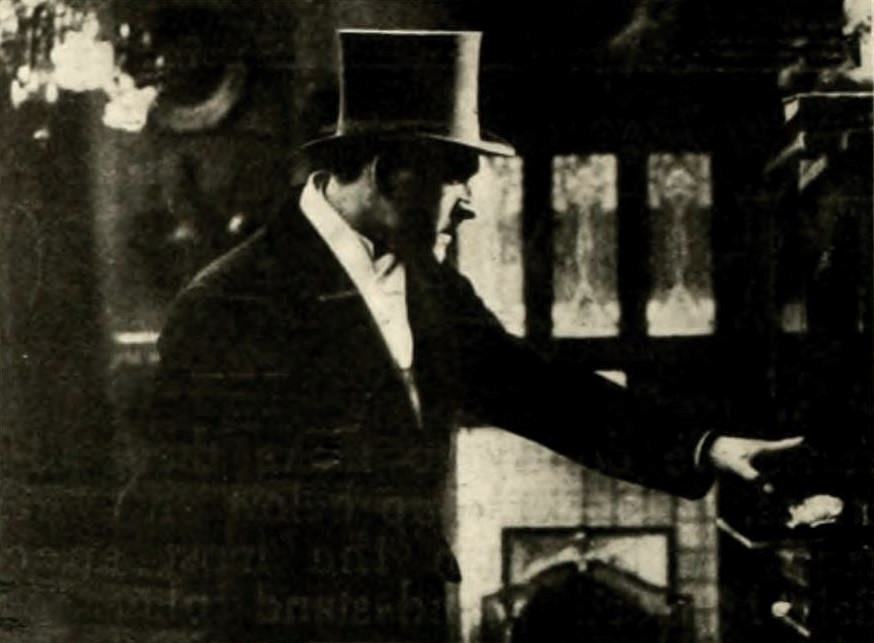
When Count Seroff unveils his diamond rose—an artifact of imperial plunder, encased in a cabinet that whispers secrets to those who dare touch it—The Rajah's Diamond Rose becomes more than a silent film. It becomes a mirror held up to the soul, reflecting the seductive rot of power and the fragile masks of morality. Directed with precision by Eclipse Studios, this two-reel masterpiece (1920s) is a labyrinth of moral peril, where every glint of the diamond is a trapdoor into the abyss of human frailty.
Seroff’s blackmail technique is a masterclass in psychological engineering. He lures young Parisian elites into his opulent salon, their appetites for wealth and status primed for exploitation. The diamond rose, a relic from an Indian rajah’s court, is not merely a gemstone but a symbol of colonial excess, its sparkle concealing a camera that immortalizes the moment a hand falters. The film’s brilliance lies in how it frames this device not as a gimmick but as a metaphor: "A man’s soul is a camera obscura. All it takes is a flick of the shutter to expose the rot within."
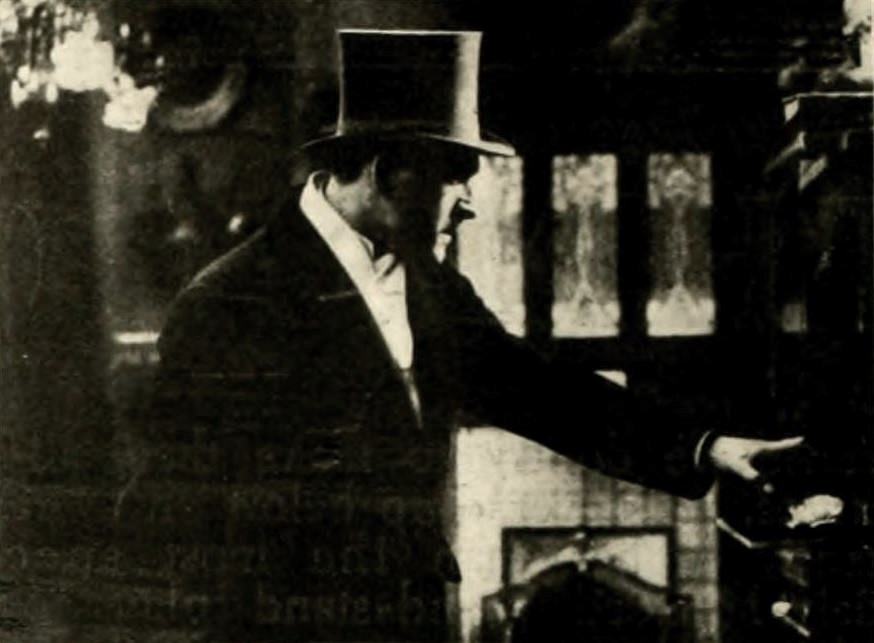
The central narrative pivots on a young man (played by Gabriel de Gravone) whose love for a woman (whose brother is ensnared in Seroff’s web) compels him to steal the diamond. His journey is less a heist and more a descent into self-destruction, each step echoing the futility of resisting systems designed to control. The film’s pacing is deliberate, its silence (both literal and thematic) amplifying the tension. When the camera flashes, it’s not just a technical trick—it’s a moral reckoning.
While The Rajah's Diamond Rose shares thematic DNA with For the Queen’s Honor—both dissect power structures through black comedy—their divergences are striking. Where the latter leans into romantic farce, this film embraces noir-like fatalism. Similarly, its exploration of moral compromise resonates with Robin Hood, though here the hero’s virtues are less noble and more desperate. The comparison to Traffic in Souls, a D.W. Griffith film, is apt: both films use visual metaphors to expose societal hypocrisy, albeit with distinct tonalities.
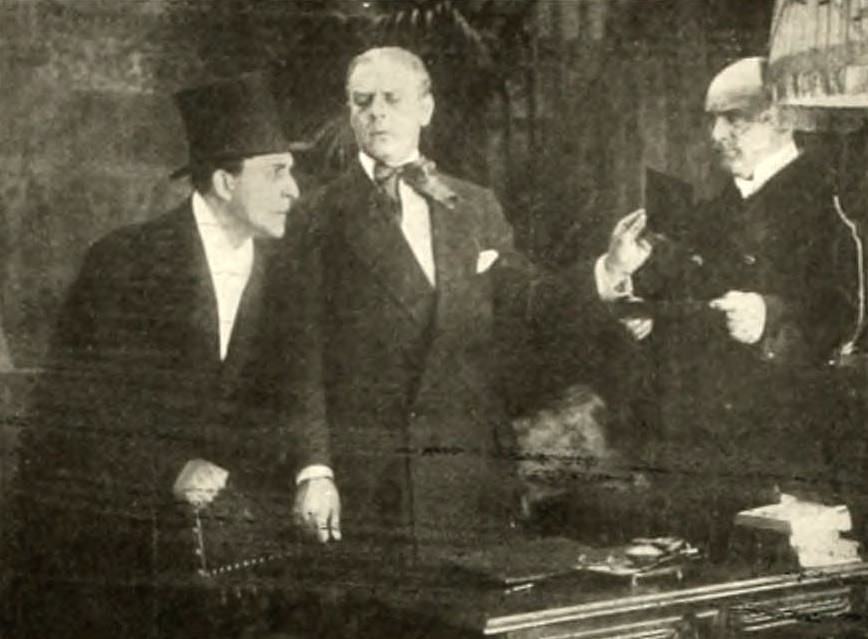
Eclipse’s cinematography is a study in contrasts—darkened interiors lit by the diamond’s cold glow, the camera lingering on the cabinet’s spring mechanism as if it were the face of a god. The score, sparse but piercing, swells during the protagonist’s internal battles, turning his heartbeat into a rhythmic motif. De Gravone’s performance is understated yet searing; his eyes betray the turmoil of a man who knows he’s playing a game rigged from the start. The film’s climax—a theft that backfires in the most tragic of ways—avoids the didactic, instead leaving the audience to grapple with the ambiguity of redemption.
The relationship between the lovers is the film’s emotional core. Their dynamic is less a romance and more a transaction of vulnerability: she offers her hand as a reward for his crime; he sacrifices his integrity for her. This transactional love mirrors Seroff’s own manipulations, blurring the line between victim and villain. The film’s moral ambiguity is its strength; it refuses to simplify its characters into parables. Even Seroff, for all his cruelty, is a product of a system that rewards exploitation. The diamond rose, in its artificial perfection, becomes a symbol of that system—a beauty that corrupts by its very existence.
Though silent films of this era often struggle to maintain relevance, The Rajah's Diamond Rose endures because of its prescient themes. The count’s blackmail method could be a tweet in today’s attention economy, where privacy is a commodity for the wealthy. Its exploration of complicity in corruption feels eerily modern, a pre-echo of Madeleine’s psychological traps or Traffic in Souls’s institutionalized exploitation. The film’s ending—a quiet, devastating denouement—leans into ambiguity rather than moralizing, a choice that rewards repeat viewings.
For cinephiles seeking a film that marries technical ingenuity with philosophical depth, The Rajah's Diamond Rose is a hidden gem. It’s a silent film that roars with questions about power, love, and the masks we wear to survive. In a world still grappling with the same dilemmas, its rose of diamonds remains sharp, glittering, and deadly.
IMDb 5.6
1932
Community
Log in to comment.